
Hyper-casual game development starts with a single mechanic, a rough prototype, and a decision: pitch to a publisher or self-publish. The workflow rarely resembles a traditional game production plan. A first playable is usually built in two to four weeks, tested against retention and CPI benchmarks, then either scaled with a publisher deal or shelved. This guide walks through the first steps, realistic budget, publisher options, and where hyper-casual game development fits when compared to hybrid-casual.
What starting in hyper-casual game development really means
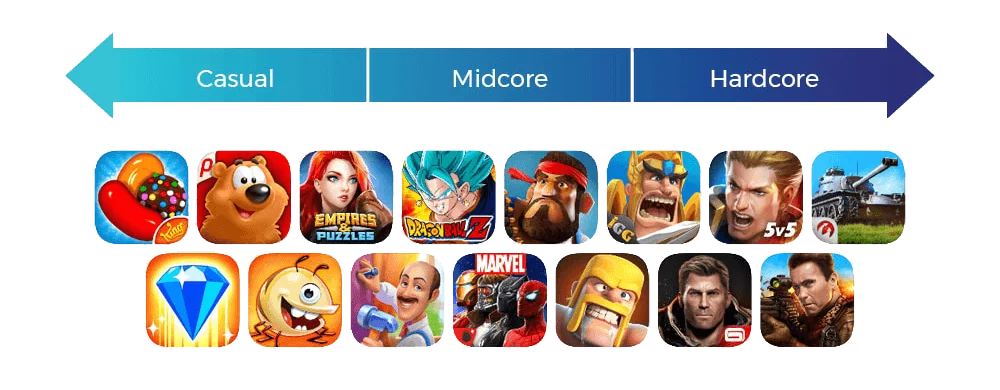
The starting point is not a game design document. It is a mechanic idea plus a CPI target. Everything else follows from that.
A studio entering hyper-casual game development for the first time usually skips traditional pre-production. There is no long GDD, no vertical slice, no publisher pitch deck full of lore. Instead, the team picks one tap-based mechanic, builds a two-scene prototype, records a 15-second capture, and sends it to a publisher scout or runs a creative test. If retention day 1 clears roughly 35% and CPI stays under a target the publisher will accept, the concept moves forward. If not, the team kills it and tries another.
Game-Ace uses the same triage on prototypes we build for external studios. It saves budget and prevents teams from over-investing in ideas that will not find an audience.
Prototyping a mechanic or testing with a publisher?
The first 30 days of a hyper-casual game development project
Week one is idea plus reference. Week two is a working prototype. Week three is video test. Week four is a decision.
In practice, a small team of one designer, one Unity developer, and one 2D artist can move through this cycle. The prototype does not need to be pretty. It needs to be readable in a vertical video, feel fair in the first 30 seconds, and have a fail state that resets in under one second.
- Week 1: pick a mechanic, build a mood board, identify 3 reference titles from the current top 100 free charts.
- Week 2: prototype the core loop, one obstacle type, one reward feedback, one fail state.
- Week 3: record 4-6 short capture videos, run creative tests on Meta or TikTok, or send the build to a publisher scout.
- Week 4: review CPI and installs, decide to iterate, pitch, or drop.
This cadence is why hyper-casual game development is often described as data-driven rather than design-driven.
How much a first prototype in hyper-casual game development typically costs
A first playable prototype usually falls in the €4,000-€12,000 range when built by an outsourced team. A polished soft-launch build sits in the €15,000-€35,000 range. Full production with LiveOps ready features can reach €50,000-€90,000, though most publisher-backed titles never require that.
The main cost drivers are not obvious to teams new to the category. Art is cheap. Design iteration is where budget disappears. Testing dozens of level variants, tweaking difficulty curves, and re-recording capture videos to find one that passes a CPI benchmark can double the timeline. Related reading: mobile game development cost.
Publisher-backed studios often externalize this cost. The publisher runs the creative testing and pays for media buys. The studio then only invests in production if the numbers work.
Publisher options for hyper-casual game development
Choosing a publisher is the single biggest early decision in hyper-casual game development. Deal terms, marketing spend, and retention support vary widely. The table below compares the most active publishers alongside a self-publish path.
| Publisher | Deal terms | Marketing | Revenue split |
|---|---|---|---|
| Voodoo | IP retained by publisher after signing | Full UA spend from publisher | 50/50 typical after recoup |
| Homa Games | IP shared, flexible contracts | Homa Lab tests + UA spend | 50/50 typical |
| Applovin (SparkLabs) | Studio keeps IP, publisher licenses | Full UA via AppDiscovery | 50/50 or better for signed hits |
| Supersonic (Unity) | IP retained by publisher | Unity ad network UA | 50/50 typical |
| Rollic (Zynga) | IP retained by publisher | Zynga UA infrastructure | 50/50 typical |
| Self-publish | Full IP retained by studio | Studio funds all UA | 100% minus store cut |
Deal terms shift quickly. Always verify the current contract on the publisher developer portal, for example Voodoo’s developer portal or Applovin’s studio program.
When self-publishing a hyper-casual game makes sense
Self-publishing a profitable mobile game requires the studio to earn enough from each player to cover acquisition costs, through an existing ad revenue infrastructure, a cross-promotion network, or a specific niche audience.
For most first-time entrants, self-publishing a single hyper-casual title without a portfolio behind it rarely returns UA spend. The math does not work at €0.30 CPI when a publisher can achieve €0.15 through scale. This is why the hyper-casual game development ecosystem is publisher-dominated.
Tools and tech stack for hyper-casual game development
Unity is the default engine. Its 2D toolchain, WebGL export, and mature ad SDK integrations make it the fastest path from prototype to store submission. Related reading on Unity mobile game development.
- Engine: Unity (2D or lightweight 3D), occasionally Godot for smaller teams.
- Analytics: GameAnalytics or Firebase for retention, CPI, and session length.
- Ad SDKs: Applovin MAX, Unity LevelPlay (Ironsource), AdMob mediation.
- Testing: TestFlight for iOS, Google Play Internal Testing for Android.
- Version control: Git with LFS for art assets, Unity Cloud Build for CI.
The stack rarely changes across studios. What varies is how quickly the team wires it together.
Hyper-casual versus hybrid-casual as a first project
Hybrid-casual is the safer bet for new studios right now. CPI on pure hyper-casual has climbed, and publisher deals now often demand meta-game features that push a hyper-casual title into hybrid territory.
The difference matters at scoping. A pure hyper-casual project can be soft-launched in 6-10 weeks. A hybrid-casual title adds progression, currency systems, upgrade paths, and takes 12-20 weeks. Budget scales accordingly. For teams evaluating both, our deeper piece on hyper-casual game mechanics covers which mechanic types adapt well to a hybrid layer.
Common pitfalls in early hyper-casual game development
Most first-time projects fail for the same reasons. Not because of engine choice or art quality, but because of poor mechanic readability and mistimed testing.
- Building the full game before testing the capture video.
- Ignoring day 1 retention until soft-launch.
- Adding tutorials in a category where tutorials kill retention.
- Signing a publisher deal without reading the LiveOps clause.
- Overbudgeting art before the mechanic proves viable.
Every one of these is fixable with a stricter first-30-days workflow. If you are scoping your first title, our game prototyping team runs the same triage internally.
Hyper-casual and casual projects from the Game-Ace portfolio
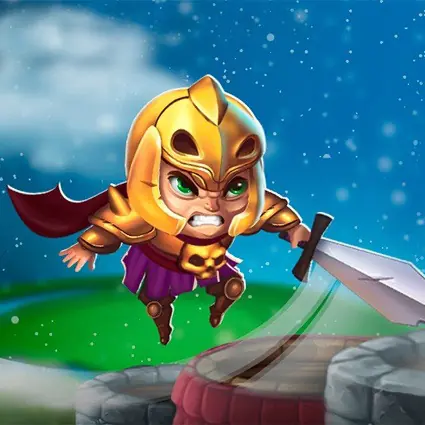
Welcome to Knight – Stack Jump, a hyper-casual Unity 2D game by Game-Ace
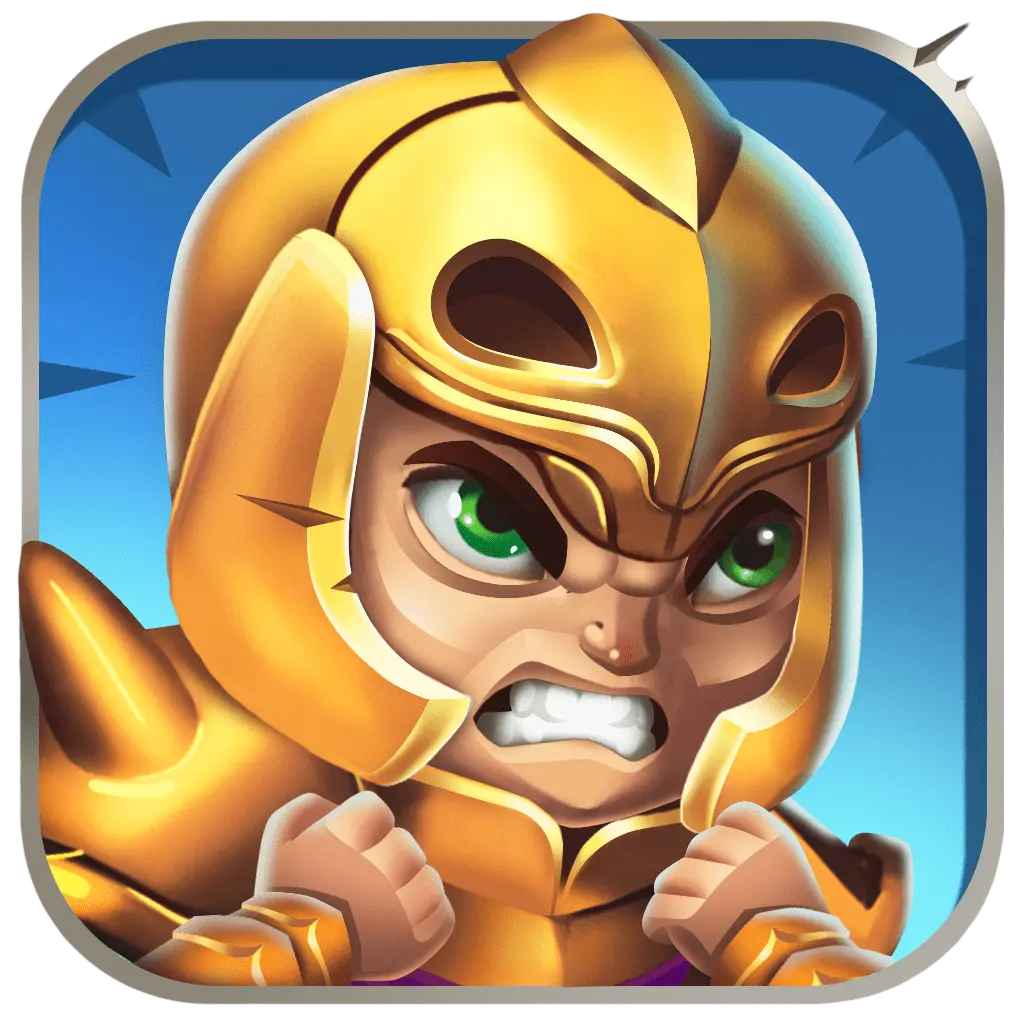
Knight – Stack Jump is a hyper-casual mobile game for iOS and Android where the player stacks jumps to build a tower as high as possible. Game-Ace built it as a foray into the hyper-casual market, with Unity, Adobe tools, and SPINE, hitting the core pillars: instant load, one-touch input, a fail state that resets fast.
When to talk to Game-Ace about hyper-casual game development
The right time to reach out is before the second week of prototyping, not after a failed publisher pitch. Early involvement lets our team shape mechanic choice, capture-video framing, and analytics wiring around what publishers actually sign in the current market.
Game-Ace works across three engagement models on hyper-casual and casual titles: full-cycle from concept to soft-launch, co-development with your internal team, and dedicated developers embedded into your pipeline. Related landing pages: casual game development. Deeper reading: how long does it take to make a mobile game, mobile game design, and playable ads.
If a hyper-casual title is part of your roadmap, Game-Ace’s custom game development studio handles full-cycle production, co-development, and team extension from a single 120+ specialist team.
 How MetaHuman changes game character development
  Game development for startups: budget and MVP guide
 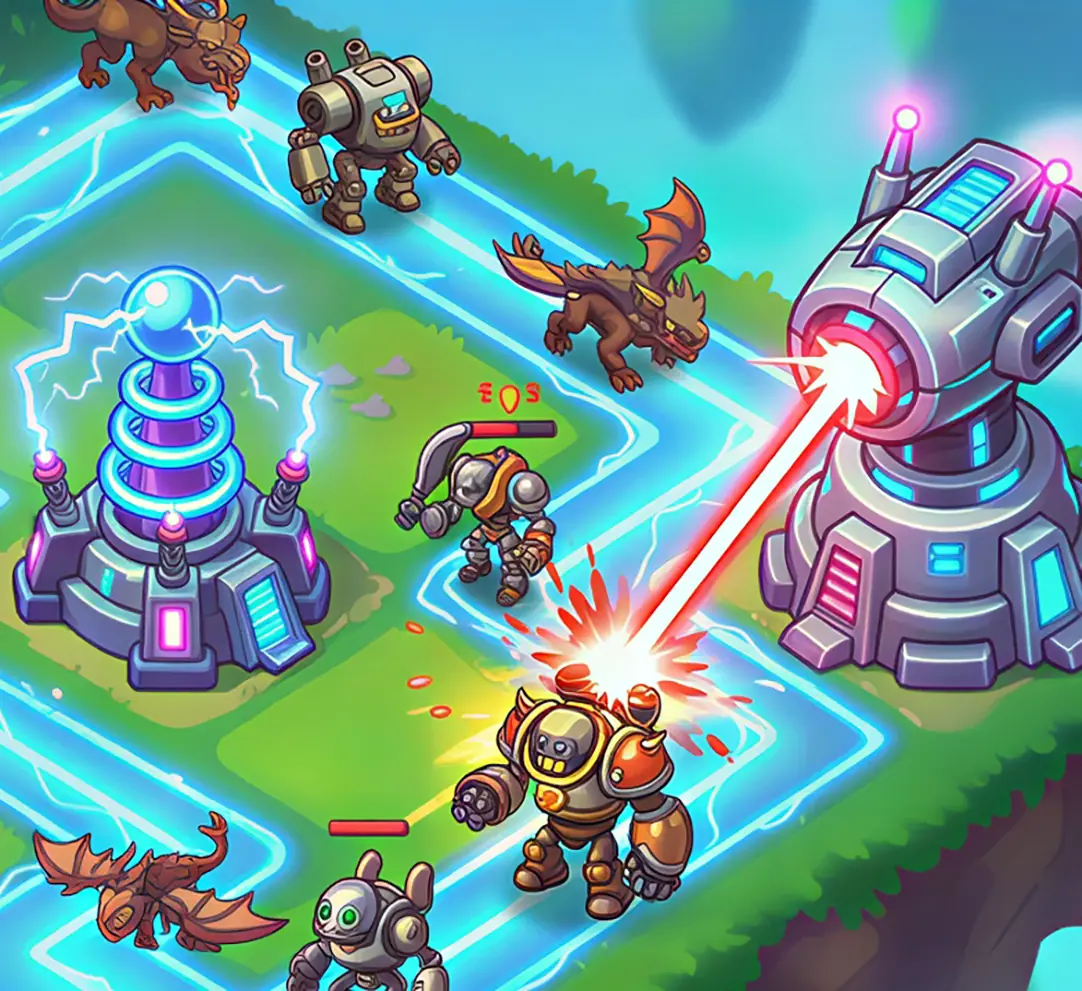 Engineering tower defense games from prototype to live service
 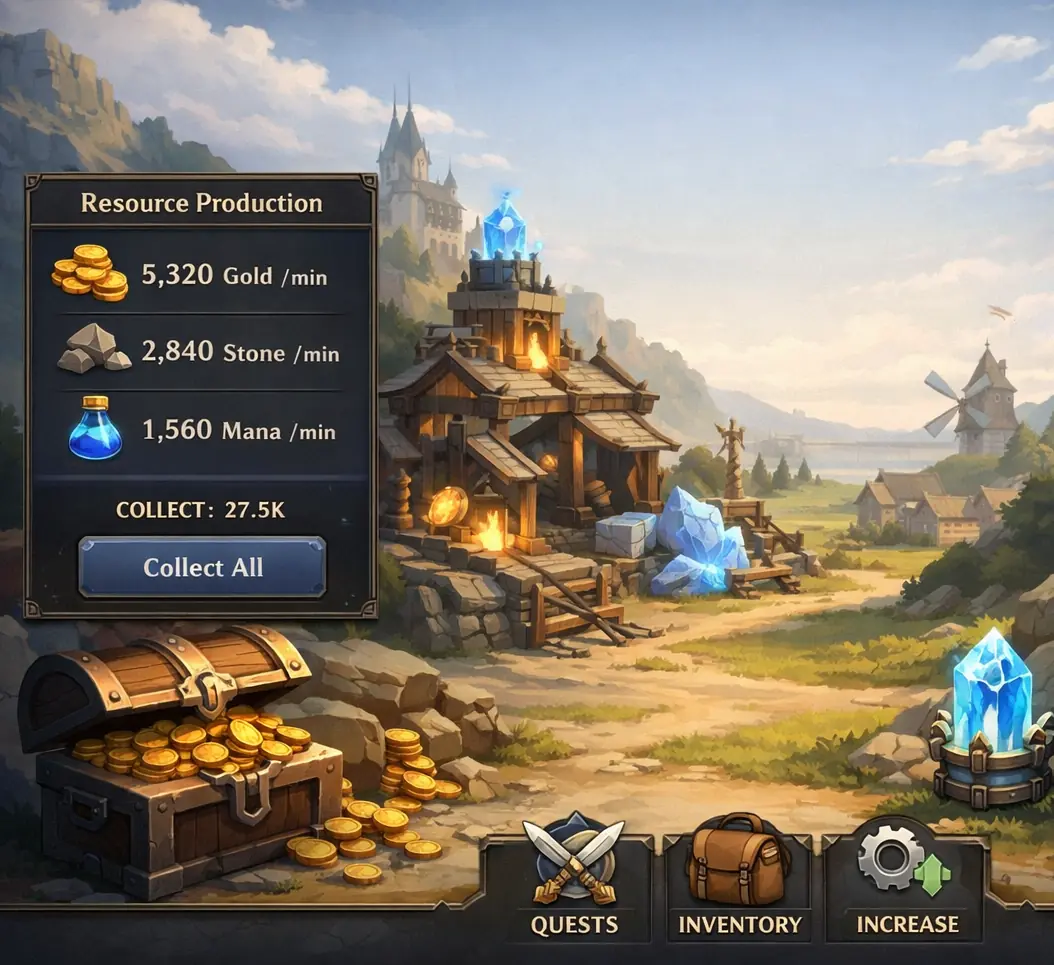 Idle game development: a full production guide
  Gamification in recruitment: what actually works