RPG Game Development

Game-Ace develops RPG games across action and tactical formats for PC and mobile, covering full-cycle production from world-building and combat systems through QA and post-launch support. Delivery models include full-cycle development, co-development on established titles, and team extension for studios scaling production. All source assets and code transfer to the client.

Discuss Your RPG Project
Forbes Technology Council badge
Game-Ace TopDevelopers top mobile game developers badge
Game-Ace Epic MegaGrants recipient badge
Game-Ace Unity Certified Developer badge
Game-Ace IAOP Global Outsourcing 100 recognition badge
Game-Ace top AR VR development company gaming 2026 Clutch

RPG Development Services

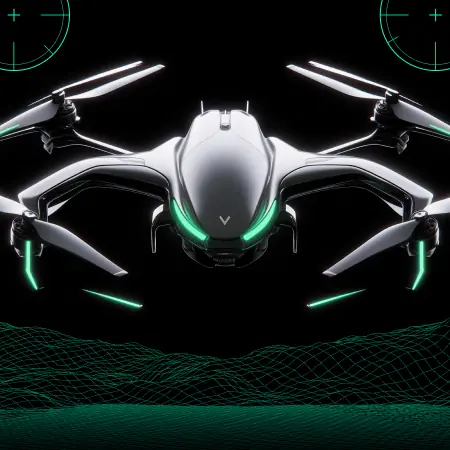
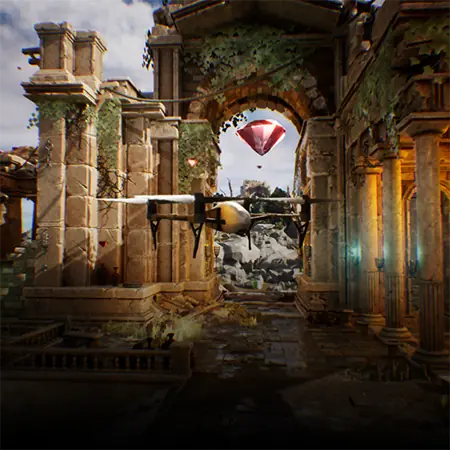
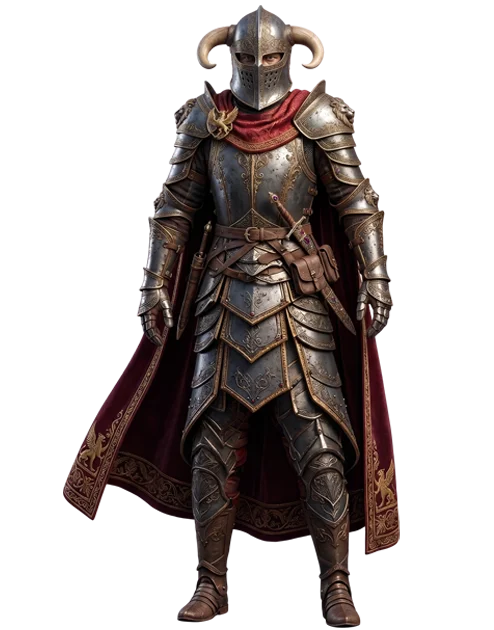
Action RPG combat system development with real-time mechanics

Action RPG Development

Real-time combat systems, ability trees, enemy AI, and loot mechanics for fast-paced action RPG titles on PC and mobile.

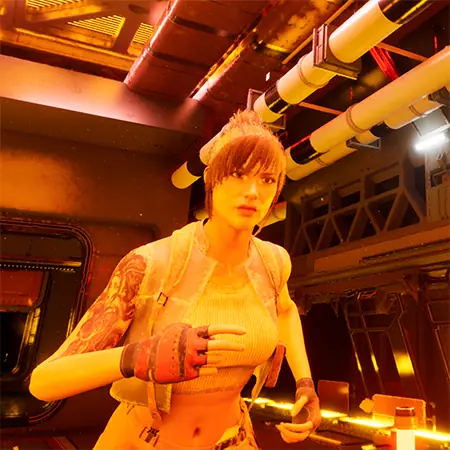
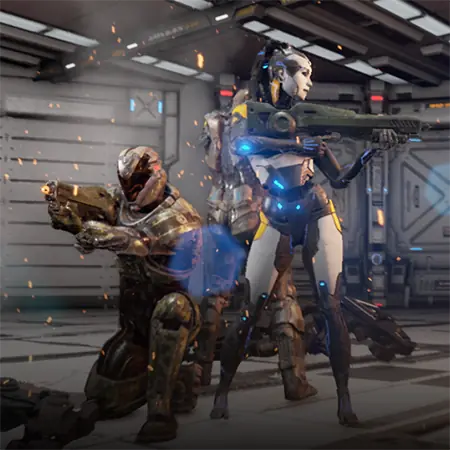
Tactical RPG turn-based grid combat system

Turn-Based and Tactical RPG

Turn-based combat systems, tactical grid design, party management, and encounter balance for classic and modern RPG formats.

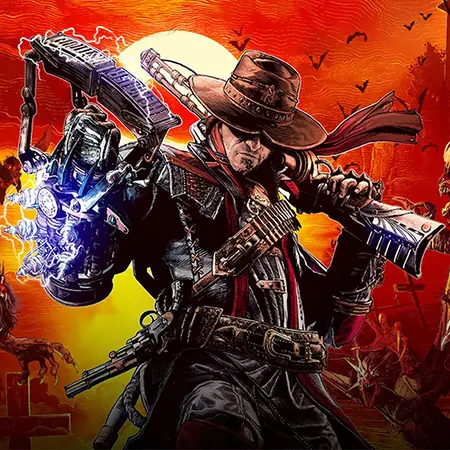
Open-world RPG environment and exploration system design

Open-World and Exploration Design

Open-world structure, exploration systems, dynamic world events, fast travel, and map systems for expansive RPG environments.

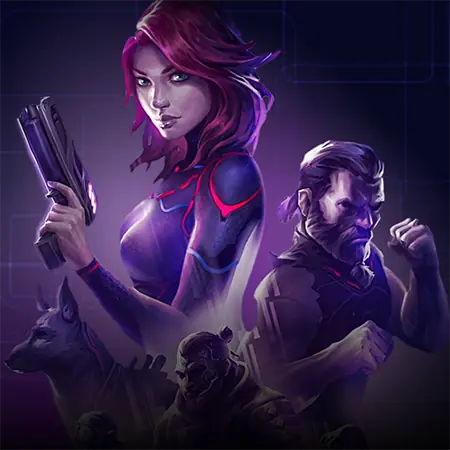
RPG quest design branching dialogue tree and narrative structure

RPG Narrative and Quest Design

Story structure, branching quest systems, dialogue trees, character arcs, and lore documentation.

RPG character and environment art production for a 3D game

RPG Art and Character Production

Character models, environments, creatures, weapons, and VFX built to engine specs for Unity and Unreal Engine RPG projects.

RPG combat and ability system design diagram

Combat and Ability Systems

Character stat systems, ability design, status effects, elemental interactions, and progression trees.

RPG game economy crafting and loot table system

Game Economy and Crafting Systems

Item databases, crafting mechanics, loot tables, shop systems, and economic balance for RPG progression economies.

Multiplayer RPG co-op and party play back-end system

Multiplayer RPG Features

Co-op systems, party play, guild mechanics, and back-end infrastructure for multiplayer RPG titles.

RPG game QA testing and post-launch live operations support

QA and Post-Launch Support

RPG-specific QA covering quest logic, economy exploits, progression bugs, and live content delivery for post-launch operations.

Game-Ace at a Glance

2005 Founded

More than two decades in game development.

120+ Specialists

In-house production team across key disciplines.

200+ Games

Delivered across selected game genres.

Full-Cycle RPG Production Capability

Game-Ace handles full in-house production across RPG projects, from engineering and art through QA and post-launch. Combat and progression systems are standard delivery scope, not specialist add-ons. With 200+ delivered games and more than two decades of production experience, our team has the depth to handle complex RPG systems without requiring subcontracted specialists for standard genre requirements.

Co-development for Established RPG Titles

Our teams integrate into existing client pipelines for established RPG titles, maintaining design vision while extending production capacity. Co-development engagements start with a technical review of the existing codebase and asset pipeline before any changes are made. Work runs in defined branches with agreed integration checkpoints and full source control access for the client throughout.

Planning an RPG project? Tell us about your genre, target platform, and production stage.
Get a Project Estimate

Why Studios Choose Game-Ace for RPG Development

Full-cycle production capability with in-house combat and narrative specialists.

  1. Full-cycle RPG production capability. Game-Ace handles game design, engineering, art, and QA in-house. No specialist outsourcing is required for standard RPG development scope.
  2. Complex systems experience. Combat, ability, economy, and progression systems are standard delivery scope, not specialist add-ons. We develop and balance these systems on every RPG engagement.
  3. Co-development-friendly team structure. Our teams integrate into existing client pipelines for established RPG titles, maintaining your design vision while extending production capacity.
  4. Engine-agnostic delivery. RPG projects are developed in Unity or Unreal Engine based on your technical requirements, platform targets, and visual fidelity budget.
  5. Full IP transfer and NDA. All source code, game systems, art assets, and design documents transfer to the client at project close. NDA is standard from day one.
Benefits bg 4

RPG Game Development Cost

A mid-scope RPG at Game-Ace starts from €200,000 for a focused single-player title with core combat and narrative systems. Open-world RPGs, multiplayer features, or titles targeting multiple platforms move into the €500,000–€1,200,000+ range. Pricing depends on scope, team size, and art complexity, estimated after GDD review.

Our clients trust us

Unity logo Wargaming logo Bigpoint logo Namco logo Hopster logo Kalypso media logo

RPG Development Process

1.
GDD Review and Scope Definition

We review your game design document or concept brief to define system scope, team composition, and timeline.

2.
Technical Architecture and Pre-Production

Engine setup, core system architecture, art pipeline, and production tooling are validated in pre-production before full development begins.

3.
Core Systems Development

Combat, progression, quest, economy, and AI systems are built and iterated in sprint cycles with regular playable milestones.

4.
Art and Environment Production

Character art, environments, creatures, VFX, and UI are produced in parallel with engineering sprints.

5.
QA and Platform Certification

Functional, regression, performance, and platform certification testing covers all target platforms before release.

6.
Launch and Post-Launch Support

Post-launch support covers bug fixes, balance updates, DLC pipeline, and live content delivery.

Core systems are validated in playable prototypes during pre-production to prevent costly redesigns mid-project.

RPG Game Project Deliverables

RPG game development deliverables overview

The Game-Ace RPG handover includes source code, systems documentation, art assets, and platform builds at project close, with handover materials for live operations and content expansion.

  1. Game Design Document. Full GDD covering all core systems, narrative structure, economy, and platform requirements.
  2. Core game systems. Implemented combat, ability, progression, quest, and economy systems with balance documentation.
  3. Art asset library. Characters, environments, creatures, weapons, VFX, and UI assets built to engine spec.
  4. QA reports and test coverage. Functional, regression, and platform certification test reports for all target platforms.
  5. Build and deployment pipeline. CI/CD pipeline, build scripts, and store submission package for each target platform.
  6. Source code and documentation archive. Full source code, asset library, system documentation, and IP transfer at project close.
Play button

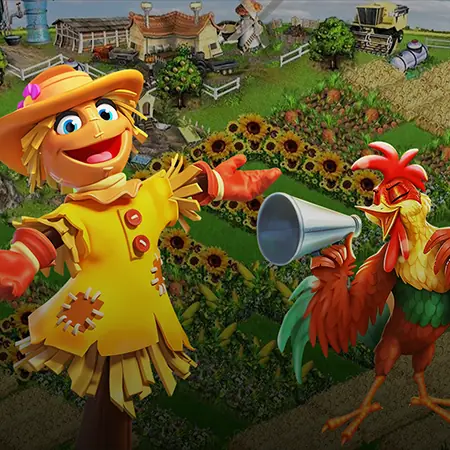
Nomadland — Fantasy NFT RPG Game Development Project by Game-Ace

  • Nomadland, a versatile RPG game with an in-built NFT ecosystem, immerses players into the fantasy world for exploring, fighting monsters, and developing their own farms. Thought-through narrative, tech proficiency, and usage of cutting-edge technologies like blockchain and NFT allowed us to create an exciting RPG game for genre fans.
Learn More

They Trust Us 

Testimonials 

Stuart lewis smith avatar
Stuart Lewis-Smith Senior Vice President at GSN Games

GSN Games is one of the global leaders in mobile social casino games.

Program-Ace and GSN Games have been working closely together on the development of several online games.

Alexandre martel avatar
Alexandre Martel 3Mind Games, CEO

Game-Ace’s support was integral to the success of this project. Without them, the client wouldn’t have been able to complete the work on time.

They were responsive and their work was high quality – the client rarely had to share constructive criticism.

Ralf baumann avatar
Ralf Baumann WHOW Games GmbH, COOv

Game-Ace has successfully integrated with the in-house development team and has earned more responsibility as the engagement has prospered.

By quickly adapting to a sophisticated technology stack, they have helped to increase product quality and reduce an extensive task backlog.

Frequently Asked Questions

Single-player action RPGs typically take 18–30 months from GDD sign-off. Larger open-world titles or multiplayer RPGs require 3–5 years. Production time depends on scope, team size, and content volume.

Both engines support RPG development. Unity suits mobile RPGs, cross-platform targets, and projects prioritising iteration speed and a mature 2D/3D toolset. Unreal Engine 5 is the stronger choice for high-fidelity 3D RPGs on PC and console where Nanite geometry and Lumen lighting are in scope. Engine choice is confirmed at project start based on your platform targets and visual requirements.

Combat systems are prototyped in pre-production against the GDD spec, often in Unity or Unreal Engine depending on the target stack. Core mechanics, ability interactions, enemy AI, and feel parameters are validated in a playable prototype before full production begins, which prevents costly redesigns mid-project. Balance passes run throughout production with regression testing on every milestone build, not just in final QA.

Game-Ace has worked across a range of RPG formats, with production scope and team composition adjusted per sub-genre:
  • Action RPG: Real-time combat, dodge mechanics, and responsive enemy AI systems.
  • Tactical RPG: Turn-based grid combat, party management, and encounter design.
  • JRPG-style: Linear narrative, turn-based battles, and character progression trees.
  • Open-world RPG: Exploration systems, dynamic events, crafting, and open quest structures.
Sub-genre determines which systems require the most design and engineering investment, and this directly shapes team composition, sprint structure, and the overall scope estimate we prepare at project start.

Co-development engagements start with a technical review of the existing codebase, asset pipeline, and GDD, performed under NDA before scope is finalised. Our team works in defined branches with agreed integration checkpoints and CI alignment against your build server. Client teams retain full source control access throughout. Scope, velocity, and communication cadence are set at kick-off and reviewed at each milestone.

RPG QA covers quest logic validation, progression state testing, economy exploit checks, combat balance regression, and platform certification testing. Test plans are written against the GDD to ensure systematic coverage of all game systems.
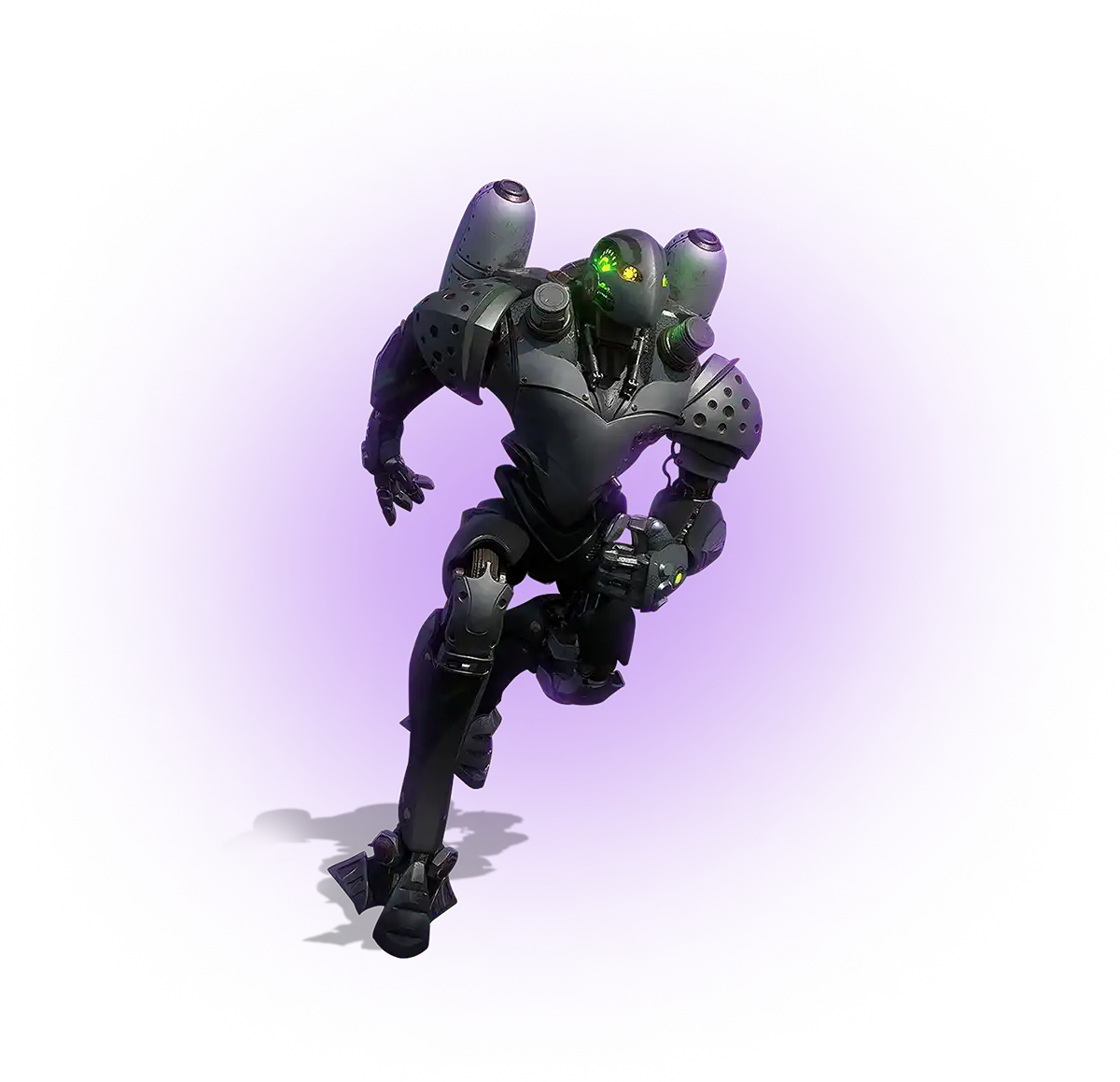
Futuristic game robot running through a purple portal
Get in touch
menu
Get in touch
Game-Ace logo loader