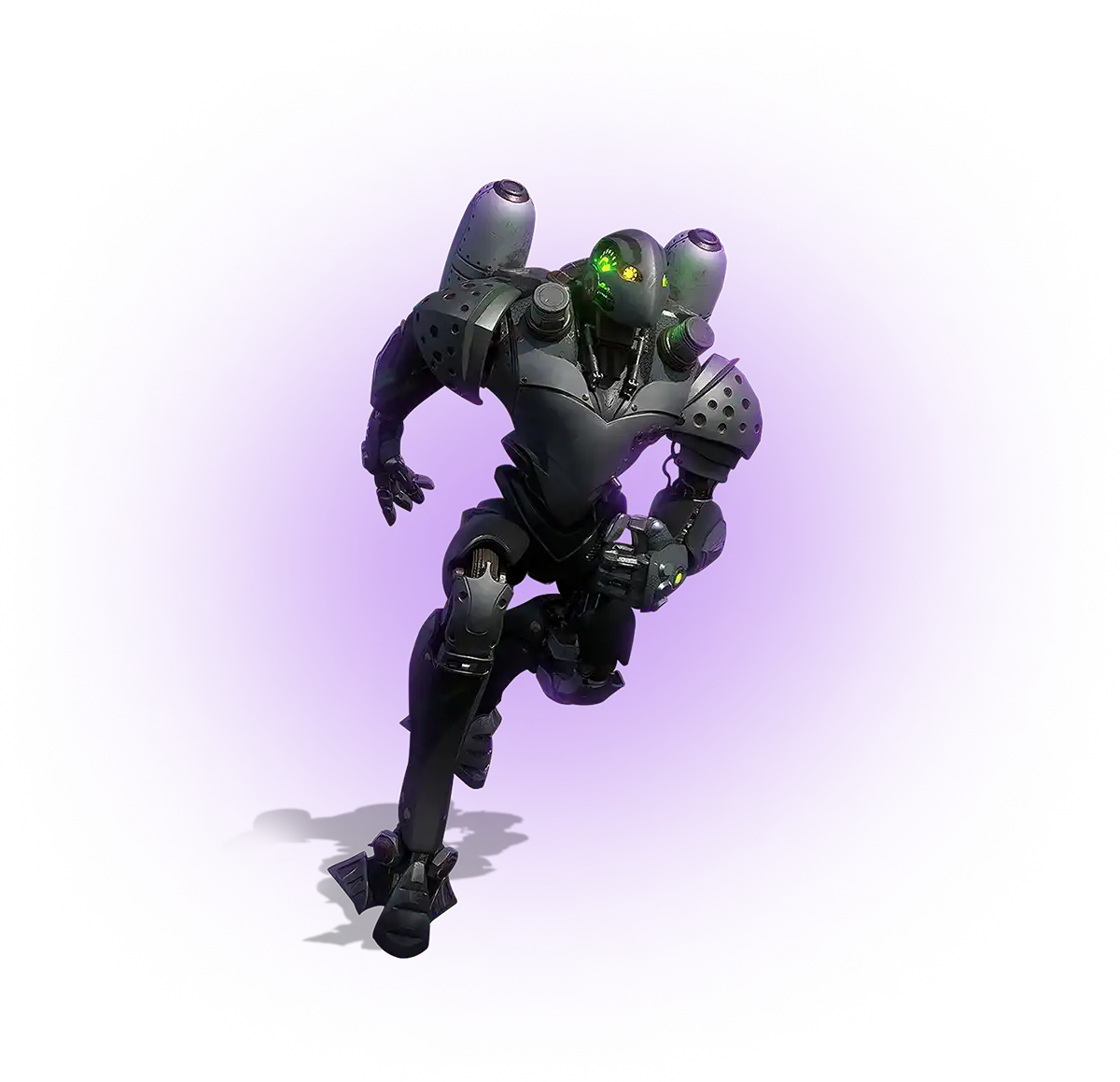
PC game development

Game-Ace develops PC games for Steam and desktop across action, RPG, strategy, and multiplayer genres. We handle full-cycle production from GDD through engineering, art, QA, and Steam delivery, with co-development available for studios needing specialist capacity on specific systems. NDA and full IP transfer apply across every engagement.

Discuss your PC game project
Forbes Technology Council badge
Game-Ace TopDevelopers top mobile game developers badge
Game-Ace Epic MegaGrants recipient badge
Game-Ace Unity Certified Developer badge
Game-Ace IAOP Global Outsourcing 100 recognition badge
Game-Ace top AR VR development company gaming 2026 Clutch

PC game development services

Full-cycle PC game development from GDD to Steam launch

Full-cycle PC game development

End-to-end production from GDD and prototype through engineering, art, QA, Steam submission, and post-launch support. Managed delivery with agreed milestones.

PC game design and prototype with core mechanic validation

PC game design and prototyping

Core mechanic design, system architecture, level design, and interactive prototype development to validate gameplay before full production investment.

Game-Ace at a glance

2005 Founded

More than two decades in game development.

120+ Specialists

In-house production team across key disciplines.

200+ Games

Delivered across selected game genres.

Steam as a delivery platform

Steam is the primary PC game distribution channel. Key requirements built into production scope include Steamworks SDK integration, DRM configuration, and achievement and leaderboard backends. Cloud save setup and the Steam review process are scoped from the start, not patched in before submission. Game-Ace has Steam delivery experience across single-player and multiplayer PC titles.

PC hardware range and performance

PC game performance must hold across a wide hardware range: from minimum spec integrated graphics to high-end dedicated GPU configurations. This means scalable graphics settings, adaptive resolution options, and a performance floor validated on minimum-spec hardware well before launch. Game-Ace builds performance budgets per hardware tier and tracks them as first-class requirements throughout the production cycle.

Have a PC game concept or in-progress project? Tell us about your engine and Steam targets.
Get a Project Estimate

Why studios choose Game-Ace for PC game development

More than two decades of PC and cross-platform production experience with full Steam delivery coverage.

  1. Steam production experience. Steamworks SDK, Steam Input, achievements, cloud saves, and the Steam review process are handled as part of production scope, not as post-development additions.
  2. Full engine coverage. Unity and Unreal Engine 5 PC development are both available in-house. Engine selection is based on your genre and performance requirements, not our tooling preference.
  3. Hardware-range performance. PC performance is validated against defined minimum and recommended hardware tiers throughout production, not only during final QA.
  4. Porting capability. Mobile, console, and browser titles can be ported to PC with adapted input systems, UI redesign for mouse and keyboard, and Steam feature integration.
  5. Full IP transfer and NDA. All source code, art assets, and deliverables transfer to the client at project close. NDA is signed before project details are shared.
Unity benefits

PC game development cost

A focused PC game at Game-Ace starts from €80,000 for a single-genre title with a small team and defined feature scope. Mid-scale PC games with multiplayer and Steam integration typically range from €200,000–€500,000+. Pricing depends on genre, feature count, art complexity, and milestone count, finalised after GDD review.

We Expertly Develop PC Games
of Any Genre

Arcade games icon

Arcade games

Action rpg games icon

Action & RPG games

Racing games icon

Racing games

Casino card games icon

Casino & Card games

Sport games icon

Sport games

Adventure games icon

Adventure games

Our clients trust us

Unity logo Wargaming logo Bigpoint logo Namco logo Hopster logo Kalypso media logo

PC game development process

1.
Concept and GDD

Genre, mechanics, platform targets, hardware requirements, and Steam delivery scope are defined. GDD and concept art establish the production reference.

2.
Prototype

Core loop, controls, and technical approach are validated in a playable prototype before full production is committed.

3.
Art and engineering production

Art assets, game systems, UI, audio, and Steam SDK integration are built in parallel sprints against agreed milestones.

4.
QA and performance testing

Functional, regression, and hardware-tier performance QA runs throughout production. Steam certification compliance is validated before submission.

5.
Steam delivery

Steam store page setup, build upload, review process navigation, and release day monitoring with hotfix capability.

6.
Post-launch support

Bug fixes, community feedback patches, DLC development, and performance updates delivered to Steam on agreed post-launch cadence.

Steam delivery requirements are built into production scope from the first sprint, not added at submission.

PC game project deliverables

PC game deliverables with Steam build source code and QA reports

Our team delivers a release-ready PC game with Steamworks-integrated build, source code, certification documentation, and full IP transfer at project close, ready for Steam or direct distribution.

  1. Steam build. Certified, release-ready Steam build with Steamworks integration, achievements, and cloud save configuration.
  2. Source code archive. Full project source with build scripts, dependency documentation, and version control history.
  3. Art source files. All art deliverables in source format including scene files, textures, and engine project files.
  4. QA reports. Functional, regression, and hardware-tier performance test reports for agreed minimum and recommended spec targets.
  5. Production documentation. GDD, technical specifications, Steam store assets, and sprint delivery reports.
  6. IP transfer confirmation. Written IP transfer covering all project output at project close.

They Trust Us 

Testimonials 

Stuart lewis smith avatar
Stuart Lewis-Smith Senior Vice President at GSN Games

GSN Games is one of the global leaders in mobile social casino games.

Program-Ace and GSN Games have been working closely together on the development of several online games.

Alexandre martel avatar
Alexandre Martel 3Mind Games, CEO

Game-Ace’s support was integral to the success of this project. Without them, the client wouldn’t have been able to complete the work on time.

They were responsive and their work was high quality – the client rarely had to share constructive criticism.

Ralf baumann avatar
Ralf Baumann WHOW Games GmbH, COOv

Game-Ace has successfully integrated with the in-house development team and has earned more responsibility as the engagement has prospered.

By quickly adapting to a sophisticated technology stack, they have helped to increase product quality and reduce an extensive task backlog.

Frequently asked questions

Single-player PC games take 8–14 months from GDD to Steam launch. Multiplayer games with custom backend, co-op systems, or competitive features typically require 14–24 months. Scope, team size, and milestone count are the primary timeline drivers.

Both engines are viable for PC. Unreal Engine 5 is the stronger choice for games requiring high visual fidelity, Nanite geometry, or Lumen global illumination. Unity is better suited for games prioritising cross-platform reach, faster iteration cycles, or lower minimum hardware requirements. For multiplayer PC titles, both engines have mature networking solutions, though Unreal's Dedicated Server support is better tested at scale.

Steam delivery is handled as part of the production scope. Steamworks SDK integration, Steam Input API, achievement backend, cloud save configuration, and age rating submission are built during development. Store page assets, screenshots, and trailer are prepared before submission. The Steam review process and its common rejection triggers are checked by the team before the first submission to avoid revision cycles.
PC performance optimisation covers a defined hardware range agreed at project start. Standard approach includes:
  • Graphics presets: Low, medium, high, and ultra settings with individually configurable options for shadows, anti-aliasing, draw distance, and texture quality.
  • Dynamic resolution scaling: Adaptive resolution to maintain target frame rate on minimum-spec hardware without visual degradation on higher-end configurations.
  • CPU and GPU profiling: Per-frame analysis to identify bottlenecks on both low-end and high-end hardware during QA sprints, not only pre-launch.
Minimum and recommended hardware specs are tested against actual devices throughout production, not benchmarked theoretically and validated only at the end of development.

Post-launch support typically covers Steam patch delivery, community-reported bug triage and fixes, performance patch cycles, and platform compatibility updates when Windows or GPU driver changes cause regression. Support scope and duration are agreed before launch.

Multiplayer architecture depends on game type. Real-time competitive games use dedicated server infrastructure with authoritative game state. Co-op and session-based multiplayer can use peer-to-peer with host migration or lightweight relay servers. Steam's networking layer and matchmaking API are used where they fit the design; custom backend is built when Steam's tools do not meet the scale or feature requirements.
Futuristic game robot running through a purple portal
Get in touch
menu
Get in touch
Game-Ace logo loader