VR is a platform where a single frame rate dip or a poorly placed interaction point can break immersion entirely. Game-Ace builds VR projects with comfort and performance targets enforced from the first prototype, not patched in QA.



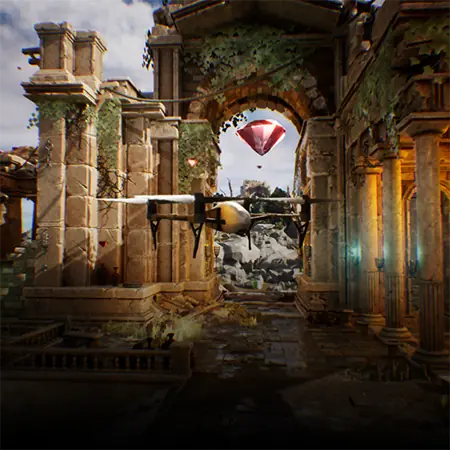
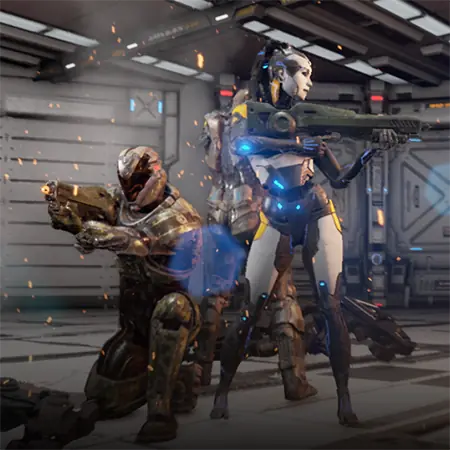
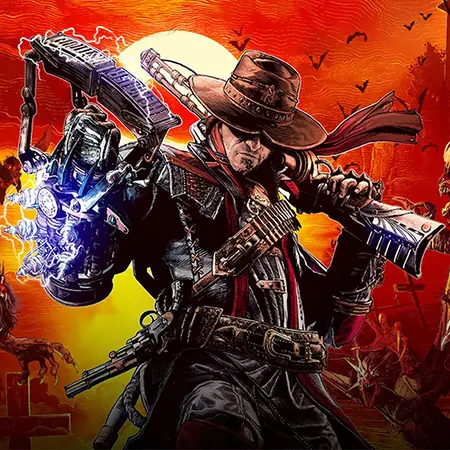
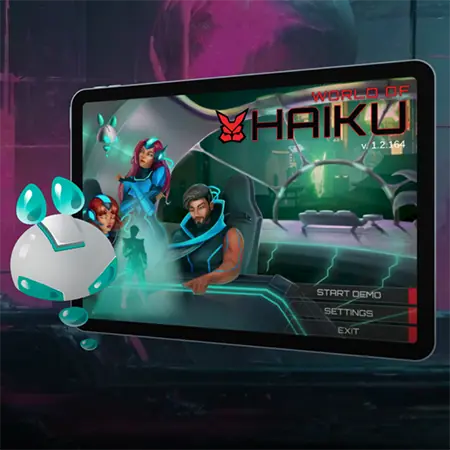
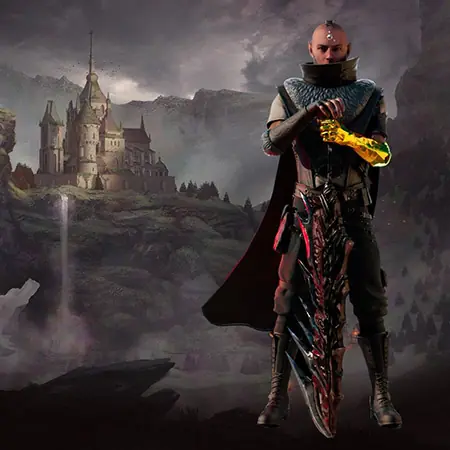
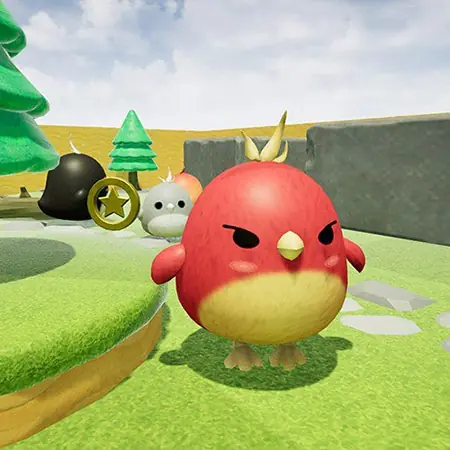

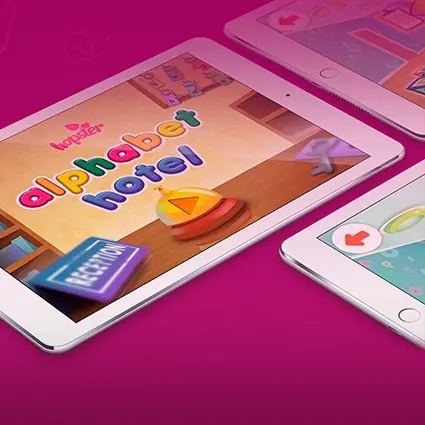





Game-Ace develops custom VR games and immersive experiences for entertainment studios and enterprise clients. We cover the full production cycle from concept through Unity and Unreal Engine development, art production, and QA.
Discuss your VR project




We build VR games for consumer entertainment, covering game mechanics, progression systems, interaction design, and optimisation for Meta Quest, PC VR, and PlayStation VR2.

We develop VR training simulators, safety walkthroughs, and skill-building scenarios for enterprise clients, with scenario scripting, branching logic, and performance tracking integration.

Standalone and mobile VR games developed for Meta Quest and smartphone-based VR, optimised for processing constraints, comfort guidelines, and interaction patterns specific to each device tier.

We handle SDK integration, store submission, controller mapping, and platform certification for Meta Quest, SteamVR, PlayStation VR2, and enterprise deployment environments.
More than two decades in game development.
In-house production team across key disciplines.
Delivered across selected game genres.
VR development requires different production constraints than conventional games. Frame rate must stay above 72 fps to prevent motion sickness, which puts hard limits on polygon counts and shader complexity. Interaction design in VR requires spatial thinking rather than screen-based UI conventions: comfort zones, arm reach, and gaze angles all affect how players engage with in-world systems. Game-Ace builds VR projects with these constraints defined before production starts, not discovered during QA.
Game-Ace develops VR projects across platforms that operate in consumer and enterprise markets: Meta Quest 2 and 3 (standalone and PC-linked), SteamVR for PC VR including Valve Index and HTC Vive, PlayStation VR2 for console audiences, and enterprise deployment environments for corporate training. Each platform has distinct technical constraints: polygon budgets and comfort guidelines, all defined at the GDD stage to avoid late-production rework.
Game-Ace brings full-cycle production experience and hardware-specific technical knowledge to every VR engagement.
VR game development at Game-Ace starts from €80,000 for a focused single-platform experience with defined interaction mechanics and core content. Full multi-platform productions with extensive environments or enterprise integration typically range from €150,000–€400,000+. Pricing depends on platform targets, content scope, and enterprise integration depth.
Get a Quote
Arcade games

Action & RPG games

Racing games

Casino & Card games

Sport games

Adventure games
We review your VR concept, target platforms, audience, interaction requirements, and technical constraints to define the project scope and select the right engine and delivery format.
We produce a game design document covering VR mechanics, interaction schemes, comfort guidelines, platform requirements, and content structure before 3D production begins.
We produce 3D environments, characters, props, and animations built to polygon and texture budgets that maintain target frame rates on each headset throughout production.
Developers implement VR mechanics, interaction systems, game state management, and platform SDK integrations in Unity or Unreal Engine, with frame rate targets enforced from the first build.
We run functional testing, comfort and motion sickness checks, performance profiling on target headsets, and platform certification requirements before submission.
We handle platform store submission, deliver all source assets and documentation, and provide ongoing support for platform OS updates, content additions, and performance maintenance.
VR is a platform where a single frame rate dip or a poorly placed interaction point can break immersion entirely. Game-Ace builds VR projects with comfort and performance targets enforced from the first prototype, not patched in QA.

Every Game-Ace VR engagement closes with platform builds, source code, headset compatibility records, and post-launch support documentation transferred to the client.













GSN Games is one of the global leaders in mobile social casino games.
Program-Ace and GSN Games have been working closely together on the development of several online games.

Game-Ace’s support was integral to the success of this project. Without them, the client wouldn’t have been able to complete the work on time.
They were responsive and their work was high quality – the client rarely had to share constructive criticism.

Game-Ace has successfully integrated with the in-house development team and has earned more responsibility as the engagement has prospered.
By quickly adapting to a sophisticated technology stack, they have helped to increase product quality and reduce an extensive task backlog.

Game-Ace is a custom game development studio, operating as a division of Program-Ace, a globally recognized software development company. Since 2005, our team has successfully delivered numerous 2D and 3D game projects. Our commitment to innovation, exceptional quality, and utmost customer satisfaction has firmly established Game-Ace as a trusted and reliable partner in the industry.