Tool and pipeline integration is agreed before the trial deliverable so the designer works within your existing workflow from day one.


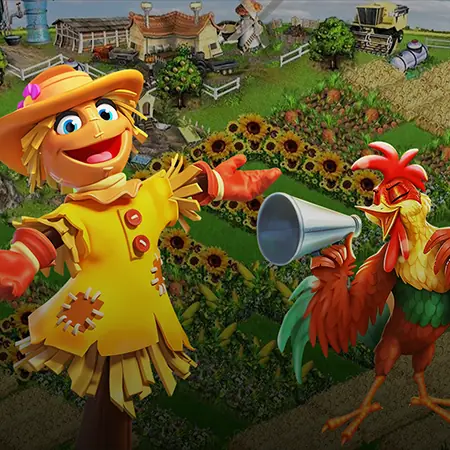
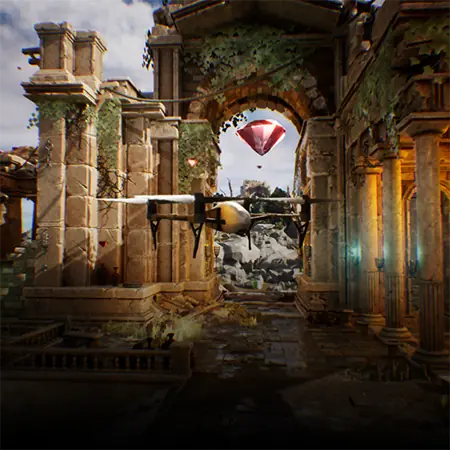
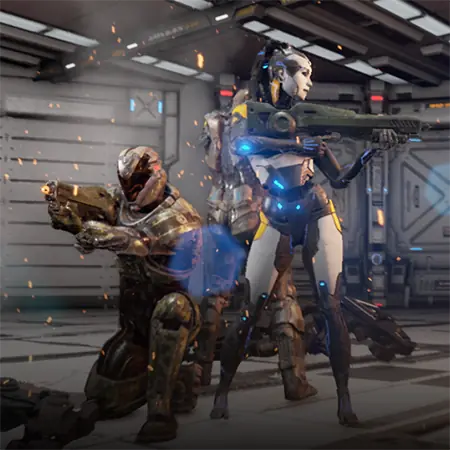
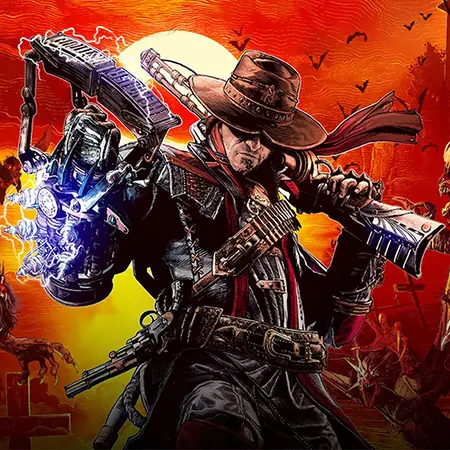
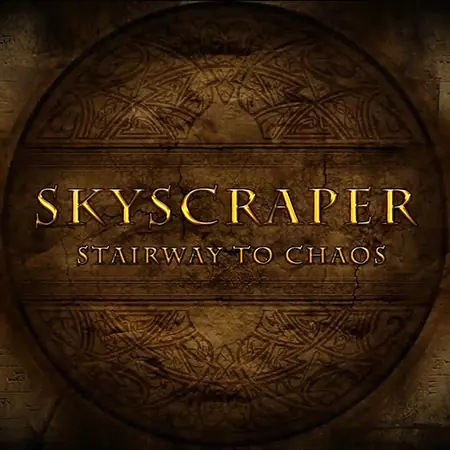
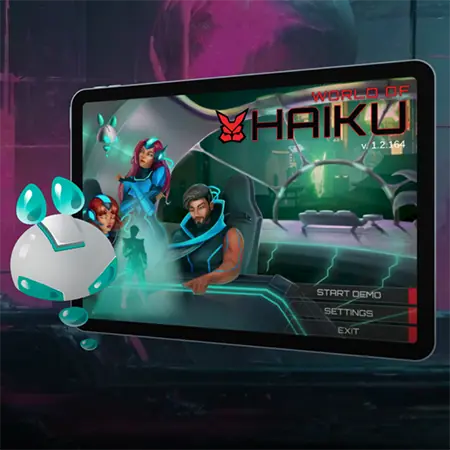
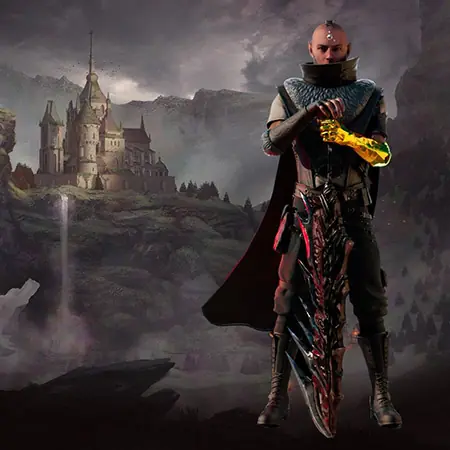
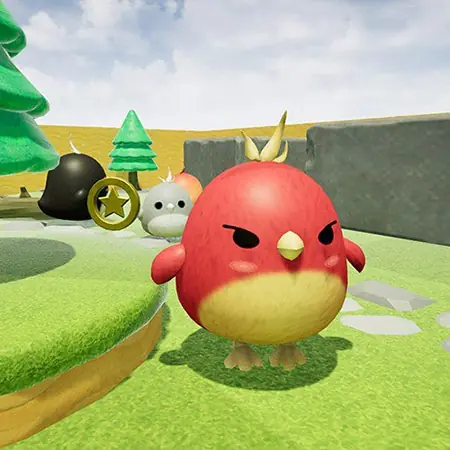
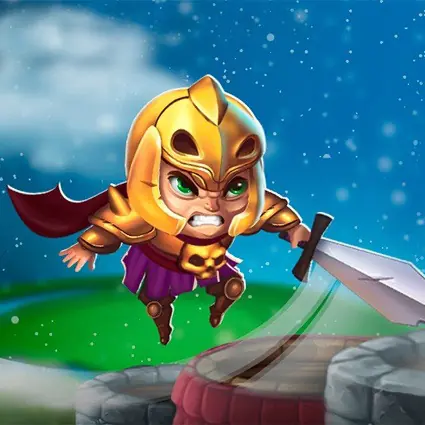
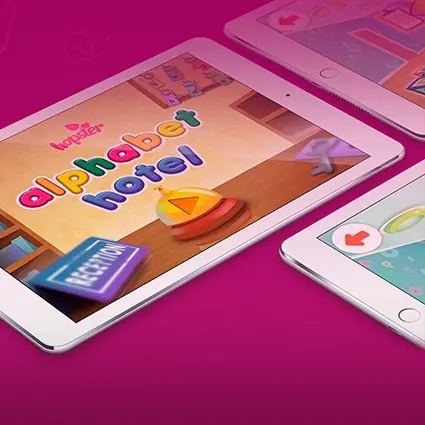
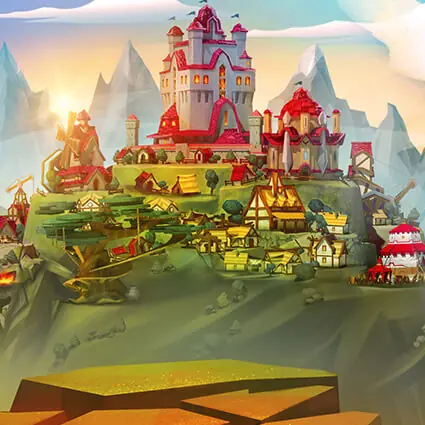

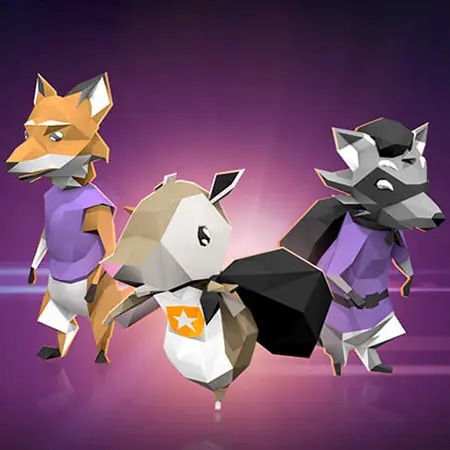




Game-Ace provides dedicated UI/UX designers for game interface design and engine integration across Unity and Unreal Engine. Specialists cover wireframes and style guides through to fully implemented in-engine UI systems, integrating into your pipeline with agreed tools, review cadence, and delivery formats. All design files transfer to the client and NDA is standard.
Hire UI/UX designers




Player journey mapping, navigation flow design, and friction identification based on your target player profile and session model.

UI implementation in Unity (uGUI, UI Toolkit) and Unreal Engine (UMG) with responsive behaviour, localisation support, and performance profiling.

Spatial UI layouts, diegetic interface design, and controller-mapped interaction flows for augmented and virtual reality game experiences.
More than two decades in game development.
In-house production team across key disciplines.
Delivered across selected game genres.
Game UI design requires knowledge of engine integration constraints, not just visual design skills. A UI that looks correct in Figma may not perform correctly in a game engine when layered over 3D scenes, animated backgrounds, or multi-resolution targets. UI/UX designers at Game-Ace understand both sides, which reduces back-and-forth between design and engineering during integration.
Designers work in Figma and Adobe XD for design and prototyping, and deliver directly into Unity or Unreal Engine. They adapt to your existing toolset and version control setup rather than requiring workflow changes. Naming conventions, component structure, and asset delivery format are agreed at brief stage and followed throughout production.
Engine integration expertise, flexible engagement, and pipeline-compatible delivery from in-house specialists.
Hiring a UI/UX designer from Game-Ace starts from €4,000 per month for a mid-level specialist. Senior game UI/UX designers with engine integration experience are priced higher depending on scope and platform count. Project-based design engagements are scoped and quoted by deliverable list, complexity, and timeline.

Arcade games

Action & RPG games

Racing games

Casino & Card games

Sport games

Adventure games
Design scope, platform targets, engine requirements, and existing style assets are reviewed before specialist matching.
Designers are matched based on genre, platform, engine experience, style fit, and availability.
A paid trial deliverable confirms style and technical standard alignment before full production begins.
Designer is set up in your version control, design tools, and communication systems within the first week.
Wireframes, visual designs, and prototypes are delivered in agreed review rounds with stakeholder feedback cycles.
Implemented UI assets and source files are delivered with documentation, component index, and naming conventions.
Tool and pipeline integration is agreed before the trial deliverable so the designer works within your existing workflow from day one.
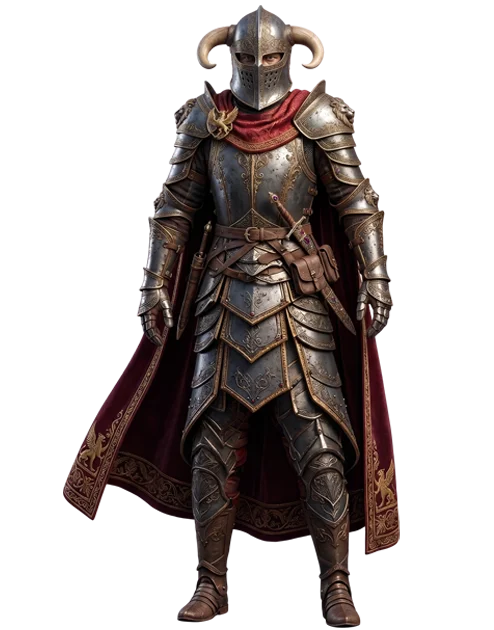
Game-Ace UI/UX designer engagements deliver source files, style guide documentation, interactive prototypes, and engine-ready assets at agreed milestones with full handover for in-engine integration.












GSN Games is one of the global leaders in mobile social casino games.
Program-Ace and GSN Games have been working closely together on the development of several online games.

Game-Ace’s support was integral to the success of this project. Without them, the client wouldn’t have been able to complete the work on time.
They were responsive and their work was high quality – the client rarely had to share constructive criticism.

Game-Ace has successfully integrated with the in-house development team and has earned more responsibility as the engagement has prospered.
By quickly adapting to a sophisticated technology stack, they have helped to increase product quality and reduce an extensive task backlog.

Game-Ace is a custom game development studio, operating as a division of Program-Ace, a globally recognized software development company. Since 2005, our team has successfully delivered numerous 2D and 3D game projects. Our commitment to innovation, exceptional quality, and utmost customer satisfaction has firmly established Game-Ace as a trusted and reliable partner in the industry.