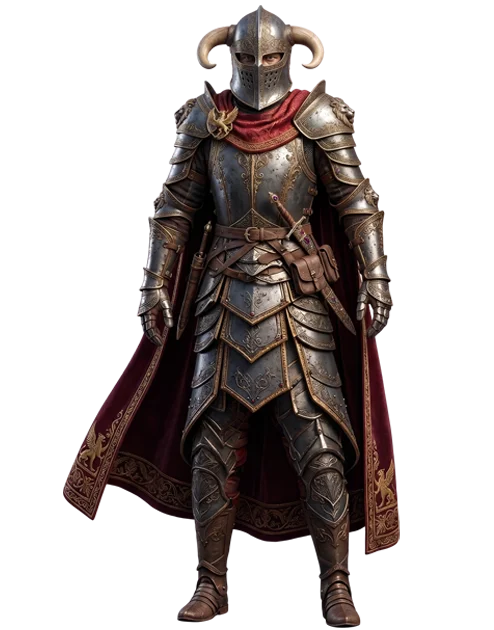
Game VFX services

Game-Ace creates game VFX for Unity and Unreal Engine, covering particles, character effects, and environment atmospherics. VFX is delivered as standalone outsourcing or as part of a full-cycle production, working with your existing art pipeline and engine setup. NDA is standard and all assets transfer to the client at engagement close.

Discuss your VFX needs
Forbes Technology Council badge
Game-Ace TopDevelopers top mobile game developers badge
Game-Ace Epic MegaGrants recipient badge
Game-Ace Unity Certified Developer badge
Game-Ace IAOP Global Outsourcing 100 recognition badge
Game-Ace top AR VR development company gaming 2026 Clutch

Game VFX services by type

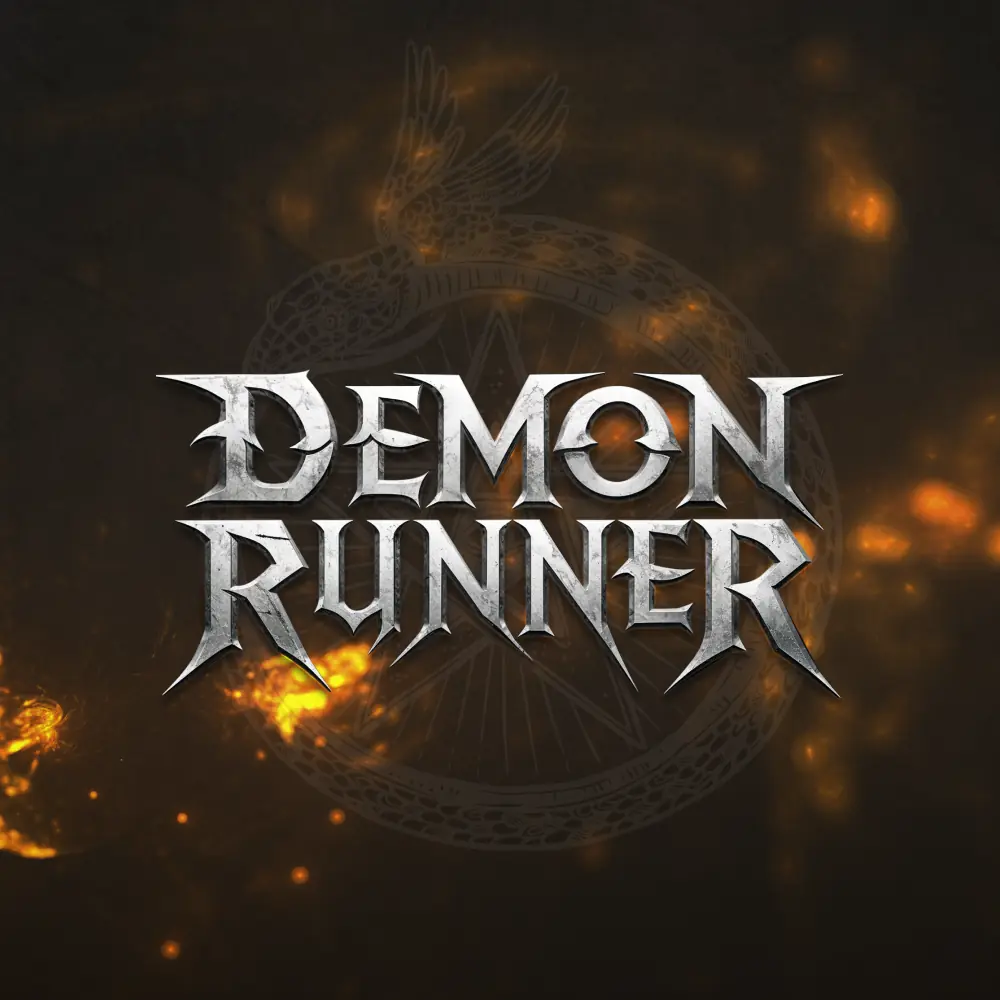
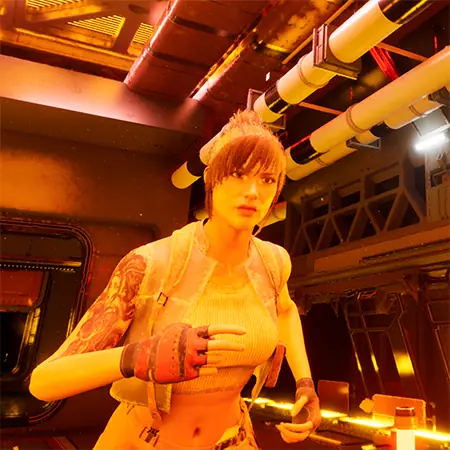
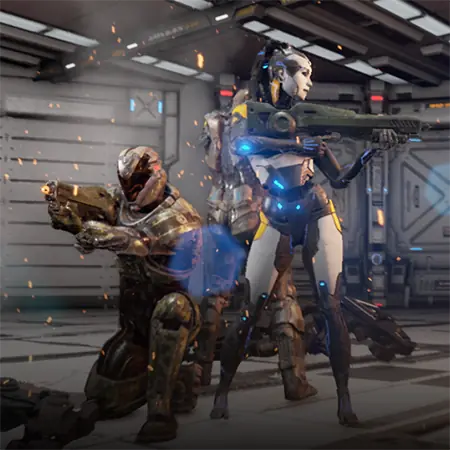
Real-time particle system VFX with fire smoke and explosion effects

Real-time particle systems

Unity VFX Graph and Unreal Niagara particle systems: fire, smoke, explosions, magic effects, projectiles, and hit reactions tuned to your frame rate budget.

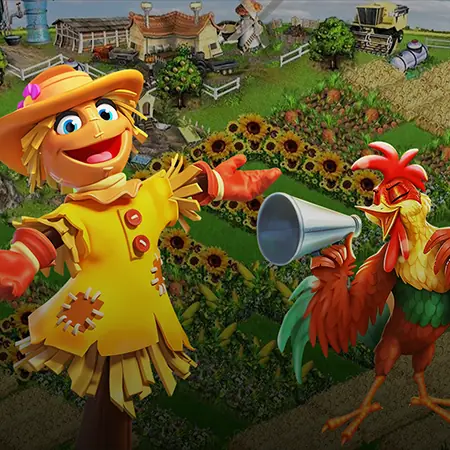
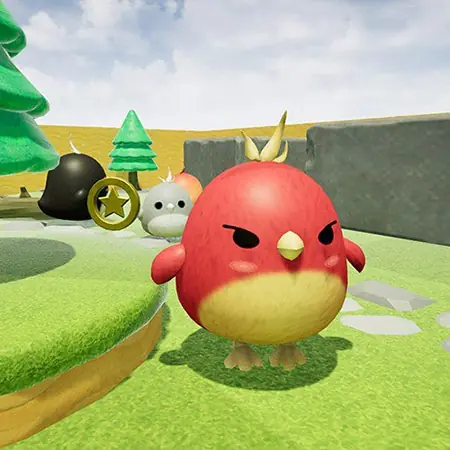
2D game VFX with sprite-based effect animations and Spine integration

2D visual effects

Sprite-based VFX for 2D games: frame-by-frame effect animations, Spine-integrated effects, UI feedback flashes, and ambient environment loops.

3D game VFX with mesh-based volumetric effects and distortion shaders

3D visual effects

Mesh-based VFX, volumetric effects, distortion shaders, and multi-pass post-process effects for 3D game environments and character interactions.

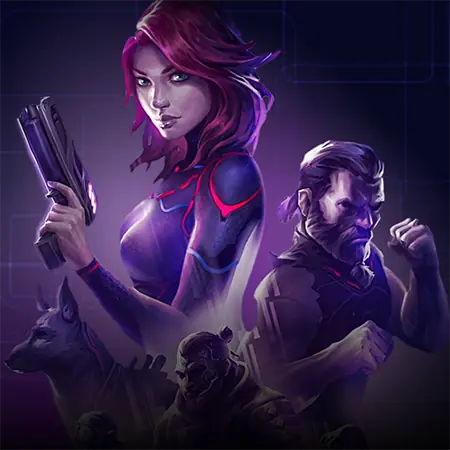
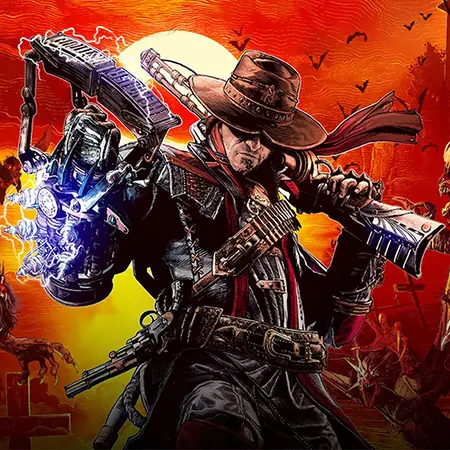
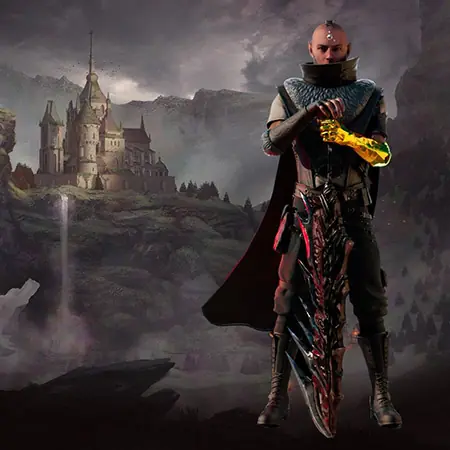
Character VFX with ability effects skill casts and damage feedback

Character VFX

Ability effects, skill casts, damage feedback, buffs and debuffs, and death effects attached to character rigs with correct timing against animation states.

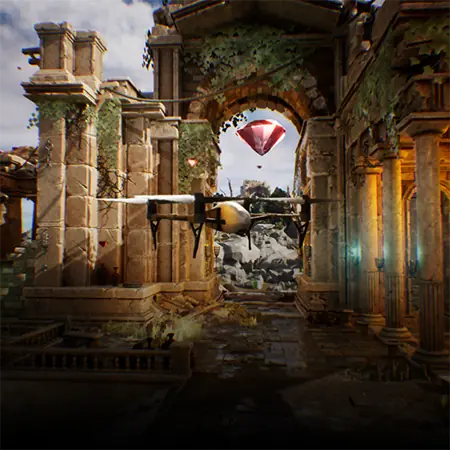
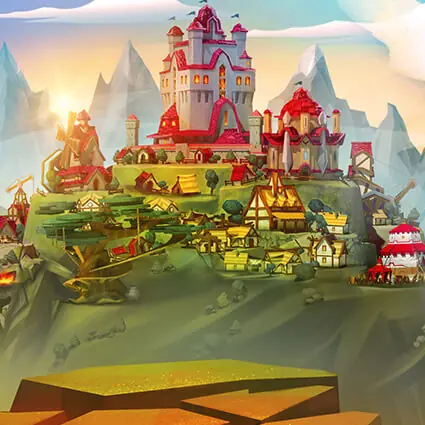
Environment VFX with weather systems fog volumetrics and ambient particles

Environment and atmospheric effects

Weather systems, ambient particles, fog and volumetrics, interactive surface effects, and destruction sequences for game environment immersion.

VFX integration into Unity and Unreal Engine with animation triggers and LOD

VFX integration

Engine-side integration of VFX assets into your Unity or Unreal project: event binding, animation state triggers, LOD configuration, and performance profiling.

Game-Ace at a glance

2005 Founded

More than two decades in game development.

120+ Specialists

In-house production team across key disciplines.

200+ Games

Delivered across selected game genres.

Real-time VFX and performance constraints

Real-time game VFX operate under strict performance constraints. Particle counts, overdraw, and draw call contribution all need to be managed against your frame rate target and platform budget. Game-Ace VFX artists work within agreed GPU budgets from the start of production, not as a post-integration optimisation pass. Effects are tested against your actual build, not reviewed in isolation in the content creation tool.

VFX outsourcing that fits your pipeline

VFX outsourcing works best when the integration process is defined clearly at the start. Game-Ace VFX artists work from your style guide, effect reference sheets, and engine project. Delivery format, naming conventions, and event binding approach are agreed before work begins. This removes the most common cause of rework: effects that look correct in isolation but do not fit the visual language or technical setup of the receiving project.

Need VFX for your game? Share your engine and effect types.
Discuss Your VFX Needs

Why studios outsource VFX to Game-Ace

Real-time VFX production with game engine integration expertise and defined performance budgets.

  1. Engine integration expertise. VFX assets are delivered ready for your Unity VFX Graph or Unreal Niagara setup, with event binding, animation state triggers, and LOD configuration included.
  2. Performance budget management. Effects are developed within agreed GPU and draw call budgets from the start. Overdraw, shader complexity, and particle count are tracked throughout production, not discovered at integration.
  3. All VFX types in one team. Particles, shaders, 2D sprite effects, 3D mesh effects, character VFX, and environment atmospherics are all produced in-house without subcontracting to specialist freelancers.
  4. Style guide compliance. Effects are created from your reference sheets and art direction, not from generic VFX libraries. Visual language consistency across effect types is reviewed at each milestone.
  5. Full IP transfer and NDA. All VFX assets, shader source files, and project files transfer to the client at delivery. NDA is signed before project details are shared.
vfx benefits

Game VFX production cost

VFX outsourcing at Game-Ace is typically priced per asset or as a monthly engagement. Individual effect sets start from €1,500 per effect depending on complexity. A dedicated VFX artist on a monthly engagement starts from €5,000 per month. Full VFX production for a mid-scale game typically ranges from €25,000–€80,000+.

We Expertly Create VFX for Any Genre

VFX in Arcade games icon

Arcade games

VFX in Action & RPG games icon

Action & RPG games

VFX in Racing games icon

Racing games

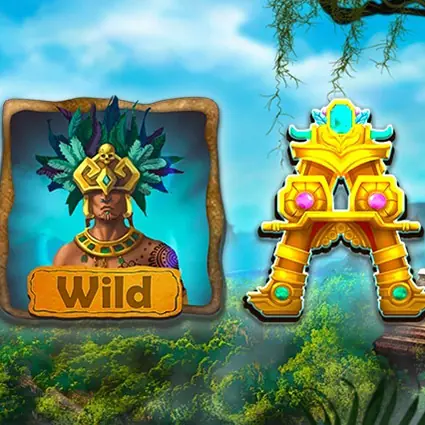
VFX in  Casino & Card games icon

Casino & Card games

VFX in  Sport games icon

Sport games

VFX in Adventure games icon icon

Adventure games

Our clients trust us

Unity logo Wargaming logo Bigpoint logo Namco logo Hopster logo Kalypso media logo

VFX production process

1.
Brief and reference review

Effect list, visual references, style guide, engine setup, and GPU budget are reviewed before any production work begins.

2.
Concept and style validation

Key effects are roughed out for client sign-off before full production. Colour palette, motion language, and intensity are approved at this stage.

3.
Effect production

Effects are produced in batches with regular review cycles. Each effect is validated against style guide and GPU budget before delivery.

4.
Engine integration

Assets are integrated into your project with event binding, LOD setup, and animation state triggers configured to your specifications.

5.
In-context review

Effects are reviewed running in your actual game build, not in the content creation tool. Adjustments based on in-context feedback are included in scope.

6.
Final delivery

Final assets are delivered with source files, shader documentation, and integration notes. IP transfer is confirmed at project close.

GPU budgets and effect specifications are agreed in writing before production begins.

VFX project deliverables

Game VFX deliverables with particle systems shaders and source files

Game-Ace prepares VFX handover with engine-ready assets, shader source files, particle system files, integration documentation, and performance profiling records transferred at project close.

  1. Engine-ready VFX assets. Unity VFX Graph or Unreal Niagara assets configured with event binding, LOD, and animation triggers.
  2. Shader source files. All HLSL/GLSL shader source with documentation for maintenance and modification.
  3. Texture and flipbook atlases. All VFX texture assets in source format with export configurations for target platforms.
  4. Integration documentation. Event binding setup, LOD configuration, and trigger mapping notes for each effect set.
  5. Performance data. GPU cost benchmarks per effect on agreed target hardware with overdraw and draw call contribution per asset.
  6. IP transfer confirmation. Written confirmation covering all VFX assets, source files, and project materials at delivery close.

They Trust Us 

Testimonials 

Stuart lewis smith avatar
Stuart Lewis-Smith Senior Vice President at GSN Games

GSN Games is one of the global leaders in mobile social casino games.

Program-Ace and GSN Games have been working closely together on the development of several online games.

Alexandre martel avatar
Alexandre Martel 3Mind Games, CEO

Game-Ace’s support was integral to the success of this project. Without them, the client wouldn’t have been able to complete the work on time.

They were responsive and their work was high quality – the client rarely had to share constructive criticism.

Ralf baumann avatar
Ralf Baumann WHOW Games GmbH, COOv

Game-Ace has successfully integrated with the in-house development team and has earned more responsibility as the engagement has prospered.

By quickly adapting to a sophisticated technology stack, they have helped to increase product quality and reduce an extensive task backlog.

Frequently asked questions

Game VFX production covers several distinct categories:
  • Particle systems: Fire, smoke, explosions, magic, weather, and ambient environmental particles built in Unity VFX Graph or Unreal Niagara.
  • Shader-based effects: Distortion, dissolve, outline, fresnel, and post-process effects using custom HLSL or GLSL shaders.
  • Character effects: Ability casts, hit reactions, buff and debuff states, and death effects bound to animation states.
  • Environment effects: Weather systems, volumetric fog, interactive surface effects, and destruction sequences.
Each category has different performance implications and integration requirements. Effect type and complexity are confirmed in the brief before production begins so GPU budget allocation is accurate from the first sprint.

Primary tools are Unity VFX Graph and Particle System for Unity projects, and Unreal Niagara for Unreal Engine. Houdini is used for simulations, destruction sequences, and complex flipbook generation. Adobe After Effects and Substance Painter handle texture atlases and sprite sheet production. Shader work is written in HLSL or GLSL directly or through ShaderGraph and Material Editor.

Integration is handled as part of the VFX scope, not left to the client. VFX assets are brought into your engine project with event binding mapped to your animation system, LOD distances configured to your render settings, and trigger points aligned to your game logic. Effects are reviewed in your actual build rather than in isolation so visual context and performance impact are both confirmed.

Mobile VFX require tighter constraints than PC. Particle counts are reduced, overdraw is minimised through carefully shaped emitter meshes, and texture atlas dimensions are kept within mobile VRAM limits. Shader complexity is validated on a defined low-end device target throughout production. Each effect is profiled in the GPU on the target device before delivery, not estimated from desktop performance data.

A single complex effect set takes 3–10 business days depending on type and iteration cycles. A full VFX production pass for a mid-scale mobile game typically runs 6–12 weeks. Timeline depends on effect count, complexity, iteration rounds, and whether integration is in scope. Projects with defined effect lists and style references move faster than open-ended briefs.

VFX outsourcing works within your existing pipeline: your engine project, naming conventions, and review cadence. Delivery batches and review checkpoints are scheduled to align with your sprint calendar.
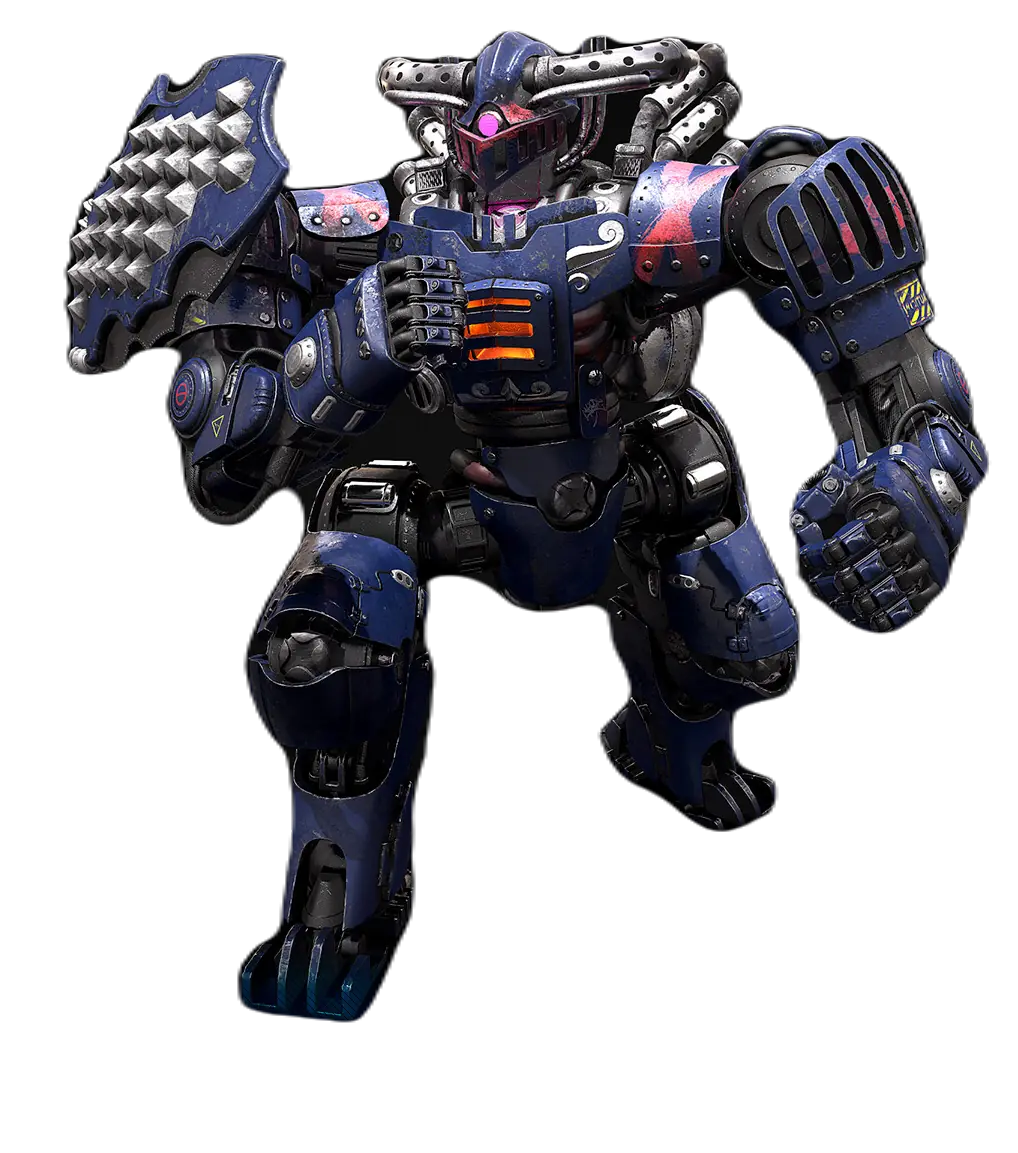
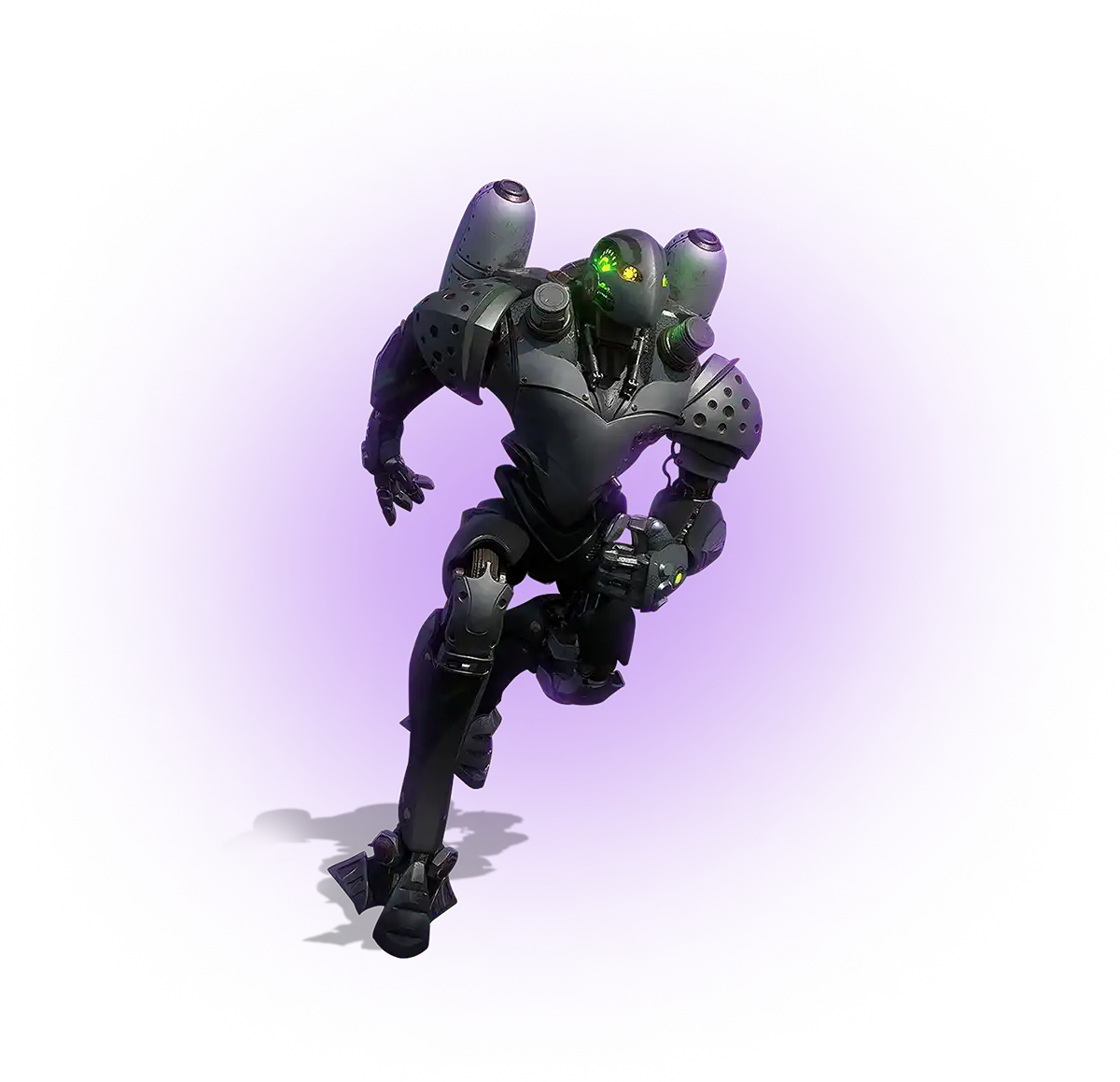
Futuristic game robot running through a purple portal
Get in touch
menu
Get in touch
Game-Ace logo loader