Unity's cross-platform pipeline only delivers consistent results when platform-specific requirements are part of the production process from day one. Game-Ace treats platform delivery as a production constraint, not a final step.


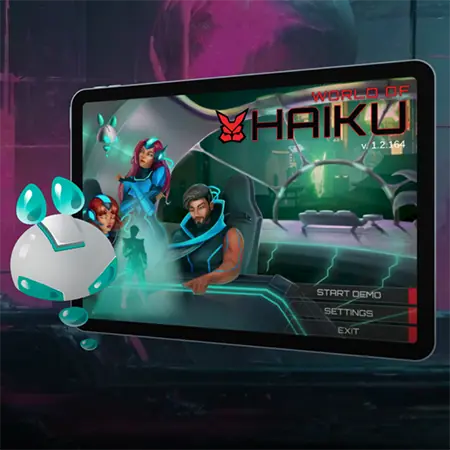
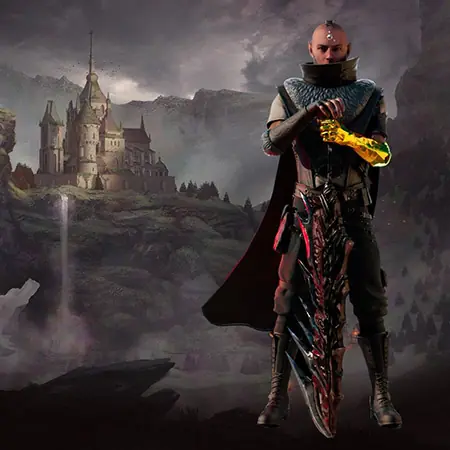
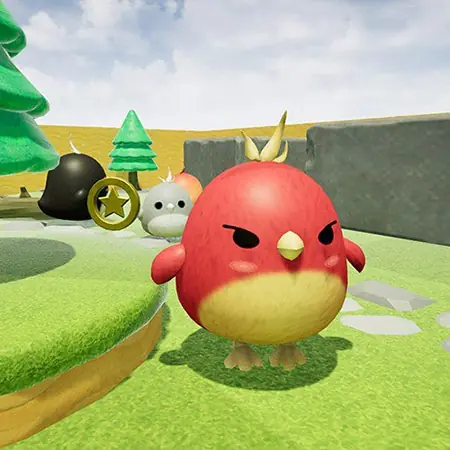
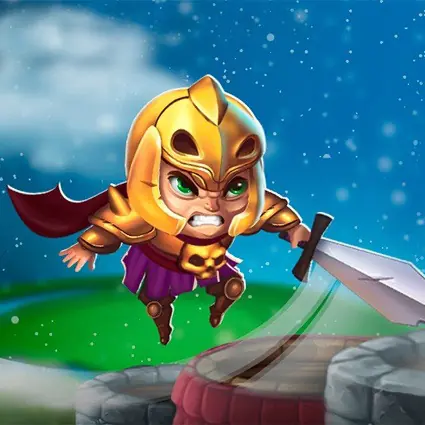
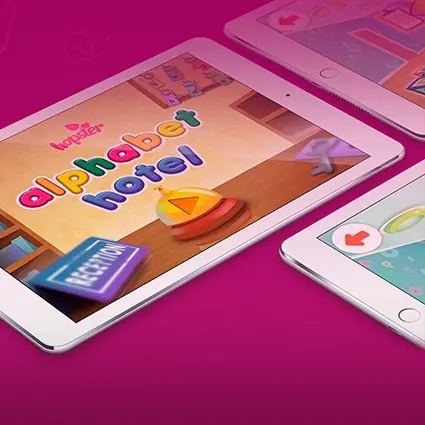
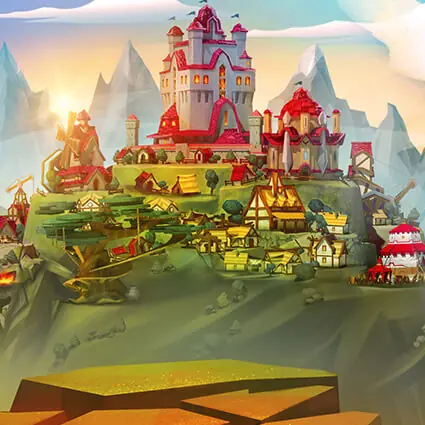

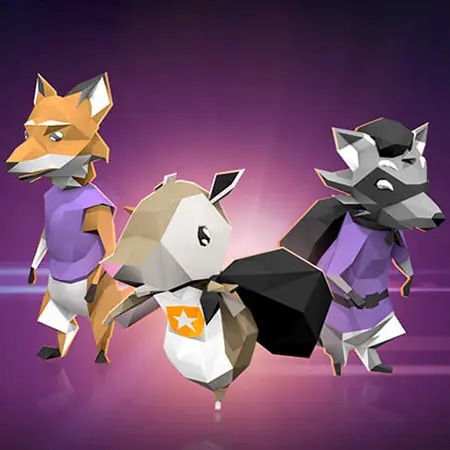




Clients can work with Game-Ace on Unity projects through full-cycle delivery, Team Extension, or Co-development. We cover GDD through C# programming, art production, QA, and platform delivery for studios building production-grade mobile and cross-platform titles. Game-Ace is a Unity Certified developer with NDA and full IP transfer included.
Discuss your Unity project


Unity's flexible pipeline supports both 2D sprite-based games and 3D titles with physically based rendering. We use each appropriately based on project requirements and target platforms.

Single Unity codebase delivering to mobile, PC, console, and web simultaneously, with platform-specific QA and store submission handled for each target during the production cycle.

We build AR applications and VR experiences in Unity using the XR Interaction Toolkit and platform-specific SDKs for Meta Quest, HoloLens, and mobile AR on iOS and Android.
More than two decades in game development.
In-house production team across key disciplines.
Delivered across selected game genres.
Unity's strength is its cross-platform reach and accessible tooling, which makes it the dominant engine for mobile game development and a strong choice for indie, casual, and mid-core productions. The Unity Asset Store, XR Interaction Toolkit, and active developer community lower the production cost for systems that would need custom implementation in other engines. For studios outsourcing Unity development, the practical question is not which engine to use, but whether the outsourcing partner's Unity workflow integrates cleanly with your asset pipeline and version control.
Game-Ace uses Unity across project types where the engine's tooling and cross-platform support provide a concrete advantage: mobile casual and mid-core games and VR/AR experiences. We cover both original production from GDD and co-development engagements where Unity specialists integrate into an existing team, at project scales from focused single-platform titles to large multi-discipline mobile platforms.
Game-Ace brings certified Unity expertise, full-cycle production capability, and cross-platform delivery experience to every Unity engagement.
Unity game development at Game-Ace starts from €40,000 for a focused mobile title with defined scope and mechanics. Cross-platform productions and VR builds typically range from €80,000–€250,000+ depending on content scope and platform count. Pricing is provided after reviewing your target platform and feature list.

Arcade games

Action & RPG games

Racing games

Casino & Card games

Sport games

Adventure games
We review your game concept, target platforms, audience, and technical requirements to define the production scope, select Unity version and deployment targets, and establish the engagement model.
We produce a game design document covering core mechanics, progression, platform requirements, and art direction, with wireframes and concept art reviewed before large-scale production begins.
Our artists produce 2D sprites, 3D models, environments, UI assets, and animation rigs built to Unity's rendering pipeline and performance requirements for each target platform.
Developers implement gameplay systems, UI, input handling, platform SDKs, and third-party integrations in Unity C#, with code reviews and performance profiling built into the sprint workflow.
We run functional testing, performance profiling on target devices, and platform certification checks across all agreed platforms before delivery or submission.
We deliver builds, source files, and documentation with IP transfer on agreed terms, and provide ongoing support for platform updates, Unity version migrations, and content additions.
Unity's cross-platform pipeline only delivers consistent results when platform-specific requirements are part of the production process from day one. Game-Ace treats platform delivery as a production constraint, not a final step.
Every Game-Ace Unity engagement closes with C# source, prefab structure, build pipeline configuration, and platform builds transferred to the client at project close.












GSN Games is one of the global leaders in mobile social casino games.
Program-Ace and GSN Games have been working closely together on the development of several online games.

Game-Ace’s support was integral to the success of this project. Without them, the client wouldn’t have been able to complete the work on time.
They were responsive and their work was high quality – the client rarely had to share constructive criticism.

Game-Ace has successfully integrated with the in-house development team and has earned more responsibility as the engagement has prospered.
By quickly adapting to a sophisticated technology stack, they have helped to increase product quality and reduce an extensive task backlog.

Game-Ace is a custom game development studio, operating as a division of Program-Ace, a globally recognized software development company. Since 2005, our team has successfully delivered numerous 2D and 3D game projects. Our commitment to innovation, exceptional quality, and utmost customer satisfaction has firmly established Game-Ace as a trusted and reliable partner in the industry.