


Game Co-development

For studios needing specialist capacity on specific systems, features, or production phases, Game-Ace provides game co-development that integrates directly into your pipeline. Scope can cover programming, technical art, art production, and QA, with our team contributing meaningfully to complex projects through more than two decades of production depth. All IP transfers to the client under NDA.

Discuss Co-development
Forbes Technology Council badge
Game-Ace TopDevelopers top mobile game developers badge
Game-Ace Epic MegaGrants recipient badge
Game-Ace Unity Certified Developer badge
Game-Ace IAOP Global Outsourcing 100 recognition badge
Game-Ace top AR VR development company gaming 2026 Clutch

Co-development areas we cover

Game programming co-development in Unity and Unreal Engine

Game programming

Feature development, system engineering, tools programming, and performance optimisation in Unity (C#) or Unreal Engine (C++) alongside your engineering team.

Technical art co-development with shader and VFX pipeline work

Technical art

Shader development, VFX, LOD pipeline setup, tool scripting, and the art-engineering bridge work that sits between disciplines in production.

Game design co-development with system and level design support

Game design

System design, level design, content scripting, and GDD contributions for studios that need design capacity on a defined feature or production phase.

Game QA co-development with sprint-integrated testing and bug tracking

Quality assurance

Functional, regression, performance, and platform QA integrated into your sprint cycle with agreed test plans, bug tracking, and reporting format.

Game Testing Services hire game developers

Hire Game Developers

Choose Game-Ace for co-development to make your next game a standout success
Hiring our developers for game co-development ensures your project benefits from expert coding, detailed attention to game design, and seamless integration of the latest game technologies. Our studio's co-development services enhance your game's market potential by employing a strategic approach that merges your creative vision with our technical expertise.
LEARN MORE

Game-Ace at a glance

2005 Founded

More than two decades in game development.

120+ Specialists

In-house production team across key disciplines.

200+ Games

Delivered across selected game genres.

Co-development vs. full outsourcing

Co-development is different from outsourcing the whole project. In co-development, your studio retains creative and technical direction. Game-Ace handles specific systems or production phases defined by your team. This model works best when you have a clear production plan but need specialist capacity to execute it without permanently expanding your headcount for a fixed project scope.

Integration into your pipeline

Co-development specialists work in your version control and task tracker. Sprint cadence and handoff formats are aligned to your process, not a separate workflow. Your tech lead or art director provides direction; Game-Ace provides the production capacity and specialist expertise to execute within that direction.

Need production capacity on specific systems? Tell us about your pipeline and start timeline.
Discuss Co-Development

Why studios choose Co-development with Game-Ace

Your direction, your pipeline, specialist capacity from Game-Ace where you need it most.

  1. Pipeline-integrated delivery. Co-development specialists work in your version control and task tracker under your direction. No separate process or workflow to manage.
  2. Specialist depth across disciplines. Programming, technical art, game design, art production, animation, and QA specialists are available for any combination of co-development scope.
  3. Scalable capacity. Co-development teams can scale up or down as your production requirements change, without the lag of permanent hiring or the cost of maintaining peak capacity year-round.
  4. Production experience on complex projects. Game-Ace has co-development experience on multiplayer games, iGaming products, and cross-platform productions where integration quality matters as much as output volume.
  5. Full IP transfer and NDA. All output from the co-development engagement transfers to the client. NDA is signed before project details are shared.
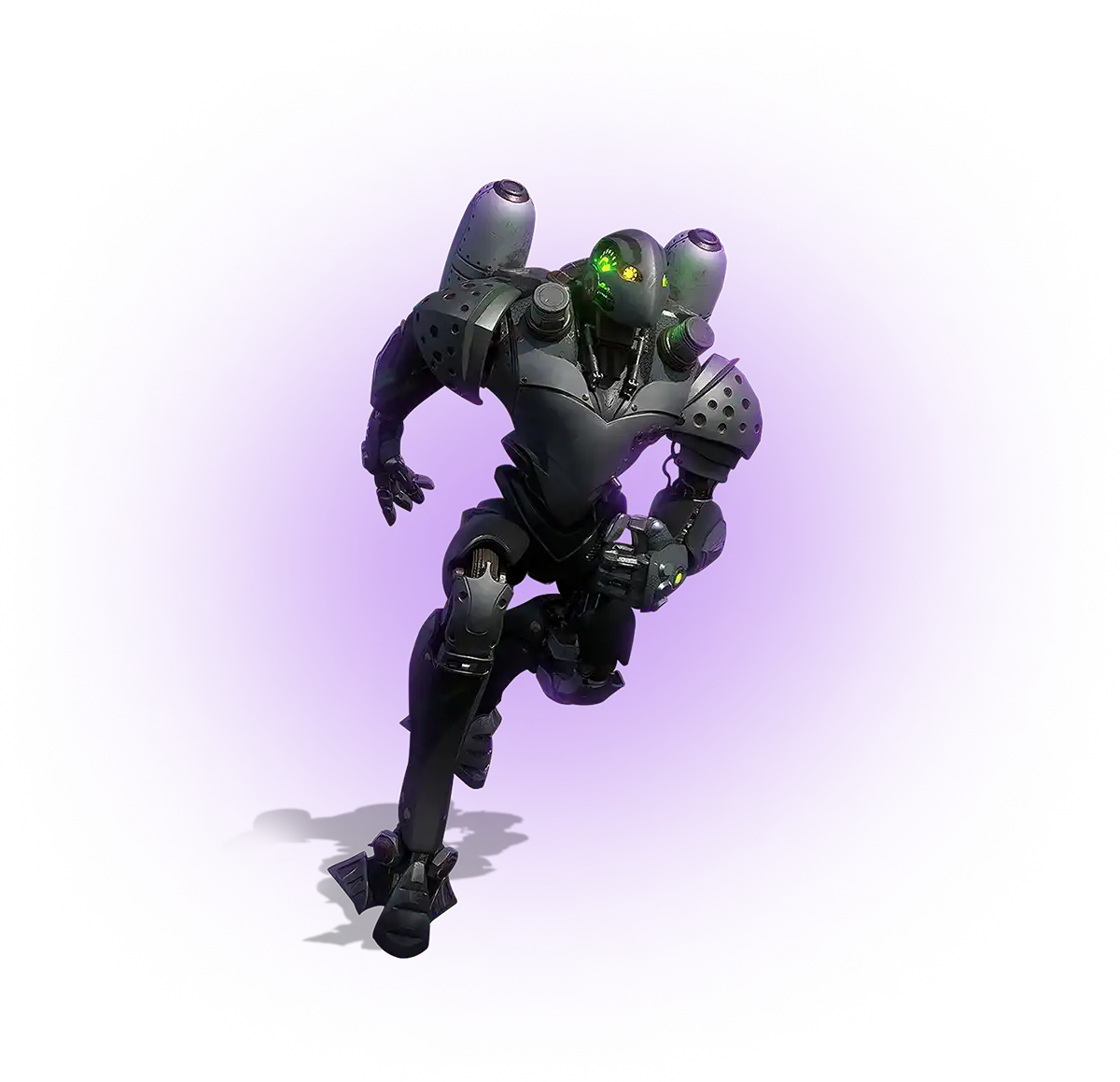
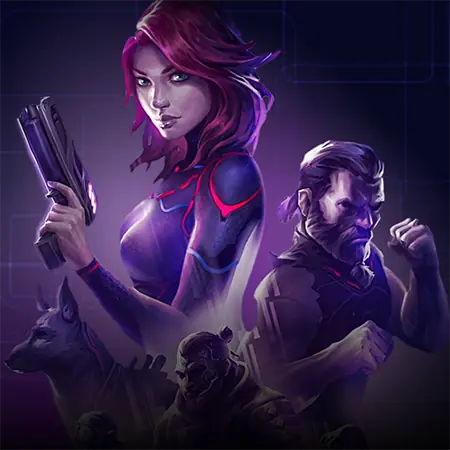
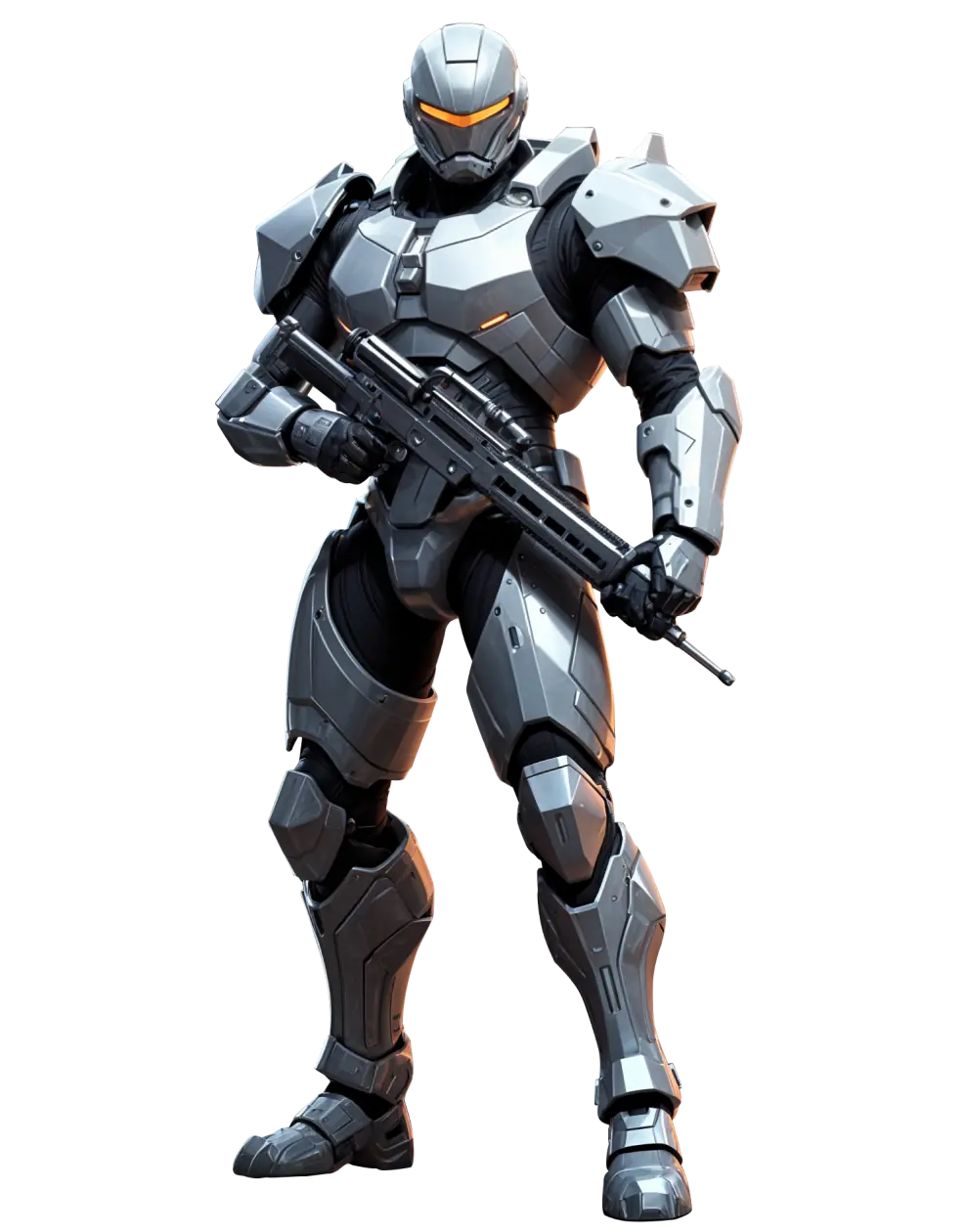
Game co-development character concept with armored sci-fi soldier on dark background

Co-development engagement cost

Co-development at Game-Ace is priced per specialist per month. A mid-level developer or senior artist starts from €5,000 per month. Larger co-development teams with mixed disciplines are quoted based on the staffing plan, typically ranging from €20,000–€80,000+ per month. Engagements are invoiced monthly with defined notice periods.

We are Experts of Game Co-Development
for Any Genre

Arcade games co-development

Arcade games

Action & RPG games co-development

Action & RPG games

Racing games co-development

Racing games

Casino & Card games co-development

Casino & Slot games

Sport games co-development

Sport games

Adventure games co-development

Adventure games

Co-development process

1.
Scope definition

The specific systems, features, or production phases handled by Game-Ace are defined and agreed in writing before onboarding.

2.
Specialist matching

Specialists are matched to your scope based on discipline, engine experience, and availability, typically within 1–2 weeks.

3.
Pipeline onboarding

Specialists are integrated into your version control, task tracker, and communication tools. Sprint cadence and handoff format are agreed.

4.
Production

Specialists execute the agreed scope under your direction within your sprint cycle, with daily or weekly sync as required.

5.
Review and iteration

Deliverables are reviewed against your acceptance criteria. Iteration cycles are handled within the sprint without separate approval processes.

6.
Scope completion or continuation

Scope is completed and documented, or the engagement continues into the next phase with an updated brief and staffing plan.

Scope definition is written down before production begins so both teams have a clear, shared reference for what is and is not in scope.
Game Co-development deliverables

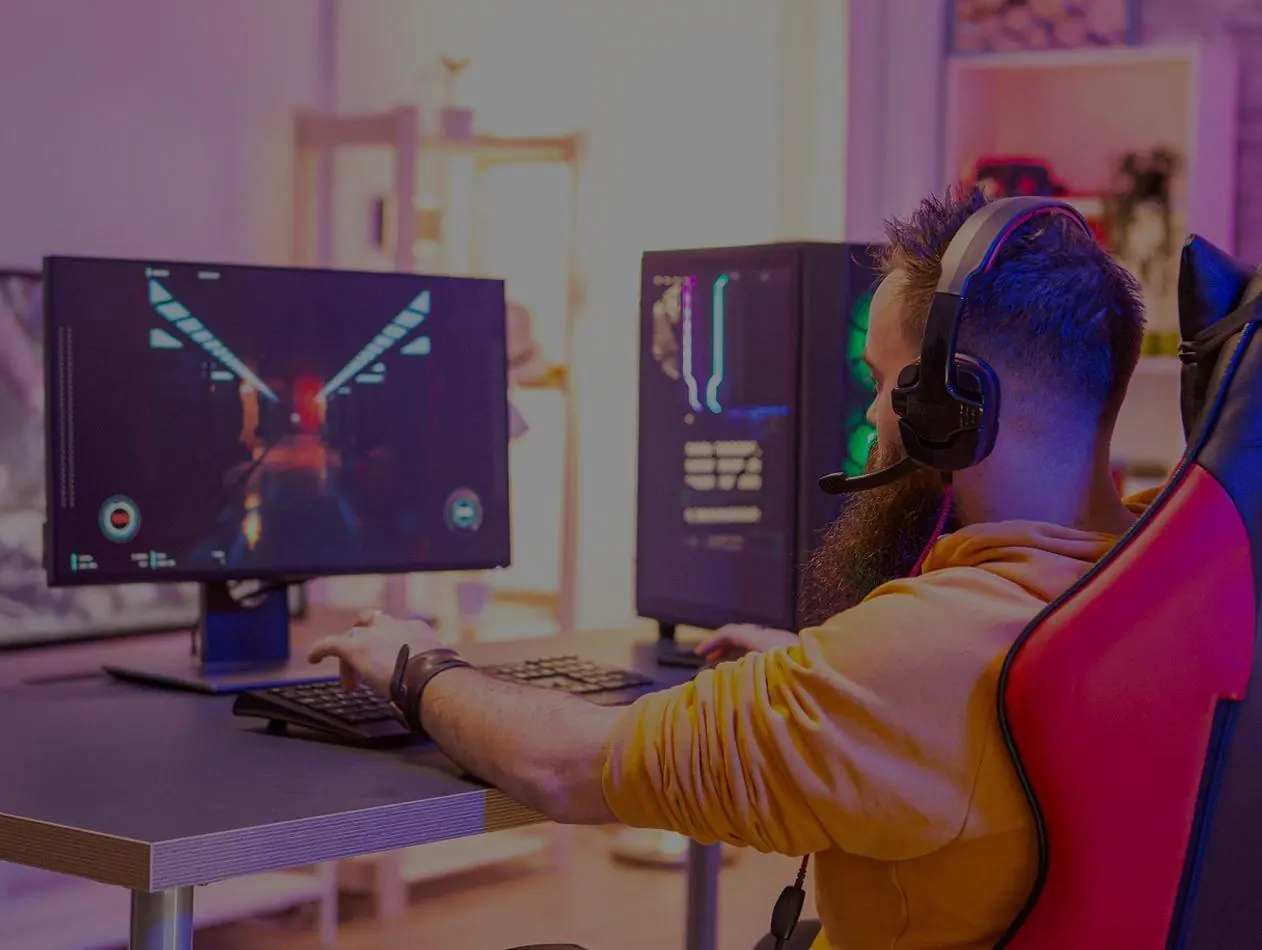
Game co-development deliverables integrated into studio production

Game-Ace integrates co-development output directly into the client's project repository, with full IP transfer, code review documentation, and asset handover at every milestone.

  1. Production output. Features, systems, art assets, or QA deliverables as defined in the scope agreement.
  2. Source code contributions. All engineering output committed to your version control with documented architecture decisions.
  3. Art assets. All art deliverables in agreed formats, compliant with your style guide and technical specifications.
  4. QA reports. Test reports in your preferred format covering agreed test scope and bug tracking entries.
  5. Sprint documentation. Progress reports, scope change records, and technical notes for each sprint.
  6. IP transfer confirmation. Written confirmation of IP transfer covering all output from the co-development engagement.

Our clients trust us 

Testimonials 

Stuart lewis smith avatar
Stuart Lewis-Smith Senior Vice President at GSN Games

GSN Games is one of the global leaders in mobile social casino games.

Program-Ace and GSN Games have been working closely together on the development of several online games.

Alexandre martel avatar
Alexandre Martel 3Mind Games, CEO

Game-Ace’s support was integral to the success of this project. Without them, the client wouldn’t have been able to complete the work on time.

They were responsive and their work was high quality – the client rarely had to share constructive criticism.

Ralf baumann avatar
Ralf Baumann WHOW Games GmbH, COOv

Game-Ace has successfully integrated with the in-house development team and has earned more responsibility as the engagement has prospered.

By quickly adapting to a sophisticated technology stack, they have helped to increase product quality and reduce an extensive task backlog.

Frequently asked questions

In co-development, your studio retains creative and technical direction. Game-Ace executes specific scope under your lead. Full outsourcing delegates the complete production management to Game-Ace with agreed milestone delivery.

Co-development scope can cover any discipline: programming, technical art, game design, 2D and 3D art production, character animation, or QA. Mixed-discipline scopes are common, for example art production and QA in parallel during the content phase of a production. Scope is defined per engagement based on where your pipeline needs additional capacity.

Specialists are onboarded into your version control system, project management tool, and communication channels within the first week. They follow your branch strategy, naming conventions, and review process. Your tech lead or art director provides direction; Game-Ace specialists execute within that direction and flag blockers through your existing escalation path.

Communication structure is aligned to your existing process at onboarding. Standard arrangements include:
  • Daily stand-up: Co-development specialists join your daily stand-up or provide async updates if time zones prevent synchronous meetings.
  • Sprint reviews: Deliverables are reviewed at your sprint cadence with the same acceptance criteria applied to in-house work.
  • Weekly sync: A dedicated sync with the Game-Ace team lead covers blockers, scope questions, and upcoming sprint planning.
Communication overhead is minimised by aligning to your process rather than running a separate reporting cycle. Escalation paths for technical decisions are agreed at onboarding.

NDA is signed before any project details are discussed. The engagement contract specifies that all output, including source code, art assets, and documentation, transfers to the client. Game-Ace retains no rights to use, publish, or reference any project output. Transfer is confirmed in writing as part of engagement close.

Co-development engagements typically run for the duration of a defined production phase: 3–6 months is common for a content or feature phase. Longer engagements are structured with renewal points so scope and staffing can be adjusted as the production evolves. Minimum engagement length is usually one sprint cycle.
Futuristic game robot running through a purple portal
Get in touch
menu
Get in touch
Game-Ace logo loader