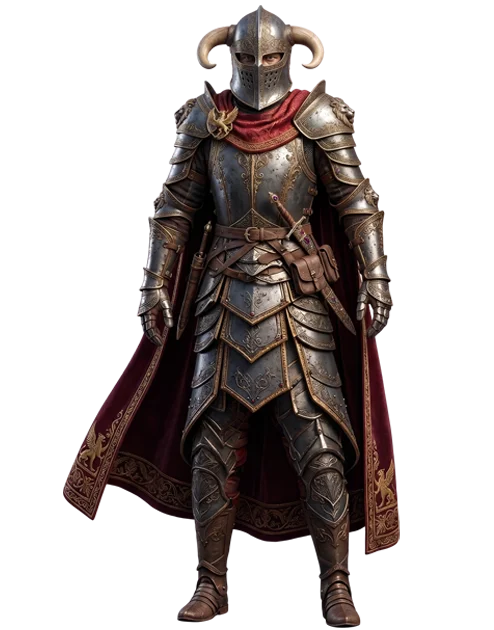
Android game development

Game-Ace develops Android games across the full production range, from focused casual titles to mid-core games with multiplayer and live ops. We work in Unity and Unreal Engine with device matrix optimisation, Google Play delivery, and back-end integration. NDA, full IP transfer, and source code handover apply to every engagement.

Discuss your Android project
Forbes Technology Council badge
Game-Ace TopDevelopers top mobile game developers badge
Game-Ace Epic MegaGrants recipient badge
Game-Ace Unity Certified Developer badge
Game-Ace IAOP Global Outsourcing 100 recognition badge
Game-Ace top AR VR development company gaming 2026 Clutch

Android game development services

Android game backend integration with Firebase and analytics

Backend integration and live ops

Firebase, PlayFab, and custom backend integration for analytics, leaderboards, cloud saves, push notifications, and live content delivery.

Game-Ace at a glance

2005 Founded

More than two decades in game development.

120+ Specialists

In-house production team across key disciplines.

200+ Games

Delivered across selected game genres.

Android device fragmentation and performance strategy

Android development requires explicit performance strategy across device tiers because hardware capability varies far more widely than on iOS. Game-Ace defines a device matrix at project start covering high, mid, and low-spec targets based on your audience data. Performance budgets for draw calls and texture memory are set per tier and validated throughout production, not just before submission.

Google Play delivery and compliance

Google Play submission requires correct signing configuration, API level compliance, and store asset preparation. Our team handles the full submission process including App Bundle packaging, staged rollout configuration, and policy review to reduce rejection risk before the first submission.

Planning an Android game? Tell us about your genre and target device range.
Get a Project Estimate

Why studios choose Game-Ace for Android development

Device fragmentation expertise and Google Play submission support.

  1. Device fragmentation experience. Game-Ace has shipped Android titles across high, mid, and low-spec device tiers. Performance strategies for fragmented hardware are built into production, not retrofitted.
  2. Unity and Unreal Engine in-house. Both primary Android game engines are handled in-house with dedicated mobile specialists. Engine choice is confirmed based on your genre, visual targets, and audience device distribution.
  3. Google Play compliance support. App Bundle packaging, target API level compliance, content rating, and staged rollout configuration are handled in-house, reducing first-submission rejection risk.
  4. Backend and live ops integration. Firebase, PlayFab, and analytics backend connections are built in during development, enabling live ops capability from day one post-launch.
  5. Full IP transfer and NDA. All source code, assets, and build configurations transfer to the client at project close. NDA is in place from day one.
Benefits block

Android game development cost

A focused Android game at Game-Ace starts from €50,000 for a single-platform casual or mid-core title. Android games with multiplayer or complex progression typically range from €100,000–€300,000+. Pricing depends on genre, feature count, and art complexity, estimated during discovery after concept brief review.

We Expertly Develop Android Games
of Any Genre

Android Game Development 09

Arcade games

Android Game Development 10

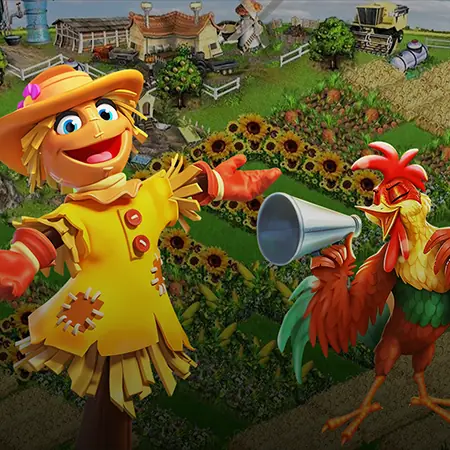
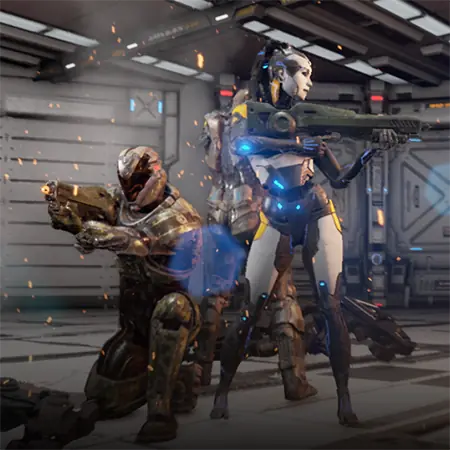
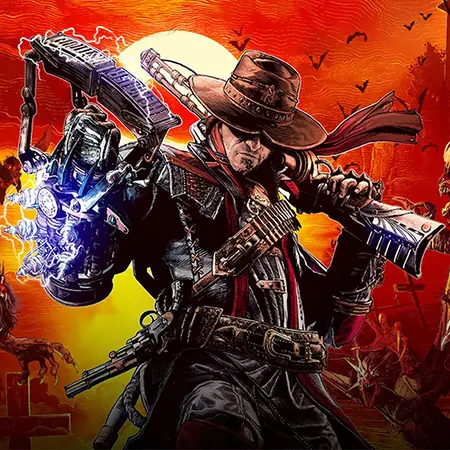
Action & RPG games

Android Game Development 11

Racing games

Android Game Development 12

Casino & Card games

Android Game Development 13

Sport games

Android Game Development 14

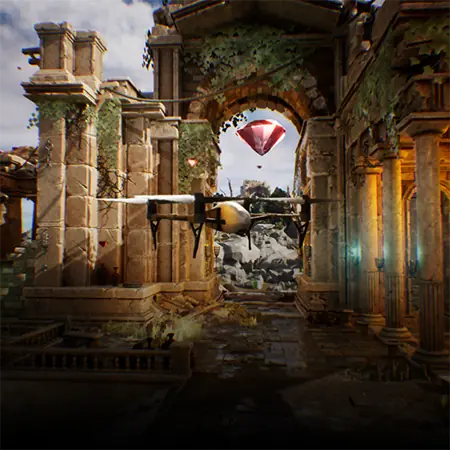
Adventure games

Android game development process

1.
Requirements and device matrix

Game concept, target device tiers, performance budgets, and Google Play requirements are defined before development begins.

2.
Game design and prototyping

GDD, core mechanic prototype, and Android-specific UX flows are validated before full production is committed.

3.
Development and art production

Engineering and art sprints run in parallel with device profiling from the first playable build.

4.
Performance optimisation

Frame rate, memory, draw calls, and battery consumption are profiled across the target device matrix and optimised against agreed budgets.

5.
QA and Google Play compliance

Functional, regression, and device matrix QA runs alongside Google Play policy compliance review before submission.

6.
Submission and post-launch

Google Play submission support, staged rollout monitoring, and post-launch bug resolution and live ops support.

Device matrix and performance budgets are agreed at project start and tracked as first-class production requirements throughout.

Android game project deliverables

Android game development deliverables overview

Our team delivers a production-ready Android game with source code, AAB build configuration, device performance reports, and full IP transfer at project close, ready for Google Play submission.

  1. Android app bundle. Release-ready .aab file configured for Google Play with correct signing, target API level, and content rating documentation.
  2. Source code archive. Full Unity or Unreal project with build scripts, dependency documentation, and version control history.
  3. Performance reports. Frame rate, memory, draw call, and battery consumption benchmarks across the agreed device matrix.
  4. Art asset library. All game art in engine-ready format with texture atlases, compression configurations, and naming documentation.
  5. QA reports. Functional, regression, and device matrix test reports with bug log and resolution status.
  6. Backend and integration documentation. SDK integration notes, analytics configuration, and backend API documentation for post-launch team.
Play button

Know More about Cricket Manager Developed by Game-Ace

  • Cricket Manager is an Android game that allows players to try on the role of a manager and accept the challenge of running a successful cricket club. This MMO sports simulator is aimed at attracting a wide range of players from all over the world. Thanks to an opportunity to play with friends against online enemies in cup-play or league, the gameplay is incredibly captivating.
Learn More

Our clients trust us 

Testimonials 

Stuart lewis smith avatar
Stuart Lewis-Smith Senior Vice President at GSN Games

GSN Games is one of the global leaders in mobile social casino games.

Program-Ace and GSN Games have been working closely together on the development of several online games.

Alexandre martel avatar
Alexandre Martel 3Mind Games, CEO

Game-Ace’s support was integral to the success of this project. Without them, the client wouldn’t have been able to complete the work on time.

They were responsive and their work was high quality – the client rarely had to share constructive criticism.

Ralf baumann avatar
Ralf Baumann WHOW Games GmbH, COOv

Game-Ace has successfully integrated with the in-house development team and has earned more responsibility as the engagement has prospered.

By quickly adapting to a sophisticated technology stack, they have helped to increase product quality and reduce an extensive task backlog.

Frequently asked questions

Small-scope casual Android titles take 4–8 months from GDD sign-off. Mid-core games with multiplayer, live ops, and a broad device matrix typically run 10–18 months depending on feature scope and art complexity.

The primary engines are Unity (C#) and Unreal Engine (C++), both of which export directly to Android via Android Studio and Gradle. Native Kotlin development is used for platform SDK integration, system-level features, and apps where Unity or Unreal overhead is not justified. Backend integrations typically use Firebase or PlayFab for analytics, cloud saves, and multiplayer infrastructure.

Android fragmentation is managed through a defined device matrix agreed at project start. The matrix segments devices by chipset generation, RAM, and OS version covering high, mid, and low-spec tiers relevant to your player audience. Performance budgets are set per tier and profiled on physical devices throughout production, not just before submission.

Google Play compliance for games covers several distinct areas:
  • Technical requirements: Target API level, 64-bit support, App Bundle format, and correct signing configuration.
  • Content policy: Age rating via IARC, content rating questionnaire, and policy compliance for ads, in-app purchases, and user data collection.
  • Store assets: Icon, feature graphic, screenshots, and video prepared to Play Store specifications.
Compliance review runs before the first submission to reduce rejection risk. Policy changes post-launch are monitored and addressed as part of the agreed post-launch support period to prevent unexpected compliance failures during live operation.

Android requires explicit device matrix testing because hardware capability varies far more widely than on iOS. Google Play review is faster than App Store review but policy enforcement is more automated. Monetisation model differences between the platforms are also relevant: Android players typically respond differently to IAP pricing and ad placement compared to iOS audiences in the same markets.

Post-launch support terms are agreed at project start. Standard scope covers OS update compatibility, Google Play policy compliance updates, and bug fixes for the agreed post-launch period. Live ops, new content delivery, and balance update cycles are scoped as a continuing engagement.
Futuristic game robot running through a purple portal
Get in touch
menu
Get in touch
Game-Ace logo loader