
Unity vs Cocos2D comes down to scope. Unity is a full 2D and 3D engine with C# scripting, native mobile pipelines, and a large asset store. Cocos2D, today distributed as Cocos Creator 3.x with a legacy Cocos2D-x C++ branch, is a lightweight 2D-first engine with smaller build size and faster HTML5 output. Pick Unity for cross-platform depth and 3D. Pick Cocos for a slim 2D mobile or web title.
Scoping a 2D mobile or HTML5 project?
What Unity vs Cocos2D means today
The Unity vs Cocos2D question changed in 2024. Cocos2D-x froze at 4.0 (C++). The active product is now Cocos Creator 3.x, which uses TypeScript, ships a component-based editor closer in shape to Unity, and supports WebGPU in beta. Unity, on its side, released Unity 6 as the current LTS in late 2024, with a rebuilt web player and improved mobile rendering paths.
So when a team compares “Unity vs Cocos2D” today, they usually mean one of two things: Unity 6 vs Cocos2D-x for a legacy C++ codebase, or Unity 6 vs Cocos Creator 3.8 for a new project. The answer differs.
Unity strengths for 2D mobile and cross-platform

Unity’s advantage is breadth. One codebase reaches iOS, Android, WebGL, PC, consoles, and XR headsets. The 2D toolset, Tilemap, Sprite Atlas, 2D Animation, URP 2D Renderer, is mature. C# with the modern Unity Profiler and Addressables gives predictable memory control on mid-tier Android devices.
- Native iOS and Android build pipelines with per-platform asset stripping.
- Large asset store and third-party SDK coverage (analytics, ads, IAP, remote config).
- WebGL export for HTML5 delivery, with Unity 6’s smaller runtime and Brotli compression defaults.
- Live-ops backends via Unity Gaming Services or PlayFab, ready for slot, casual, and mid-core titles.
Cocos strengths: legacy Cocos2D-x and modern Cocos Creator

Cocos2D-x 4.0 is C++ and still runs live slot and casual titles in production. Studios keep it because the build is small, memory footprint is low, and the engine is transparent, every subsystem can be replaced. Cocos Creator 3.x is the newer path: TypeScript, node/component editor, native and web build targets from a single project.

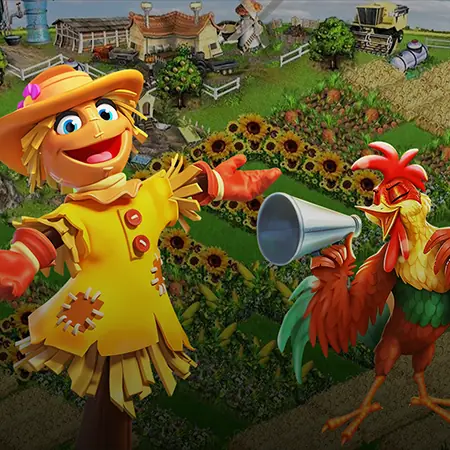
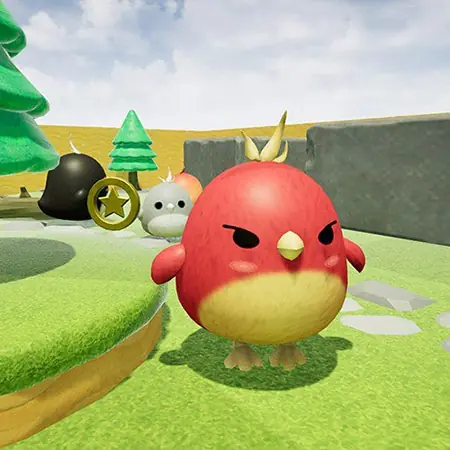
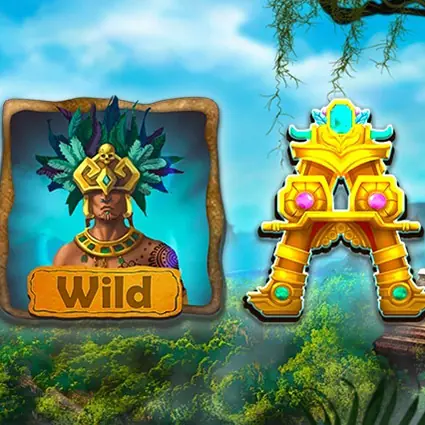
Games created with Cocos2d-x
The Cocos advantage on web is real. A basic Cocos Creator HTML5 build often ships under 3 MB. A Unity WebGL build for a comparable 2D scene typically sits at 8-15 MB before compression.
Community size is smaller than Unity’s. Docs and Stack Overflow coverage are thinner. Studios usually staff Cocos with senior engineers who can read source when a subsystem misbehaves.
Unity vs Cocos2D compared at a glance
The table below covers the practical decision axes. Use it as a first filter, then check the FAQ for edge cases.
| Criterion | Unity 6 | Cocos (Cocos2D-x / Cocos Creator 3.x) |
|---|---|---|
| License | Unity Personal free up to $200K revenue; Pro tiers above. | Fully free, MIT-licensed, open source, no revenue cap. |
| Scripting | C# with .NET runtime. | Cocos2D-x: C++. Cocos Creator 3.x: TypeScript / JavaScript. |
| 2D vs 3D | Full 2D and 3D pipelines; single toolset. | 2D-first. Cocos Creator adds 3D but with a lighter feature set. |
| Mobile performance | Predictable on mid to high-tier Android and iOS; more overhead on very low-end devices. | Very low overhead; runs well on entry Android and older iOS. |
| Web deploy size | WebGL build usually 8-15 MB compressed for a basic 2D scene. | Cocos Creator HTML5 build often under 3 MB compressed. |
| Learning curve | Large surface area; extensive documentation and courses. | Smaller surface area; documentation thinner, senior devs needed. |
| Ecosystem | Asset store, SDK coverage, Unity Gaming Services, huge hire pool. | Focused ecosystem; strong in Chinese-market casino and casual studios. |
When Unity wins, when Cocos wins
Unity wins when the roadmap includes 3D scenes, XR, console builds, or a heavy third-party SDK stack. It also wins when hiring speed matters, the Unity talent pool is deeper than the Cocos pool in most regions.
Cocos wins when build size, load time, or web-first delivery is the constraint. Slot lobbies delivered inside an operator wrapper, promo mini-games embedded in a web page, and casual 2D mobile titles with tight memory budgets are common Cocos territory. Cocos2D-x also wins when a studio already runs a C++ toolchain and does not want a managed runtime.
A blunt rule: if the team is unsure and the project is 2D-only for mobile and web, prototype the first level in both. The measurable difference, build size, cold-start time, memory ceiling, usually decides in one sprint.
Engineering, tooling, and porting notes
Cocos Creator 3.x uses a component-node editor that maps 1:1 to Unity’s GameObject and Component model. Migrating scene logic is usually straightforward; migrating shader graph work is not.
- Shaders: Unity’s Shader Graph and Cocos Creator’s effect files use different DSLs; expect rewrite, not translation.
- Physics: Unity uses Box2D for 2D and PhysX for 3D. Cocos Creator uses Box2D and Bullet Physics.
- Audio: Unity’s audio mixer is richer; Cocos ships a simpler audio engine sufficient for most 2D titles.
- Build pipeline: Cocos CLI is lighter and faster; Unity’s Cloud Build is more mature for teams over 5 developers.
- Live ops: Unity has first-party services; Cocos usually plugs into PlayFab, Firebase, or an in-house backend.
A Game-Ace case with Unity
Welcome to Knight Stack Jump, a Unity hyper-casual by Game-Ace

Knight Stack Jump is a Unity-built hyper-casual mobile title with stylized 2D art and short-session gameplay. Game-Ace delivered gameplay, art, animation, and store-ready builds for iOS and Android on a tight timeline that validated the core mechanic quickly.
Related reading on engines and mobile production
- Unity mobile game development: mobile-specific Unity delivery scope.
- HTML5 game development: browser-first delivery relevant to Cocos slot and promo projects.
- WebGL game development: Unity WebGL delivery details.
- Hire Unity developers: engagement models for scaling a Unity team.
- Game engine comparison: a broader comparison of game engines.
- Best game engines: an overview of common engine options.
- Unity vs Unreal: differences between the two major engines.
- Mobile game development cost: budget and technology considerations for mobile projects.
For official documentation, see the Unity manual and the Cocos engine site.
When to talk to Game-Ace about Unity vs Cocos2D
The Unity vs Cocos2D choice is not academic. It changes cost, build size, hire plan, and live-ops setup. If a 2D mobile or HTML5 project is on the roadmap, Game-Ace, a custom game development studio, handles both engines from prototype to store-ready build, with 120+ in-house specialists and delivery experience since 2005.
 How MetaHuman changes game character development
  Game development for startups: budget and MVP guide
  Engineering tower defense games from prototype to live service
  Idle game development: a full production guide
  Gamification in recruitment: what actually works