
Game monetization for console and PC is the choice between a one-time price, a free-to-play model with microtransactions or a battle pass, a subscription service, or a hybrid built around a paid base game plus DLC. The right pick depends on genre, audience size, session length, live-ops appetite, and platform fit. Premium works for tight single-player and co-op titles. Free-to-play works for repeating-session games with a large audience. Subscription bundles favour catalog-builders and studios with predictable output.
If you are scoping game monetization for console and PC, talk to Game-Ace.
Monetization models used on console and PC
The console and PC market runs on a small set of models that mix and overlap. Premium buy-to-play remains the default for narrative, co-op, and finite-arc games. Baldur's Gate 3 (Larian) and Helldivers 2 (Arrowhead) are 2023-2024 data points that show premium can still lead sales charts when the design fits. Free-to-play with cosmetics and a battle pass, used by Fortnite and Path of Exile 2, dominates repeating-session multiplayer and looter-genre titles. Subscription services (Xbox Game Pass, PS Plus Extra and Premium) act as a distribution layer on top of any model.
Two lower-tier layers sit alongside: Early Access and crowdfunded pre-orders as a pre-launch funding model, and paid DLC or expansions as a post-launch layer on top of premium. Hybrid models are common: a premium base game plus cosmetic MTX, or a free base with a paid expansion, or a subscription-only Steam release plus in-game currency.
Comparison: premium vs F2P plus MTX vs F2P plus battle pass vs subscription
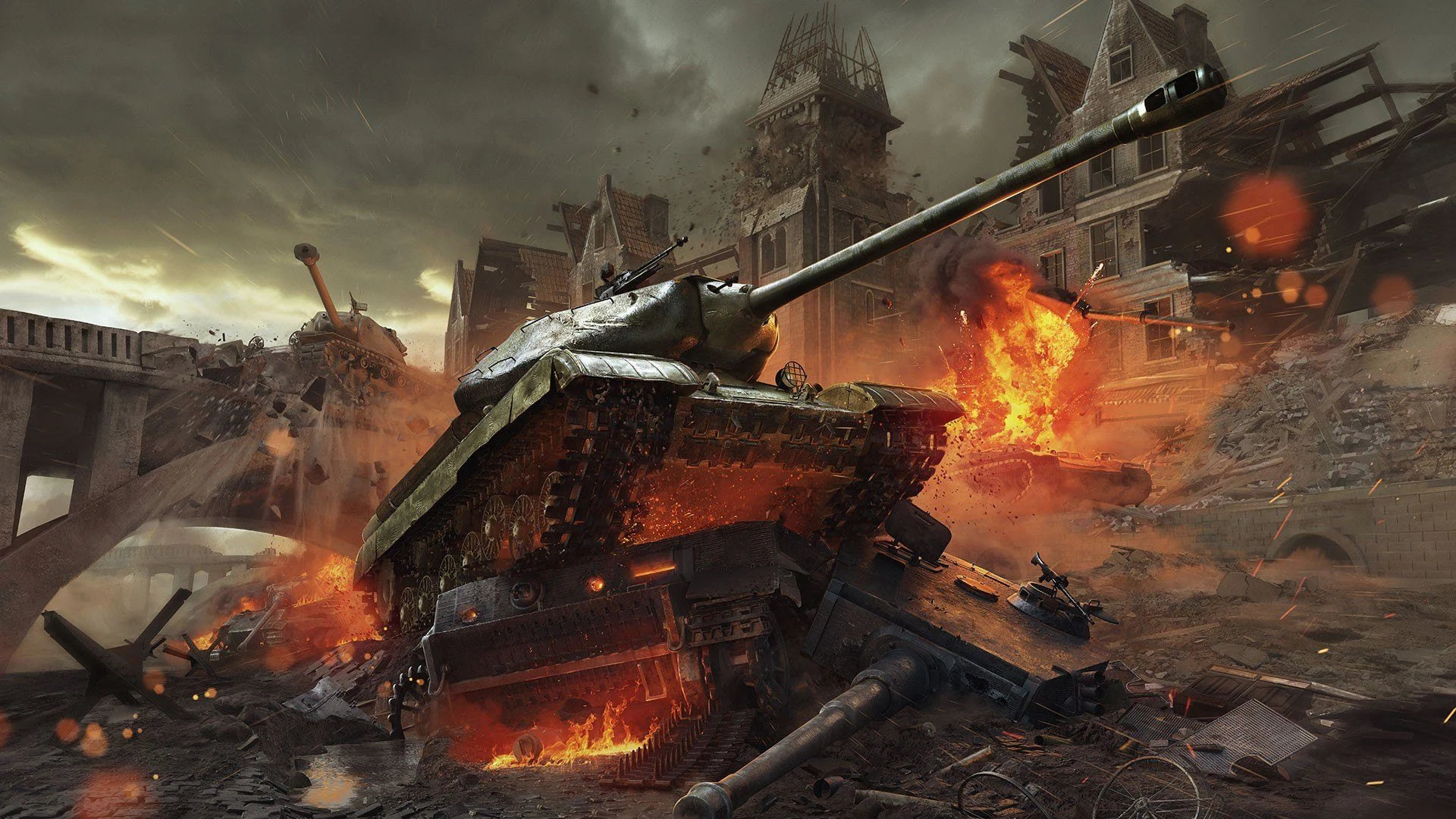
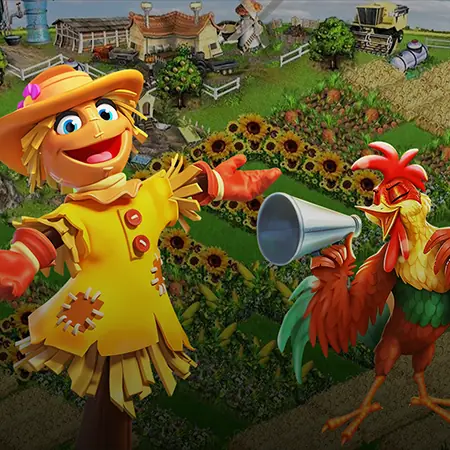
F2P + MTX: World of Tanks
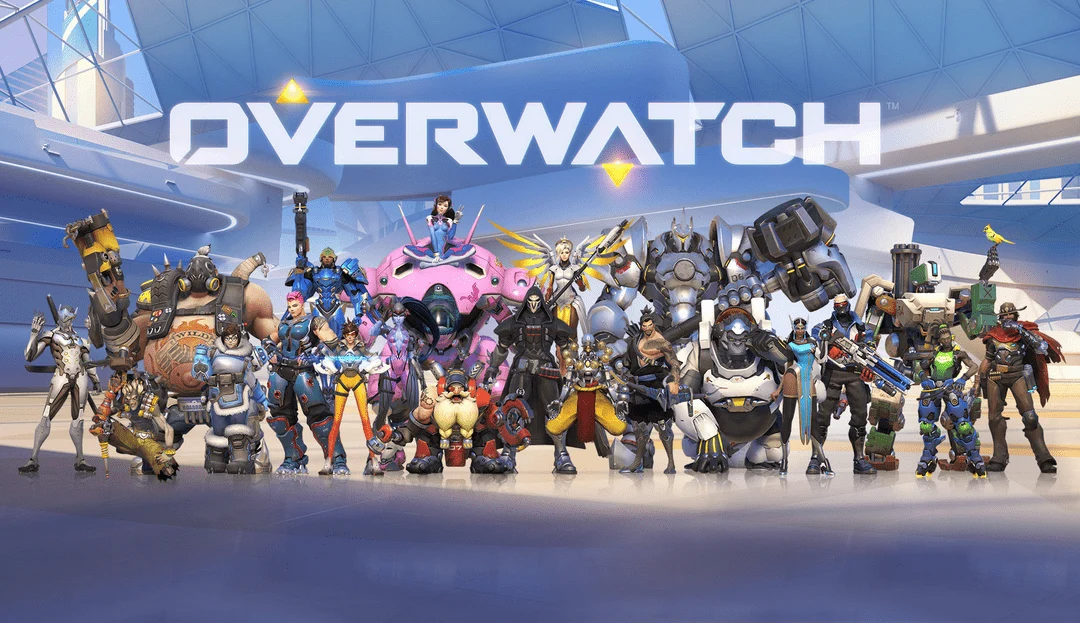
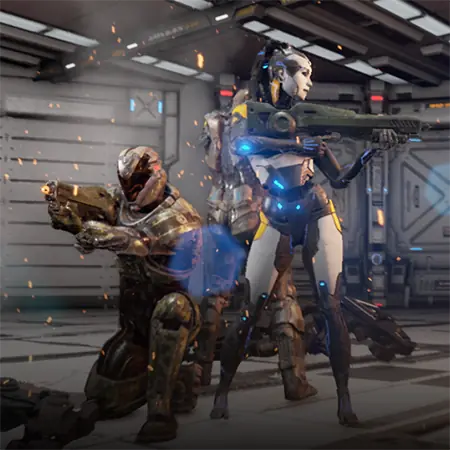
Premium buy-to-play (at launch): Overwatch
The table below summarises the four dominant approaches to game monetization for console and PC.
| Model | Best fit | Revenue pattern | Risk |
| Premium buy-to-play | Narrative, co-op, finite arc, indie | Front-loaded at launch, long tail via discounts | Discount-sensitive; refund window |
| F2P plus MTX | Looter, ARPG, MOBA, sandbox | Long tail, ARPU-driven, whale-weighted | Whale dependency; UA cost |
| F2P plus battle pass | Repeating-session multiplayer, hero shooter | Recurring seasonal spikes | Season fatigue; retention drop |
| Subscription (Game Pass, PS Plus) | Catalog studios, ports, day-one exposure | Fixed platform fee; per-hour bonuses | Sales cannibalisation on same SKU |
Audience size, platform fit, and session length
Audience size is the single strongest signal for model choice. F2P needs a large addressable audience because ARPU is low and whale conversion is single-digit. A game targeting under 500,000 concurrent addressable players usually cannot sustain a season pipeline. Premium fits smaller audiences with higher intent per user. Short repeating sessions (10-30 minutes) suit battle pass and MTX; long single-player sessions of 30-100 hours suit premium with an optional cosmetic layer.
Store cuts and where the revenue actually lands
The storefront cut moves before you see a euro. Steam takes 30% by default, dropping to 25% above $10M and 20% above $50M gross revenue per title. Epic Games Store takes 12%, with a separate free Unreal Engine royalty waiver for games launched exclusively there. GOG runs a 30% cut on standard releases. Xbox and PlayStation both operate at a 30% storefront cut for standard SKUs.
- Steam: 30% standard, 25% above $10M, 20% above $50M gross per title.
- Epic Games Store: 12% standard; Unreal royalty waived on EGS-exclusive titles.
- GOG: 30% standard.
- Xbox and PlayStation stores: 30% standard on paid SKUs.
- Subscription platforms pay a negotiated fee or per-hour rate, no per-copy split.
Full docs: Steamworks documentation and Epic Games Store distribution.
Regional pricing and cross-play entitlement
Regional pricing is a monetization decision, not an admin task. Steam publishes recommended regional price tiers tuned to purchasing-power parity; ignoring the recommendation leads to review-bombing and grey-market key resale. Using recommended regional prices for LATAM and SEA can raise units sold by 20-40% versus flat USD conversion.
Cross-play and cross-progression change how monetization is stored. A cosmetic bought on PC must appear on the console session for the same account, or the store loses trust. Entitlement services (Epic Online Services, Steamworks Inventory, PlayFab, custom account backends) resolve which SKUs a player owns across platforms. For F2P titles with cross-play, the account backend is not optional, it is a launch-blocker.
Launch pricing, soft launch, and discount cadence
Launch price sets the ceiling for the title's long-tail. Premium PC titles cluster in three bands: $19.99-$29.99 for indie premium, $39.99-$49.99 for mid-scope, and $59.99-$69.99 for larger productions. The first 30 days drive most of the launch-window sales, a too-low launch price locks the title into a discount curve that never recovers.
Soft launch on PC (Steam Early Access, itch.io, or a limited-region launch) is the standard sequence before a console port. Path of Exile 2 used a paid Early Access to fund content and validate systems before wider console rollout.
- Launch: 0% discount, 30-45 days.
- First seasonal sale: 10-15% discount.
- Six-month mark: 25-33% discount.
- First anniversary: 40-50% discount.
- Deep-discount floor: 66-75% discount at year two-plus.
Subscription platform economics and long-tail LiveOps
Subscription platforms pay in one of two shapes: a flat launch fee tied to marketing, or an ongoing per-engagement bonus tied to hours played. A subscription placement can put a title in front of 30M+ subscribers, but per-user revenue is a fraction of a full sale. For a studio without marketing budget, that exposure is often the correct choice.
LiveOps is the difference between a title that earns for 90 days and one that earns for five years. Practical scope for a live PC or console F2P title includes a 60-90 day content season, weekly shop rotation, monthly event, quarterly balance patch, and an annual expansion. Game-Ace has supported LiveOps for shipped multiplayer and casino titles on Unity and Unreal, including season art pipelines and backend event tooling. For scope planning, see game economy design and best game engines.
When to talk to Game-Ace about console and PC monetization
The best time to bring in an external team is before the storefront choice is locked. Store cut, regional pricing, entitlement backend, and season pipeline all cascade from the monetization model, and re-scoping after launch is expensive. Game-Ace, a game development studio working with PC and console teams since 2005, supports monetization scoping through co-development, team extension, and full-cycle delivery from a 120+ specialist team, including full-cycle game development and game co-development engagements. See also game porting services for PC-first, console-later sequencing.
If you are scoping game monetization for console and PC, choosing between premium and F2P with a battle pass, or planning a subscription-platform launch, talk to Game-Ace.
 How to design learning games for kids
  Arcade game design: a production guide
  Game environment design for production-ready worlds
  Narrative game design: from concept to shipped story
 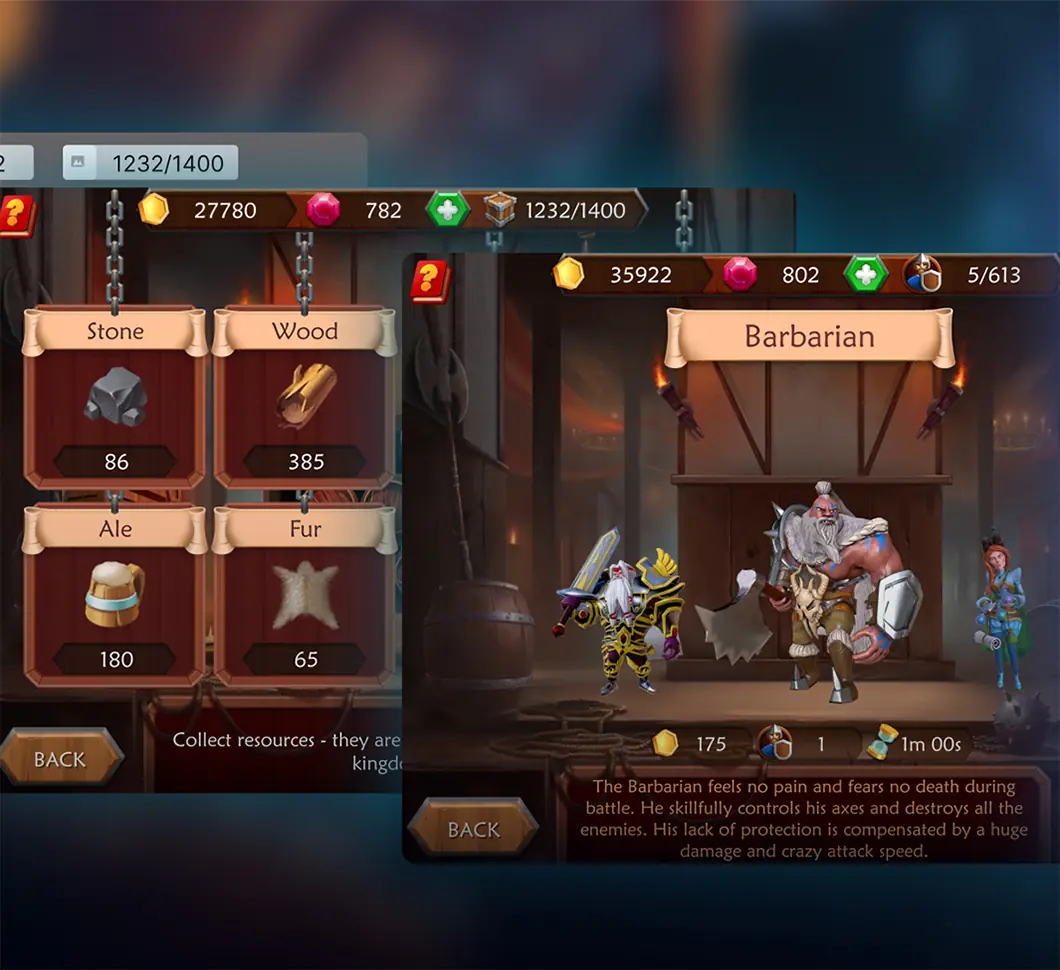 Game UX: a practical guide for studios and product teams