
Video game genres are the working taxonomy studios use to define scope, audience, mechanics, and monetization for a game. The practical shortlist covers action, role-playing, strategy, simulation, sports, adventure, puzzle, MMO, casual, hyper-casual, roguelike, and survival. Most released titles blend two or three genre labels, and classification today follows how the game is played, sold, and discovered, not a fixed academic list.
How video game genres are classified today
Video game genres are classified by the loop the player performs, the pacing, and the commercial model. Modern platforms tag titles by mechanic-first buckets on the store front, then layer sub-tags for setting, perspective, and multiplayer mode. Steam, App Store, Google Play, and PlayStation Store each use slightly different tag trees, but the underlying logic is the same: primary mechanic, then setting, then session length. A shooter with squad tactics and a persistent map is filed as "extraction shooter", not just "action", because the tag drives discovery. Studios use the same logic in pre-production. The genre tag defines the core loop budget, the reference set, the QA matrix, and the LiveOps plan.
The old academic split, action versus adventure versus simulation, still appears in trade press, but it does not match how buyers browse or how algorithms recommend. Production teams work from a hybrid tag first, then map it back to the parent genre for market sizing.
The main video game genres
The main video game genres fall into twelve working categories used across production, marketing, and store taxonomy: action, role-playing, strategy, simulation, sports, adventure, puzzle, MMO, casual, hyper-casual, roguelike, and survival. Each has a distinct core loop, session length, and audience profile, and each carries a different production cost curve. The list below is the shortlist most studios use when scoping a new project.
Action games
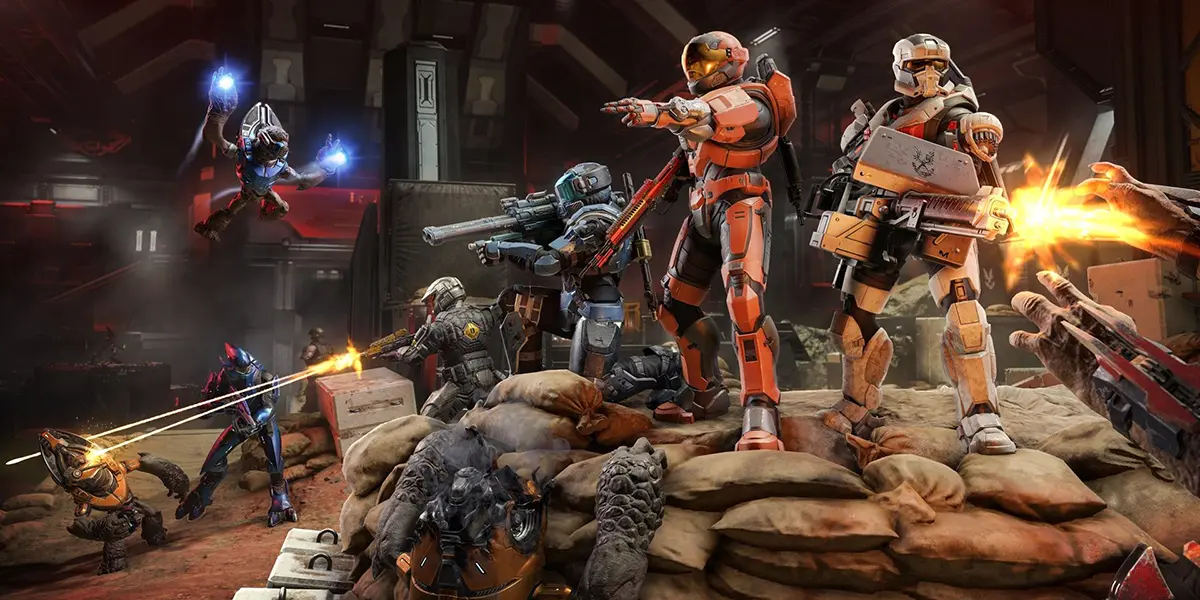
Action games are built around reflex-driven core loops: shooting, melee combat, dodging, chaining combos. The category covers first-person shooters, third-person action, hack-and-slash, brawlers, and platformers with combat. Session length runs from three-minute mobile rounds to hour-long PvP matches. Live indie and mid-budget references from 2024-2026 include Hollow Knight: Silksong (released 2025), Hades II (in early access), The Finals, and Naraka: Bladepoint. Production cost varies more here than in any other genre because the tech stack shifts with the perspective and camera. A 2D action platformer can ship on a small team; a 6v6 online shooter needs a dedicated backend, anti-cheat, matchmaking, and continuous content updates.
Role-playing games (RPGs)
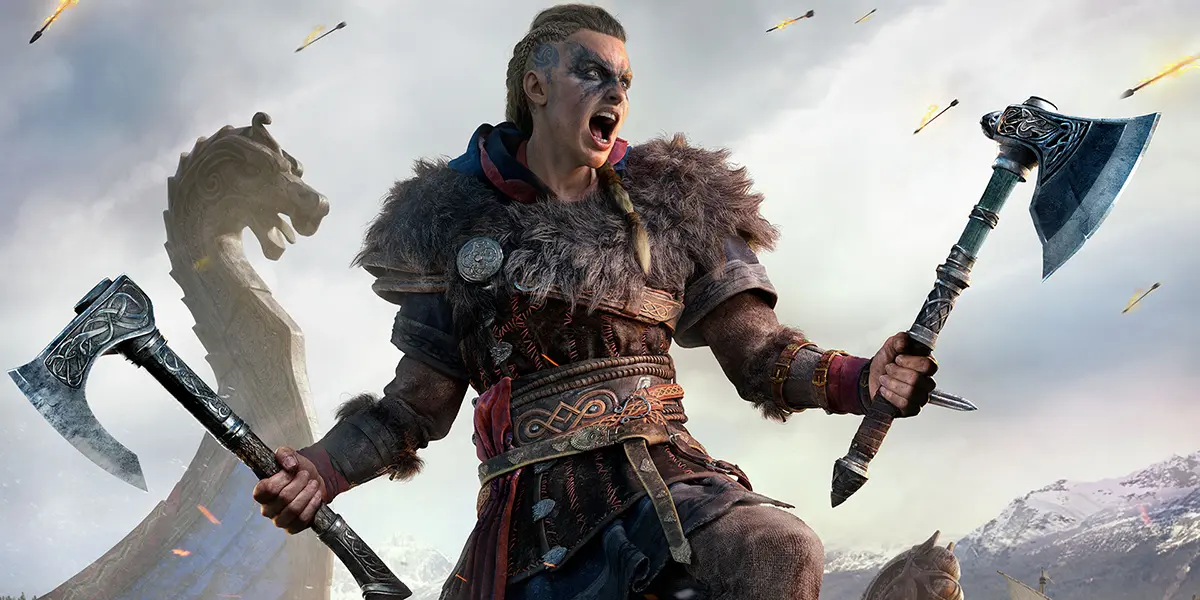
Role-playing games centre on character progression, narrative choice, and stat systems. The category covers classic party RPGs, action RPGs, tactical RPGs, JRPGs, and CRPGs. Baldur's Gate 3, Elden Ring, and Sea of Stars are the reference points buyers cite most often in scoping conversations. RPGs carry heavy content debt, dialogue, quests, items, animations, VO, and the QA matrix scales with the branching tree. Small teams ship focused RPGs (Sea of Stars, Chained Echoes) by tightening scope, reusing systems, and limiting branching. Mid-budget studios typically plan 24-36 month production cycles for a full RPG release with post-launch content roadmap.
Strategy games
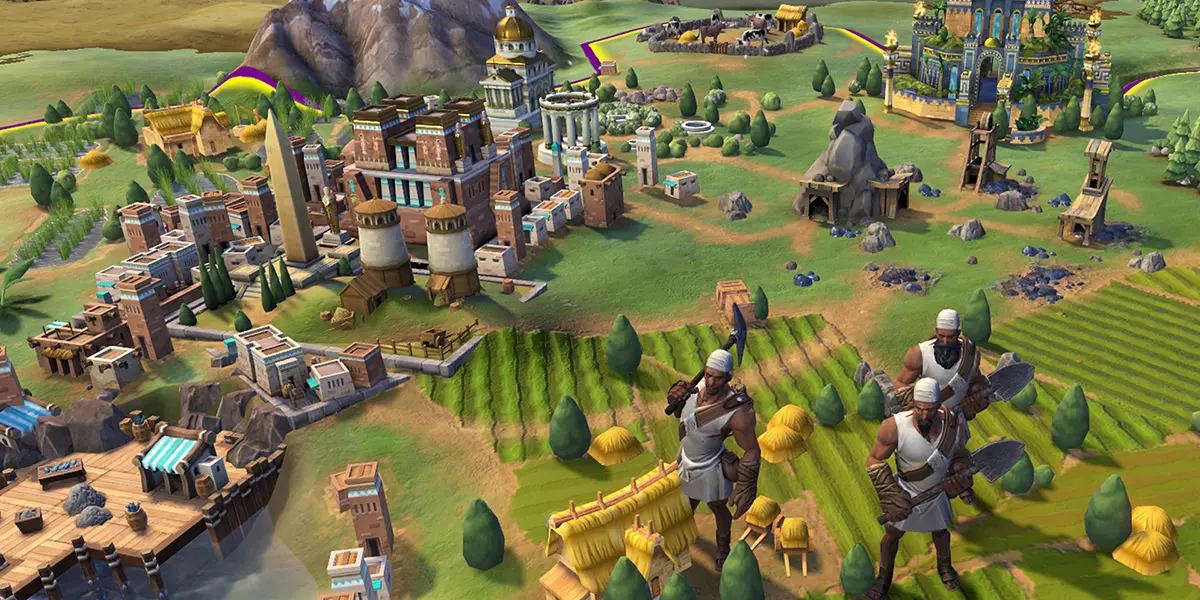
Strategy games split into real-time (RTS), turn-based (TBS), 4X, tower defense, and grand strategy. Session length is long, 45 minutes to several hours, and the audience skews toward planners and system-thinkers. Cities: Skylines II, Manor Lords (early access), Frostpunk 2, and Against the Storm are the current shortlist. Strategy production is UI-heavy: half the sprint budget usually goes to interface, tutorial, and readability iteration. Multiplayer strategy needs deterministic simulation and rollback netcode, which pushes engineering complexity up.
Simulation and management games
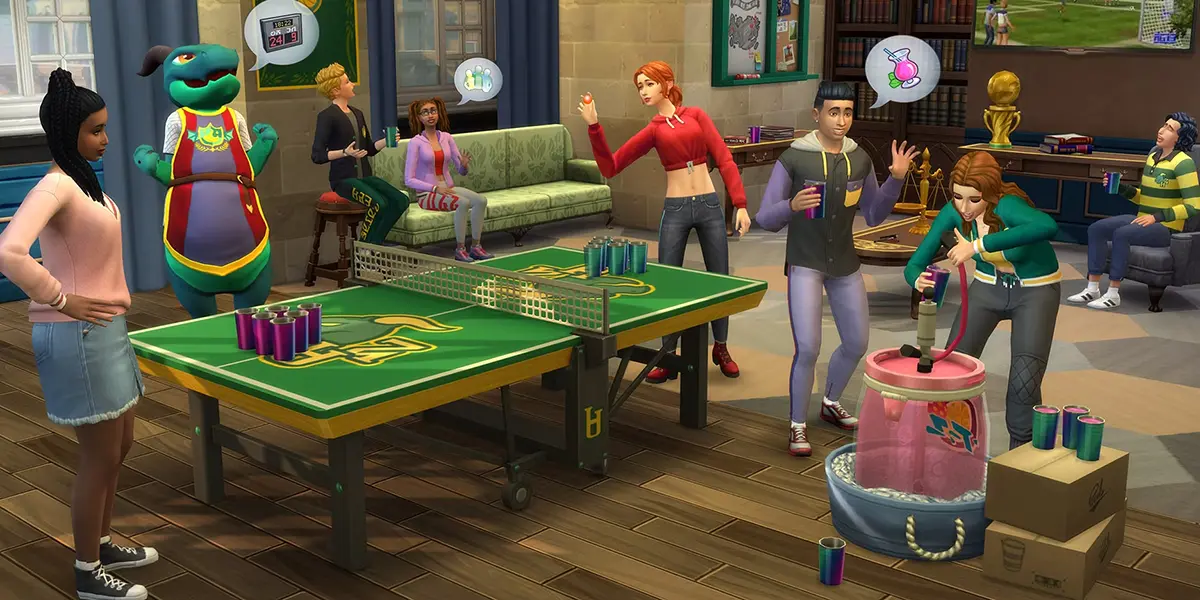
Simulation games model a system, a farm, a city, a factory, a life, a vehicle, and let players optimise it. Stardew Valley, Football Manager 2025, Farming Simulator 25, and Two Point Museum are the reference set. Session length is elastic: five minutes for a mobile check-in, five hours for a Sunday session. The genre is data-heavy, which means the production risk sits in balance and progression tuning, not in engine tech. Studios usually invest in an internal data-driven tools pipeline early because designers need to iterate on hundreds of parameters without engineer time.
Life-sim and cozy sim titles have grown into a distinct sub-genre with its own audience and its own store tag.
Sports games
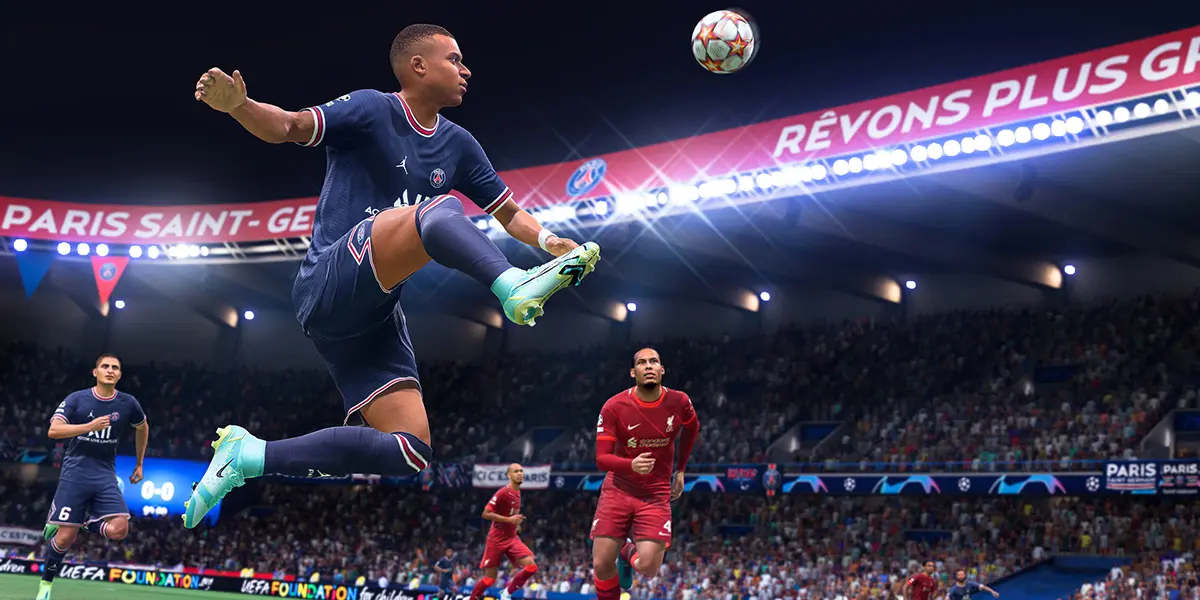
Sports games cover licensed simulations (FIFA, NBA 2K, MLB The Show), arcade sports (Rocket League, Mario Golf), and management sims (Football Manager). Licensing is the defining production constraint: teams, leagues, players, kits, and stadiums all carry rights fees. Studios without licence access build stylised sports (Golf With Your Friends, Windjammers 2) or manager sims (New Star Manager, Retro Bowl). Production cost sits mostly in animation, art, and licensing negotiation, not engine work. Physics quality and network code decide competitive credibility.
Adventure games
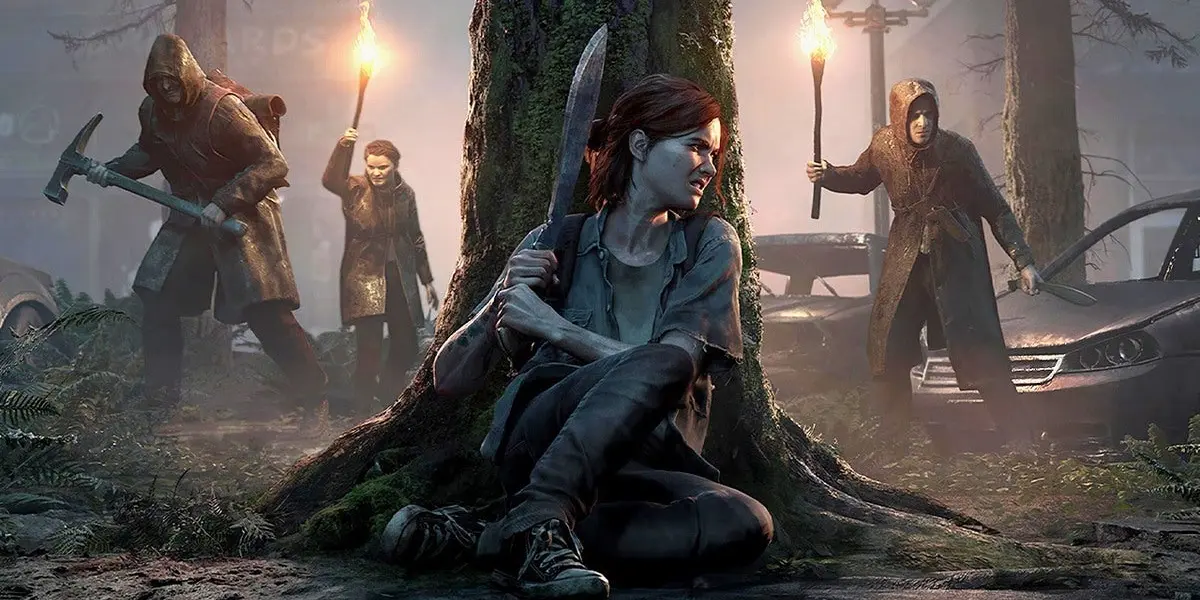
Adventure games lead with story, exploration, and puzzle-solving rather than combat. Point-and-click, walking simulator, narrative adventure, and metroidvania all sit under the umbrella. Recent reference titles include Pentiment, Cocoon, Norco, and Chants of Sennaar. Production cost scales with content volume, writing, voice acting, art scenes, and QA scales with branching. Adventure games often ship with 6-15 hour campaigns and rely on strong reviews for launch discovery, so demo-first release windows and store-page copy matter more than in most genres.
Puzzle games
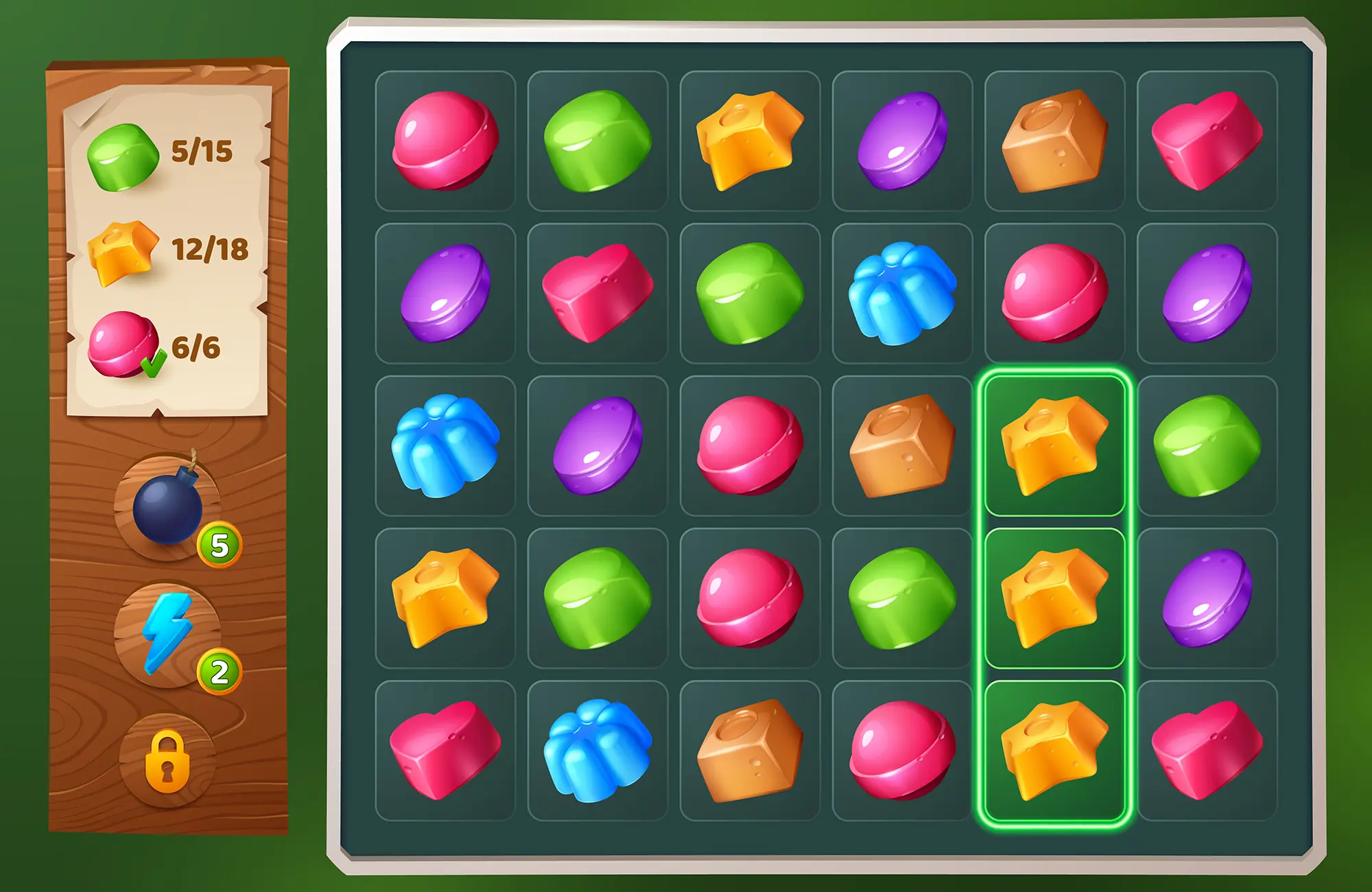
Puzzle games are compact by design and monetise well on mobile. Match-3, physics puzzle, logic puzzle, hidden object, word puzzle, and puzzle-platformer are the main sub-tags. Royal Match, Monument Valley 3, Toon Blast, and Baba Is You are the reference points. Puzzle production is level-design-heavy: the engine cost is low, but the content pipeline runs for the life of the product. Mobile puzzle titles ship 20-40 new levels per week to keep top-of-funnel and retention healthy.
Massively multiplayer online games (MMOs)
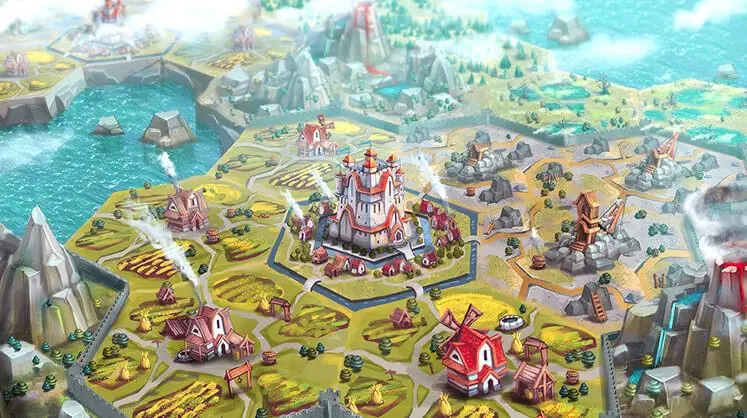
MMOs run persistent worlds with hundreds or thousands of concurrent players. The category includes MMORPGs, MMO shooters, sandbox MMOs, and social MMOs. Live indie and mid-budget references from 2024-2026: Albion Online, EVE Online, Pax Dei, Ashes of Creation (in alpha), and Throne and Liberty. MMO production is the most expensive category on this list because the game is really three products, a client, a server infrastructure, and a LiveOps content factory. Server engineering, load testing, and community operations are non-negotiable line items from day one. Game-Ace has delivered MMORPG development work as a co-development and full-cycle partner since 2005.
Casual and hyper-casual games
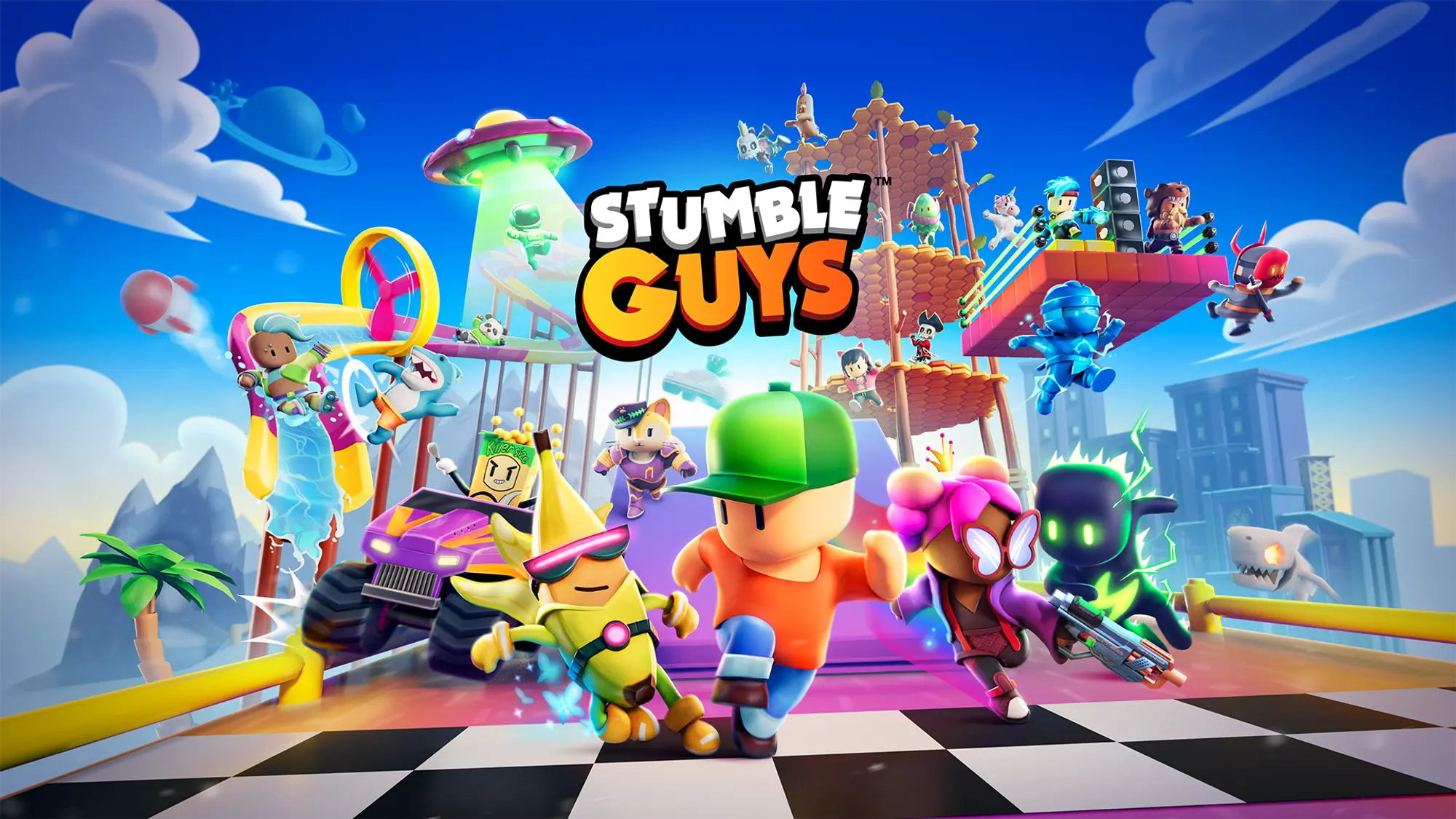
Casual games target broad audiences with short sessions and low learning curves. Hyper-casual is the sub-category with sub-30-second core loops and one-tap controls. Subway Surfers, Stumble Guys, and Royal Match anchor the casual side; the hyper-casual market has contracted since 2022 as CPI rose, and studios now blend hyper-casual mechanics into "hybrid-casual" formats with meta layers, progression, and IAP. Production cycles are short, a hybrid-casual prototype ships in six to twelve weeks, but the marketing test budget is often larger than the development budget.
Roguelikes and roguelites
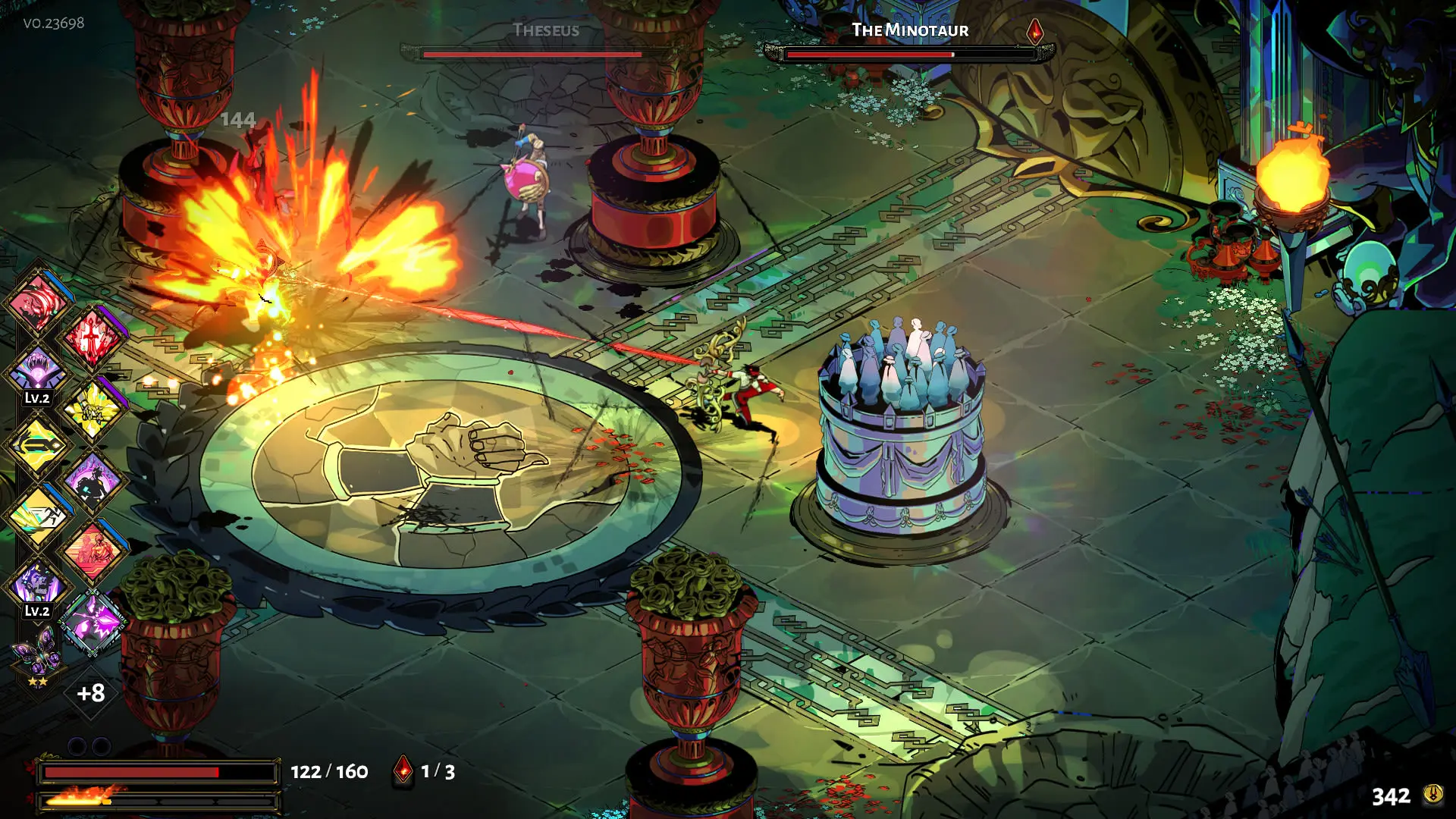
Roguelikes use procedural generation and permadeath to create high-replay-value runs. The modern reference set, Hades, Slay the Spire, Balatro, Vampire Survivors, Dead Cells, Peglin, has reshaped the indie chart since 2020. Balatro alone crossed 5 million units in its first year. The category is attractive to smaller teams because procedural content extends playtime without linear content cost, and the design loop is unusually well-suited to early-access iteration. QA has to cover the seed space, so automated run testing usually enters the pipeline early.
Survival and crafting games
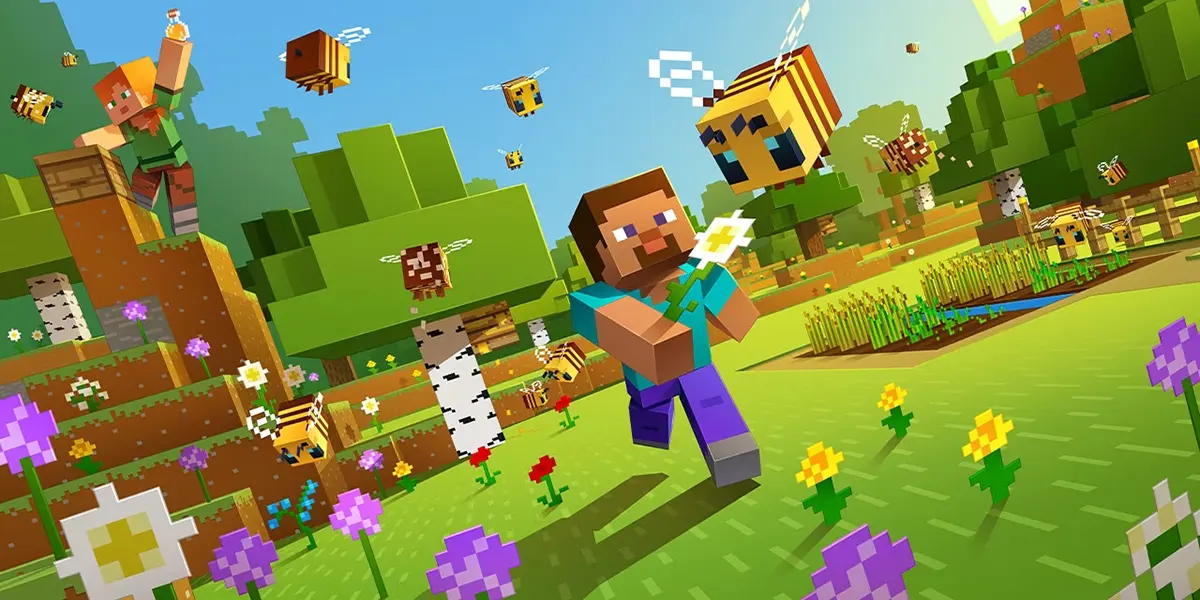
Survival games combine resource gathering, base-building, and threat management. Valheim, Palworld, V Rising, Enshrouded, and Nightingale are the current shortlist. The genre lives on early access, Palworld and Valheim both grew audiences through iterative updates over 18-36 months. Production risk sits in progression pacing and multiplayer sync. Dedicated servers, cross-play, and mod support are common table stakes. Survival titles benefit from strong community management and structured content roadmaps because retention depends on the next update as much as the last.
Video game genres: production and market snapshot
The table below compares the top eight video game genres on market size, target audience, development complexity, and typical indie-to-mid-budget range. Figures draw on Newzoo and Statista segment data and reflect indie and mid-budget project ranges, not premium releases.
| Genre | Market size (2025) | Core audience | Dev complexity | Typical budget (indie / mid) |
|---|---|---|---|---|
| Action / shooter | ~$40B | Broad, 16-40, mixed platforms | High | €120K - €1.5M |
| Role-playing (RPG) | ~$25B | 18-45, PC and console | Very high | €200K - €3M |
| Strategy | ~$8B | 25-50, PC-dominant | High (UI + AI) | €150K - €1.2M |
| Simulation | ~$12B | Wide, all ages | Medium | €80K - €800K |
| Sports | ~$18B | Male-skewed, 15-40 | Medium-high | €100K - €1M (unlicensed) |
| Puzzle / casual | ~$22B | Broad, female-skewed on mobile | Low-medium | €40K - €400K |
| MMO | ~$15B | 20-40, PC-first | Very high | €500K - €5M+ |
| Roguelike / survival | ~$4B | 18-35, PC-first | Medium | €60K - €600K |
Sources: Newzoo Global Games Market Report and Statista Digital Market Insights, Video Games segment.
How to choose a video game genre for a project
The right video game genre for a project is the one that matches the team's production strengths, the target audience's session behaviour, and the commercial model the publisher can support. A four-person team should not scope an MMO. A studio with strong 2D art but no backend engineers should not scope an extraction shooter. Buyers who have already picked a platform (mobile-first, PC early-access, console) narrow the genre shortlist automatically because platform economics rule out large parts of the map.
- Match the core loop to team skills already on staff, not skills you plan to hire.
- Pick a monetization model that matches the genre, premium for narrative, F2P with IAP for casual, LiveOps for MMO and hero shooter.
- Confirm the reference set has recent commercial hits, not only 2015-2018 titles.
- Scope for the smallest viable release, then plan post-launch content in the same document.
- Budget QA to genre, procedural games need automated run testing, MMOs need load testing from month one.
Video game genres in Game-Ace production: one case
The case below shows how Game-Ace approaches production for one video game genre, sports management. It was scoped, built, and delivered with the client under NDA. Full case details are on the Game-Ace portfolio.
Welcome to Cricket Manager, a sports management MMO by Game-Ace

Cricket Manager is a mobile sports management MMO where players train bowlers, manage club finances, and compete in league and cup play against other clubs. We built it full-cycle and in-house, running all match calculation on the server so the client stayed fast across a worldwide player base.
Scoping a new video game genre project
If you are scoping a new video game genre or reworking an existing title into a stronger genre fit, talk to Game-Ace.
Related reading on genre-specific production
- MMORPG development: production considerations for large-scale online games.
- Battle royale game production: scope and development considerations for shooter-adjacent projects.
- Video game development cost: budget planning across different game genres.
When to talk to Game-Ace about game genre production
When a video game genre decision is on the table, a first project, a pivot, a live game that needs a new mode, Game-Ace's full-cycle game development team scopes production around the genre's real constraints. Since 2005, Game-Ace has delivered 200+ games across mobile, browser, PC, and multiplayer categories with a 120+ specialist team working under NDA and with full IP transfer. Engagement can start as team extension, co-development, or a full turnkey build depending on where the project sits.
 How MetaHuman changes game character development
  Game development for startups: budget and MVP guide
 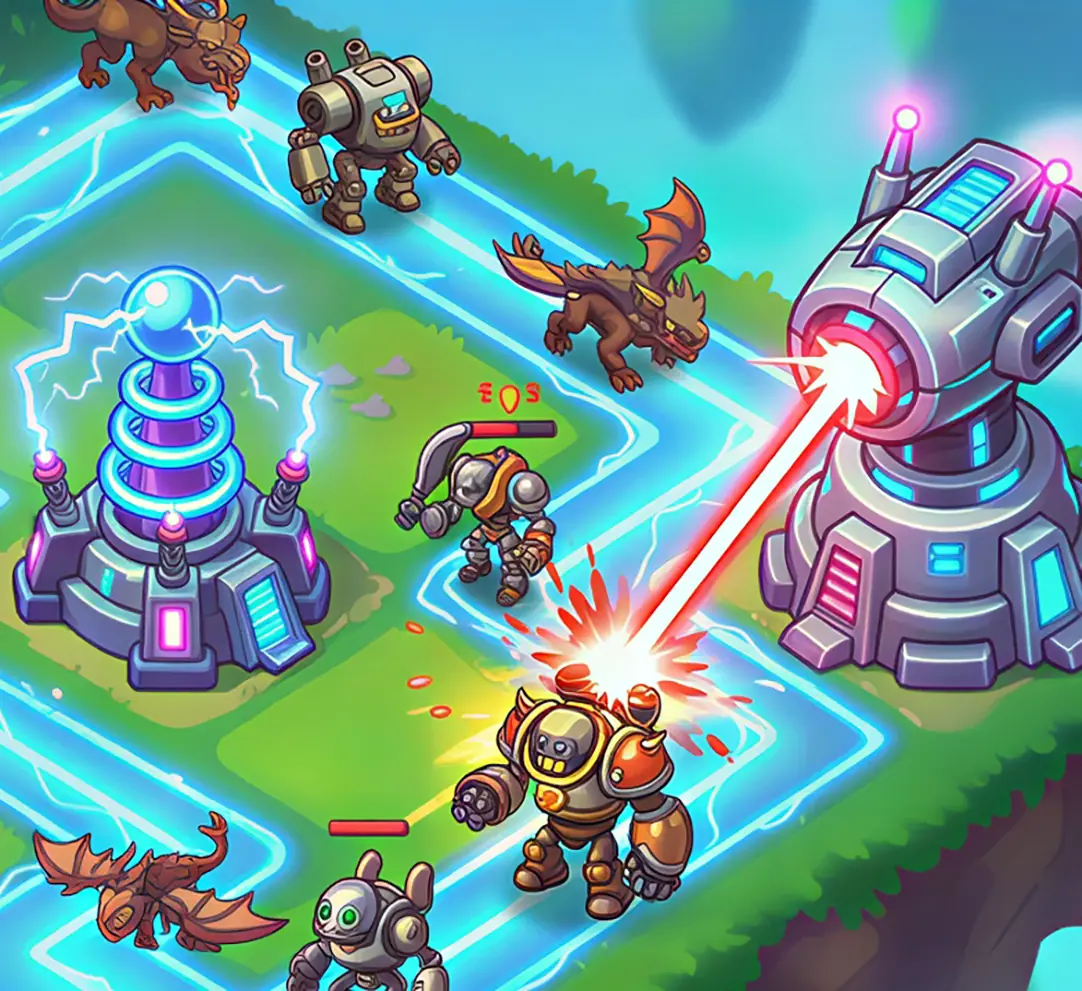 Engineering tower defense games from prototype to live service
  Idle game development: a full production guide
  Gamification in recruitment: what actually works