Each milestone is reviewed against retention targets and validated mechanic data.







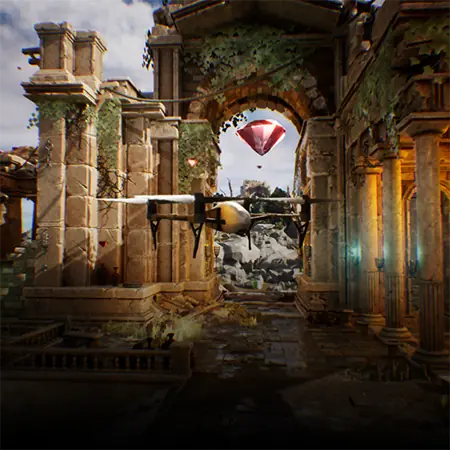
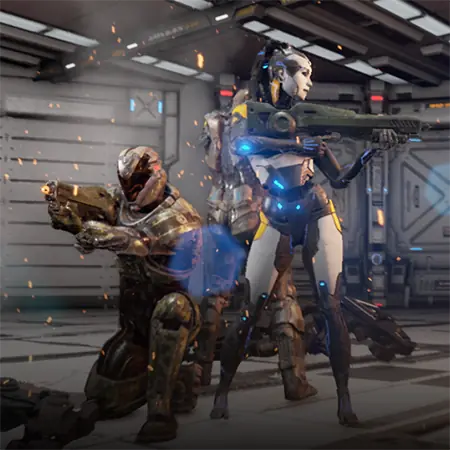

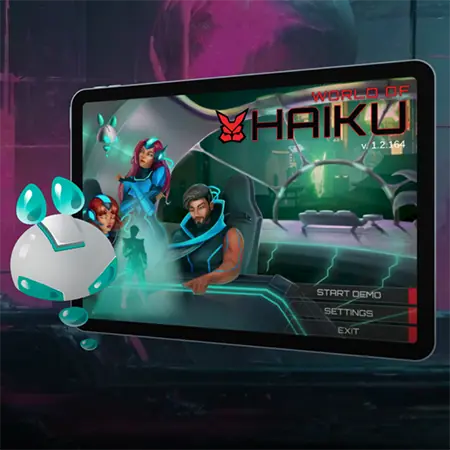
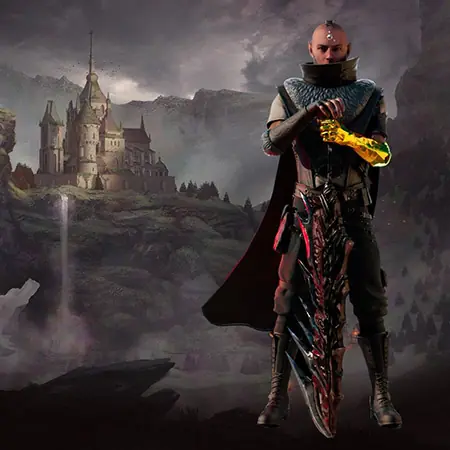
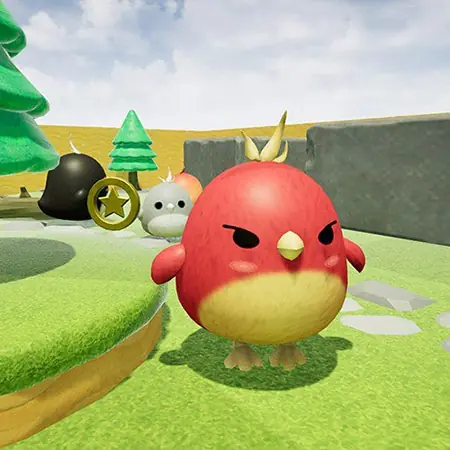
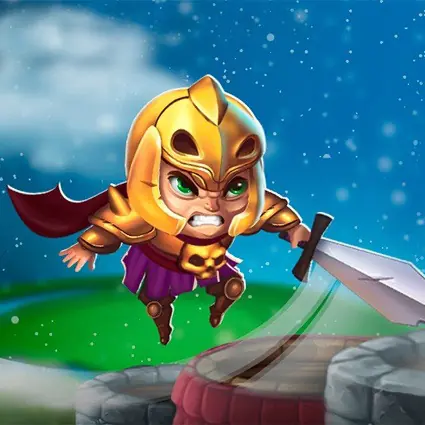
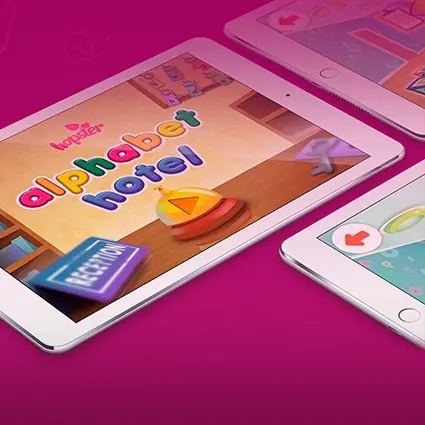
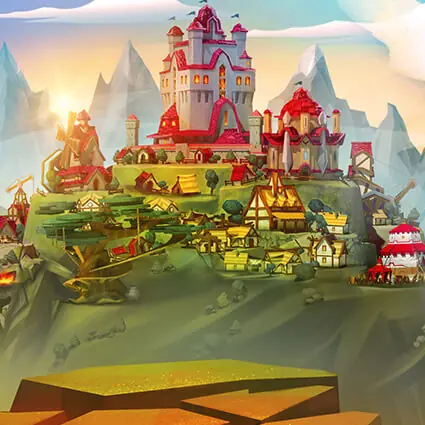

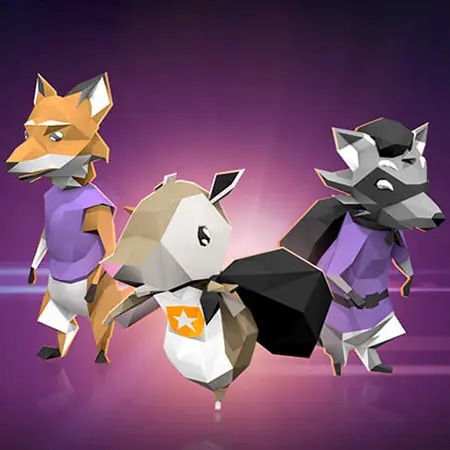


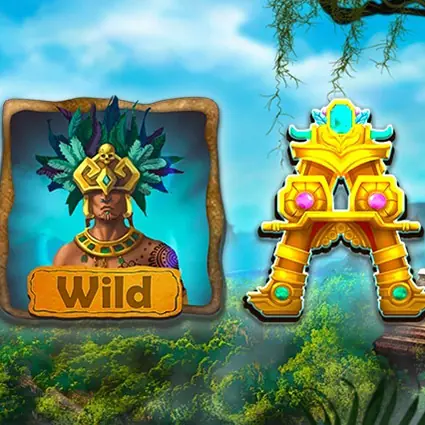
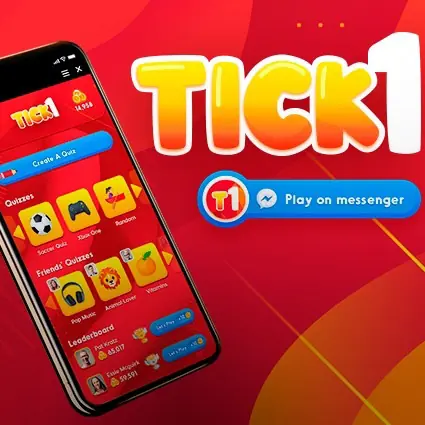


Game-Ace develops puzzle games for mobile, web, and iGaming clients where the mechanic design and difficulty curve carry the title rather than the surface visuals. Production covers mechanic research, prototype validation, art, engineering, and post-launch live operations. Delivery models include full-cycle production, co-development on existing puzzle titles, and team extension for specific engineering or art capacity.
Discuss your project




End-to-end production covering mechanic research, GDD, prototyping, art, engineering, QA, and live operations setup before launch on the target platforms.

Genre research, competitor mechanic review, and validation passes that test core loop retention against benchmark data before scope is committed to production.

Level structures, difficulty progression, and content authoring tools that let live ops teams extend the title without engineering rework after launch.

2D and 3D art production for puzzle titles with style references agreed before sculpting. Atlas budgets and animation runtime targets are set against the platform.

Rewarded ad, IAP, and analytics integration with live ops tooling for content drops, A/B tests, and difficulty tuning based on player metrics from the launched title.

Builds for iOS, Android, web, and Facebook Instant Games from a shared codebase, with platform-specific integration and store submission handled in-house.
More than two decades in game development.
In-house production team across key disciplines.
Delivered across selected game genres.
Puzzle games succeed when the core loop sustains the player past the first session. The mechanic has to be readable in seconds, the difficulty curve has to push without frustrating, and the content authoring tools have to let the live ops team release new levels without engineering rework every time. Game-Ace structures puzzle projects around validated mechanic data and authoring tools from the start rather than retrofitting them once early-launch metrics surface gaps in the title's retention behaviour.
Game-Ace develops casual mobile puzzle titles, match-3 and tile-based games, hidden object games, hypercasual puzzlers, and web-based puzzle titles for browser and iGaming clients. Delivery models include full-cycle production for a new title, co-development on an existing puzzle game adding mechanics or live ops support, and team extension to add specific engineering or art capacity. Cross-platform release scope is agreed during discovery so codebase and asset structure match the target distribution channels.
Game-Ace delivers puzzle titles that hold up under live retention metrics rather than only at first-launch QA.

A focused mobile puzzle title with a defined core loop and single platform build at Game-Ace typically starts from €60,000. Full-featured puzzle games with live ops infrastructure and cross-platform release usually fall in the €120,000–€300,000+ range. Pricing depends on level count, art complexity, and live ops authoring scope.
Get a QuoteWe review the target audience, competitor mechanics, retention benchmarks, and platform constraints. Output is a documented brief for mechanic validation.
Playable prototypes test the core loop and difficulty curve against benchmark retention data. Findings feed mechanic adjustments before full production starts.
Level structures, progression systems, and content authoring requirements are documented. Authoring tool scope is agreed before engineering production begins.
Engineering, art, and level content run in coordinated sprints. Milestone builds are reviewed against retention targets and mechanic validation data.
Functional QA, device matrix testing, and soft-launch readiness validation run in parallel. Findings feed regression fixes and live ops configuration tuning.
Release covers target platforms with live ops authoring tools configured. Post-launch sprints handle content drops, difficulty tuning, and seasonal updates.
Each milestone is reviewed against retention targets and validated mechanic data.
Game-Ace delivers a complete puzzle game with level authoring tools, source code, monetisation integration, and full IP transfer at project close, ready for cross-platform release.













GSN Games is one of the global leaders in mobile social casino games.
Program-Ace and GSN Games have been working closely together on the development of several online games.

Game-Ace’s support was integral to the success of this project. Without them, the client wouldn’t have been able to complete the work on time.
They were responsive and their work was high quality – the client rarely had to share constructive criticism.

Game-Ace has successfully integrated with the in-house development team and has earned more responsibility as the engagement has prospered.
By quickly adapting to a sophisticated technology stack, they have helped to increase product quality and reduce an extensive task backlog.

Game-Ace is a custom game development studio, operating as a division of Program-Ace, a globally recognized software development company. Since 2005, our team has successfully delivered numerous 2D and 3D game projects. Our commitment to innovation, exceptional quality, and utmost customer satisfaction has firmly established Game-Ace as a trusted and reliable partner in the industry.