Simulation game development

Game-Ace develops simulation games and training simulators for enterprise and industrial clients. Engineering is built around accurate mechanics, defensible physics, and real-world reference data so the simulation behaves the way trainees and stakeholders need it to. Delivery models include full-cycle production through to team extension, with builds shipped for Unity, Unreal Engine, and VR headsets.

Discuss your project
Forbes Technology Council badge
Game-Ace TopDevelopers top mobile game developers badge
Game-Ace Epic MegaGrants recipient badge
Game-Ace Unity Certified Developer badge
Game-Ace IAOP Global Outsourcing 100 recognition badge
Game-Ace top AR VR development company gaming 2026 Clutch

Simulation game development services

Training simulator development for enterprise

Training simulator development

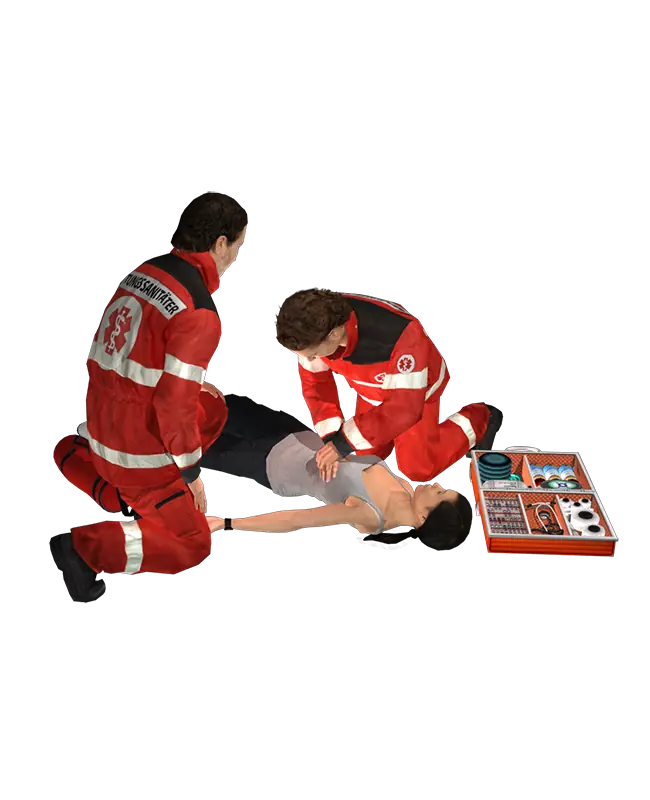
Custom training simulators for industrial, medical, aviation, and operational scenarios. Scenario logic, scoring systems, and instructor dashboards are built around documented training outcomes.

Simulation game post-launch support

Post-launch support and updates

Recurring sprints handle scenario updates, hardware compatibility for new VR devices, instructor dashboard improvements, and integration changes with client LMS or analytics systems.

Quick facts about Game-Ace

2005 Founded

More than two decades in game development.

120+ Specialists

In-house production team across key disciplines.

200+ Games

Delivered across selected game genres.

What makes a simulation game commercially viable

Simulation games succeed when the mechanics map to real decisions trainees or players actually make. The simulation has to be defensible against subject-matter review, performant on the target hardware, and structured so scenario content can be extended without rebuilding the core systems. Game-Ace structures simulation projects around documented reference data and scenario specifications, so the build can be validated by subject-matter experts at every milestone rather than only during final QA before deployment to trainees.

Simulation formats we develop

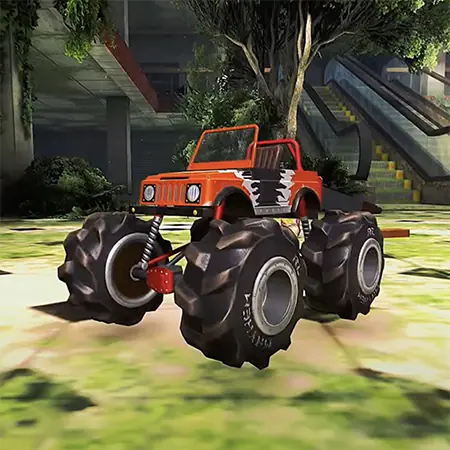
Game-Ace develops training simulators for regulated industries and operational scenarios, as well as commercial simulation games across vehicle, management, and life simulation genres. VR and desktop builds are scoped together under one engagement when the client needs both delivery formats from the same studio. Engagement models include full-cycle delivery for a single training programme, co-development on an existing simulation platform, and team extension to add specific engineering or art capacity to your in-house team.

Share your simulation scope and reference materials. We will put together a production plan and cost estimate.
Discuss Your Project

Why choose Game-Ace for simulation development

Game-Ace delivers simulations that hold up to subject-matter review while remaining maintainable as scenarios and hardware evolve.

  1. Subject-matter-driven design. Simulation systems are built around documented reference data and validated against client subject-matter experts at each milestone.
  2. Production engineering for long-life builds. Scenario content, scoring logic, and instructor tools are separated from core systems so the simulation can be extended without rebuilds.
  3. VR and desktop delivery from one studio. Simulation builds for VR headsets and desktop are scoped under one project, with shared interaction logic and asset pipelines.
  4. Flexible engagement models. Full-cycle delivery, co-development on existing simulation platforms, and team extension are available from the same studio.
  5. NDA and full IP transfer. Source code, scenario data, reference documentation, and art assets transfer to the client. NDA is signed before any technical review.
Benefits of Simulation Games

Cost of simulation game development

A focused training simulator with a defined scenario and single platform build at Game-Ace typically starts from €90,000. Multi-scenario simulators with VR support and instructor dashboards usually fall in the €150,000–€350,000+ range. Scope, scenario count, reference data integration, and platform targets are the main cost variables agreed during discovery.

Get a Quote

Our clients trust us

Unity logo Wargaming logo Bigpoint logo Namco logo Hopster logo Kalypso media logo

Our simulation development process

1.
Discovery and reference review

We review training objectives, reference data, hardware constraints, and stakeholder requirements. Subject-matter experts are identified for validation checkpoints.

2.
Scenario and systems design

Scenario flows, scoring logic, interaction patterns, and physics requirements are documented. The simulation systems architecture is agreed before production.

3.
Prototype

Playable prototypes validate physics, interaction, and core scenario behaviour with stakeholders before full art and content production begins.

4.
Production

Engineering, art, and scenario content run in coordinated sprints. Milestone builds are reviewed against the agreed scenarios and subject-matter validation criteria.

5.
QA and subject-matter validation

Functional QA, performance testing, and subject-matter expert review run in parallel. Findings feed regression fixes and scenario adjustments before deployment.

6.
Deployment and support

Release covers target platforms and any client LMS or analytics integration. Post-launch sprints handle scenario updates and hardware compatibility.

Each milestone delivers a build that can be reviewed by client subject-matter experts.

Simulation game project deliverables

Simulation game development deliverables

Game-Ace delivers a complete simulation product with source code, scenario data, training documentation, and full IP transfer at project close, ready for enterprise or training platform deployment.

  1. Game design and scenario documentation. GDD, scenario flows, scoring logic, and interaction specifications maintained throughout production.
  2. Simulation source code. Full source for the simulation client and any backend services, with architecture and build pipeline documented.
  3. Art and 3D assets. Environment models, vehicle and equipment assets, characters, and UI elements produced for the simulation, with source files.
  4. Scenario content pack. Configurable scenario data and authoring tools where applicable, so the client can extend content without engineering rework.
  5. QA reports. Test plans, regression results, performance reports, and subject-matter validation records covering the agreed scenarios.
  6. Post-launch support window. Agreed support period for regression fixes, hardware compatibility updates, and scenario content adjustments.
Get started
Play button

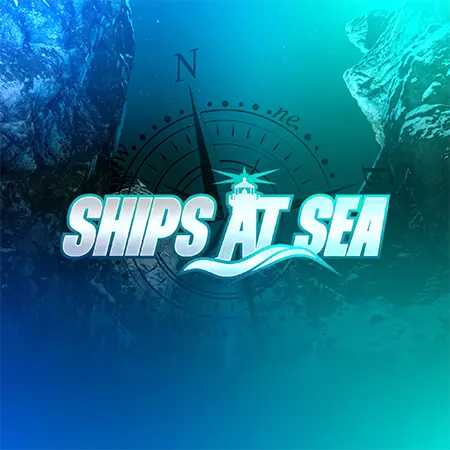
Case Study: Ships At Sea

  • Ships At Sea exemplifies a large-scale maritime simulator project, realized as a multiplayer experience across commercial fishing, cargo transport, and service operations. It's skillfully crafted with Unreal Engine 5, Nvidia WaveWorks, Blueprints, C++, Blender, and Substance Painter.
Learn More

They Trust Us 

Testimonials 

Stuart lewis smith avatar
Stuart Lewis-Smith Senior Vice President at GSN Games

GSN Games is one of the global leaders in mobile social casino games.

Program-Ace and GSN Games have been working closely together on the development of several online games.

Alexandre martel avatar
Alexandre Martel 3Mind Games, CEO

Game-Ace’s support was integral to the success of this project. Without them, the client wouldn’t have been able to complete the work on time.

They were responsive and their work was high quality – the client rarely had to share constructive criticism.

Ralf baumann avatar
Ralf Baumann WHOW Games GmbH, COOv

Game-Ace has successfully integrated with the in-house development team and has earned more responsibility as the engagement has prospered.

By quickly adapting to a sophisticated technology stack, they have helped to increase product quality and reduce an extensive task backlog.

Simulation game development FAQ

Single-scenario training simulators typically take 4 to 7 months. Multi-scenario simulators with VR builds and instructor dashboards usually run 9 to 15 months. Production time depends on reference data availability, scenario count, and subject-matter validation cadence.

Most simulation projects use Unity or Unreal Engine. Unity is the typical choice for cross-platform training simulators, mobile builds, and VR work targeting Meta Quest. Unreal Engine is used when the scenario requires high-fidelity rendering or relies on Unreal-specific systems for vehicle or character physics. The engine is selected during discovery based on hardware targets and reference assets.

Simulation builds can report progress, scoring, and trainee performance to client LMS or analytics systems via the documented API. SCORM, xAPI, and custom REST integrations are common patterns. The integration scope is agreed during discovery so reporting fields and event schema match what the client platform expects.

Validation is structured around subject-matter expert reviews at each milestone:
  • Reference data and scenario specifications are documented during discovery.
  • Playable prototypes are reviewed against documented behaviour before production scales.
  • Milestone builds are signed off by client subject-matter experts.
  • Final QA includes a validation pass against the agreed scenarios.
This structure catches divergence from real-world behaviour early, before it gets embedded in art and content.

VR builds are produced for Meta Quest 2 and Quest 3, Pico, and PC VR headsets via OpenXR. Interaction patterns, hand tracking, and locomotion are selected based on the trainee profile and scenario duration. VR-specific QA covers comfort, performance, and device matrix coverage.

Co-development covers defined modules such as new vehicles, scenarios, AI agents, or VR interaction layers added to an existing simulation. We review the codebase, agree on interface boundaries, and align on integration milestones before sprints begin. Repository access and CI alignment are set up during onboarding.

All source code, scenario data, art assets, and supporting documentation produced during the engagement transfer to the client at project close. NDA and IP transfer are signed before any technical review, and no material is retained by Game-Ace after handover.
Futuristic game robot running through a purple portal
Get in touch
menu
Get in touch
Game-Ace logo loader