
3D character modeling is the process of building a game-ready three-dimensional character mesh, from blockout and sculpt to retopology, UV mapping, texturing, and rigging-ready handover. A modern pipeline combines polygonal modeling in Maya or Blender with digital sculpting in ZBrush, followed by clean retopo and PBR texturing so the character imports cleanly into Unity or Unreal Engine 5.
If you are scoping a hero character pipeline or co-development on 3D character art, talk to Game-Ace.
How 3D character modeling fits into a modern game pipeline
The pipeline usually starts with a concept sheet and a technical brief that lists polycount budget, target engine, LOD count, and rig type. From there the modeler produces a rough blockout to lock silhouette and proportions before any surface detail is added. Sculpt-heavy characters then go into ZBrush for high-frequency detail. Hard-surface armour and props are typically modeled directly with edge loops in Maya, Blender, or 3ds Max.
Retopology comes next: the high-poly sculpt is used as a shape reference while a clean low-poly cage is built for real-time use. UVs are laid out with attention to texel density, and PBR maps are baked and painted in Substance Painter. The final handover to rigging includes the low-poly mesh, UVs, baked normal and AO maps, PBR texture set, and an FBX or glTF export aligned to the target engine's up-axis and unit scale. See game art design for how this stage fits the wider art pipeline.
Which modeling approach fits the character brief
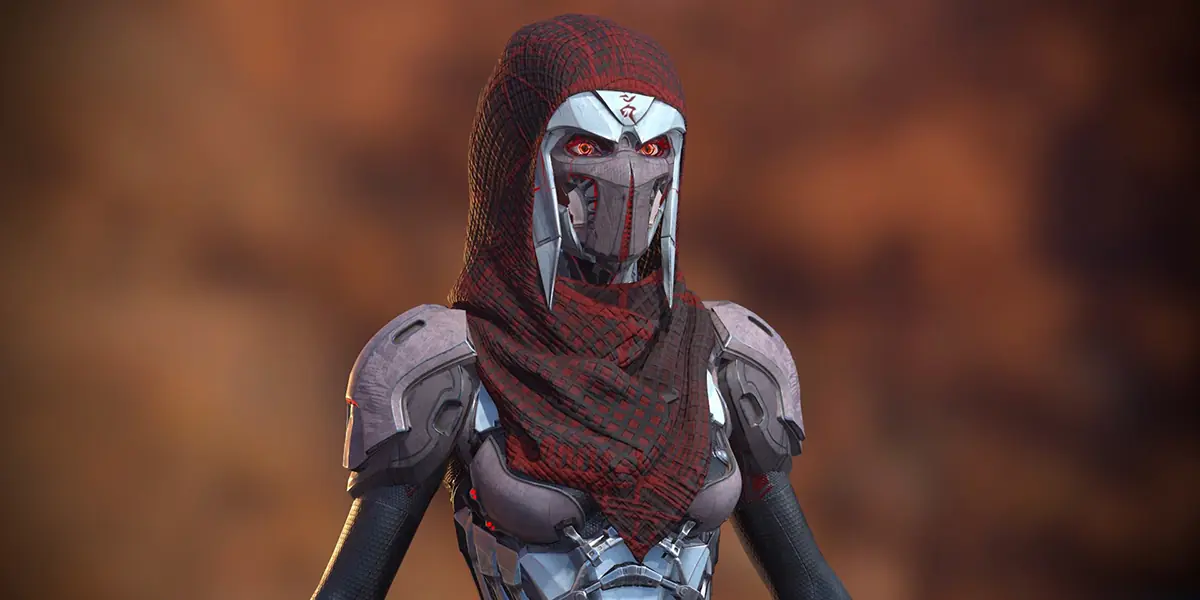
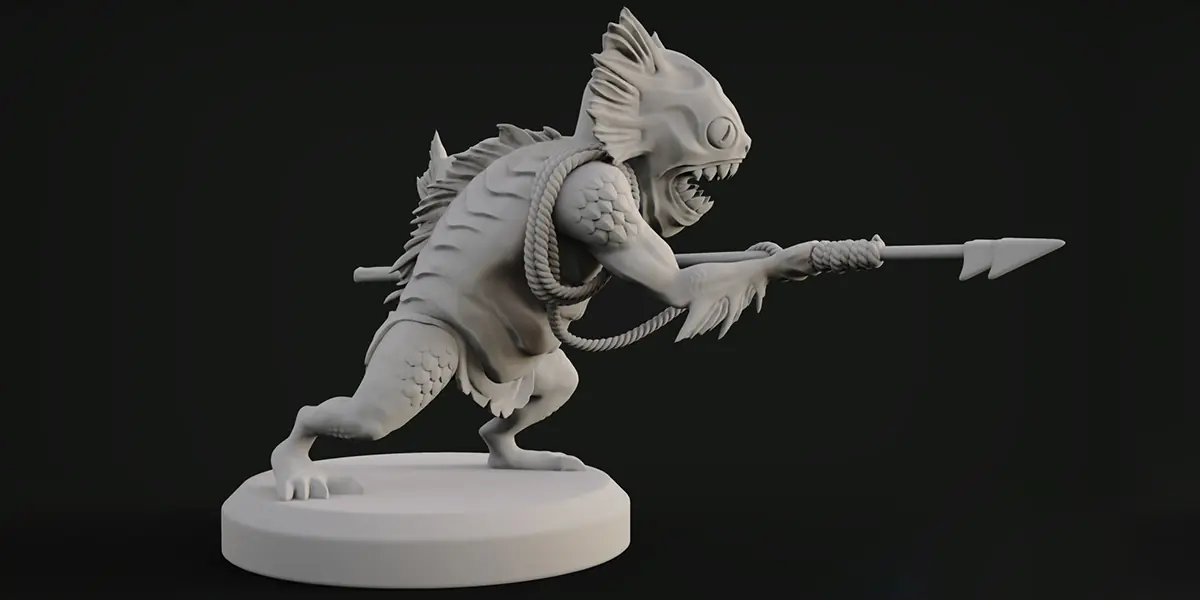
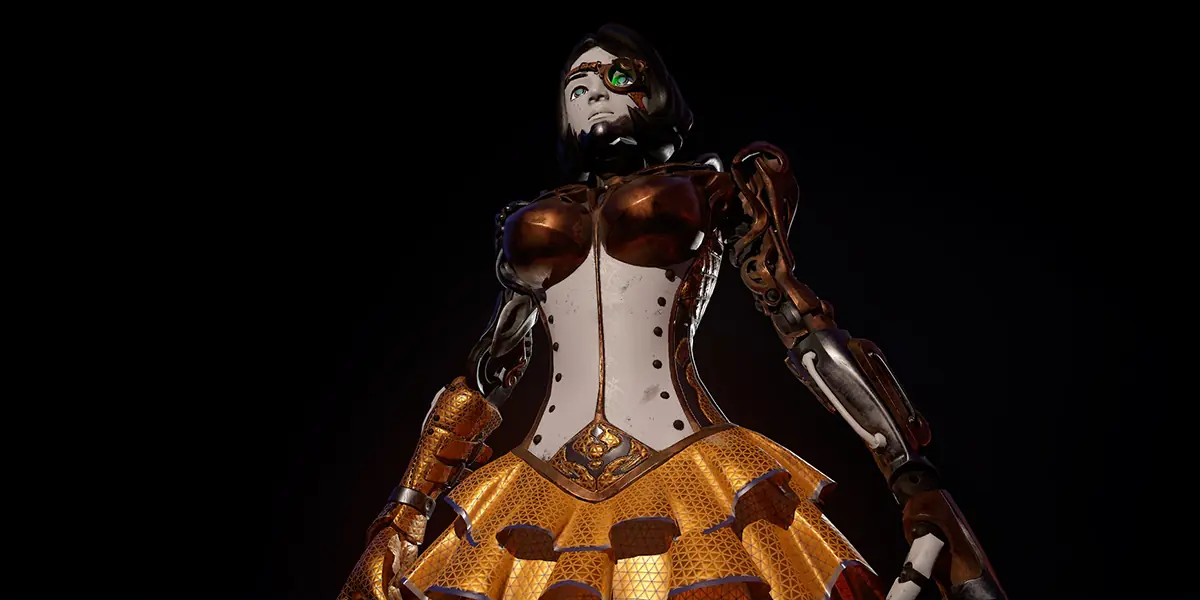
There is no single best method for 3D character modeling. The right approach depends on style, polycount budget, and how much unique surface detail the character needs.
| Approach | Primary tools | Typical time per hero | Best for |
| Poly-modeling | Maya, Blender, 3ds Max | 5-10 days | Stylised, hard-surface, low-poly heroes |
| Sculpt-then-retopo | ZBrush, Blender, Maya | 10-20 days | Realistic hero characters |
| Photogrammetry | RealityCapture, Metashape, ZBrush | 8-15 days | Actor-matched characters, digi-doubles |
| Procedural / generator | MetaHuman, Character Creator 4 | 2-5 days | NPC rosters, previz, crowd characters |
Software most studios reach for
Blender and ZBrush cover the majority of production work. Blender has become a full DCC for both poly-modeling and sculpting, with strong retopo and UV tooling; the open-source project is maintained by the Blender Foundation. ZBrush remains the industry benchmark for high-frequency character sculpting and is now developed as ZBrush by Maxon. Maya and 3ds Max still dominate at larger studios for rigging-heavy pipelines; Substance Painter is the default texturing tool for PBR, and Marvelous Designer handles simulated cloth that is later imported and retopologised. Teams scoping this work often hire 3D artists or hire character designers for a defined roster.
What a production-ready character mesh looks like
- Manifold, quad-dominant topology with proper edge flow at deformation zones (elbows, knees, shoulders, mouth).
- Polycount within budget: usually 20k-40k tris for mobile hero, 40k-80k for console-mid, 80k-150k for a hero on current-gen engines.
- UVs within 0-1 space, non-overlapping, consistent texel density.
- PBR texture set: base color, normal, roughness, metallic, ambient occlusion, packed as the target engine expects.
- LODs generated with edge-collapse or manual authoring, usually LOD0 through LOD3.
Cost and timeline ranges for 3D character modeling
A single stylised hero character usually takes 2-4 weeks and lands in the €3,000-€8,000 range for a mid-complexity brief. A realistic hero with full sculpt, retopo, PBR, and hair cards is closer to 4-8 weeks and €8,000-€20,000. NPC rosters price per character with volume discounts. Cost drivers: outfit complexity, number of unique material zones, hair type, face rig requirements, and how many LODs the engine build needs. If you are scoping a full roster, 3D game art outsourcing covers team-scale engagement.
A character modeling case from the Game-Ace portfolio
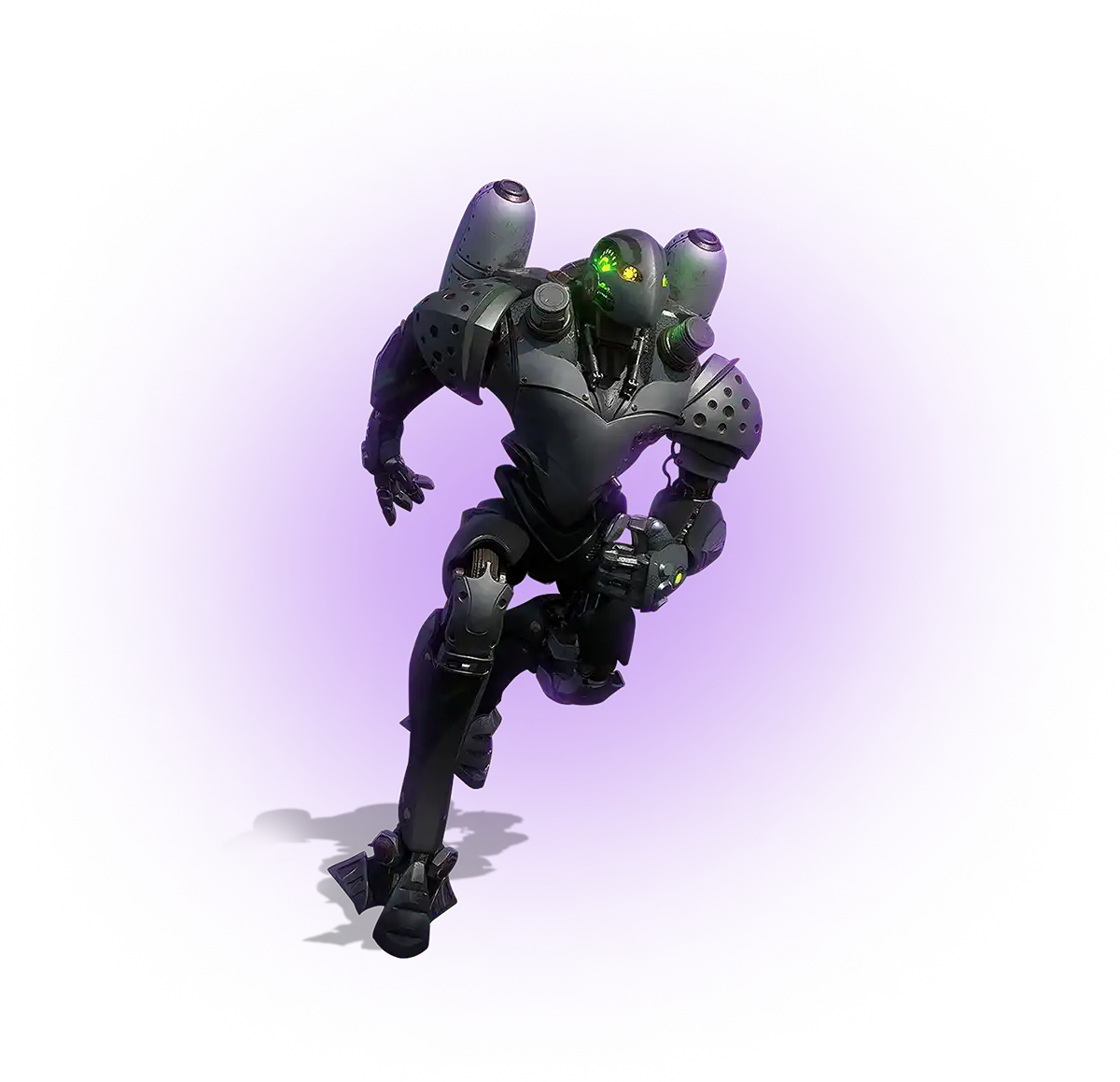
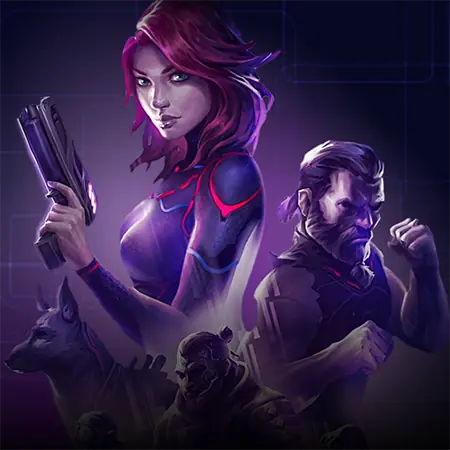
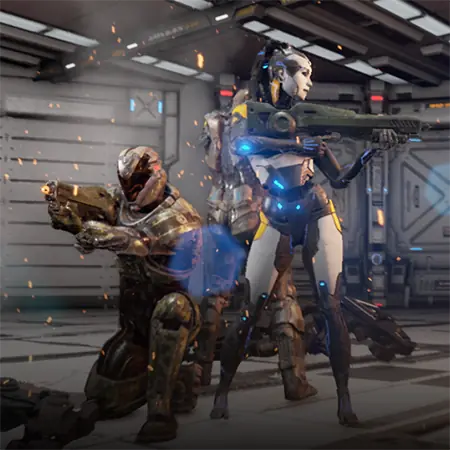
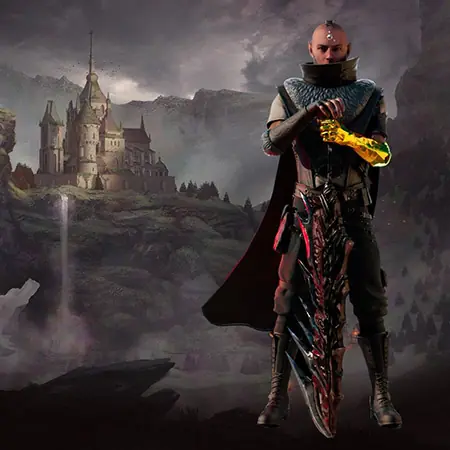
Welcome to The Protagonist: EX-1, a tactical RPG by Game-Ace
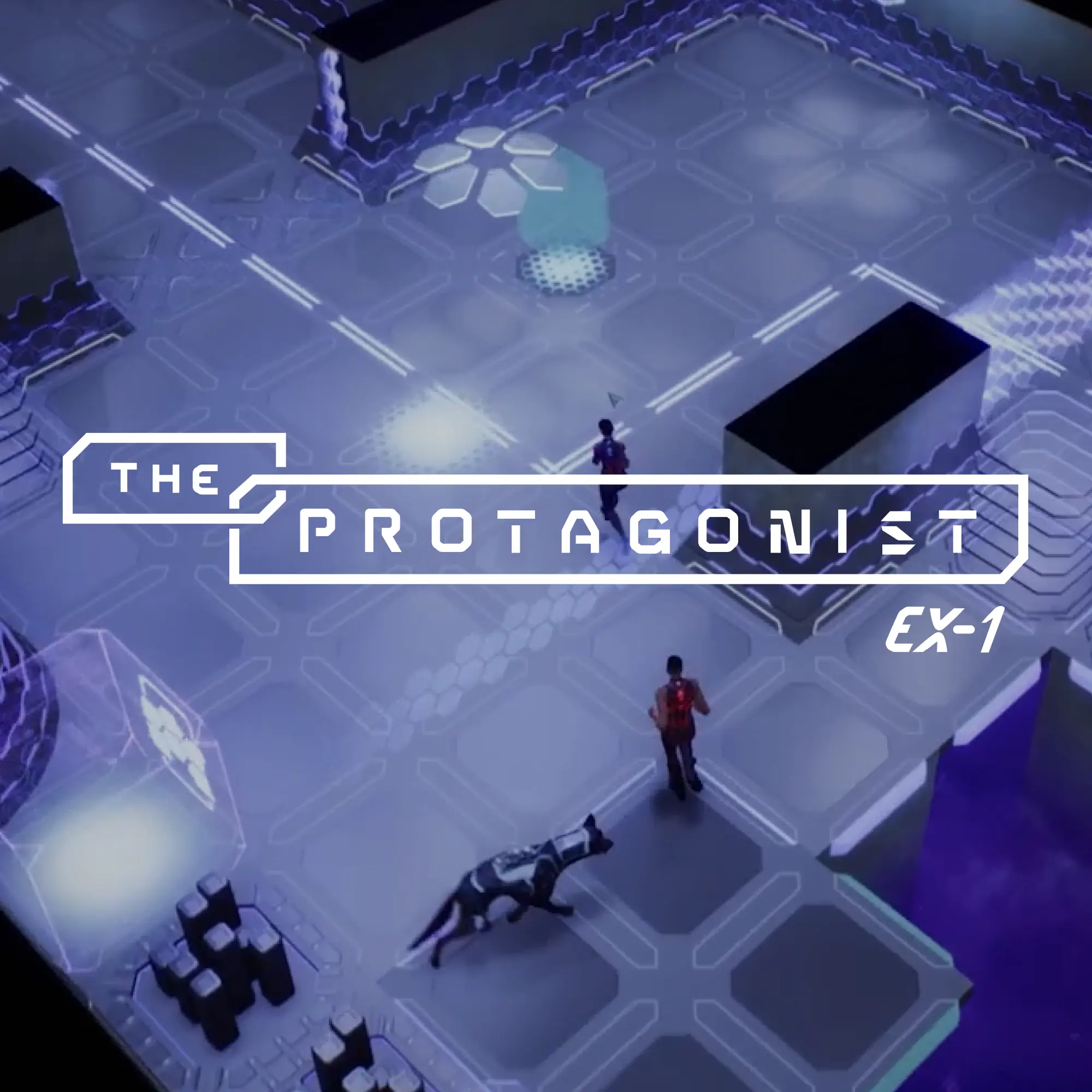
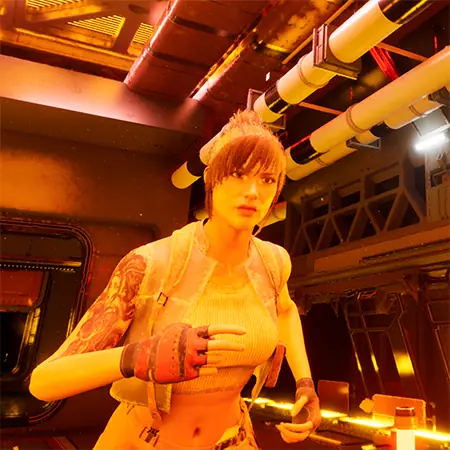
The Protagonist: EX-1 is a tactical RPG where Game-Ace's team worked on 3D character animation and combat movement using Autodesk Maya, alongside UI/UX systems across combat, exploration, and hub areas in Unreal Engine 4, all delivered as part of a shipped, publicly available Steam release.
Related reading and next steps for character teams
If you are planning full-pipeline character work, these related resources cover adjacent stages:
- High-poly models and low-poly models, sculpt and budget reference.
When to talk to Game-Ace about 3D character modeling
If 3D character modeling is on the roadmap for your next title, Game-Ace's custom game development studio handles hero-character production, NPC rosters, and co-development with in-house art teams. The studio has been delivering game art since 2005, with 120+ in-house specialists covering concept, modeling, rigging, and animation under one roof, under NDA and full IP transfer.
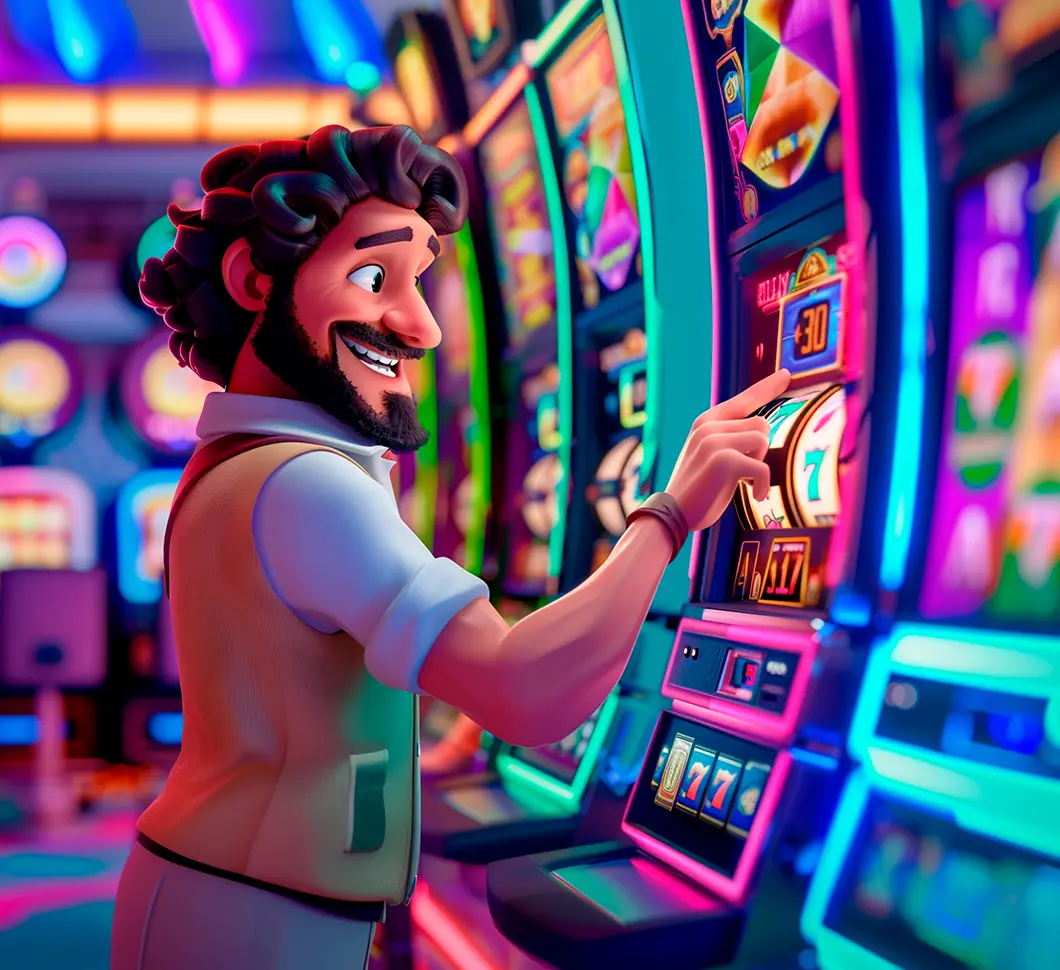 3D and AI avatars in casino: how they boost acquisition, retention, and time-on-device
 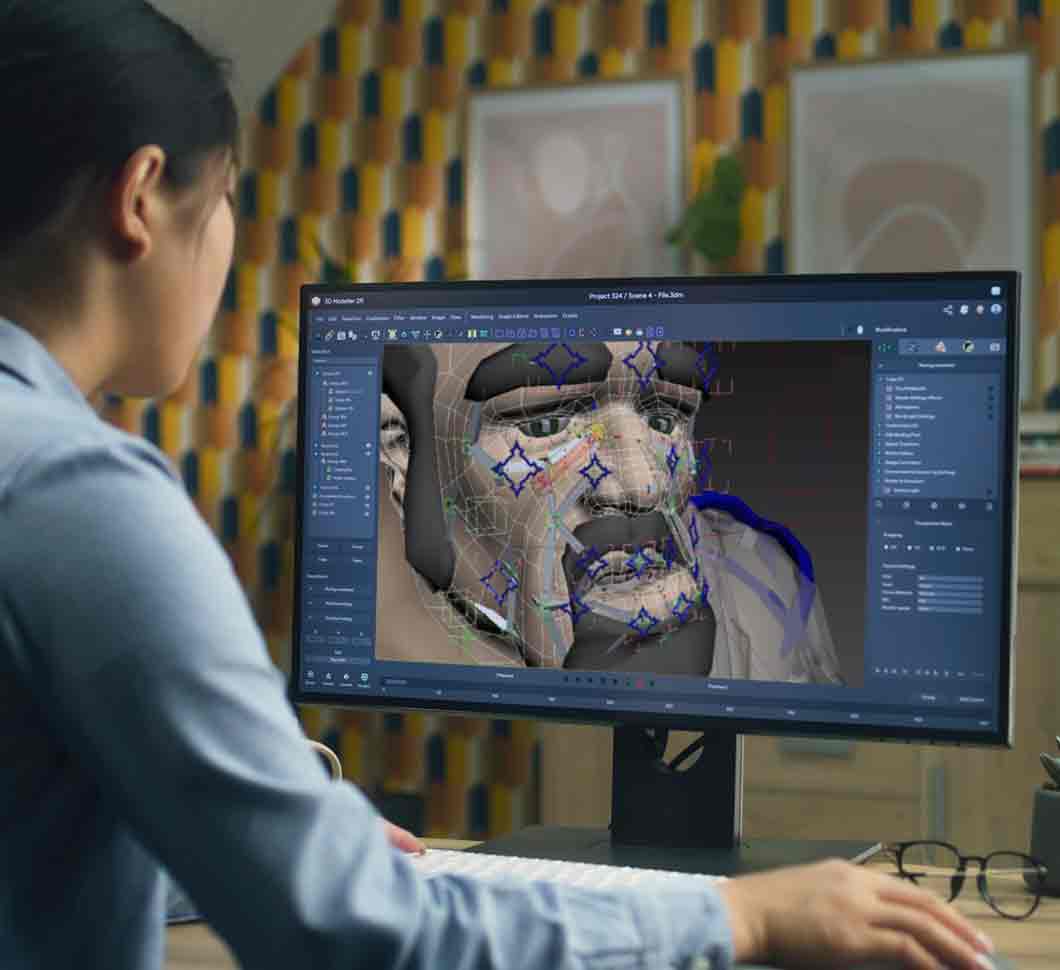 Character skinning for game-ready 3D animation
 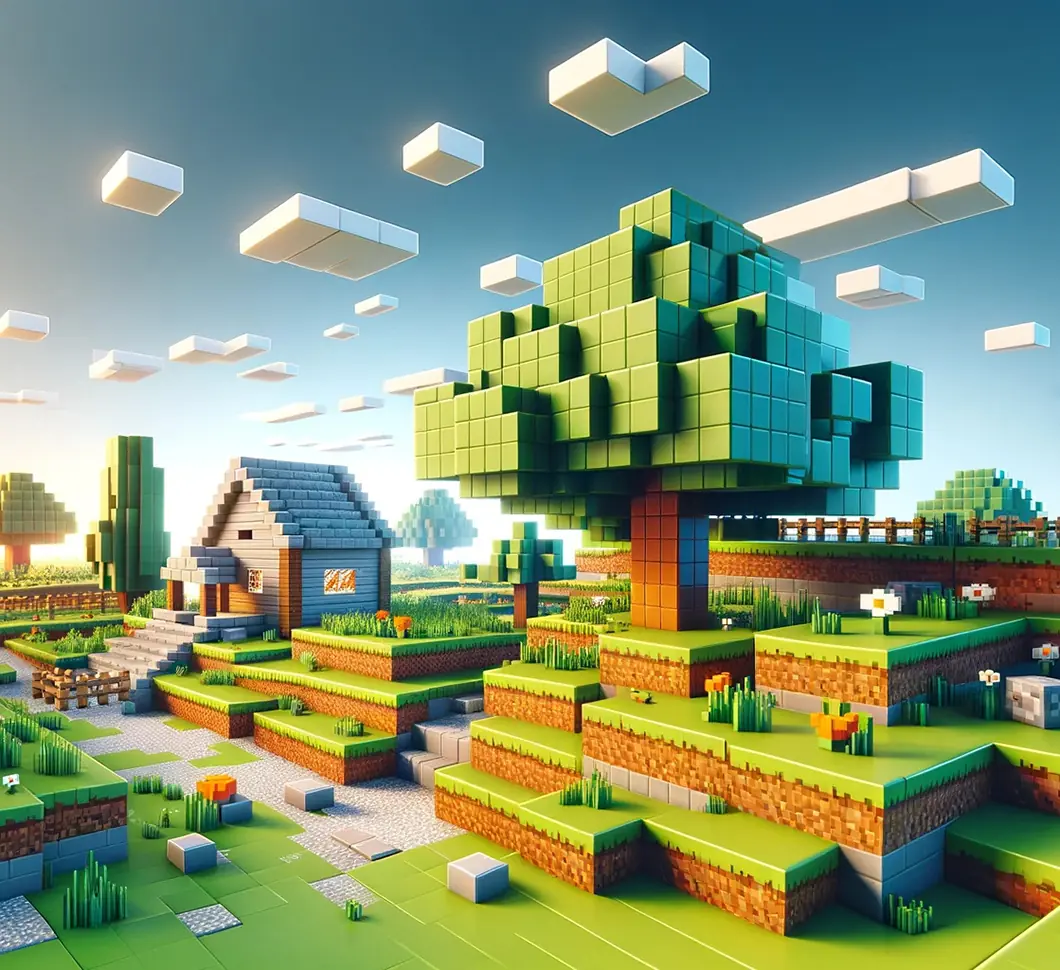 Procedural generation in games: what actually works in production
  3D modeling for video games: a production overview
  Unity 3D modeling: how to make and import models for your game