
Unity 6 is the first major Unity release after the 2022 LTS cycle and ships GPU Resident Drawer, STP upscaler, Foveated Rendering on Quest 3, Entities 1.3, and rebuilt Apple GPU and Adreno pipelines. Teams on Unity 2022 LTS with mobile, XR, or DOTS-heavy roadmaps should plan the upgrade. Teams shipping in the next quarter on stable 2022 LTS builds can stay put and migrate after their release window.
Release scope and Unity 6 versioning
Unity 6 shipped on October 17, 2024, replacing the yearly-numbered scheme (Unity 2022, 2023) with a single major-version line. Unity 6.0 is the current LTS-equivalent tech stream, and Unity 6.1 entered preview with additional rendering and platform fixes. The rename reflects Unity's move to a semantic versioning cadence closer to Unreal's, and it also signals that 2023.x is not receiving further feature work.
For studios, this changes upgrade planning. Instead of picking between Tech Stream and LTS on the same year, teams choose between staying on Unity 2022 LTS or moving to Unity 6 for new features. Unity 6 itself is designated as long-term support, so it becomes the natural landing point for new projects.
Scoping a Unity 6 build or planning a migration from Unity 2022 LTS?
GPU Resident Drawer and rendering throughput
GPU Resident Drawer moves per-instance draw call preparation from the CPU to the GPU, which cuts main-thread cost on scenes with high object counts. It works with URP and HDRP and is enabled through a project setting, then requires DOTS Instancing-compatible shaders. Teams that hit CPU-side rendering limits in dense environments, RTS scenes, or open-world sections get the biggest gain.
In practice, the feature pairs with GPU Occlusion Culling to reduce overdraw on the GPU side as well. The combination is most useful when a scene has thousands of small-to-medium meshes sharing a few materials. For content-light gameplay scenes, the CPU savings are smaller and the setup work is not always worth the migration effort.
STP: Spatial-Temporal Post-processing upscaler
STP (Spatial-Temporal Post-processing) is Unity's built-in temporal upscaler that runs on any GPU, including mobile and integrated hardware. It renders at a lower internal resolution and reconstructs a higher-resolution output using motion vectors and history, similar in concept to DLSS or FSR 2 but vendor-neutral and shipped with the engine. STP replaces the previous FSR 1.0 spatial pass in most Unity 6 projects.
For mobile teams, STP is the more meaningful change. Rendering at 66% or 75% internal resolution and upscaling with STP recovers a large chunk of GPU budget on Adreno 7-series and Apple A15 and later devices. That budget goes back into higher effect counts, more transparent surfaces, or a stable 60 fps target on mid-range phones.
URP and HDRP improvements in Unity 6
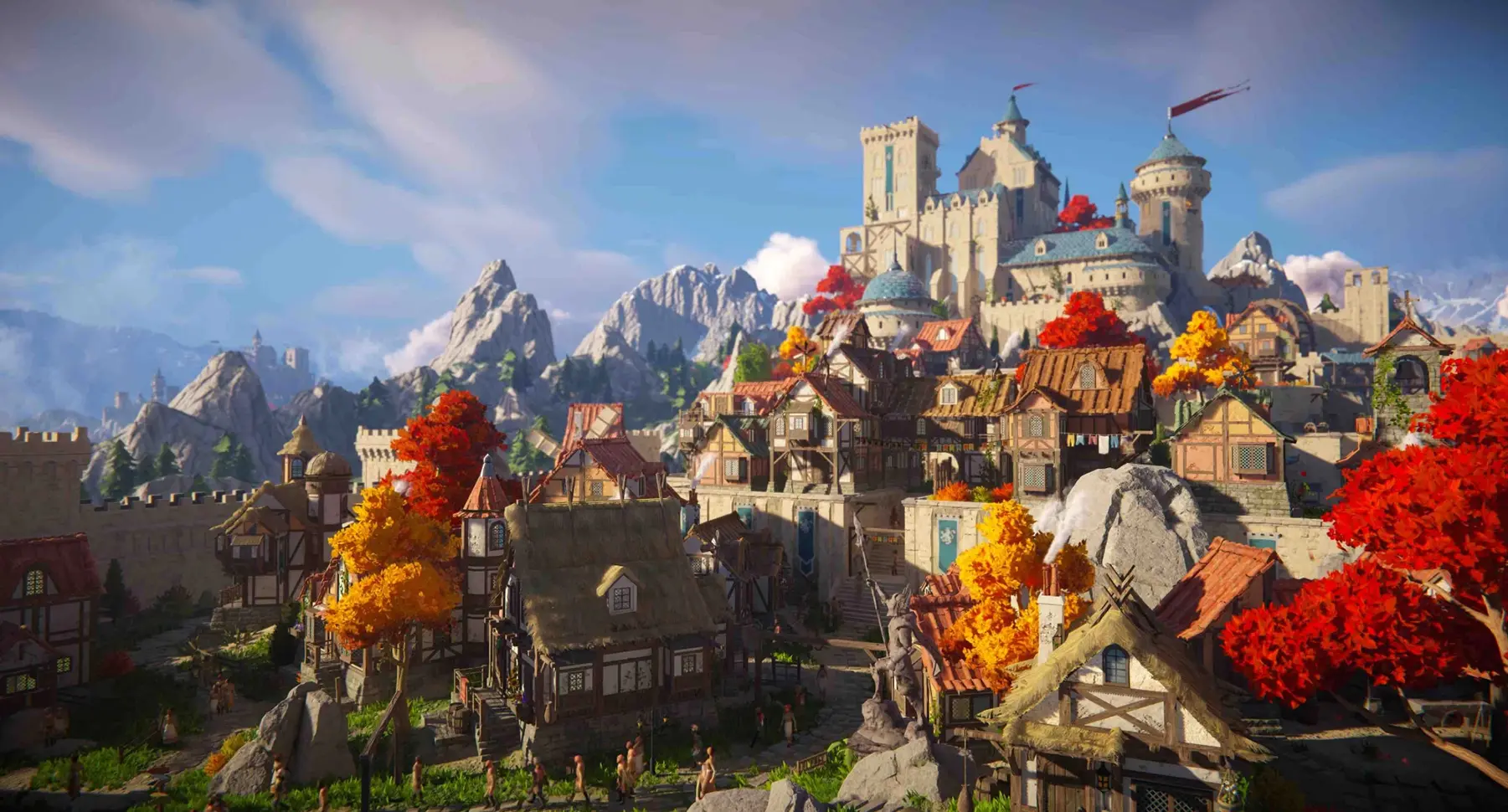
URP in Unity 6 gains Render Graph as the underlying execution model, aligning it with HDRP's approach and making it easier to author custom render features that survive future upgrades. Deferred rendering path receives additional stability fixes, and Forward+ path is now the recommended default for mid-scale scenes with many real-time lights.
HDRP tightens ray tracing performance and adds path tracing quality improvements aimed at high-end PC content. For most B2B studios, the URP changes matter more, since URP is the pipeline shipped in mobile, WebGL, and cross-platform indie projects. Custom URP renderers built on the older Renderer Feature API will require rework against Render Graph.
Netcode for Entities: production status
Netcode for Entities remains experimental in Unity 6.0. Studios shipping multiplayer should default to Netcode for GameObjects, which is production-supported and battle-tested in shipped titles. Netcode for Entities is worth evaluating for prototype work, especially for simulations that already run on DOTS, but Unity does not recommend it for the primary networking layer of a release build.
Practical guidance: pair Netcode for GameObjects with Unity Transport for the network layer, use Relay for NAT traversal, and use Lobby for session join flow. This stack is stable in Unity 6 and covers most session-based multiplayer patterns without pulling in experimental Entities dependencies.
Entities 1.3 and DOTS maturity
Entities 1.3 ships as part of the Unity 6 package registry and covers ECS, Jobs, and Burst as a stable stack. DOTS is no longer positioned as a future replacement for MonoBehaviour but as a targeted toolkit for simulation-heavy code paths: crowd systems, RTS unit logic, projectile pools, and physics-heavy gameplay.
The hybrid workflow (MonoBehaviour gameplay plus Entities subsystems via SubScene) is the recommended pattern. Studios investing in DOTS should scope it to specific systems rather than rewriting the whole project. For teams already using Entities 1.0 or 1.1, upgrade to 1.3 alongside the Unity 6 move; the API surface is stable and migration is mostly package version bumps.
See our deeper breakdown of Unity DOTS in Unity DOTS system for the practical scoping decisions.
Mobile improvements: Apple GPU and Adreno paths
Unity 6 ships a rewritten Metal renderer path for Apple GPUs and additional Adreno-specific optimizations for Qualcomm's newer chipsets. The result is lower shader compilation stutter on first-run, better GPU utilization on A15 through A18 devices, and steadier frame pacing on Snapdragon 8 Gen 2 and Gen 3 phones.
For iOS, Unity 6 also improves Xcode project generation and IL2CPP output size, which reduces app bundle bloat. Android benefits from smaller Application Binary Interface packaging and better Vulkan support on devices that opt into it. For mobile studios currently on Unity 2022 LTS, the mobile changes alone can justify the upgrade, especially for live-service titles chasing frame stability. Studios evaluating this path can review our mobile game development practice.
Foveated Rendering on Quest 3
Unity 6 adds Foveated Rendering support for Meta Quest 3, which reduces GPU cost by rendering peripheral areas at lower resolution while keeping the fovea sharp. It plugs into URP and works with the Meta OpenXR provider. For Quest 3 titles, this typically frees 15% to 25% of GPU headroom, which can be reinvested in higher texture resolution, more dynamic lights, or a higher render scale.
Editor performance and iteration speed
Editor start-up, domain reload, and asset import received measurable improvements in Unity 6. Enter Play Mode Options combined with faster domain reload cut iteration time on medium and large projects. Prefab editing and Scene view performance are also improved on scenes with many nested prefabs.
For teams with 15+ engineers, faster iteration time is often the second-largest reason to upgrade after mobile GPU changes. Domain reload times that dropped from 12 seconds to 4 seconds add up across a working day.
Unity 6 vs Unity 2022 LTS vs Unity 2021 LTS
The table below summarizes the practical differences for scoping decisions.
| Area | Unity 6 | Unity 2022 LTS | Unity 2021 LTS |
|---|---|---|---|
| Rendering | GPU Resident Drawer, STP, Render Graph in URP | URP/HDRP stable, no GPU Resident Drawer | URP/HDRP older, no Render Graph in URP |
| DOTS | Entities 1.3, stable | Entities 1.0/1.1, stable | DOTS preview only |
| Mobile | Rebuilt Apple GPU path, Adreno tuning, STP | Stable mobile pipeline, no STP | Older mobile pipeline |
| XR | Foveated Rendering on Quest 3 | Basic Quest support, no Foveated on Quest 3 | Basic XR support |
| Licensing | Subscription only, Runtime Fee cancelled | Subscription only, Runtime Fee cancelled | Subscription only, Runtime Fee cancelled |
Migration path from Unity 2022 LTS
The upgrade from Unity 2022 LTS to Unity 6 is more involved than a point-release bump but less disruptive than jumping across two LTS cycles. Plan for a dedicated migration branch, a package audit, and a rendering pipeline check before touching gameplay code.
- Create a migration branch off the current 2022 LTS main branch and freeze new feature work on it.
- Upgrade to a stepped Unity 6 version, not the latest 6.1 preview, unless a specific fix is required.
- Audit third-party packages: several Asset Store packages need vendor updates for Unity 6 compatibility.
- Check URP custom Renderer Features against Render Graph; rewrite where required.
- Rebuild shader variants and confirm STP settings if the project targets mobile.
- Run automated tests against the migration branch before merging.
For most 2022 LTS projects, this is a 2 to 6 week engineering effort depending on custom rendering, third-party dependencies, and mobile QA scope.
Runtime Fee cancelled: what it means now
Unity announced and then cancelled the Runtime Fee in 2024. The current licensing model is subscription-based (Personal, Pro, Enterprise) with revenue thresholds that determine which tier a studio requires. This matters because the earlier Runtime Fee proposal caused several studios to freeze Unity adoption; those hesitations no longer apply to Unity 6.
For B2B outsourcing engagements, licensing is normally handled by the client studio, and Unity 6 does not change the model. Game-Ace teams work under the client's Unity seat structure and pipeline access, with strict NDA and full IP transfer.
When to upgrade to Unity 6 vs stay on 2022 LTS
Upgrade if any of the following applies:
- The project targets mobile as a primary platform and benefits from STP or the Apple GPU path.
- The project uses DOTS or plans to scale simulation-heavy systems.
- The project targets Meta Quest 3 and can use Foveated Rendering.
- The team needs Render Graph in URP for future rendering feature work.
- The project wants to land on the current LTS-equivalent line for a longer support window.
Stay on Unity 2022 LTS if a release is scheduled inside the next quarter and the current build is stable, the project depends on Asset Store packages without confirmed Unity 6 support, or the team runs a mature URP renderer with heavy custom Renderer Features not yet ported to Render Graph.
A Game-Ace Unity portfolio case
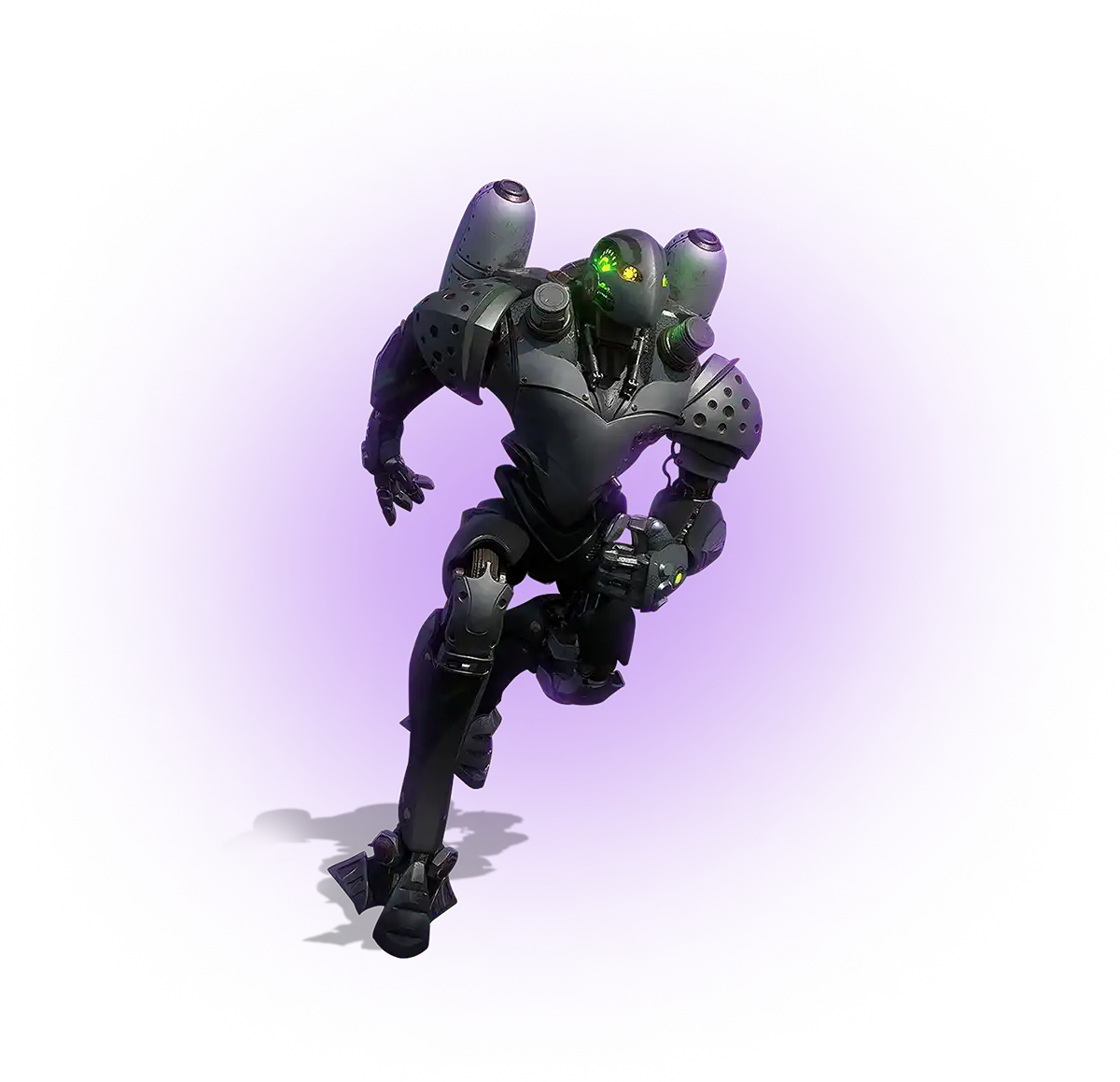
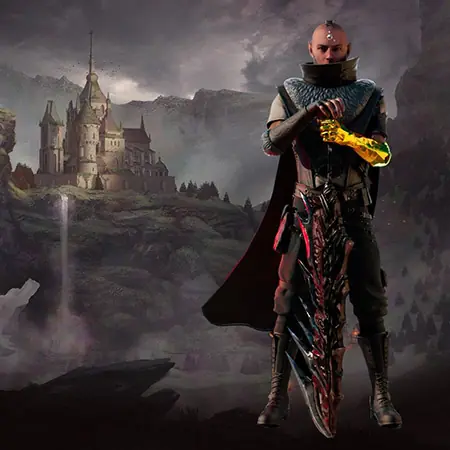
Welcome to Demon Runner, a Unity mobile endless runner by Game-Ace

Demon Runner is a stylised mobile endless runner built in Unity with character animation, environmental variety, and monetisation setup. Game-Ace handled full-cycle production, including game design, art, engineering, and store submission, keeping the combat loop responsive on mid-tier Android and iOS hardware.
When to talk to Game-Ace about Unity 6
Game-Ace has worked in Unity since the engine's early production releases and has delivered 200+ games across mobile, casual, and cross-platform categories since 2005. For Unity 6 specifically, our teams cover full-cycle delivery, co-development into an existing Unity 2022 LTS codebase, and staff augmentation for engineering, art, and QA roles. If Unity 6 is on your roadmap, Game-Ace's custom game development studio can scope the migration, staff a team, or take a project from GDD to release. See our Unity game development, hire Unity developers, and full-cycle game development pages, plus the Unity for game development guide.
 Rapid game development with Unity: from prototype to build
  Unity 2D vs 3D: choosing the right dimension for your game
  Best game engines: a working shortlist
  Unity vs Unreal: picking the right engine for your game
  How to pick a Unity development studio for your next game