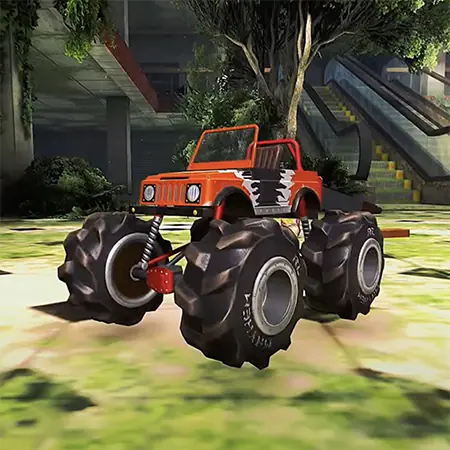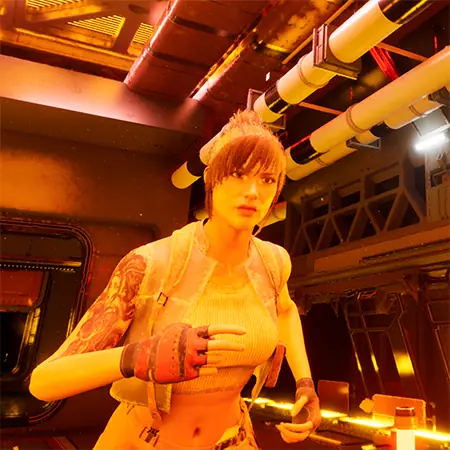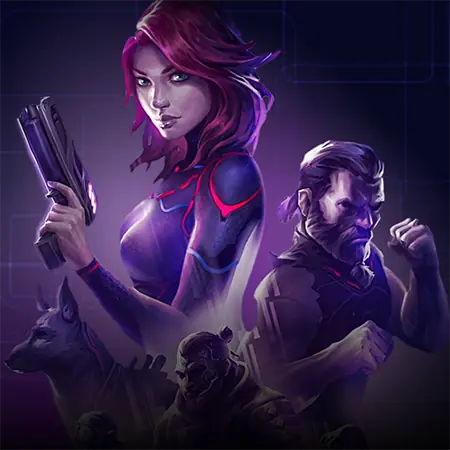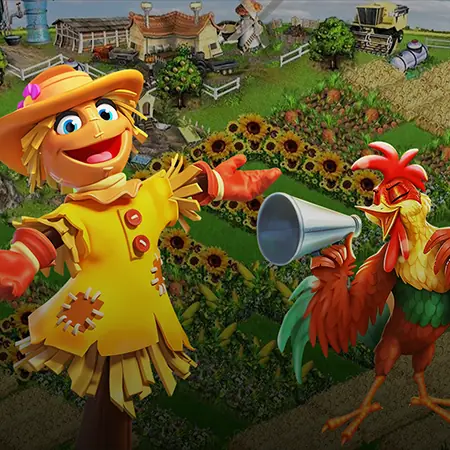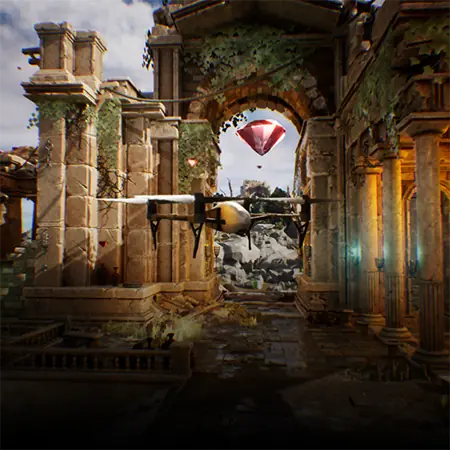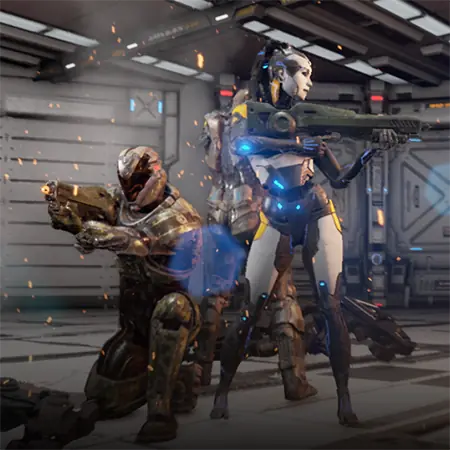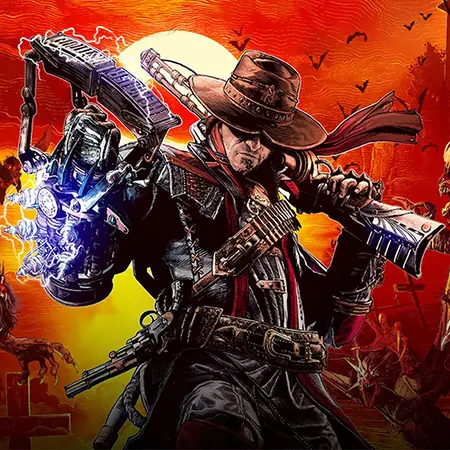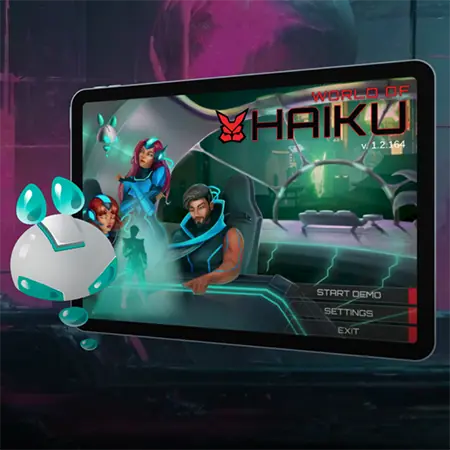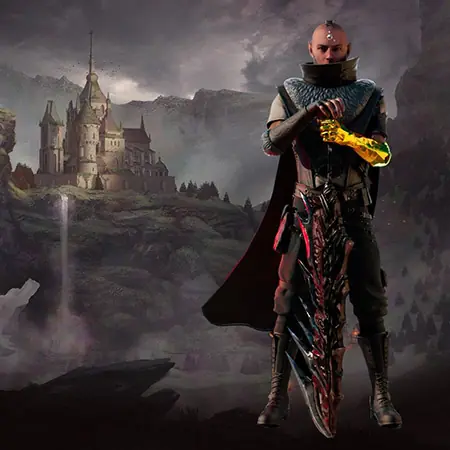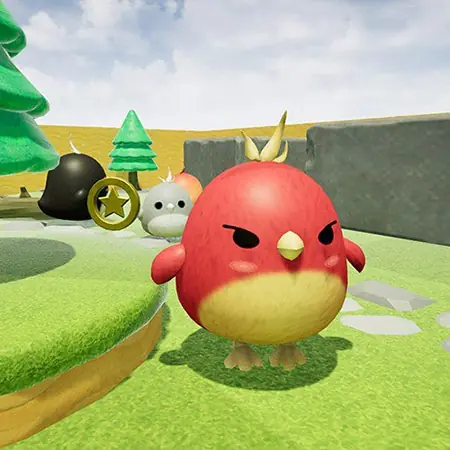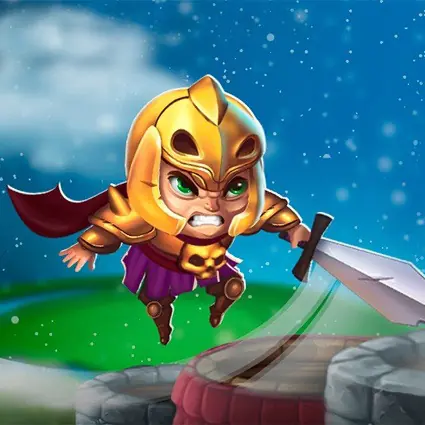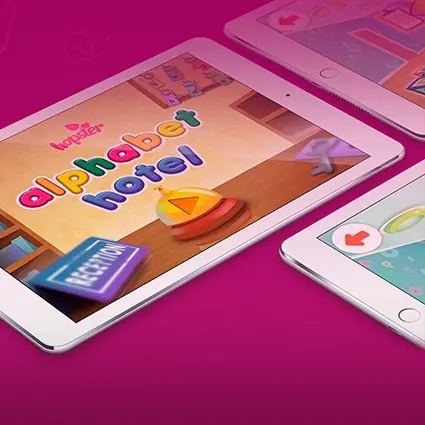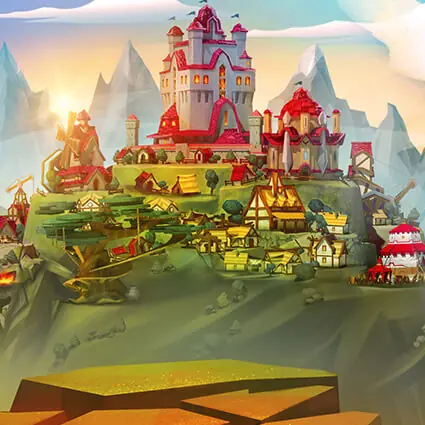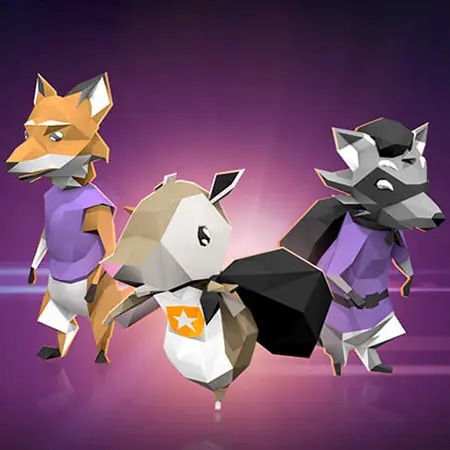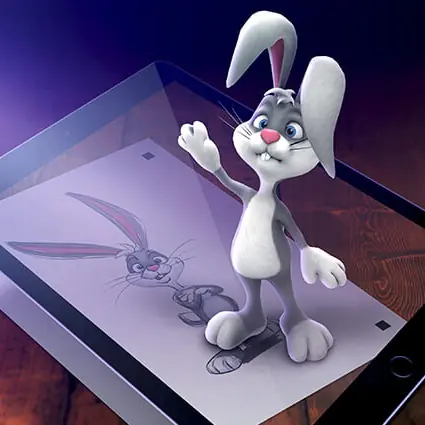
A concept artist for hire is a specialist who translates a game brief into visual references, silhouettes, mood boards, character sheets, environments, prop callouts, and key art that the production team can build against. The role can be filled by a freelance illustrator, a boutique art studio, or a dedicated concept artist inside an outsourced team. Game-Ace provides concept artists under Team Extension, Co-development, and full-cycle art delivery, with NDA and IP transfer included.
If you are scoping concept art or a full art package, talk to Game-Ace.
What a concept artist actually delivers
The deliverables of a concept artist for hire depend on the stage of production, but the working scope is usually structured around three horizons: pre-production exploration, style locking, and asset-ready reference. Pre-production covers silhouette sketches, thumbnail compositions, mood boards, and style tests aligned with the game's genre and target platform. Once a direction is approved, the artist locks palette, lighting logic, proportion rules, and material language, then produces the reference sheets that the 3D, environment, and UI teams will build from.
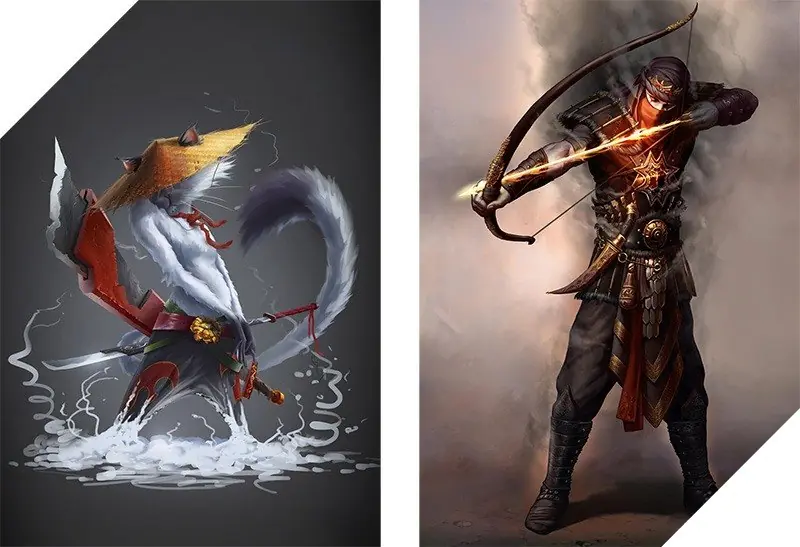
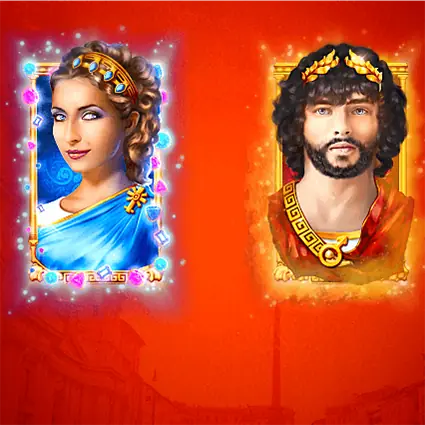
In practice this means a delivery pack of orthographic character turnarounds, environment paintovers, prop sheets with callouts, key art frames for marketing, and a short style guide. On slot and casino projects it also includes symbol sets, background frames, and animation-ready compositions.
Freelance, boutique studio, or outsourced team
The three common ways to hire a concept artist are a freelance specialist found via ArtStation or referral, a small art studio of record, and an outsourced team-extension slot inside a larger production partner. Each model changes cost, ramp-up time, replacement risk, and how tightly the concept work sits next to 3D, animation, and QA.
| Model | Best for | Typical scope | Trade-offs |
| Freelance concept artist | Single character or one-off key art | 1-3 pieces, no style guide | Availability risk, no coverage if artist drops out |
| Boutique art studio | Full art bible for one game | Style guide plus 20-60 asset references | Higher rate, longer onboarding, limited elasticity |
| Outsourced team (Game-Ace model) | Concept plus 2D/3D pipeline into production | Style guide, reference sheets, key art, hand-off to modelers | Requires a defined brief, but scales and keeps IP under one NDA |
For a single splash image, a freelance concept artist for hire is often enough. For a full game, an outsourced team keeps concept, 2D, 3D, and animation aligned on the same production repository.
The concept art pipeline from brief to hand-off
A workable pipeline has four stages: brief, exploration, lock, and hand-off. Each stage has a clear exit criterion so the client and the artist agree on what "done" looks like before the next stage starts.
- Brief: game genre, platform, target audience, competitor references, and the list of assets that need concept coverage.
- Exploration: silhouettes, thumbnails, and 2-3 style directions, usually 1-2 weeks depending on scope.
- Lock: one direction approved, colour and lighting rules fixed, style guide drafted.
- Hand-off: orthographic sheets, callouts, and PSD source files delivered to the 3D and animation teams.
Miro or FigJam boards are used for shared reference during exploration. PureRef ships alongside the final delivery so downstream artists have the same reference stack. See 3D character modeling for how this hand-off feeds the next stage.
Tools a modern concept artist for hire works with
The default 2D toolchain is Adobe Photoshop or Procreate for painting, Krita or Clip Studio Paint as open alternatives, and PureRef for reference management. Where the concept needs 3D scaffolding, Blender is used to set camera, proportion, and lighting before the paintover. ZBrush and Adobe Substance 3D Painter come in for material studies when the concept has to hand off cleanly to a 3D artist. The ArtStation Learning catalogue is a common reference for pipeline alignment. See video game art styles for how style choice shapes the toolchain.
Cost and timeline signals for a concept artist for hire
A single character concept, painted and finished with turnaround, usually falls between €400 and €1,500 depending on complexity and revisions. A full pre-production concept package for a mid-scope game (style guide, 6-10 character sheets, 4-6 environments, one key art frame) is more often in the €12,000-€35,000 range and runs across 6-10 weeks. A full art bible for a larger title can extend past €60,000 and take 3-5 months. Timeline sensitivity comes from revision cycles more than from painting time, two rounds of art director review per asset is a healthy default.
NDA, IP transfer, and integration models
For B2B work, a concept artist for hire should sign a project NDA before the brief is shared, and the engagement contract should include full IP transfer of approved deliverables. Game-Ace works under strict NDA and transfers ownership of approved concept art, PSD source files, and the associated style guide to the client on delivery. Source files are handed over in layered PSD or Procreate format, with a reference PDF style guide and a PureRef file.
Under Team Extension, one or two concept artists join the client's production Slack and attend the client's art review calls. Under Co-development, the concept team runs in parallel with the client's internal art director. Under full-cycle delivery, concept sits inside Game-Ace's pipeline and hands off directly to the internal 3D, animation, and UI teams. See hire 2D artists and 2D game art outsourcing for the underlying engagement pages.
A concept art case from the Game-Ace portfolio
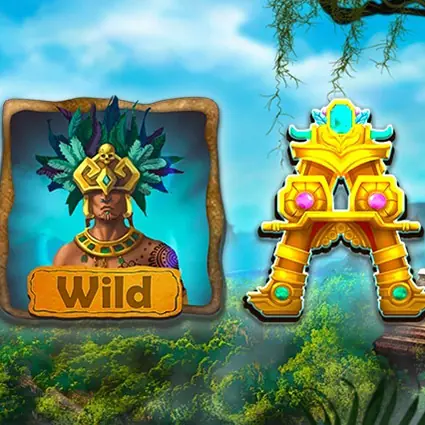
Welcome to Maya Slots, a cross-platform slot game by Game-Ace
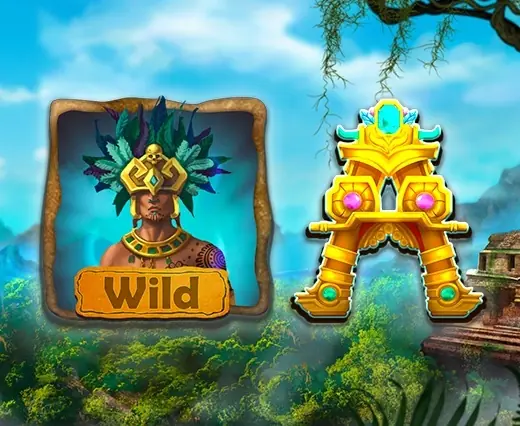
Maya Slots is a web-based slot game with Ancient Maya-inspired visuals and animated symbols. The concept phase set the palette and symbol shape language before production began, and Game-Ace handled the full cycle including planning, concept creation, artwork, implementation, and animation.
When to talk to Game-Ace about concept artists
Reach out when the brief is close to ready but the visual direction is still open, when an existing project needs a second concept pass before 3D production, or when the internal team is stretched and needs an extra concept artist for a sprint. If concept art is part of a larger production scope, Game-Ace's custom game development studio covers concept, 2D, 3D, animation, engineering, and QA from one 120+ specialist team, with delivery since 2005 and 200+ released games. See game art design and full-cycle game development for the wider service scope.
 Hire Roblox developers: where to find and how to scope
  Staff augmentation for game studios: how to scale teams
  VFX artists: the powerhouse behind engaging visual experiences
  Procedural generation in games: what actually works in production
  How to create video game art: a full pipeline guide