
The psychology of online slots sits in three small loops: a short spin, an uncertain reward, and a fast reset. Anticipation, near-miss, and instant feedback do most of the work. The math is fair and audited, but the design layer (sound, motion, pacing, themes) decides how long players stay. This article looks at what hooks players and how studios build that experience responsibly.
What is an online slot, and why is the loop so short
An online slot is a digital reel-based game where a Random Number Generator (RNG) picks symbol outcomes the moment a player presses spin. The visible reels, paylines, and animations are presentation. The actual result is decided server-side in milliseconds, then played back as a short sequence. That is the core of the psychology of online slots: a compressed loop of 2 to 6 seconds where intent, suspense, and outcome all fit into one breath.
Short loops are easy to repeat. There is no planning step, no opponent, no skill check.
Players reach a flow-like state quickly because cognitive load is low and feedback is immediate. The slot does not punish you for not paying attention. It rewards you for staying.
Anticipation, near-miss, and the reward schedule
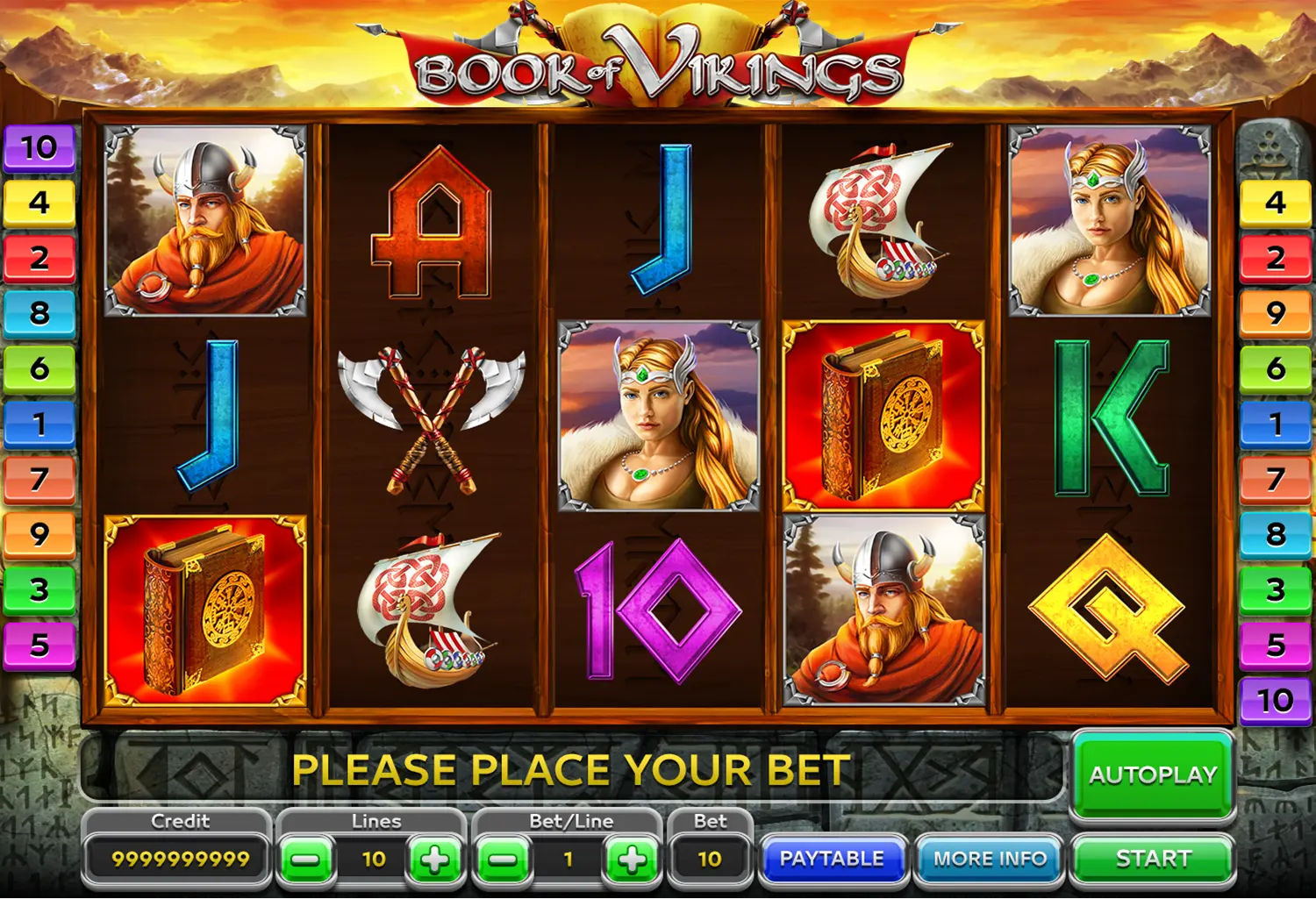
Anticipation is the single strongest psychological lever in slot design. The reels do not stop randomly in the visual sense, even though the math is random: they decelerate, the final symbol lands last, and any near-miss is shown clearly. Two matching symbols on a payline followed by a third that lands one position off is the classic near-miss. Research summarised by peer-reviewed work indexed on the NCBI library shows near-misses activate similar brain regions as actual wins, even though the player has lost. This is why a five-reel slot is built to reveal symbols left to right, not all at once. The screen is engineered for suspense, not for speed. On top of that, slots run on a variable-ratio reinforcement schedule. Wins arrive on an unpredictable cadence, and small wins are more frequent than large ones to keep momentum without breaking budget. Sound design reinforces every event: a brief celebratory cue on small wins, a longer build on bonus triggers, and silence between spins so the next push feels like a fresh decision. Operators and studios that want to keep this engagement loop healthy lean on responsible play tools (deposit limits, session timers, reality checks) published in guidance from BeGambleAware. The design works because the brain anticipates. The responsibility layer is what keeps the experience inside a defined budget and time window.
Why online slots stay popular
Online slots stay popular because they pair a very low skill floor with a very high optionality ceiling. Anyone can play the first spin. Studios then layer themes, mechanics, and progression on top so players have somewhere to go.
The 2026 player base is mobile-first, scroll-tolerant, and used to short sessions. A slot title that loads in under three seconds on a mid-tier Android device, runs on HTML5 or a lightweight WebGL build, and uses portrait orientation has a clear advantage over a heavier desktop port. Operators ask studios for the same recurring features when they brief a new slot.
Common operator requests on a new slot brief:
- Mobile-first HTML5 build with desktop parity.
- Configurable RTP within a regulator-approved band.
- Bonus round with free spins or a pick-me mini-game.
- Branded or thematic art set with animated win events.
- Tournament mode or leaderboard integration.
- Server-side state, certified RNG, and audit logging.
- Localization-ready text and currency formatting.
Traditional vs online vs social vs Web3 slots
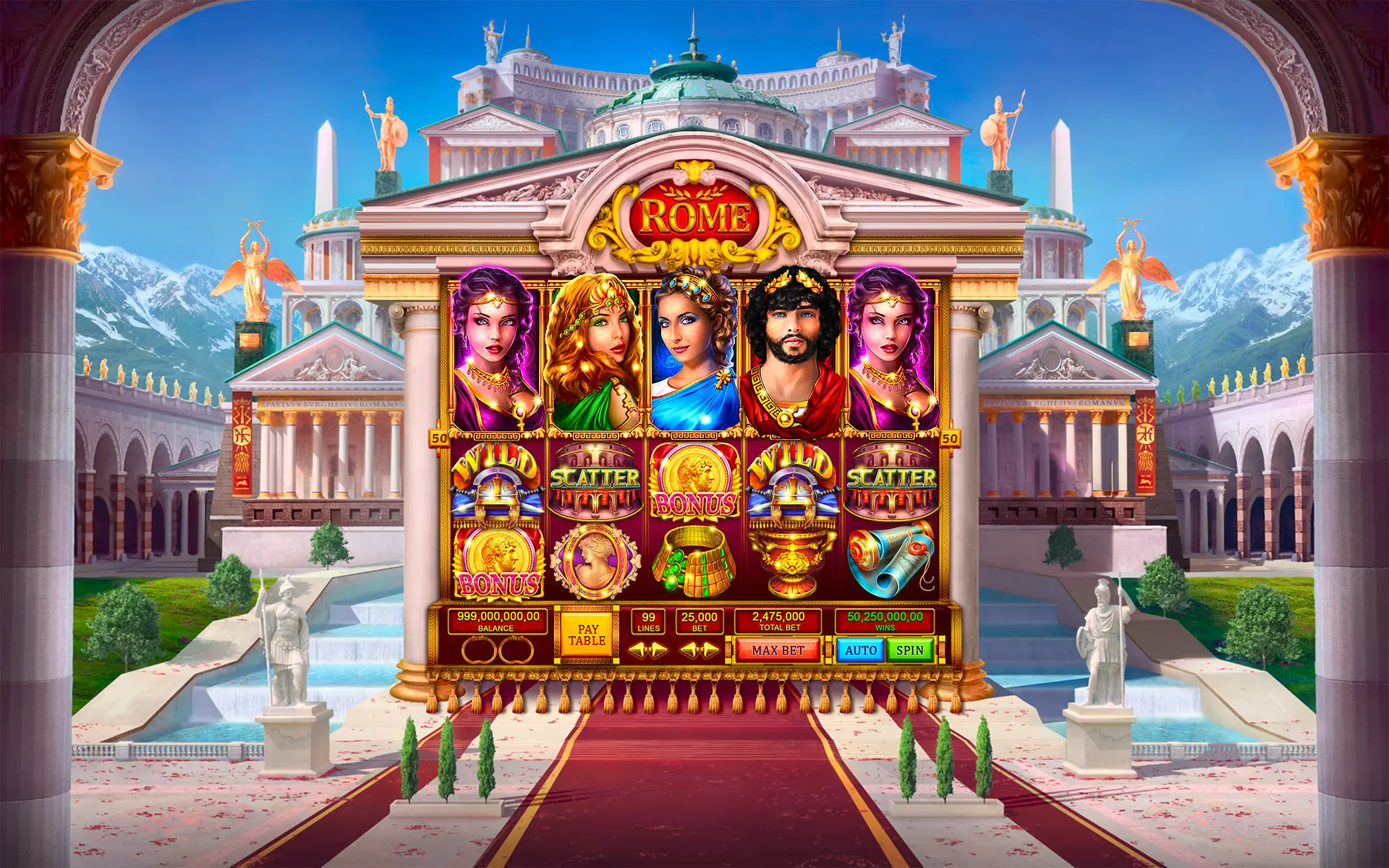
Four formats share the same psychological loop but split on monetisation, regulation, and technical setup. The table below compares the production realities that matter most when scoping a new title.
| Aspect | Traditional cabinet | Online real-money slot | Social casino slot | Web3 / crypto slot |
| Core mechanic | Physical reels, certified RNG chip | HTML5 / WebGL reels, server RNG | HTML5 / native, server RNG | HTML5 reels, on-chain payout layer |
| Monetisation | Cash in, cash out | Cash deposit, real payout | In-app purchase of virtual coins | Crypto deposit, token reward |
| RNG certification | GLI / eCOGRA / BMM | GLI / eCOGRA per jurisdiction | Optional, not always required | Provably fair or audited RNG |
| Regulation | Land-based licence | Online gambling licence (UKGC, MGA) | App store policy only | Varies, Web3 framework dependent |
| Typical session length | 15–30 minutes | 8–15 minutes | 5–10 minutes | 5–12 minutes |
| Build cost band | High, hardware + software | €40,000–€150,000+ | €25,000–€80,000 | €50,000–€180,000+ |
The psychology stays consistent across the four columns. What changes is the wrapper around it: how money flows in, who certifies the math, and which app store or wallet sits in the middle. Production scope and team composition follow from that wrapper, not from the reels themselves.
How studios design slot psychology responsibly
Responsible slot design is not a compliance footnote. It is part of the brief from the first GDD draft.
On the math side, the RTP (return-to-player) is fixed inside a regulator-approved band, the hit frequency is logged, and a certified lab such as GLI signs off on the RNG before the build can go live in a regulated market. Volatility is tuned to the audience: low-volatility maths for casual players, higher volatility for entertainment-led titles that promise rarer, larger wins.
On the design side, studios build in pacing controls. Spin speed has a default and a cap. Auto-play stops on win, on loss, or on a configurable trigger. Session length and deposit limits are surfaced inside the game UI, not buried in account settings.
The same toolkit also keeps the experience legible. Players who understand the math stay longer than players who feel cheated. Transparent paytables, visible bonus rules, and clean win animations build that trust over the first 20 spins of a new title.
Slot psychology levers and what they cost to build
Each psychological lever has a production weight. A studio scoping a new slot title estimates against a small set of these levers and the audio, animation, and backend work each one needs. The decisions are not abstract. They map directly to art days, engineering sprints, and certification rounds.
Key production levers and where the cost sits:
- Anticipation pacing: reel deceleration curves, win-line reveal timing, sound layering.
- Near-miss design: symbol weighting, paytable balance, regulator-checked outcome distribution.
- Variable reward: bonus round logic, free-spin retrigger, jackpot tier configuration.
- Sound design: spin loop, near-miss cue, win celebration, bonus build, silence calibration.
- Haptics: mobile vibration on big wins, bonus triggers, jackpot events (where the device supports it).
- Social proof: leaderboards, tournament events, friend lists, shared big-win moments.
- Theme and narrative: art style, symbol set, character moments, seasonal reskins.
Where Game-Ace fits in a slot project
Game-Ace works on slot games in three engagement modes. Full-cycle production covers brief, GDD, math design with the client's math team, art, build, certification support, and post-launch updates. Co-development plugs a small Game-Ace team into an in-house studio's pipeline (typically 1 to 3 specialists on art, frontend, or backend). Team extension provides individual slot artists, Unity or HTML5 developers, or QA engineers who join the client's sprint cadence.
Our work in this space includes branded slot art, full slot game production for operators, and a Web3 slot with on-chain rewards. The case study below shows that range. For a deeper read on visual style and asset structure, see our blog post on slot game art and the breakdown of 10 types of slot assets in online casino gaming. Studios looking at a wider social casino release can review our social casino games article for engagement and monetisation patterns.
Slot game case from the Game-Ace portfolio
One Game-Ace case shows how slot rhythm, Web3 rewards, and readable win presentation can work together in a production build.
Welcome to Build A Bag, a Web3 slot game by Game-Ace
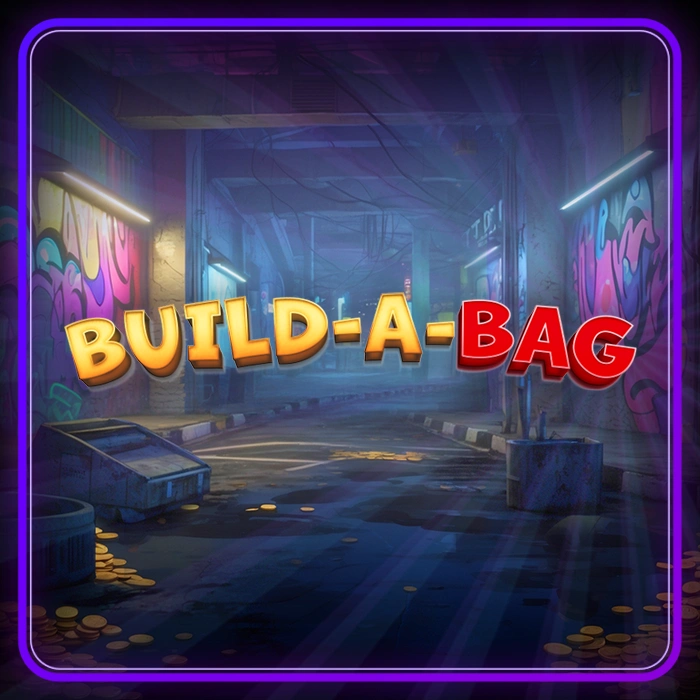
Build A Bag uses slot rhythm with a Web3 reward layer. Each symbol represents a cryptocurrency, so one winning line can return several coins. Game-Ace supported it with payline animation, bonus events, seasonal reel themes, and a 10,500x max win structure that keeps gameplay legible.
Talk to Game-Ace about your slot project
If you are scoping a new slot title, a Web3 slot for an operator, or co-development on slot mechanics with your in-house team, talk to Game-Ace.
When to talk to Game-Ace about a slot game build
A slot project is a good fit for Game-Ace when the brief includes original math, custom art, or a Web3 reward layer. Our team has been delivering games since 2005, with 120+ in-house specialists and 200+ titles shipped across slot, social casino, and mobile categories. For studios planning a new release or a refresh of an older title, Game-Ace, a custom game development studio, partners with operators and product owners on full-cycle slot builds, co-development, and team extension, so the visual side carries the psychology rather than only the brand.
 Game predictions in sports: free-to-play formats that scale
  Crash games: what they are and how they're built
  How to create crypto casino games: 7-step guide
  VR casino development: how to build more immersive and engaging social games
  3D and AI avatars in casino: how they boost acquisition, retention, and time-on-device