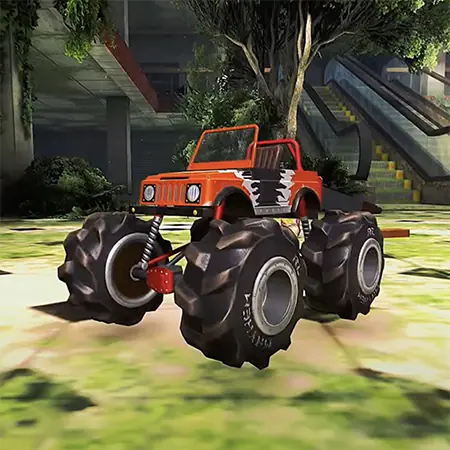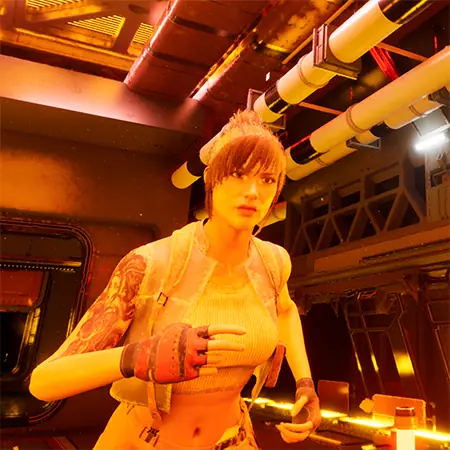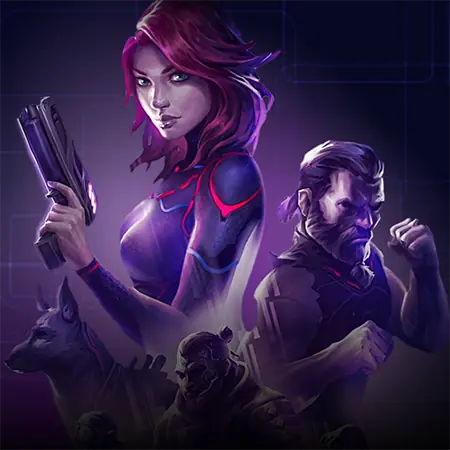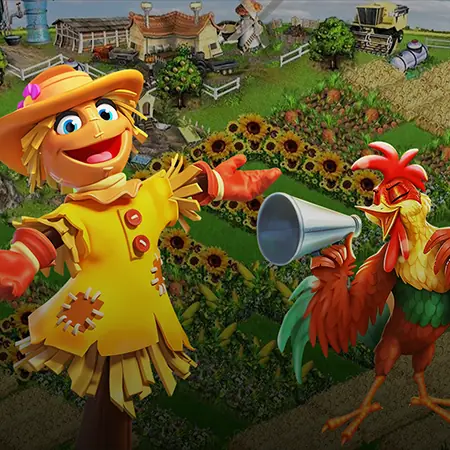
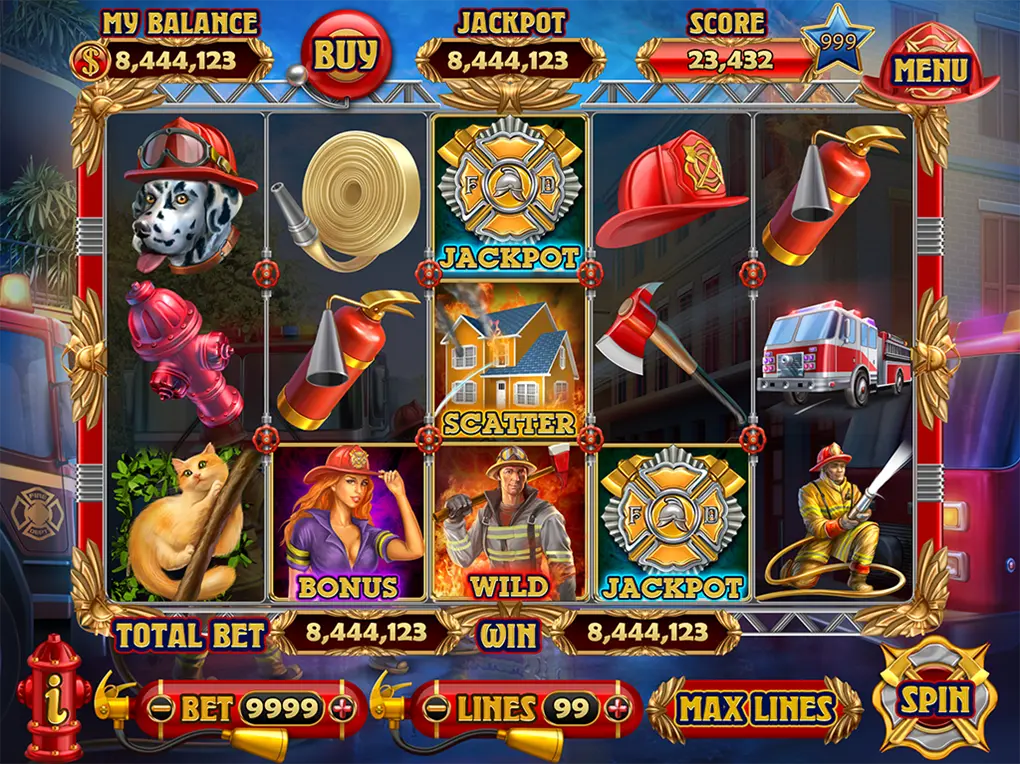
Slot game art is the package of visuals that makes one slot recognizable and the next forgettable: reel symbols and their animated states, backgrounds, UI, transitions, bonus and win screens, and the source files behind them. A typical commercial slot needs 100+ individual assets across symbol states, UI screens, and supporting graphics. This guide explains what slot game art currently includes, how it is produced, what files are delivered, and what regulated markets require - written for iGaming operators, producers, and studio art directors briefing an external slot art studio.
For full Game-Ace slot art services and current pricing, see Slot Game Art. For end-to-end builds, see Slot Game Development.
What slot game art includes
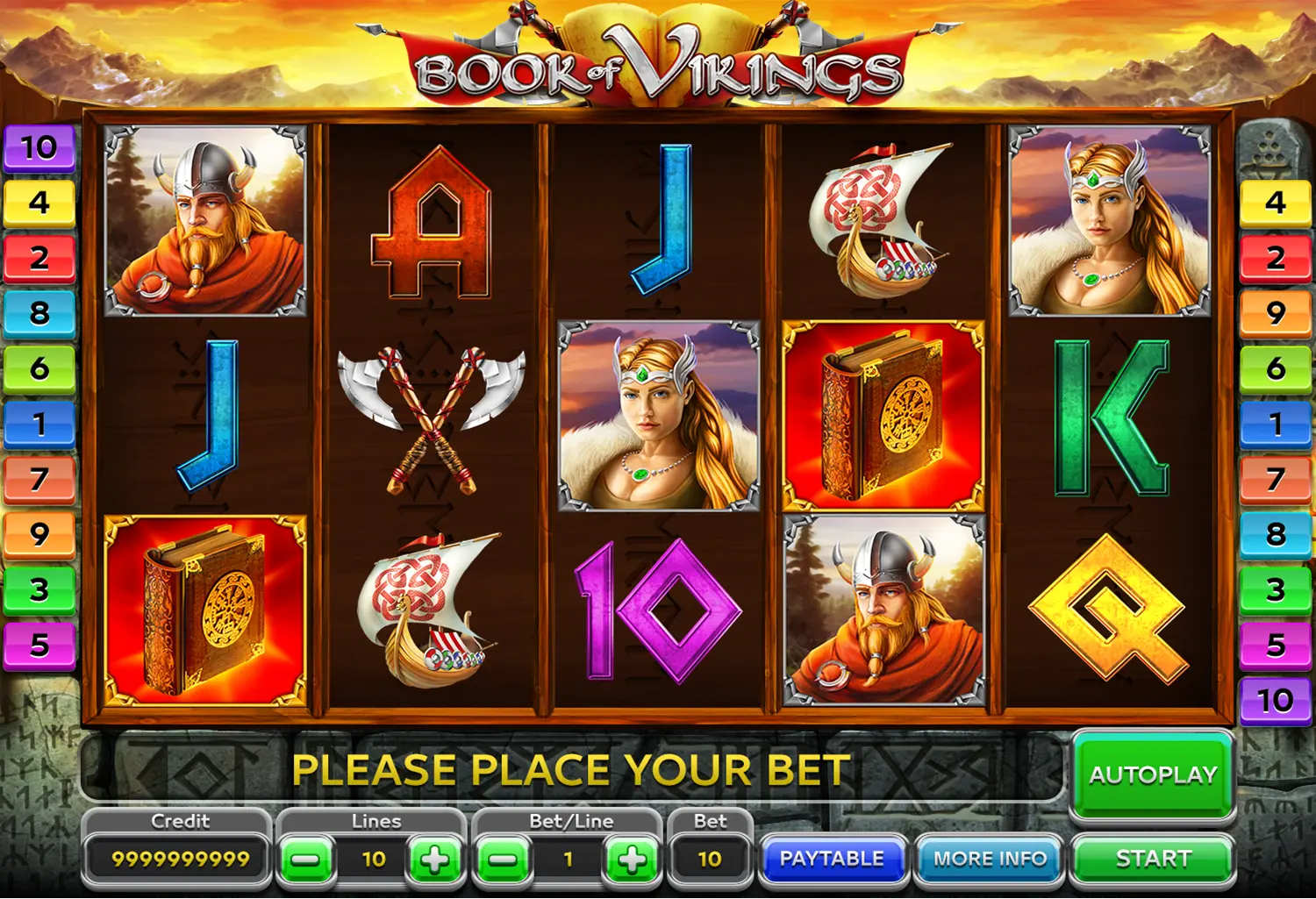
A production-ready slot art package usually covers six asset groups:
- Symbol set: base reel symbols, low-pay and high-pay tiers, wilds, scatters, bonus icons, and animated states (idle, hit, special).
- Backgrounds: base game background, free spins / bonus round background, transition frames if mechanics switch states.
- UI: reel frame, buttons, paytable, info screens, bet controls, autoplay panel, settings, sound and stake toggles.
- Win and bonus screens: win count-up frames, big-win / mega-win sequences, bonus intro and outro.
- Animation: symbol idle loops, hit animations, transitions, particle and lighting effects.
- Promotional art: thumbnails, lobby banners, store icons, social cuts.
Each asset is produced in the resolutions and file formats the target build needs. That delivery scope is usually a separate, written part of the brief.
What slot art delivery includes (files and source ownership)
Operators and studios commissioning slot art should agree the delivery scope before production begins. A standard slot art handover from Game-Ace includes:
- Editable source files: layered PSD for 2D backgrounds and UI, Adobe Illustrator files where vectors are used, Spine project files for skeletal animation, 3ds Max or Maya scenes for 3D assets.
- Export-ready assets: PNG sequences or sprite sheets for frame-based animations, Spine JSON exports for skeletal animation, transparent PNGs for static elements, layered PNG / WebP for the build pipeline.
- Resolution sets: symbol art at the resolutions needed by the engine, typically scaled for HD and mobile DPI variants; UI assets sliced for responsive layouts.
- Style guide: colour palette, typography, symbol grid, animation timing notes for handover to the development team.
- IP transfer: the client owns the approved art, source files, and exported assets after final acceptance, under NDA.
Game-Ace delivers layered PSD and AI source files where applicable, Spine project files or frame-by-frame sequences for animation, PNG or sprite-sheet exports, transparent PNG / WebP assets, and 3D source scenes when 3D production is in scope. Resolution sets are defined during scoping according to the target engine, reel size, desktop and mobile layouts, and integration requirements.
Types of slot games and how art adapts to each
Game art is shaped by the mechanic it has to serve, not just the theme.
Video slots are fully digital reel games. Art covers the reel grid, symbol set, animated states, backgrounds, UI, and bonus screens. Most modern slot art falls here.
Classic slots use a 3-reel, single-payline format. Symbol sets are smaller and the art leans on iconic symbols (bars, sevens, fruits) rather than narrative. Less production work, more typographic and graphic discipline.
Modern mechanic variants (Megaways, cluster pays, hold-and-win, expanding reels) each change the symbol grid, the reel frame, and the win-evaluation visuals. Megaways needs symbol art that reads cleanly at varying reel heights; hold-and-win needs distinct 'locked symbol' states; cluster pays needs win-cluster highlight effects.
Pachinko-style hybrids exist in some Asian markets, but they are a small share of online slot work.
What the slot art market expects today
Themes still cycle (mythology, fantasy, fruit, hold-and-win Egyptian variants are perennial), but the production realities have moved on from 2020.
- Mobile-first HTML5 delivery. Art is built to render cleanly on small screens first, then scaled up, not the other way round. UI is sized for touch targets, and animations are budgeted for mobile GPUs.
- Cross-device asset variants. A single slot ships with art exported at multiple resolutions for desktop, tablet, and phone, often as sprite sheets to control draw calls.
- Modern mechanics drive symbol design. Megaways, hold-and-win, and cluster pays each impose specific symbol-grid and animation-state requirements.
- AI-assisted concept stage. AI tools help artists explore more visual variants early, while human teams handle production and final assets. GDC’s 2025 report lists concept art, 3D model generation, coding assistance, and repetitive-task automation among common GenAI use cases.
- Branded and licensed IP slots. Operators are commissioning more slots tied to film, music, and sports IP, which raises the bar on art faithfulness and brand approvals.
- Accessibility and regulated visuals. Colour contrast, font legibility, animation speed and intensity, and avoidance of misleading 'near-miss' visuals are explicit requirements in regulated markets.
Slot art for regulated markets
Slot art for jurisdictions like the UK (UKGC), Malta (MGA), and Ontario has visual constraints beyond style. Animation should not imply a result that is not yet determined, 'near-miss' visuals are restricted, and game intensity, autoplay messaging, and stake-display visibility are checked at submission. Operators planning a regulated launch should confirm with their compliance lead which constraints apply to the target market before art production begins, so the symbol set, win animations, and bonus visuals do not need rework later. In the UK, the Gambling Commission’s RTS 14 Responsible product design requirements restrict features that speed up play or give the illusion of control, ban auto-play, prohibit losses disguised as wins, and set a minimum slot spin speed of 2.5 seconds.
Production process at Game-Ace
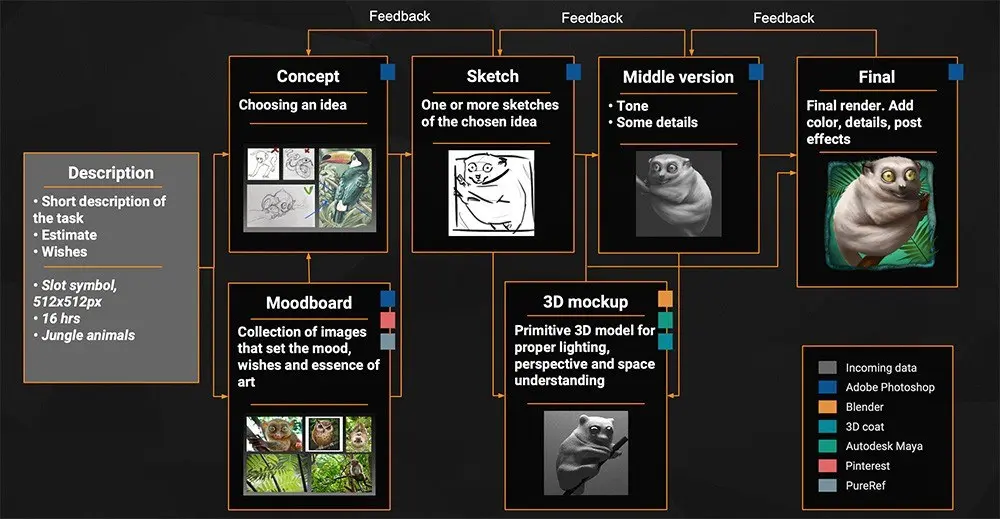
Slot art production at Game-Ace runs in four stages, with client review at the end of each stage.
- Stage 1 - Brief and scope. The client sends a brief covering style references, symbol count, animation specs (frame rate, format), UI requirements, reel parameters, background details, target platforms, and any regulated-market constraints. The art lead returns a scoped task description with timeline and a per-asset estimate.
- Stage 2 - Concept and moodboard. Artists produce concept variants for symbols, key art, and a moodboard that fixes tone, palette, and lighting. Up to two revision rounds per concept track are typical at this stage. Concept exploration may use AI image tools to widen the option set before human production begins.
- Stage 3 - Greybox to 3D mockup. Approved concepts move to greybox sketches, then layered renders with shadow, tone, and depth. For 3D assets, this is where rigging and topology are finalised. The output is a near-final visual that locks composition and reads correctly at target resolutions.
- Stage 4 - Final render, animation, and effects. Final colour, detail, and texture passes. Animations are produced as Spine skeletal animation or frame-by-frame depending on engine pipeline. Post-effects (particles, lighting passes, win-state flares) are added. Exports are produced in the agreed formats and delivered with source files.
A focused 2D symbol set with a single background usually takes 6–8 weeks. A full 2D art package for a video slot typically takes 10–14 weeks. A 3D slot with character animation or complex bonus feature art can take 14–20 weeks or more. Branded IP, multi-language UI, and large bonus animation scope extend the timeline.
Team and tools
A slot art team is assembled according to project scope. A typical 2D slot art project may include a project manager, art lead, 2D artists, UI artist, and animation artist. 3D projects add 3D artists, rigging or modeling specialists, and additional animation support where needed. Core tools include Adobe Photoshop, Adobe After Effects, Spine, 3ds Max, Maya, and Blender, depending on the asset type and production pipeline.
Slot art at Game-Ace: portfolio context
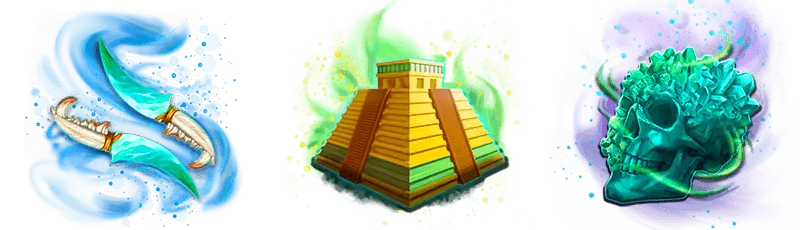
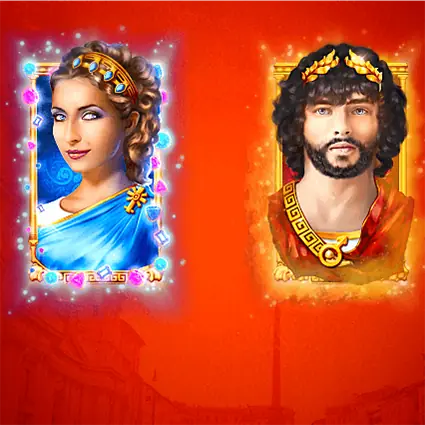
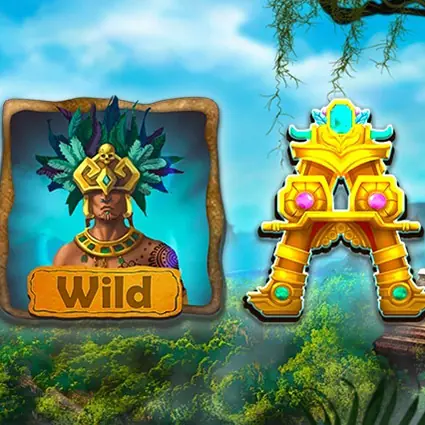
Game-Ace has produced slot art for iGaming clients since 2005 and is part of Program-Ace. Delivered slot work includes Rome Slots and Maya Slots, where the art covers a full symbol set, backgrounds, UI, and bonus screens for each title. See the Game-Ace portfolio for the visual record.
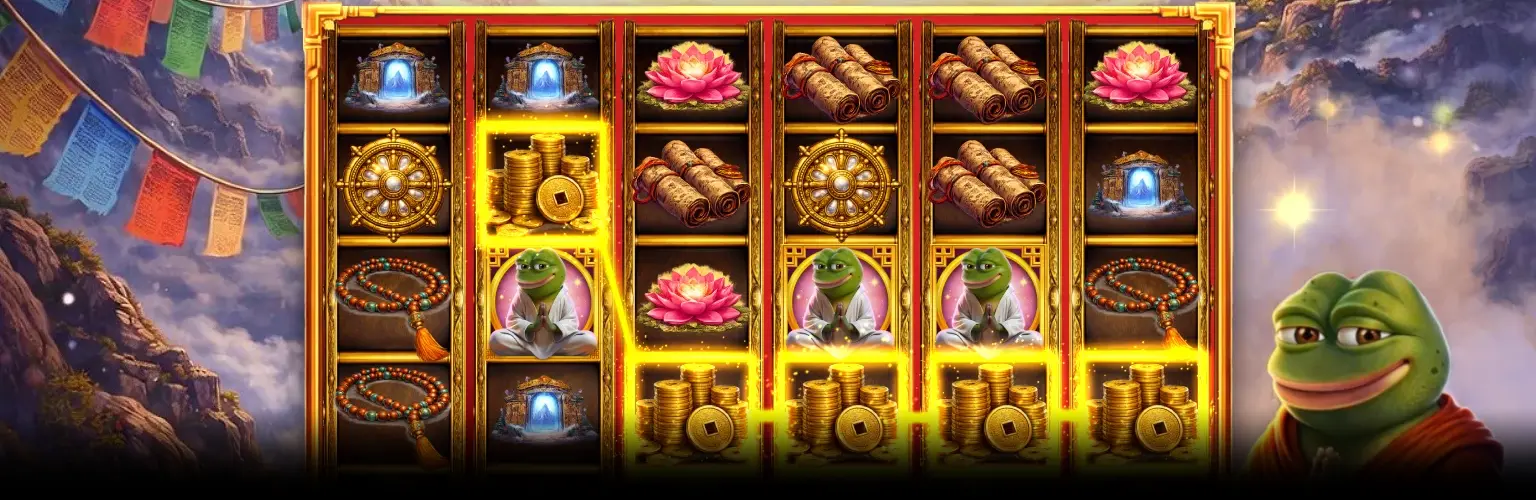
Another delivered project shows how slot art, animation, UI, and runtime-ready assets can support a live Web3 slot with seasonal visual updates.
Build A Bag: crypto slot art and animation
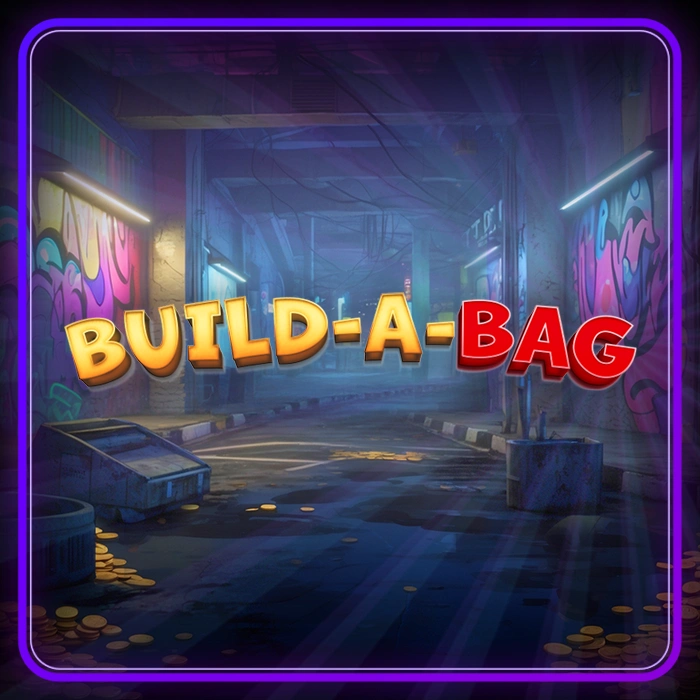
Build A Bag is an HTML5 Web3 slot with seasonal crypto content. Game-Ace produced coin-based symbols, UI elements, reel states, win, payline, and bonus animations. A runtime asset pipeline lets the operator update seasonal art and on-screen text without rebuilding the game.
How much does slot game art cost?
Slot art at Game-Ace starts from EUR 8,000 for a focused 2D symbol set. A complete art package, including symbols, backgrounds, UI, animation, and bonus screens, usually falls in the EUR 15,000–35,000 range. Branded IP, large bonus rounds, multi-language UI, and 3D production move the scope higher. Exact pricing is set after the brief and a technical review.
Start your slot art project with Game-Ace.
How to brief a slot art studio
A clear brief saves a revision cycle. Include:
- Target platforms and engines, with resolution requirements.
- Symbol count, low- and high-pay tiers, wilds, scatters, bonus icons.
- Mechanic (paylines, Megaways, hold-and-win, cluster pays) and any locked-symbol or expanding states.
- Animation expectations (frame rate, Spine vs frame-by-frame, win-state flares).
- UI inventory (paytable, info screens, autoplay, settings).
- Regulated markets in scope and any compliance constraints.
- Style references and any brand or IP guidelines.
- Required deliverables and file formats.
- Source file ownership and IP transfer terms.
Working with a slot game art studio: next steps
A solid slot art package covers symbols and their animated states, backgrounds, UI, transitions, win and bonus screens, and the source files behind them. Match the studio to the job: a focused symbol set if you only need a single theme, a complete art package if the slot is going to launch with multiple backgrounds and a bonus round, or a sprint-based art line if you operate a live catalog. On any shortlist, check three things: what files and source ownership are included in the handover, how the studio handles regulated-market constraints in your target jurisdictions, and how the assets drop into your build pipeline without rework.
When to talk to Game-Ace
Game-Ace produces slot game art for iGaming clients since 2005 as part of Program-Ace. Engagements we cover:
- Focused 2D symbol set from EUR 8,000 for one game theme.
- Complete video slot art package (symbols, backgrounds, UI, animation, bonus screens) typically EUR 15,000–35,000.
- Slot art delivered as part of a full-cycle slot build under one team.
- Sprint-based art line for live slot catalogs.
Game-Ace has produced slot game art for iGaming clients since 2005 as part of Program-Ace, with Rome Slots and Maya Slots in the delivered portfolio. Whether you need a focused symbol set, a complete video slot art package, or a sprint-based art line for a live catalog, our team handles all three. All engagements run under NDA, with art, source files, and exported assets transferred to the client on acceptance.
Contact our team to discuss scope, and browse our slot art portfolio for visual reference.
 Game predictions in sports: free-to-play formats that scale
  Crash games: what they are and how they're built
  How to create crypto casino games: 7-step guide
  VR casino development: how to build more immersive and engaging social games
  3D and AI avatars in casino: how they boost acquisition, retention, and time-on-device