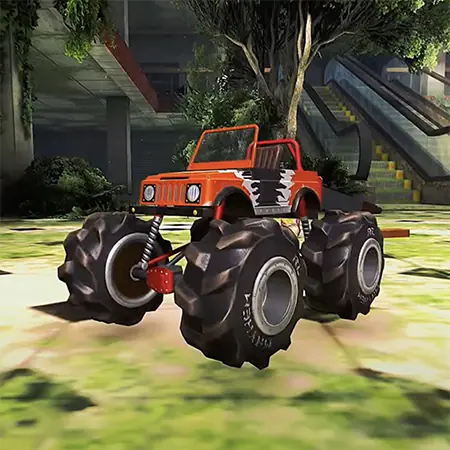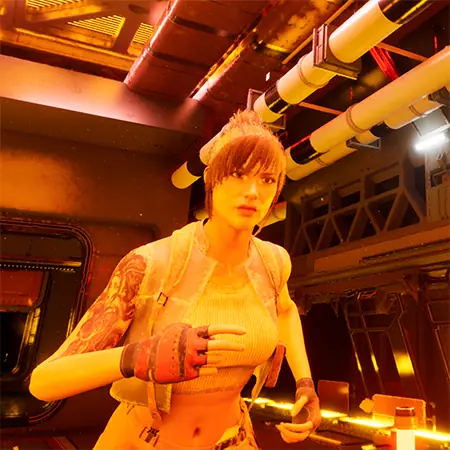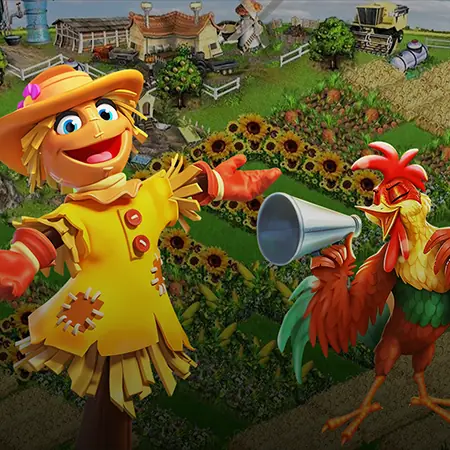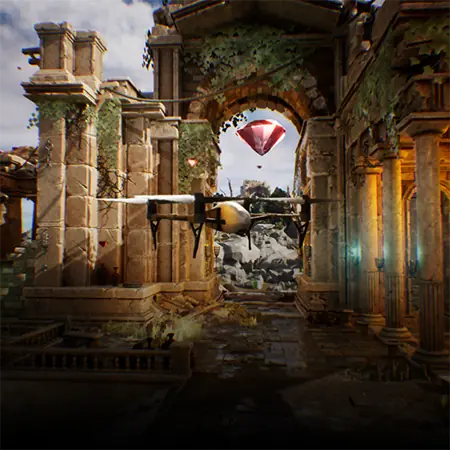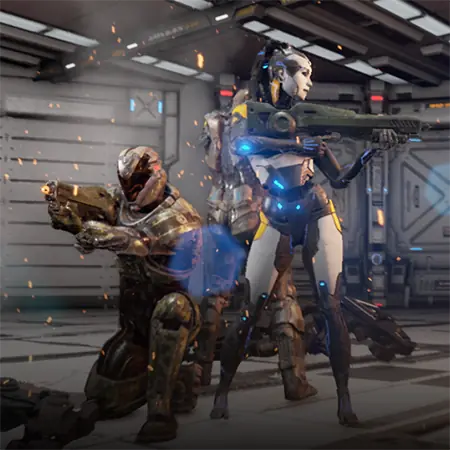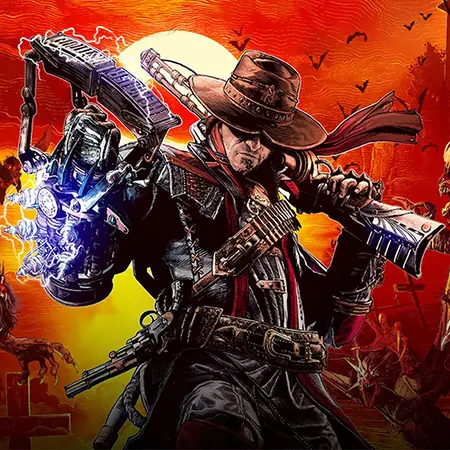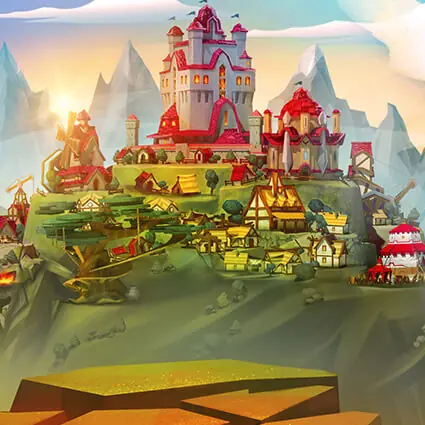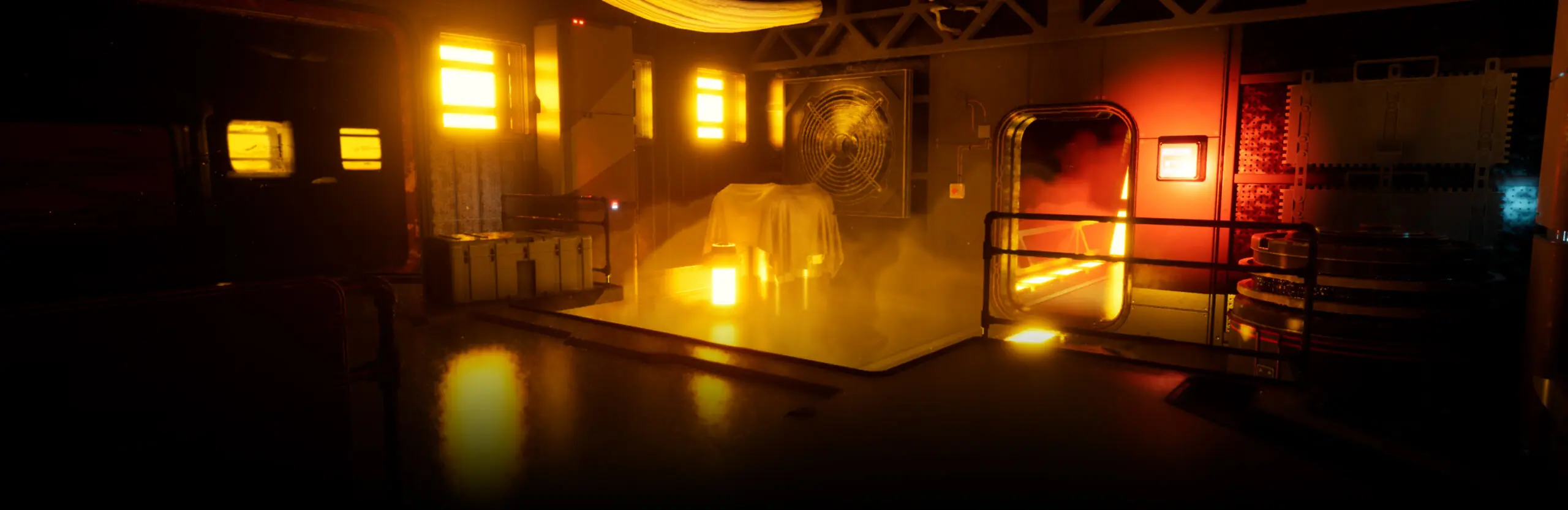

Game environment design is the discipline that turns a game concept into a playable, navigable world. It covers spatial layout, art direction, mood, level flow, and the asset pipeline that produces every rock, wall, and skybox. Done well, game environment design guides the player, supports gameplay systems, and gives the game a visual signature that competitors cannot copy.
If you are planning an environment build and want a production partner rather than a vendor, see the Game-Ace game art and design services page for scope, engagement models, and past work.
What game environment design actually covers
Environment design sits between level design and environment art. Level design decides what happens where; environment art decides what it looks like; environment design is the connective tissue that makes both work together. A single production usually splits the work across concept artists, world-builders, 3D environment artists, lighting artists, and technical artists who own shaders, LODs, and streaming.
The deliverables are not just pretty maps. They are playable spaces with sightlines, cover, silhouettes, readable landmarks, mood-driven lighting, and performance budgets. On a mid-scope project, an environment team can produce dozens of biomes, hundreds of props, and thousands of modular pieces that combine into levels.
Scoping an environment build for mobile, VR, PC, or an open world?
Categories of game environment design
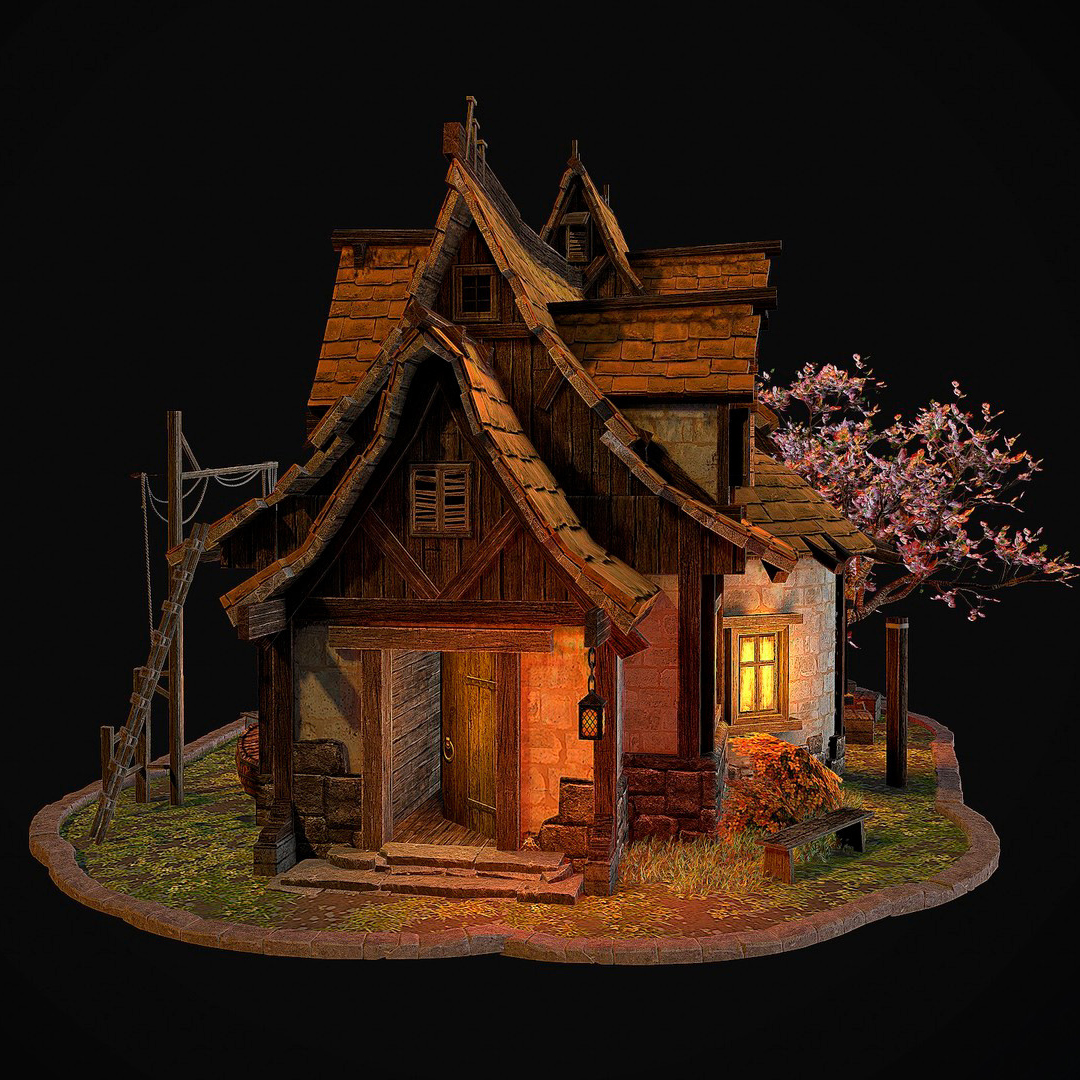
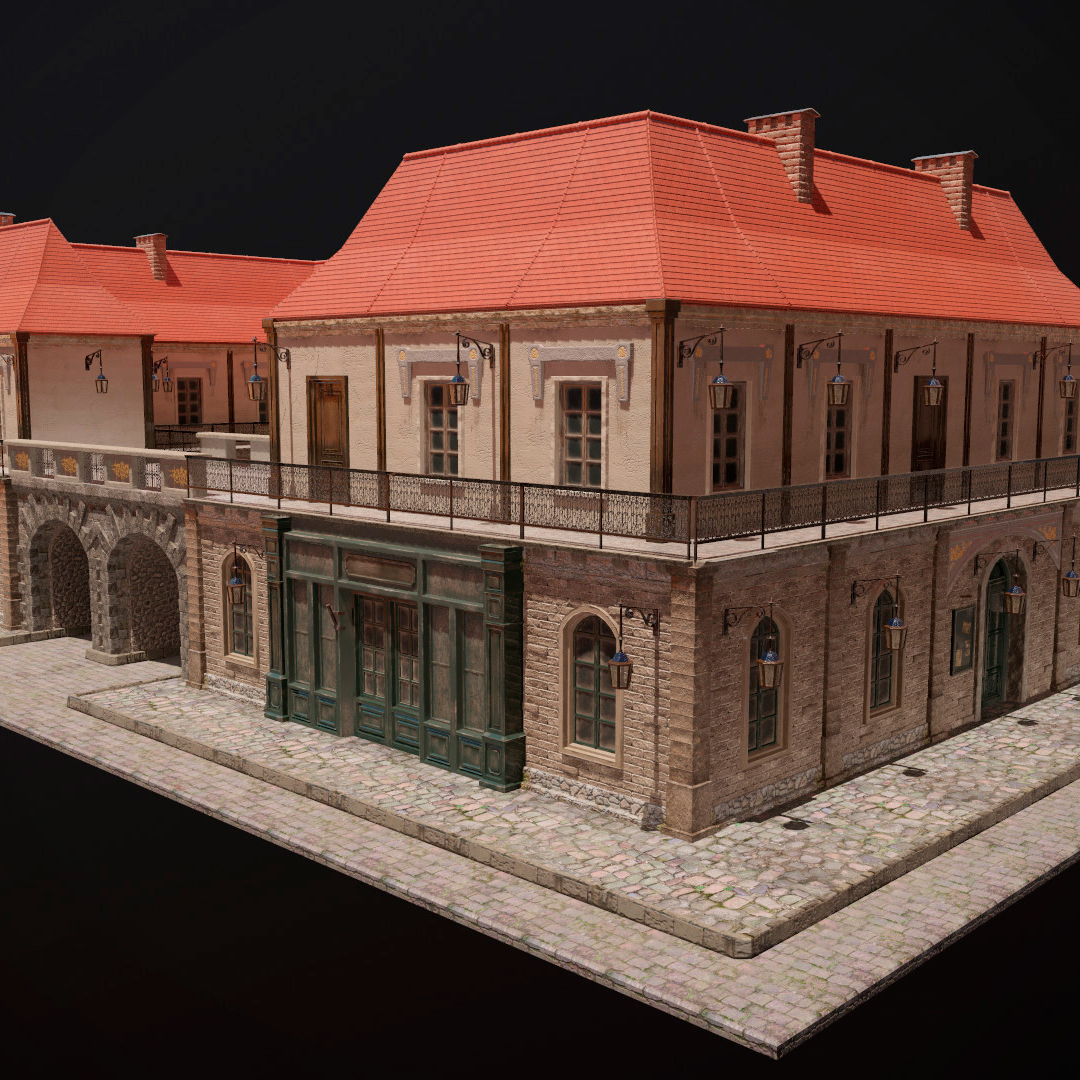
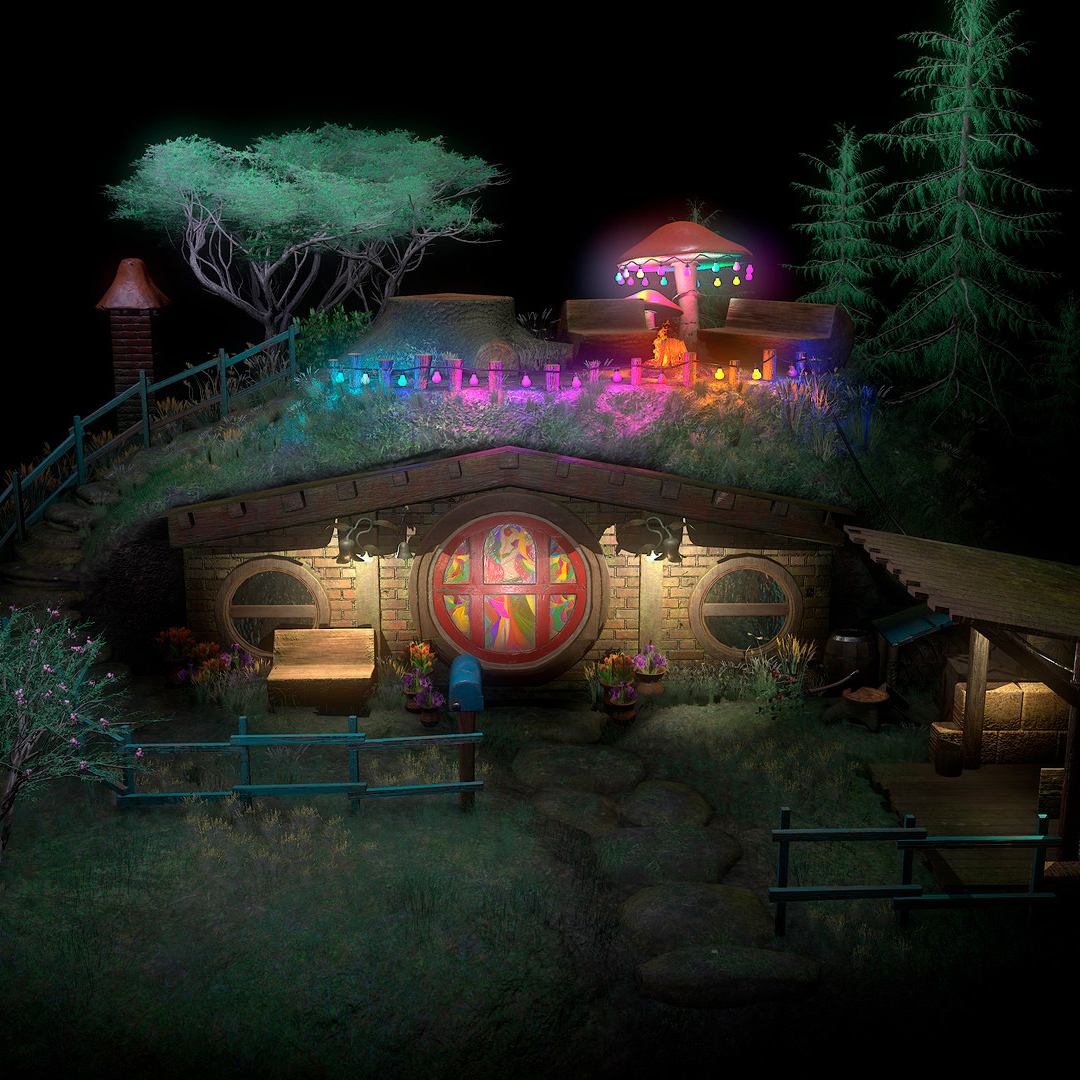
The category shapes the entire pipeline: tools, team size, memory budget, and how the world is authored. A 2D scrolling background is not scoped like a streaming open world, and a VR arena has stricter framerate rules than a linear third-person level.
| Environment type | Production complexity | Typical tools | Budget range |
|---|---|---|---|
| 2D backgrounds / parallax | Low to medium | Photoshop, Aseprite, Spine | €6,000-€30,000 |
| 3D open world / streaming | Very high | UE5 World Partition, Houdini, Gaea, SpeedTree | €250,000-€1,500,000+ |
| Level-based interiors | Medium to high | Unreal/Unity, Maya, ZBrush, Substance | €60,000-€250,000 |
| VR arenas / rooms | Medium (perf-critical) | Unity URP, Blender, Substance, Meta XR SDK | €40,000-€150,000 |
| Procedural / hybrid | High (systems work) | Houdini, Wave Function Collapse, in-engine PCG | €80,000-€300,000+ |
Ranges are order-of-magnitude, not quotes. Real scope depends on target platform, art style density, and how much reuse the modular kit allows.
2D game environment design vs 3D in practice
2D environments are painted or assembled as layered art. The pipeline is closer to illustration: concept, layout, painted layers, parallax setup, animation for water and fire, occasional 2.5D lighting tricks. Studios shipping games like Hollow Knight or Gris built their entire visual identity on hand-painted 2D environments.
3D environments are constructed from modular kits, sculpted hero assets, terrain, foliage, and lighting rigs. The heavier the world, the more the workflow shifts from placing assets to authoring systems: biome rules, Houdini digital assets, procedural clutter, in-engine PCG.
A common mistake is picking 3D because it looks more professional. A distinctive 2D style is often cheaper to produce, faster to iterate on, and much more memorable than a generic 3D scene. See our take on video game art styles for the trade-offs.
Tools studios actually use for game environment design
The toolchain is fairly stable and rarely a single-vendor stack. A typical 3D environment team runs Unreal Engine 5 or Unity 6 as the runtime, with DCC work split across Blender, Maya, ZBrush, and Houdini, plus a texturing layer built around Substance and scan libraries.
- Runtime engines: Unreal Engine 5 (Lumen, Nanite, World Partition), Unity 6 with URP or HDRP.
- DCC: Blender, Autodesk Maya, ZBrush for hero assets, 3ds Max on some studios.
- Terrain and vegetation: World Machine, Gaea, Houdini, SpeedTree.
- Texturing and materials: Adobe Substance 3D suite for Designer and Painter.
- Scanned content: Quixel Megascans for photoreal props, surfaces, and atlases.
- Version control: Perforce for binary-heavy projects, Git LFS for smaller teams.
Tool choice is downstream of art style and target platform. A stylized mobile game does not need Nanite. A photoreal PC or console shooter cannot ship without a scan-based texturing pipeline. For a deeper look at asset creation, see 3D modeling for video games.
From reference board to shipped level: the environment pipeline
Every environment starts with intent. A concept team defines mood boards, colour scripts, and key art. Level designers block out spaces in grey-box form. Environment artists replace grey-box with modular kits. Lighting and post-process passes then define time of day, contrast, and readability. Tech art wraps up shaders, LODs, and streaming.
- Reference and mood: colour script, silhouette pass, gameplay intent brief.
- Grey-box blockout: playable geometry with correct scale and sightlines.
- Asset planning: modular kit, hero assets, prop set, decal library.
- Sculpt, retopo, bake, texture: hero assets and tileable surfaces.
- In-engine assembly: material setup, foliage scattering, decal passes.
- Lighting and post: baked or dynamic lighting, exposure, colour grading.
- Optimization: LOD chains, occlusion culling, memory budget review.
Studios that skip the grey-box phase almost always overshoot budget. A blocked-out level tells you in a day whether the space is fun; a fully lit level takes weeks.
Art styles that shape game environment design
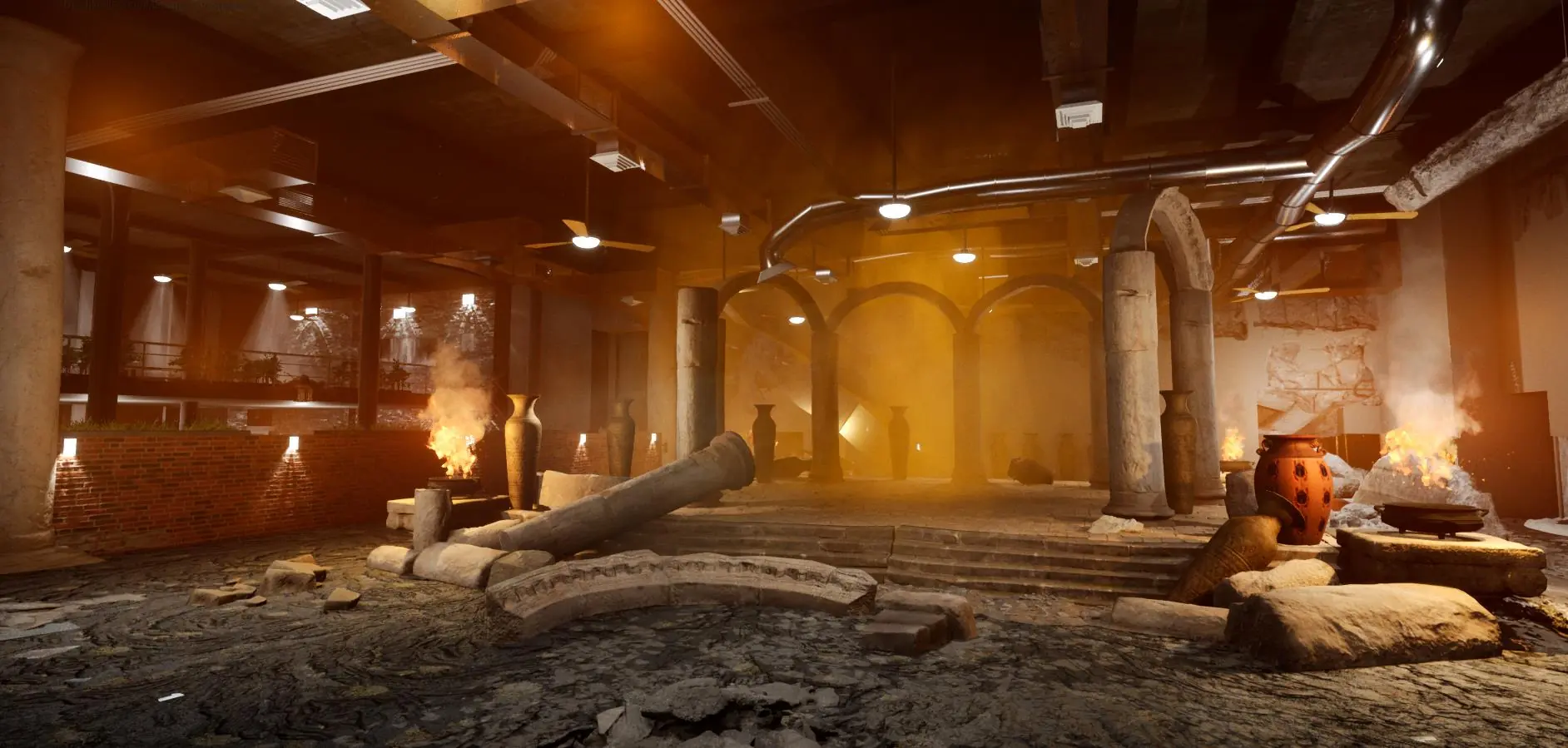
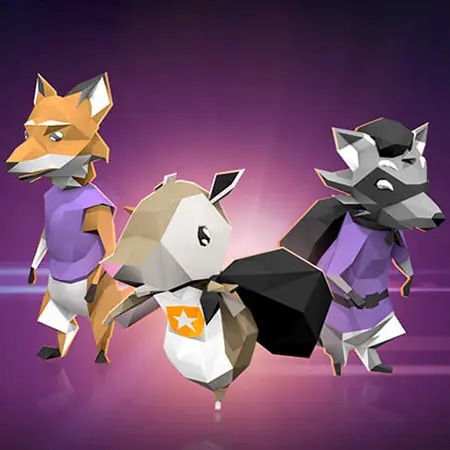
Style is a production decision as much as an art one. Painterly worlds like Sable rely on cel shaders and hand-authored textures. Photoreal projects lean on Megascans and physically based materials. Low-poly and flat-shaded styles trade fidelity for silhouette clarity and much lower memory cost.
Reference titles show the range. Firewatch built mood from flat-shaded terrain and sky gradients. Kentucky Route Zero used vector-style silhouettes and negative space. Alto's Odyssey layered watercolour parallax against physics-driven sand. Each of these shipped with smaller teams and strong art direction rather than large teams with generic assets.
Platform constraints and how they change environment design
Mobile, VR, PC, and web each impose their own budgets. Environment design has to work inside those from day one, not fix them at the end.
- Mobile: strict texture and draw call budgets, atlas-heavy workflows, baked lighting where possible.
- VR: locked 72-90+ fps, no post-effects that break stereo, comfort-driven scale.
- PC and console: heavier reliance on dynamic lighting, streaming, GPU particles.
- Web (WebGL / WebGPU): compressed textures, KTX2/Basis, aggressive LODs.
- Cross-platform: dual-target from day one, not late-stage porting.
A common failure mode is designing a scene for the highest target and hoping it scales down. It rarely does. Environments that ship across platforms are usually authored with the tightest target as the baseline and richer effects layered in for stronger hardware.
Game environment design in Game-Ace projects
This recent project shows the range of environment work Game-Ace covers.
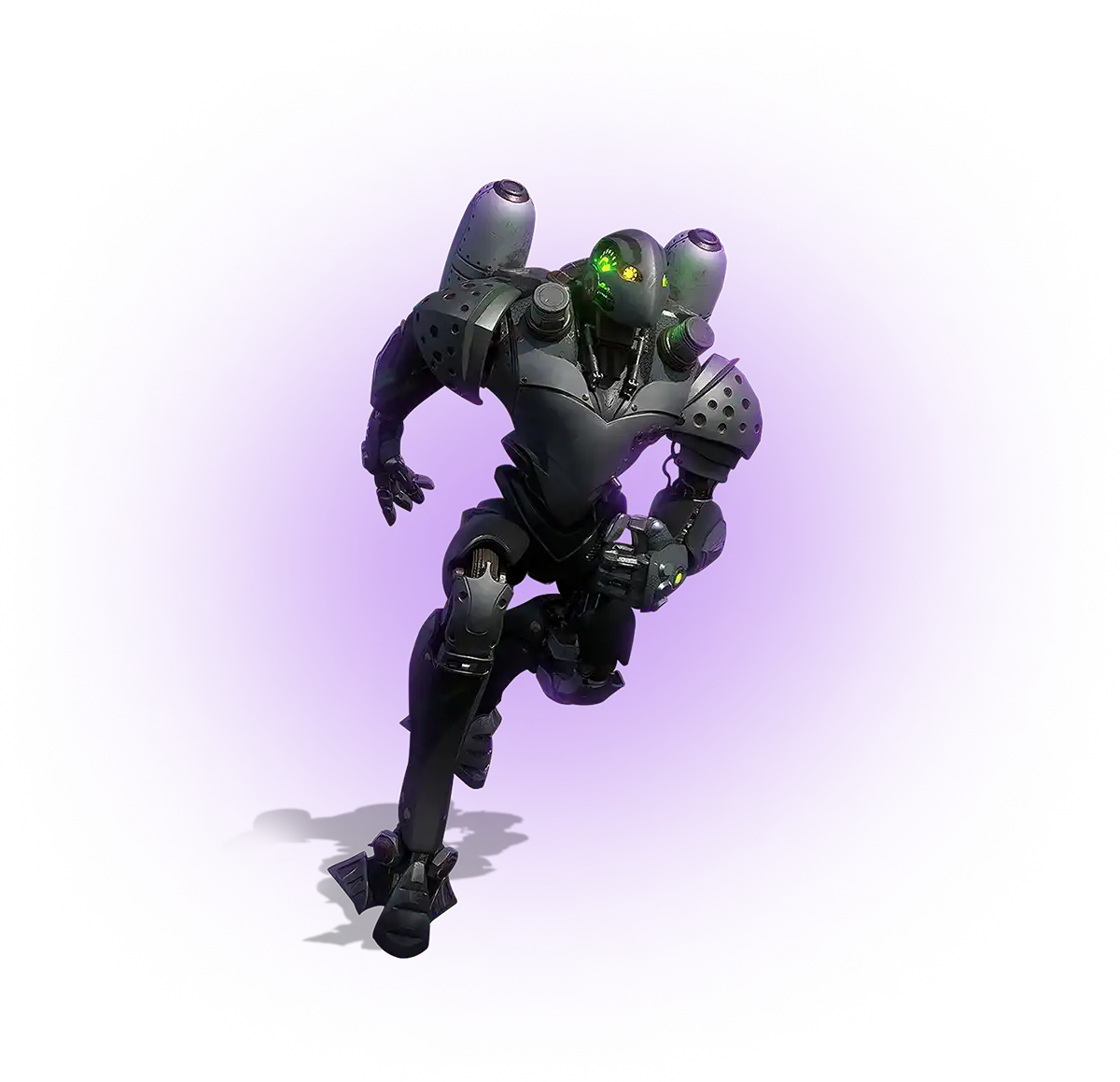
Welcome to Skyscraper, an Unreal Engine horror project by Game-Ace
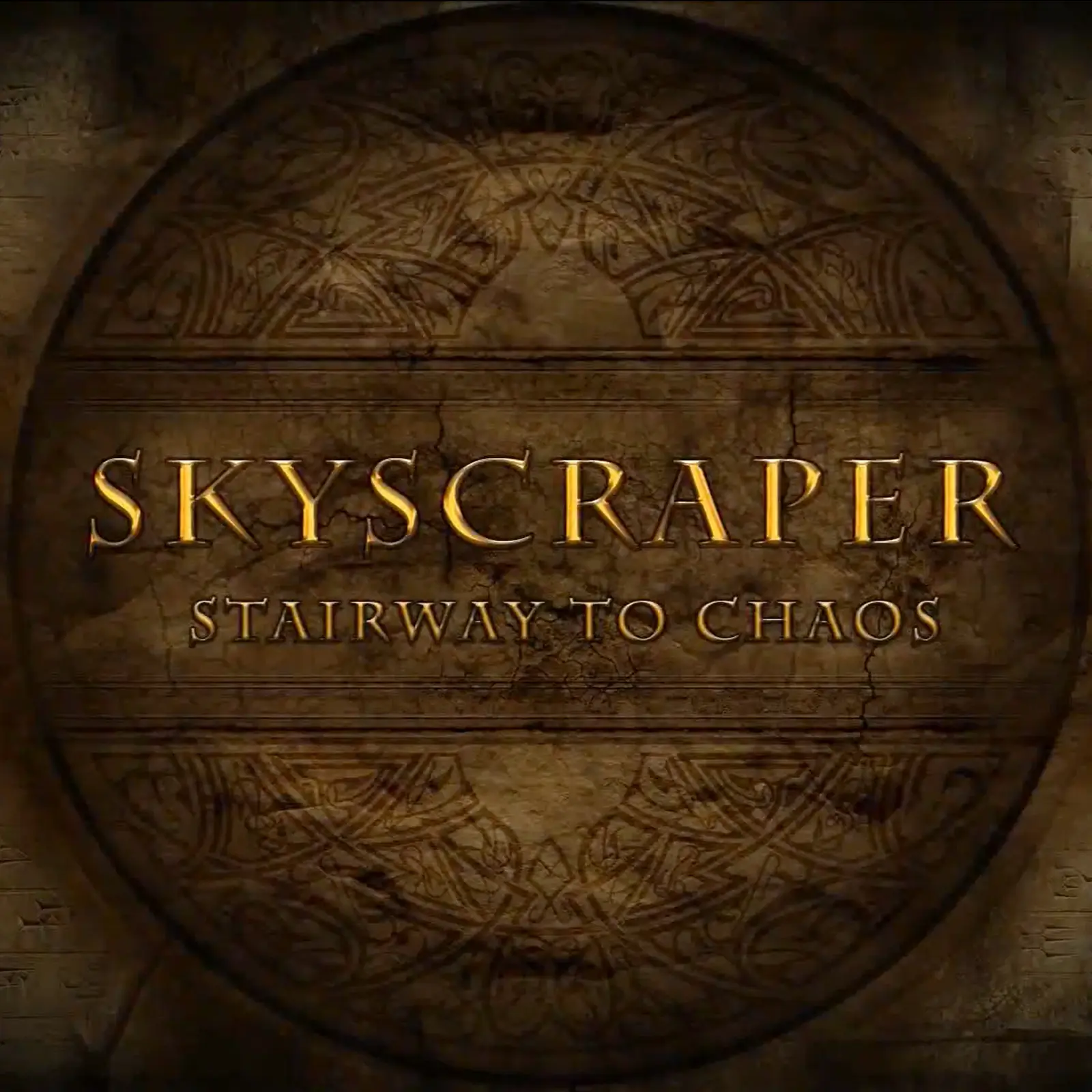
Skyscraper is a third-person action horror shooter built in Unreal Engine with C++, set inside a dense, vertical Tower of Babel setting. The environment team handled level dressing, prop production, and low-light atmosphere work for a claustrophobic climb through the tower's interiors.
Outsourcing game environment design without breaking visual style
Outsourced environment art works when the external team is treated as an extension of the in-house art direction, not a black box. Style guides, reference boards, and a small number of hero assets built jointly at the start set the visual bar. From there, a partner studio can produce large volumes of modular content without the style drifting.
Common engagement shapes: a dedicated environment pod for a full project, milestone-based delivery of a biome or level, or a team-extension model where outsourced artists sit inside the client's Perforce and daily standup. Game-Ace runs all three. For pure asset production, 3D game art outsourcing and 2D game art outsourcing are the primary entry points.
When to talk to Game-Ace about game environment design
Game environment design becomes a Game-Ace conversation when a project needs specialised environment production capacity: a full pipeline from concept to in-engine assembly, a dedicated environment pod attached to a co-development team, or a fast hire 3D artists route to scale an existing team. Game-Ace has shipped environment work across mobile, PC, console-adjacent, and VR projects under strict NDA and full IP transfer.
 How to design learning games for kids
  Arcade game design: a production guide
  Narrative game design: from concept to shipped story
  Game UX: a practical guide for studios and product teams
  How can different video game art styles enhance your project?