
Unreal Engine game development is the end-to-end process of building a commercial game on Epic Games' Unreal Engine, most often UE 5 or the current UE 5.6 release. It covers gameplay logic in C++ and Blueprints, high-fidelity 3D rendering with Nanite and Lumen, Chaos physics, MetaSounds audio, and Movie Render Queue cinematics. Studios use it for third-person action, shooters, RPGs, tactical games, cinematic experiences, and select mobile and VR builds.
Why studios choose Unreal Engine game development

The short answer: Unreal Engine gives production teams a shipped, source-available rendering and gameplay stack that already handles the hard parts of high-fidelity 3D, so teams can spend budget on gameplay and content rather than tech R&D. UE 5 ships Nanite, Lumen, Chaos, MetaSounds, and the Gameplay Ability System out of the box, and Epic maintains the roadmap.
For a B2B buyer, that translates into predictable production risk. Rendering, animation, physics, and audio pipelines are documented and battle-tested across published titles like Manor Lords, Palworld, Off the Grid, and Immortals of Aveum. Tooling for artists (Sequencer, Movie Render Queue, MetaHuman) is mature, so cinematic and marketing content ship from the same engine that runs gameplay.
You can also read the current Unreal Engine 5 feature set on Epic Games' site.
Scoping an Unreal Engine game development project?
Key features that shape Unreal Engine game development
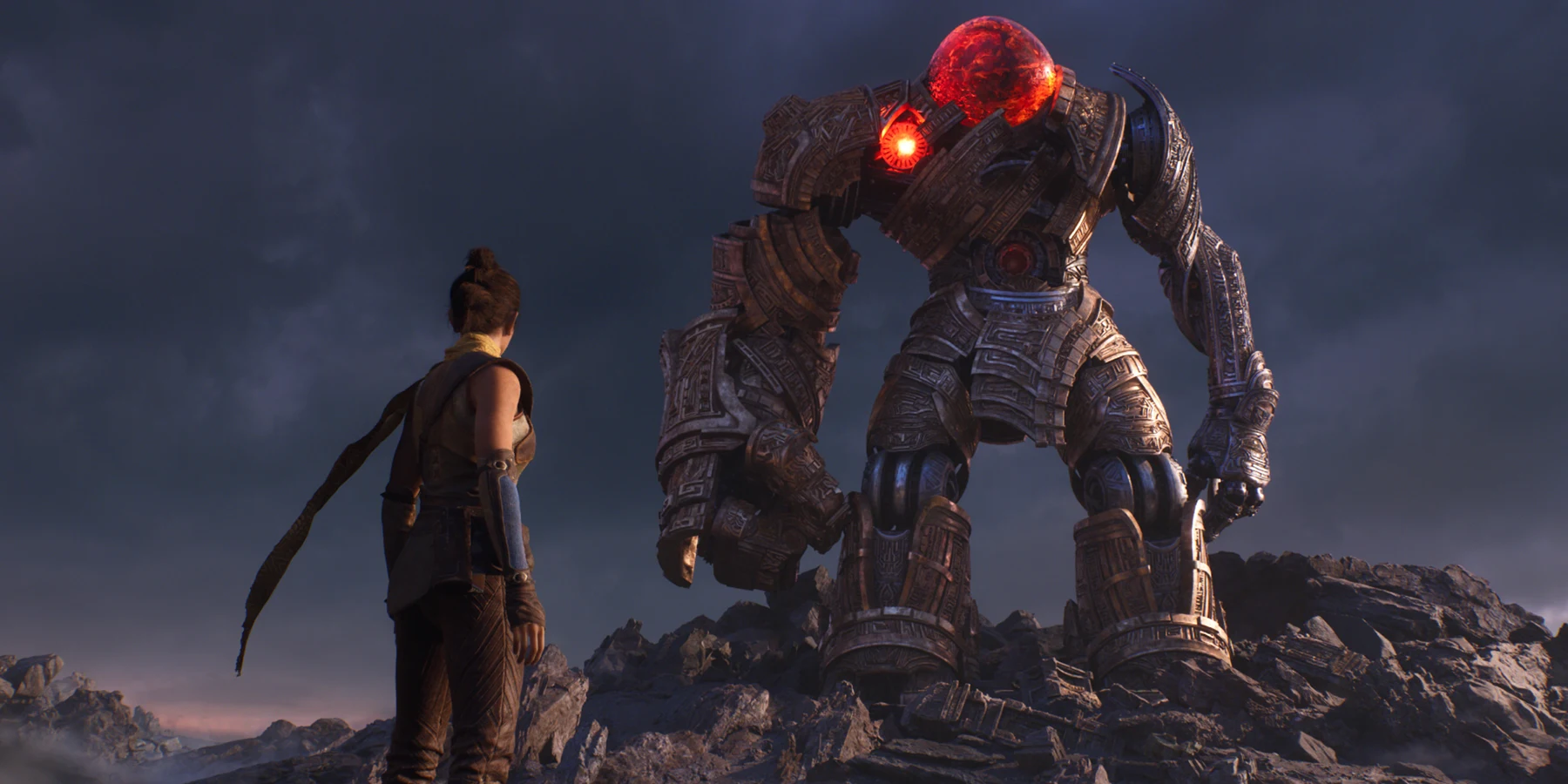
Feature choice drives budget more than engine choice. Below is the short list of UE 5 systems that most affect scope on a new project.
- Nanite: virtualized micropolygon geometry, removes most LOD authoring for static meshes.
- Lumen: real-time dynamic global illumination and reflections, cuts baked-lighting iteration.
- Chaos Physics: destruction, cloth, and vehicle simulation shipped as the default physics system.
- Substrate: layered material system for physically grounded surfaces, replacing the classic UE 4 shading model on new projects.
- MetaSounds: procedural audio graph, replaces the legacy sound cue for new work.
- MetaHuman: high-fidelity human characters with facial rig and LODs, driven from Live Link.
- Gameplay Ability System (GAS): C++ framework for abilities, attributes, and effects in multiplayer.
- Movie Render Queue (MRQ): the production-grade offline renderer for cinematics and marketing assets.
Not every project needs every system. A stylized top-down title may skip Nanite and Substrate; a shooter with server authority leans hard on GAS and replication. Team-level decisions are covered in Epic's Unreal Engine documentation.
UE 4 vs UE 5 vs UE 5.6 for a new Unreal Engine game development project
Most new commercial projects start on UE 5.6. UE 5.4 and 5.5 are still in production for live games; UE 4.27 is maintained mainly for ports and legacy titles.
| Feature | UE 4.27 | UE 5.0-5.5 | UE 5.6 |
|---|---|---|---|
| Geometry / LOD | Manual LODs, HLOD | Nanite (static) | Nanite (skeletal preview, larger scenes) |
| Global illumination | Baked lightmass, DFAO | Lumen (SW / HW RT) | Lumen with improved perf, better foliage GI |
| Physics | PhysX | Chaos default | Chaos, refined vehicles and cloth |
| Materials | Classic PBR | Substrate experimental | Substrate production-ready on new projects |
| Audio | Sound Cue | MetaSounds default | MetaSounds with expanded graph nodes |
| Cinematics | Sequencer + legacy render | Movie Render Queue | MRQ with faster renders and improved passes |
| Characters | Custom rigs | MetaHuman via bridge | MetaHuman Creator in-editor, Live Link Face improvements |
| Scripting | C++, Blueprints | C++, Blueprints, Verse (Fortnite) | C++, Blueprints, PCG for world building |
What games teams build with Unreal Engine game development
Unreal Engine covers most 3D genres and a growing share of 2.5D and stylized titles. Recent shipped or in-development examples include Manor Lords (medieval city builder), Palworld (open-world survival), Off the Grid (battle royale on UE 5), Immortals of Aveum (single-player shooter), and Ark II (announced on UE 5). Older UE 4 catalog examples include Gears 5, Sea of Thieves, and Kingdom Hearts III.
On the mobile side, UE 5 is realistic for mid-range and premium devices, though feature scope needs trimming: many teams disable Nanite and Lumen and use forward shading. For a deeper look at engine trade-offs, see our game engine comparison.
Roles on an Unreal Engine game development team
A production-ready Unreal Engine game development team is not just "programmers plus artists." The engine assumes specific specializations, and cost is driven by how many of them a project needs at each phase.
- Gameplay programmers (C++ / Blueprints, GAS, replication)
- Engine / tools programmer for editor extensions and build pipeline
- Technical artists for Substrate materials, VFX, and performance profiling
- 3D artists and riggers, including MetaHuman-ready character work
- Level designers using World Partition, PCG, and Sequencer
- Audio designer working in MetaSounds
- QA with device matrix, automation, and Insights profiling
- Producer with UE release cadence and Perforce workflow experience
For pipeline-heavy production, character work overlaps with our character rigging for video games practice, and asset flow with Unreal Engine 3D modeling.
How Game-Ace runs an Unreal Engine game development project
An engagement usually starts with a technical review of the target scope: platforms, feature set, art direction, and estimated content volume. That review sets the UE version, feature toggles (Nanite, Lumen, Substrate), and whether the project uses World Partition or classic streaming.
From there, the project moves through prototype, vertical slice, production, and launch. Cinematic content and marketing renders run on MRQ in parallel with gameplay production, using the same source assets. Game-Ace supports three engagement models on Unreal projects: full-cycle game development, game co-development, and team extension when the client already has an in-house Unreal team.
Most Unreal Engine game development projects settle into 2-4 week sprints with weekly builds. Perforce is the default source control; automated build farms handle nightly cooks per target platform.
Cost and timeline for Unreal Engine game development
Cost depends on scope more than engine. A vertical slice on UE 5.6 with a small team typically starts around €80,000 and runs 3-4 months. A full commercial title on UE 5 with cinematics, multiplayer, and content pipeline can range from €250,000 to €1,500,000+ and take 12-24 months from prototype to launch.
Two variables move the number most: rendering fidelity (which drives art headcount and iteration time) and multiplayer scope (which drives backend and QA cost). For deeper cinematic work, see our note on unlocking cinematic quality in Unreal Engine 5.6.
A Game-Ace Unreal Engine game development case study
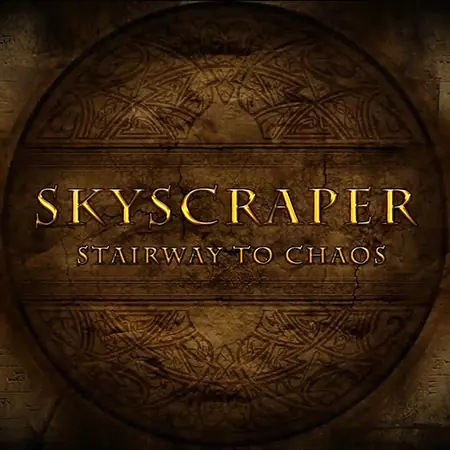
Welcome to Skyscraper, a third-person action game by Game-Ace
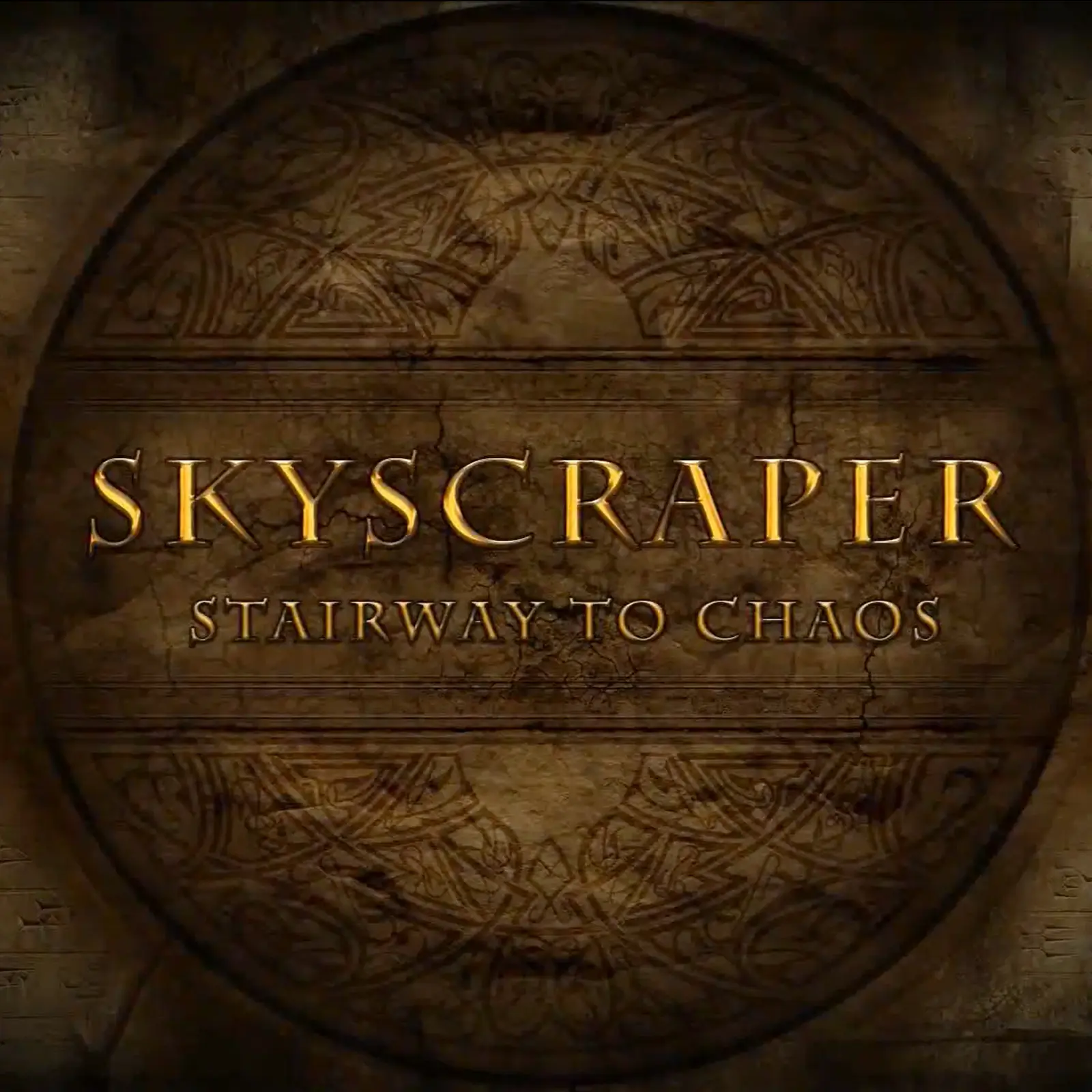
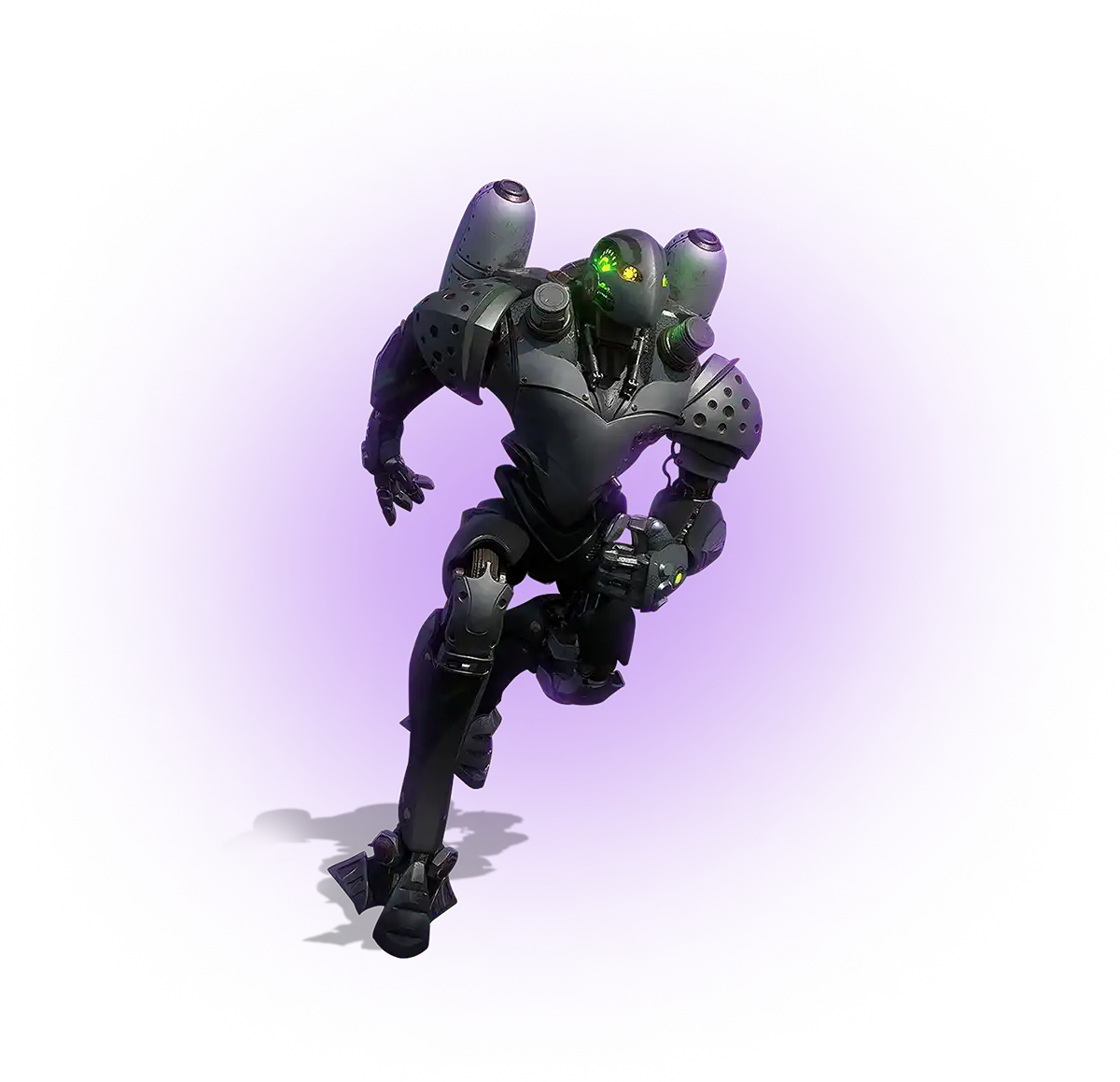
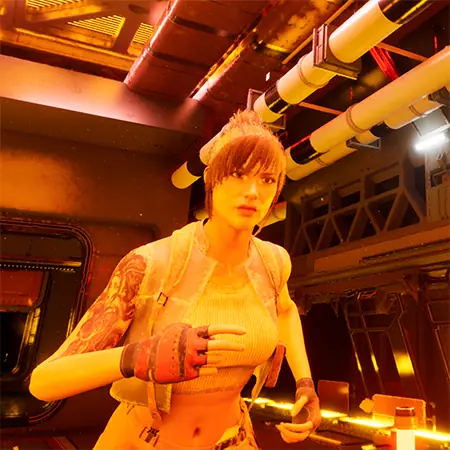
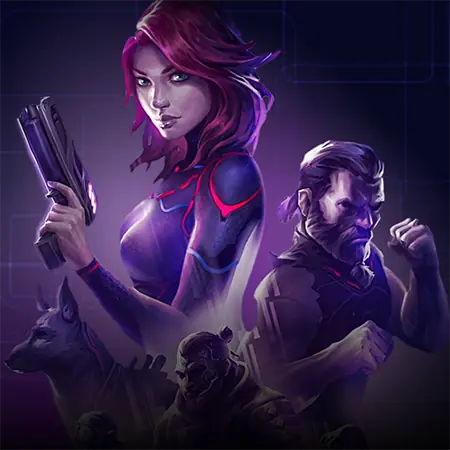
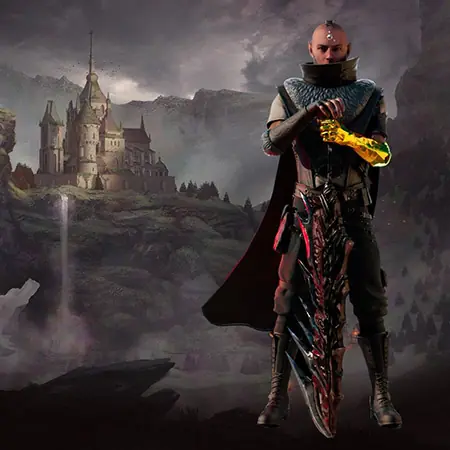
Skyscraper is a third-person Unreal Engine action title with vertical level design, physics-driven traversal, and stylized environments. Game-Ace handled full production, from concept through gameplay implementation, leaning on Unreal's replication-ready character framework.
When to talk to Game-Ace about Unreal Engine game development
If Unreal is already part of your roadmap, Game-Ace, an Unreal Engine game development studio, handles full-cycle production, co-development, and team extension from a single 120+ specialist team. Since 2005 we have shipped 200+ games across mobile, iGaming, and multiplayer, with dedicated Unreal Engine programmers, technical artists, and producers available under NDA and full IP transfer. See also hire Unreal Engine developers for team-extension pathways.
 Unreal Engine 5.6 cinematics: a production guide
  How to build an endless runner game in Unreal Engine
  Best game engines: a working shortlist
  Unity vs Unreal: picking the right engine for your game
  Unreal Engine 4 vs 5: evolution in game development