
Building a multiplayer game in Unity means picking a networking framework (Netcode for GameObjects, Netcode for Entities, Photon Fusion, Mirror, or Fish-Networking), a hosting model (peer-to-peer, listen-server, or dedicated server on Unity Multiplay), and a services layer for Relay, Lobby, matchmaking, and voice. The rest, gameplay, prediction, anti-cheat, sits on top of those decisions.
If you are scoping a multiplayer game in Unity (MMO, party game, PvP, or co-op), talk to Game-Ace.
Why studios keep betting on multiplayer
Multiplayer keeps sessions alive. A well-tuned co-op or PvP loop pulls a player back for months, not the eight hours a single-player campaign might last. That is why publishers, operators, and indie teams still fund it, and why so many teams ask how to make a multiplayer game in Unity instead of shipping a solo title.
Retention numbers back that up. Live co-op and social titles routinely see Day 30 retention several times higher than one-and-done single-player releases, and monetisation scales with hours played rather than box price.
How Unity networking actually works under the hood
A multiplayer game in Unity runs one or more authoritative processes and any number of clients. The authoritative process (a hosted server, a listen-server hosted by one of the players, or a peer that holds authority for a specific object) simulates gameplay. Clients send input, receive state, and reconcile predicted movement against server snapshots.
Netcode for GameObjects and Fish-Networking use a NetworkObject/NetworkBehaviour model with variable replication, RPCs, and ownership. Netcode for Entities pushes the same idea into DOTS: ghost snapshots stream from server to client using delta compression, prediction runs on both sides for owner-predicted entities, and interpolation smooths remote ghosts. Photon Fusion takes a tick-based approach with client-side prediction and lag compensation baked into the core loop, which is why it is often chosen for competitive shooters. Whichever framework you pick, the four decisions that shape everything are: who is authoritative, what is replicated, how prediction and reconciliation work, and how state is compressed on the wire.
Choosing a framework for a multiplayer game in Unity
There is no default. Framework choice depends on genre, target scale, budget, and team experience. Small co-op teams often reach for Fish-Networking or Mirror; competitive shooter teams tend to standardise on Photon Fusion; sim-heavy or entity-dense projects lean on Netcode for Entities.
| Framework | Best fit | Typical CCU per instance | Cost model | Tooling / notes |
| Netcode for GameObjects (NGO) | Small-to-mid co-op, party games, prototypes | Up to ~32 | Free (Unity) | First-party, Boss Room sample, integrates with Unity Gaming Services. |
| Netcode for Entities | Competitive shooters, large sims, MMO-lite | 100s per shard | Free (Unity, DOTS) | DOTS/ECS, ghost snapshots, client-side prediction. Steeper learning curve. |
| Mirror | Indie co-op, PvP, hobby MMOs | Up to ~50 | Free / open source | UNet successor, mature docs, big community, HLAPI-style. |
| Photon Fusion 2 | Competitive PvP, shooters, racing | Up to ~200 (Fusion Shared / Server) | Photon CCU pricing | Tick-based, prediction + lag compensation, hosted infrastructure available. |
| PUN2 (legacy) | Existing PUN2 titles in maintenance | 20-40 | Photon CCU pricing | In maintenance mode. New projects should pick Fusion 2, not PUN2. |
| Fish-Networking | Indie co-op, small PvP, custom setups | Up to ~100 | Free / open source | Single source of truth, high performance, active maintenance. |
Full official framework docs are on the Unity Multiplayer Networking documentation site. Read the specific framework section before committing.
The Unity Gaming Services layer around your netcode
Netcode moves state. Everything else, matchmaking, hosting, voice, connection brokering, lives in Unity Gaming Services (UGS) or a self-built equivalent. Most teams shipping a multiplayer game in Unity today lean on UGS for at least Relay and Lobby.
- Relay: NAT-punchthrough for peer-to-peer sessions when a dedicated server is overkill.
- Lobby: session discovery, join codes, quick-match rooms.
- Matchmaker: skill-based and rules-based matchmaking for larger PvP populations.
- Multiplay: dedicated game server hosting, region routing, autoscaling for CCU spikes.
- Vivox: proximity and team voice chat for co-op and competitive titles.
Full pricing and quickstarts: Unity Gaming Services documentation.
How to make a multiplayer game in Unity: a build order that works
Ship the loop, then scale it. That order matters more than the framework. Start with a single scene, two players, and one authoritative process. Verify the loop feels good with 60 ms of injected latency and 2% packet loss. If it breaks there, no framework will save it.
- Prototype the core loop offline with a NetworkManager and two ParrelSync editors.
- Layer prediction on owner-controlled entities. Test with Clumsy or Network Link Conditioner.
- Add Lobby + Relay so real users can join over the internet.
- Move to a dedicated server (Multiplay or your own Linux fleet) once sessions exceed 8-16 players or PvP fairness matters.
- Bolt on matchmaking, voice, analytics, and telemetry last.
A common mistake is picking the framework first and worrying about the loop later. That inverts the risk order.
Cross-play, platforms, and account systems

PC

Mobile

Console
XR
A multiplayer game in Unity can target PC, mobile, and console from a single codebase, but cross-play adds real work. Console networking runs through platform-specific SDKs (Sony NP, Microsoft GDK, Nintendo NEX), each with certification requirements. Netcode for GameObjects and Photon Fusion both support console, but transport layers and platform account systems need per-platform wiring. For PC and mobile only, Unity mobile game development patterns cover most of what you need. Add console, and expect several months of certification work per platform plus a first-party account layer.
Anti-cheat and security in a Unity multiplayer game
Client authority is the enemy. Keep gameplay logic on the server for anything that affects scoring, currency, or PvP fairness. Validate every input. Rate-limit RPCs. For competitive PvP, most teams pair server authority with Easy Anti-Cheat (integrated with Unity via a plugin) or BattlEye at the platform layer. For co-op and casual titles, server-side validation is usually enough.
Hosting cost and how to keep it under control
Costs scale with CCU, session length, region count, and how much traffic the server relays. A small co-op session on Relay is cents per hour. A dedicated shooter server at 60 Hz on Multiplay ranges from a few dollars per instance-hour up, depending on machine size and region. For a live PvP title expecting a few thousand daily active players, monthly infra spend usually lands in the €2,000-€8,000 range. Titles targeting hundreds of thousands of DAU move into five figures monthly, and dedicated capacity planning becomes a full-time job.
A multiplayer Unity project from the Game-Ace portfolio
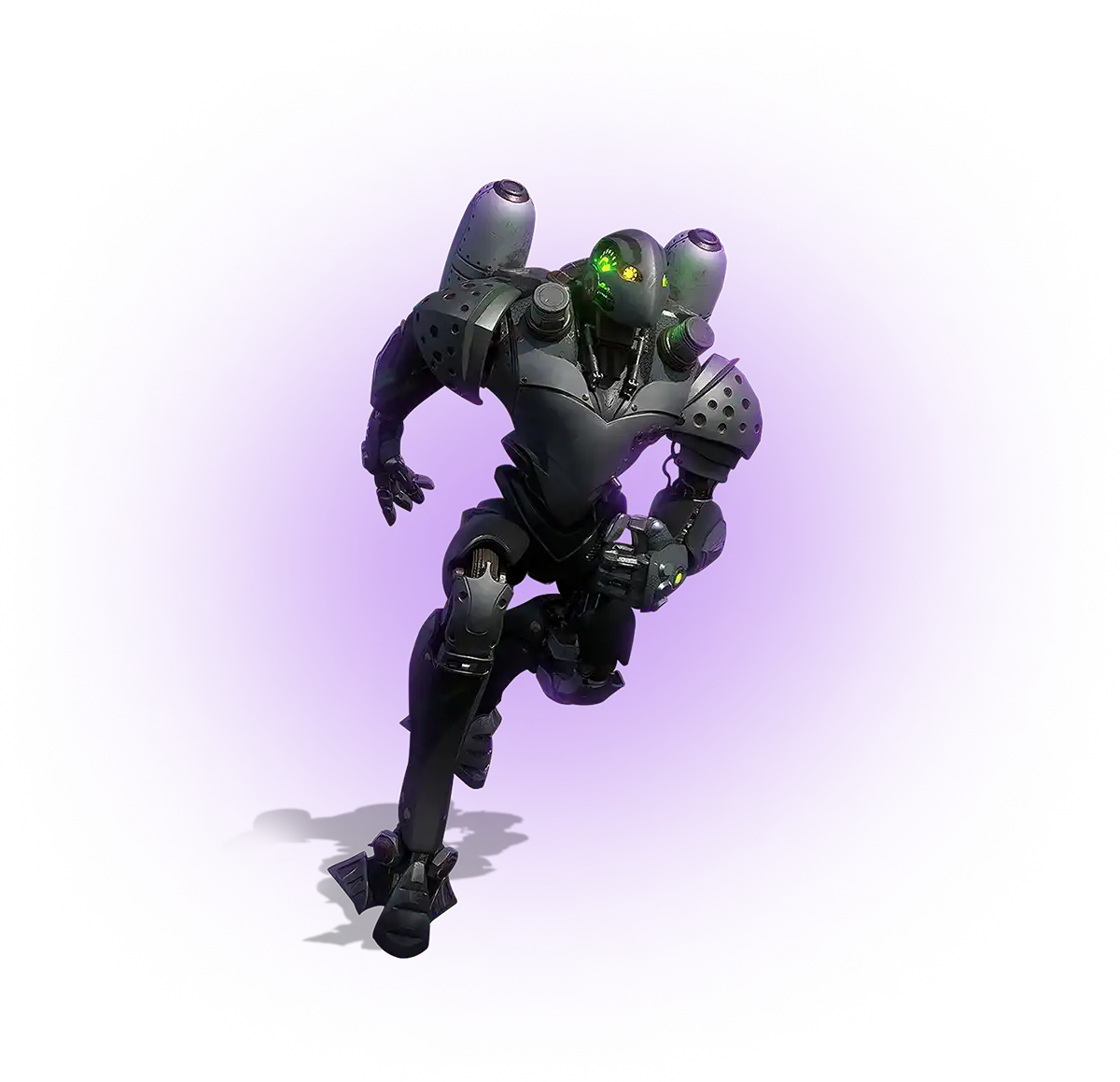
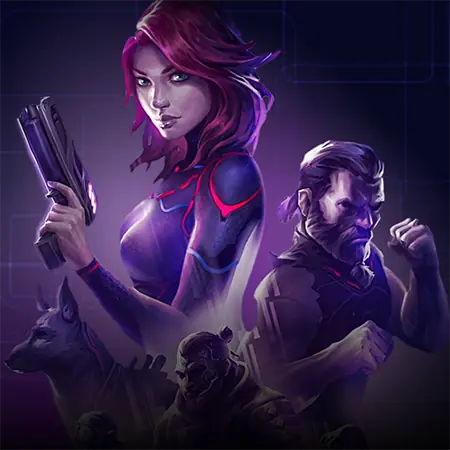
Welcome to Infowar: Shadows of the Grid, a Unity MMORPG by Game-Ace
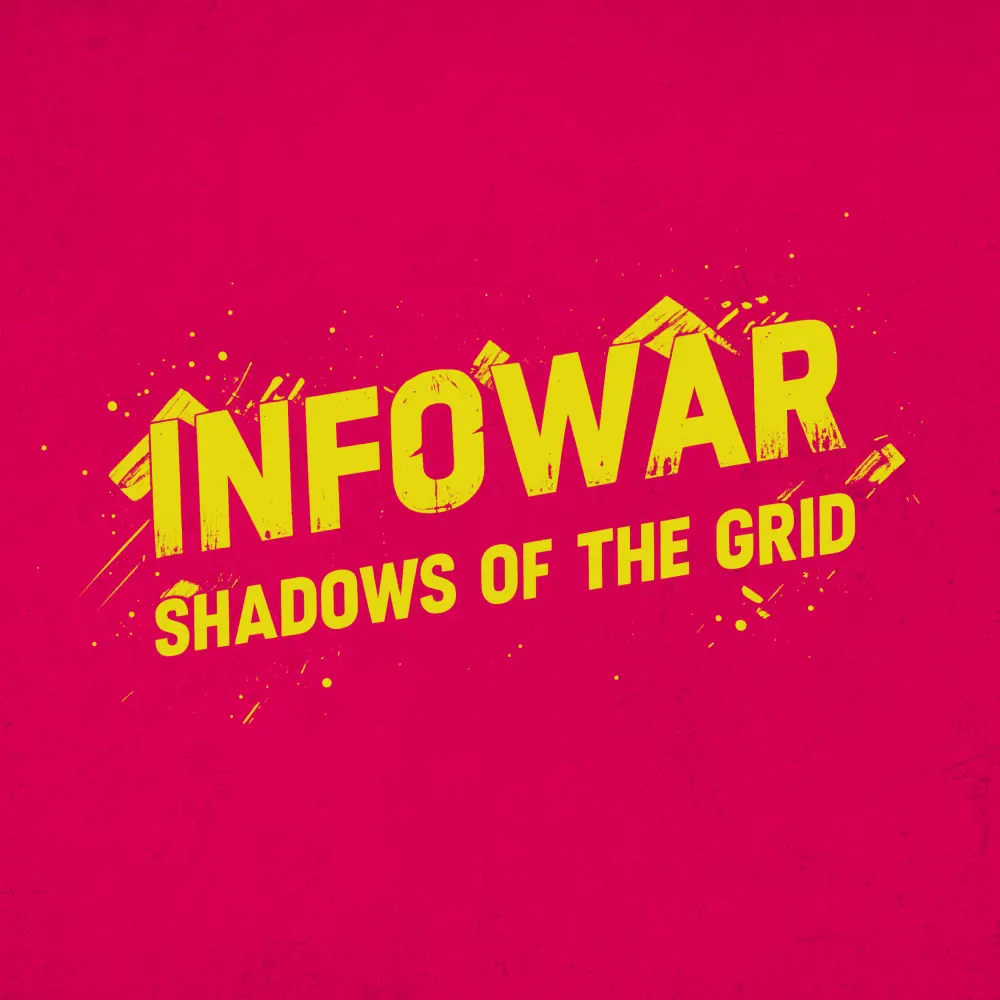
Infowar: Shadows of the Grid is a Unity MMORPG, where players verify or spread information in real time through a DataLink messaging system, backed by cloud-based matchmaking and Unity's built-in multiplayer tools, with a visible Trust Rating that shapes alliances as players interact.
Talk to Game-Ace about your Unity multiplayer project
If you are scoping a multiplayer game in Unity (MMO, party game, PvP shooter, or co-op), talk to Game-Ace.
When to talk to Game-Ace about a multiplayer game in Unity
Reach out when the multiplayer scope has moved past prototype and the team needs help scaling the loop, choosing between Netcode for GameObjects and Photon Fusion, standing up dedicated servers, or hitting a certification window on console. Game-Ace's custom game development studio fields a 120+ specialist Unity team, working under NDA and full IP transfer through Team Extension, hiring Unity developers directly, or full-cycle game development. For persistent-world architecture specifically, see MMORPG game development.
Related reading:
- How to make a mobile game in Unity, a Unity mobile production companion piece.
- How to make a multiplayer game in Unreal, a comparison read for Unreal-side networking.
- Unity performance optimization, profiling and frame-budget work that helps multiplayer titles.
- Game engine comparison, engine trade-offs beyond Unity and Unreal.
 Unity 6 for game development: what actually changed
  Rapid game development with Unity: from prototype to build
  Unity 2D vs 3D: choosing the right dimension for your game
  Best game engines: a working shortlist
  Unity vs Unreal: picking the right engine for your game