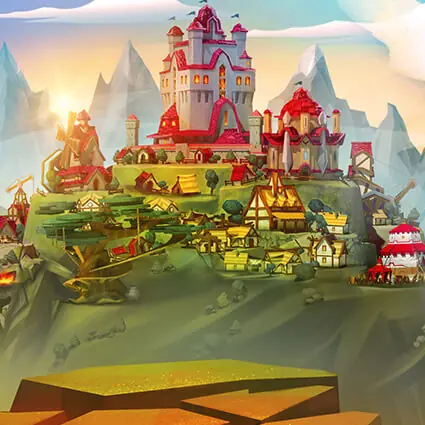

Metaverse gaming means persistent, socially connected virtual worlds where players use avatars to play, trade, and hang out across sessions. In current production, most real metaverse gaming budgets go into three buckets: VR social and arena experiences, Web3 worlds with on-chain assets, and branded virtual spaces built on Roblox, Fortnite Creative, or Meta Horizon. Everything else is still experimental.
If you are scoping a metaverse game or a branded virtual experience, talk to Game-Ace.
What metaverse gaming actually means right now
Metaverse gaming is a game or virtual space that runs continuously, keeps player state across sessions, and lets people meet other users through avatars. It is not a single product and not a single platform.
The label covers a wide range: a Roblox experience for a consumer brand, a VR arena for location-based entertainment, a Web3 world with tokenised land, or a corporate training space in a private virtual environment. The common thread is persistence, identity, and social presence.
What it is not: a one-off multiplayer match, a VR demo, or a chat lobby that resets when everyone leaves.
Is metaverse gaming still growing or has the hype cooled
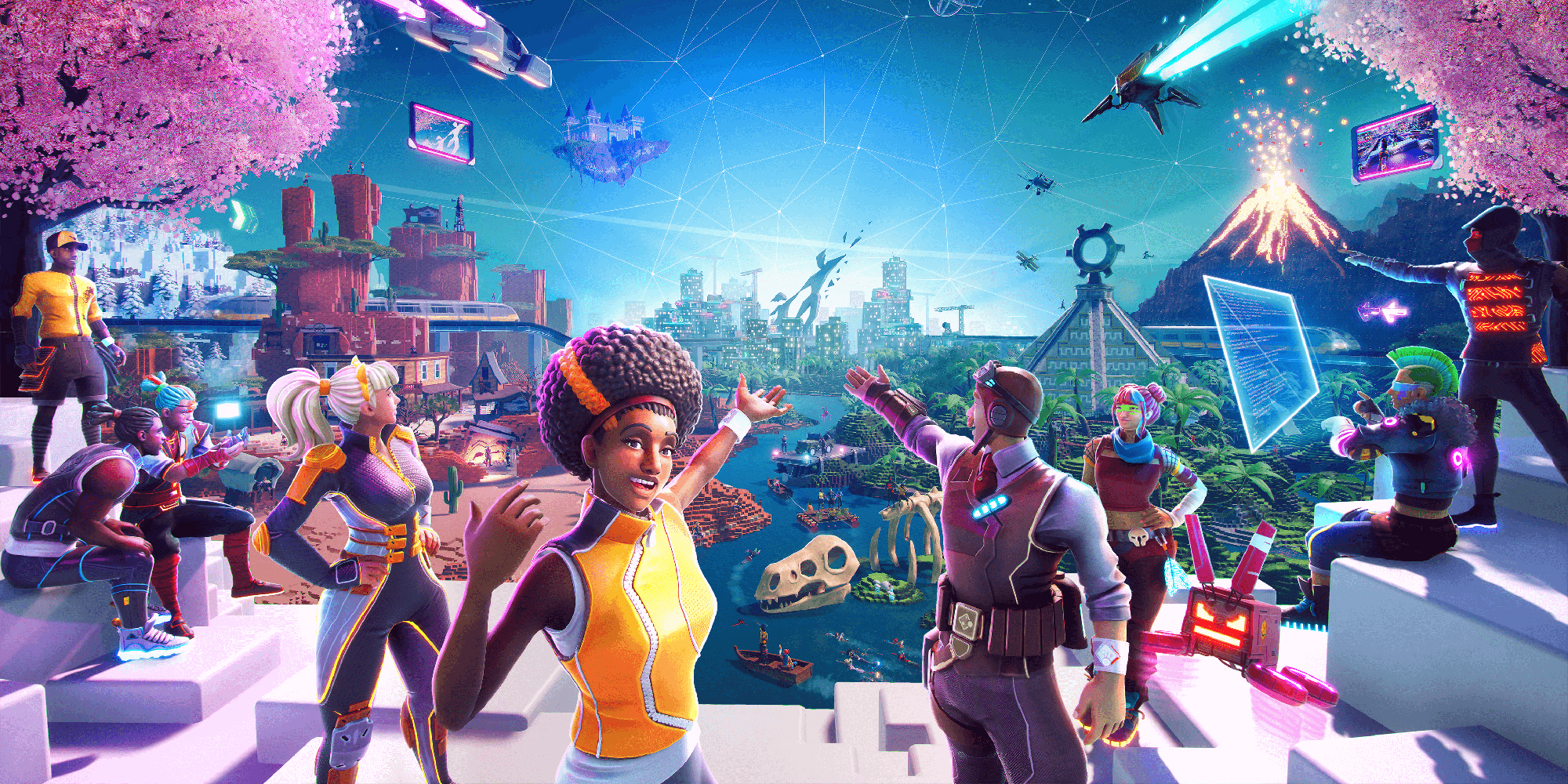
The hype has cooled. The market has not disappeared.
Between 2021 and 2023 almost every consumer brand wanted a metaverse activation. After the pullback, budgets consolidated around a smaller set of platforms with real audiences: Roblox for younger users, Fortnite Creative for pop culture activations, Meta Horizon Worlds for VR social, and a handful of Web3 worlds that survived the crypto correction. Enterprise metaverse work moved to NVIDIA Omniverse for industrial and simulation use cases.
For production teams, the change is practical: fewer speculative build-our-own-world-from-scratch briefs, more ship-a-persistent-experience-on-a-platform-where-users-already-are briefs.
The main types of metaverse gaming in production
Different teams use metaverse gaming to mean very different things. The table below groups the categories that actually get built and paid for.
| Type | Target audience | Platform | Tech stack |
|---|---|---|---|
| Open-world MMO | Core gamers, 16-35 | PC, console, cloud | Unreal, Unity, dedicated servers |
| VR social hub | VR headset owners | Meta Quest, PCVR | Unity XR, Meta Horizon SDK, PUN/Photon |
| Brand experience | Gen Z, brand fans | Roblox, Fortnite Creative (UEFN) | Roblox Studio + Luau, UEFN + Verse |
| Web3 play-to-earn | Crypto-native players | Web, mobile, PC | Unity + web3 SDKs, EVM, Solana |
| Educational metaverse | Schools, corporate L&D | Web, tablet, VR | Unity WebGL, Roblox Education, LMS APIs |
| Concert / event world | Music and sports fans | Fortnite, Roblox, Horizon | Live ops backend, streaming, spatial audio |
Not every project fits one box. A VR archery arena can also carry a brand sponsor. A Web3 world can add a Roblox front door for onboarding.
Which platforms actually host viable metaverse games today
Four platforms handle most of the real production volume.
- Roblox: largest user base for social and brand experiences; Luau scripting, in-house economy through Robux.
- Fortnite Creative / UEFN: Verse scripting, strong pipeline for concerts, sports drops, and IP activations.
- Meta Horizon Worlds and Quest apps: the main VR social layer, plus standalone Quest 2/3 titles.
- Web3 worlds: Decentraland, The Sandbox, and smaller EVM/Solana projects for token-based economies.
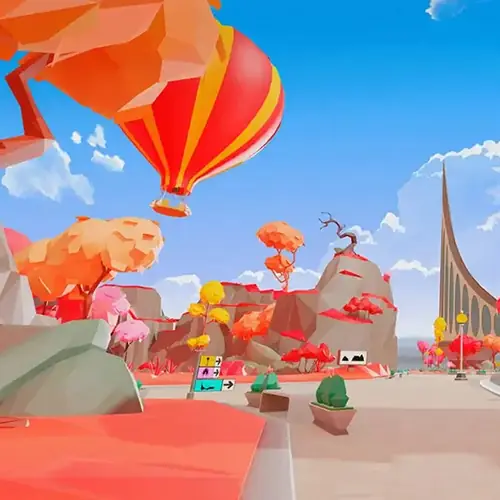
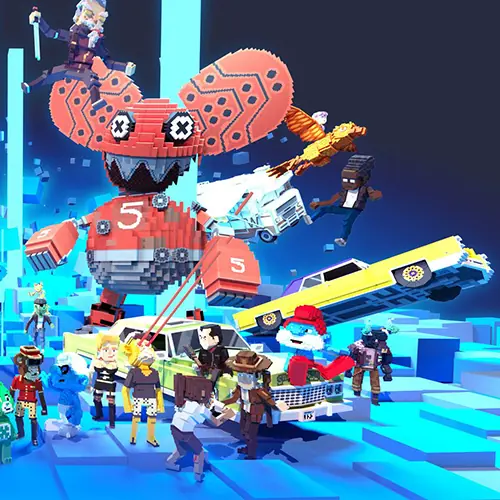
Independent PC and mobile metaverse-style games still exist, but for most B2B clients the platform choice comes down to where the target audience already spends time.
The tech stack behind a metaverse gaming project
The stack depends on the platform, but the core building blocks repeat.
- Engine: Unity or Unreal for standalone builds; Roblox Studio or UEFN when the platform is fixed.
- Persistence: cloud database plus authoritative servers so player state survives sessions.
- Networking: Photon, Nakama, Mirror, or the platform-native layer for real-time sync.
- Identity: platform SSO, custom accounts, or wallet-based sign-in for Web3 projects.
- Content pipeline: modular assets so worlds can scale without ballooning download sizes.
- Live ops: analytics, remote config, and a content-drop cadence planned before launch.
For full-cycle game development briefs, we scope the stack per platform rather than by fashion.
Monetisation without leaning on NFTs or crypto
Most current metaverse gaming projects monetise without crypto at all.
Roblox and Fortnite Creative pay through platform economies (Robux, Creator Economy 2.0). Brand projects usually run on a fixed sponsorship budget plus engagement KPIs. VR titles use paid downloads plus DLC. Educational metaverses sell seats. Web3 monetisation still exists, but it is one option, not the default.
Choosing a monetisation model early affects the whole design: session length, retention loops, and what endgame even means.
How Game-Ace approaches a metaverse gaming project for a brand
For brand clients we start with the platform question, not the world-building question.
A 90-day Roblox drop, a Quest headset title, and a Web3 world on EVM have almost nothing in common at the code level. So the first two weeks of a metaverse gaming engagement usually cover platform selection, audience match, monetisation model, and an honest read on whether metaverse is the right word to use in the client-facing brief at all.
After that: prototype, playtest, ship, and treat the launch as the start of live ops rather than the end of the project.
Related reading on the Game-Ace blog
- How to make a VR game: a practical VR production overview.
- Roblox VR games: where Roblox and VR actually overlap.
- Immersive game design: how immersion works beyond the VR headset.
- WebGL games and the future of online experiences: browser-based delivery for lightweight metaverse entries.
When to talk to Game-Ace about metaverse gaming
Metaverse gaming is not one product category, and it does not need one universal partner. Talk to Game-Ace when the project has a defined platform (Roblox, VR, Web3, or Unity/Unreal), a real audience to reach, and a scope beyond a marketing demo. Our team covers virtual reality game development, NFT and Web3 game builds, and Roblox development for brands from a single 120+ specialist studio. If a broader scope is on the table, Game-Ace, a full-cycle game development studio, handles co-development, team extension, and turnkey production from Cyprus.
 AR in games: platforms, SDKs, and what ships
  Mobile gaming trends shaping the industry now
  Immersive game design: how studios build presence