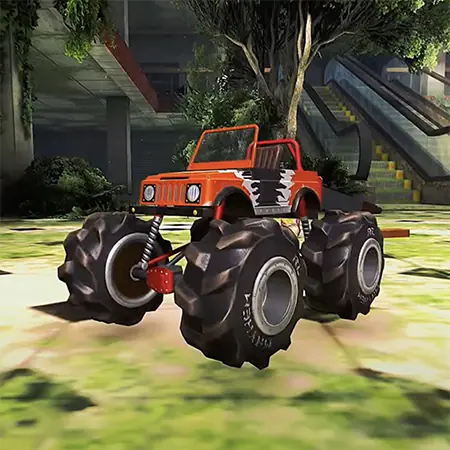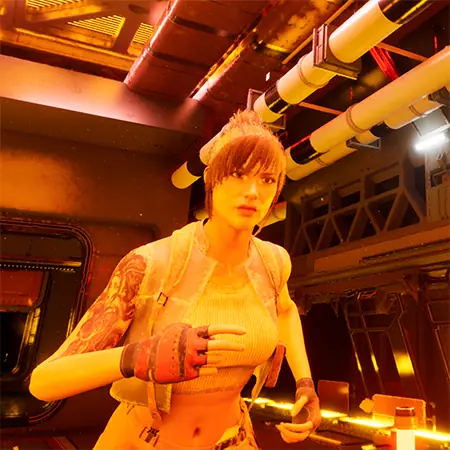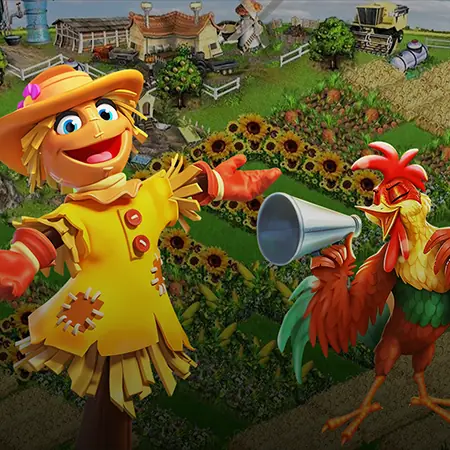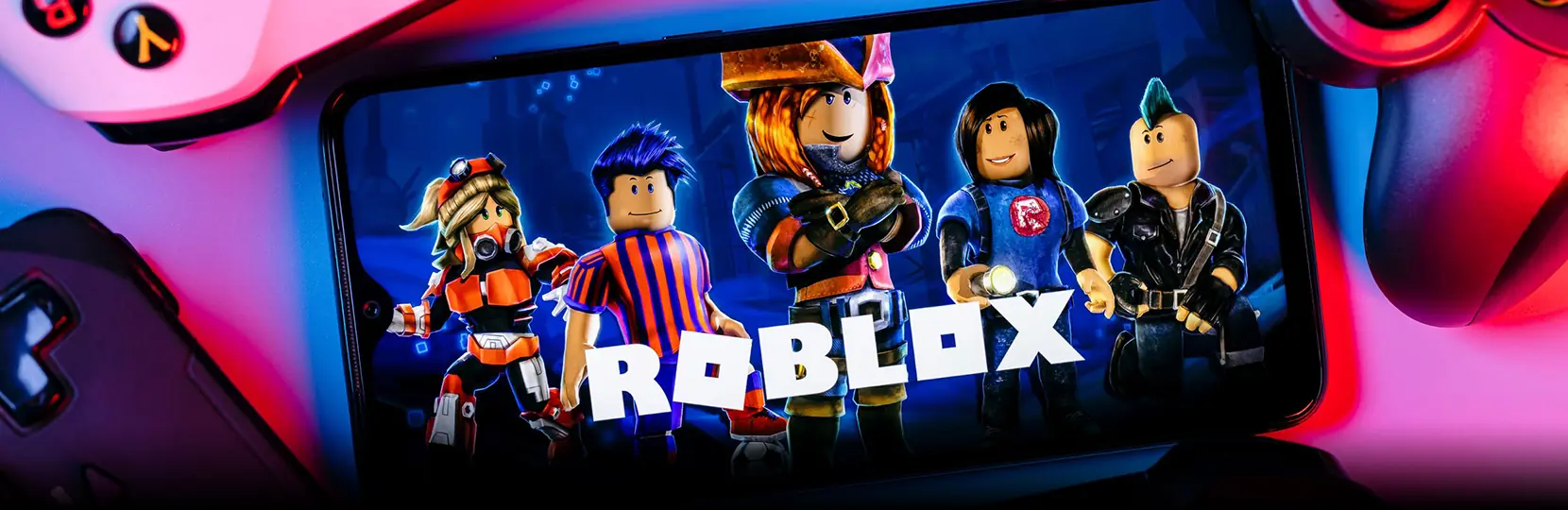

Roblox simulation games are user-generated experiences built inside Roblox Studio where players run a tycoon, raise pets, drive vehicles, manage a farm, or live out a routine in a persistent world. They dominate the platform's top charts because the loops are easy to enter, the progression is visible within minutes, and the social layer keeps sessions long. For studios and brands, a Roblox simulation game is a low-friction way to reach a young, returning audience with a custom IP.
What Roblox simulation games actually are
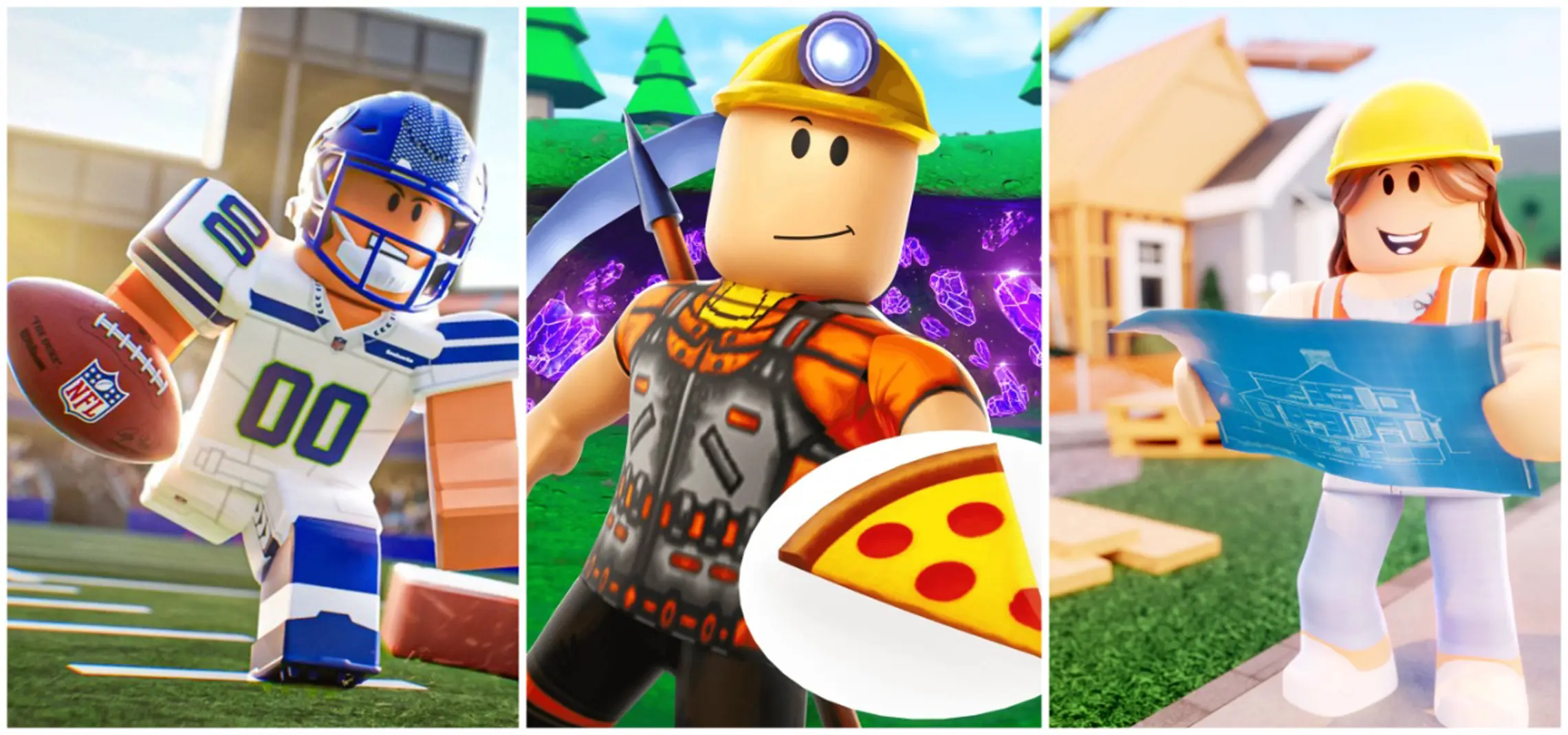
A Roblox simulation game is a loop-driven experience inside Roblox where the player accumulates resources, upgrades, or status by repeating a clear action. The action can be hatching pets, chopping trees, running a restaurant, parking cars, or living a daily routine. Players keep a persistent profile, the progress saves through Roblox DataStore, and the social hub is built into the platform.
Two terms collide here. "Simulator" is the Roblox-native label most experiences use in their game name (Pet Simulator 99, Vehicle Simulator). "Simulation" is the broader genre umbrella that also covers tycoons, life-sims, and roleplay worlds. In practice, Roblox simulation games and Roblox simulator games describe the same shelf inside Roblox discovery.
Best Roblox simulation games players actually return to
The best Roblox simulation games are the experiences that hold daily active users in the millions and keep median session length above the platform average. They mix a short core loop with a long-tail collection or progression system, then layer social features on top. Several of them have been live for years and still rank inside the Roblox front page.
These are the titles that consistently sit at the top of the Roblox simulation shelf:
- Adopt Me! — pet collection and trading with a strong social economy.
- Pet Simulator 99 — idle pet collection with seasonal events.
- Bee Swarm Simulator — long-tail collection plus quest-driven progression.
- Lumber Tycoon 2 — open-world resource tycoon with a player-driven market.
- Restaurant Tycoon 2 — restaurant management with cooking and decor.
- Theme Park Tycoon 2 — sandbox park builder with ride scripting.
- Welcome to Bloxburg — paid-access life simulation with housing and jobs.
- Brookhaven RP — free life-sim roleplay with rolling content updates.
- Vehicle Simulator — vehicle ownership, racing, and economy loops.
- My Restaurant — restaurant management with a focus on staff and menu growth.
The same retention pattern also appears in broader Roblox trends in gaming, where social loops, avatar identity, and creator-led content keep players returning.
What links them is not the theme. It is the visible progress bar, the second loop layered on top of the first (collect plus trade, build plus host, drive plus race), and a discovery flow that pulls a player back the next day.
Why simulation works on Roblox
Simulation suits Roblox because the platform optimises for first-minute clarity. A new player lands in a lobby, sees a button or an obvious resource, and gets a measurable result within the first session. Roblox simulation games match that pattern naturally: tap, collect, upgrade.
Three platform-side factors compound that fit:
- Audience age. The core Roblox audience skews 9–16, and simulation loops match how that audience plays in short sessions across the day.
- Discovery. Roblox sorts experiences by engagement and retention, both of which simulation loops produce when the upgrade curve is tuned.
- Avatar economy. Cosmetic ownership integrates directly with Robux, which means a simulation game can monetise without breaking the core gameplay.
Educational simulation scopes can use the same short-loop structure when the goal is a play-to-learn Roblox experience rather than pure entertainment.
Roblox official guidance on these loops sits in the Roblox Creator Docs, which is also where studios verify the current rate limits, DataStore quotas, and policy changes that affect simulation economies.
Roblox simulation sub-genres and what fits where
Roblox simulation games are not one shape. The sub-genre changes the mechanics, the monetisation, the target age, and the production complexity. The table below summarises what each sub-genre offers when a studio or brand scopes a project.
| Sub-genre | Core mechanic | Main monetisation | Target age | Production complexity |
| Tycoon | Build, expand, collect passive income | Robux gamepasses, prestige passes | 9–14 | Medium |
| Pet simulator | Hatch, collect, trade pets | Event eggs, premium pets, trading | 8–13 | Medium–high |
| Farming sim | Plant, harvest, sell, upgrade plots | Seed packs, plot expansions | 9–15 | Medium |
| Vehicle sim | Drive, race, own, customise | Cars, fuel, garages | 10–16 | High |
| Life sim / roleplay | Job, home, social roles | Houses, jobs, cosmetics | 9–14 | High |
| Collection / idle | Repeat tap, idle gains, prestige | Boosts, multipliers, premium pets | 8–13 | Low–medium |
For teams still choosing between simulator, tycoon, roleplay, or branded concepts, the related guide to Roblox game ideas gives broader concept options before production scoping.
How to make a simulation game in Roblox
To make a simulation game in Roblox, you scope a single short loop, prototype it in Roblox Studio with Luau, then layer progression, persistence, and a social hook on top. The whole stack stays inside Roblox Studio. Code runs in Luau, assets import as meshes and decals, and persistence ties to Roblox DataStore.
A practical build path for a small simulation game looks like this:
- Lock the core loop on paper: 15–20 second tap-to-reward cycle.
- Prototype in Roblox Studio with placeholder art and a Luau script driving the loop.
- Add a progression curve and tune the first 30 minutes against playtests.
- Wire persistence through DataStore so progress survives session exits.
- Add a social layer: trading, leaderboards, or visiting other players' plots.
- Stand up the economy: Robux gamepasses, boosts, and event currency.
- Soft-launch to a small audience, instrument retention metrics, iterate.
Teams without in-house Luau, economy, or anti-exploit expertise can review how to hire Roblox developers before they scope production.
Many teams start from a Roblox simulator game template inside Roblox Studio to skip boilerplate, then rewrite the core loop. That is fine for prototypes. For a commercial release the template code usually needs a clean rewrite around the studio's own economy and anti-exploit logic.
Mechanics that make a Roblox simulation game stick
Retention in Roblox simulation games is built into the mechanics, not bolted on later. The titles that hold an audience for years have four mechanical layers working at the same time.
- Short core loop. The first tap-to-reward cycle fits inside 15–20 seconds.
- Visible long-term goal. A rare pet, a final building tier, or a max-level vehicle the player can see from minute one.
- Social proof. Trade chat, leaderboards, and visible cosmetics on other avatars.
- Live events. A monthly or seasonal event that adds new collectibles without resetting progression.
Anti-exploit work runs in parallel. Roblox simulation games attract automated farming, duping, and trade scams. Server-authoritative validation, action throttling, and trade rollback windows are baseline production work, not a post-launch patch.
What a Roblox simulation game costs and how long it takes
Cost and timeline depend on the sub-genre, the scale of the economy, and whether the project is a launch title or a brand campaign. A focused single-loop simulation game is the cheapest entry point. A vehicle sim or life-sim with a full economy moves into a larger band.
Realistic ranges for a custom Roblox simulation game:
- Single-loop simulator with one progression track: starts from €25,000, 2–3 months.
- Tycoon or pet simulator with trading and seasonal events: typically €50,000–€120,000, 4–6 months.
- Vehicle sim or life-sim with full economy, housing, and social systems: typically €120,000–€250,000+, 6–9 months.
- Brand-led Roblox experience tied to a campaign window: scope-driven, usually 3–5 months.
For a deeper breakdown of cost drivers and engagement models, the cost guide for Roblox games walks through what changes a quote and where the budget actually goes.
Plan your Roblox simulation game with Game-Ace
If you are scoping a custom Roblox simulation game, a brand-led Roblox experience, or co-development on Roblox mechanics with your in-house team, talk to Game-Ace. As a custom game development company, we can help define the core loop, economy, progression, anti-exploit logic, and production scope before development starts.
 Roblox monetization: strategies that actually earn
  Roblox trends in gaming: what is working now
  Hire Roblox developers: where to find and how to scope
  12 Roblox game ideas that actually work
  Roblox gamified education: a play-to-learn design guide