
To make a cross-platform game, you pick an engine that compiles to every target (Unity, Unreal, or Godot for native builds; HTML5 or PhaserJS for browser), design one shared codebase, abstract input and rendering per platform, and plan store submission early. Cross-platform game production usually costs less than porting later.
If you are scoping a cross-platform game, in-house or fully outsourced, talk to Game-Ace.
What a cross-platform game actually is in production
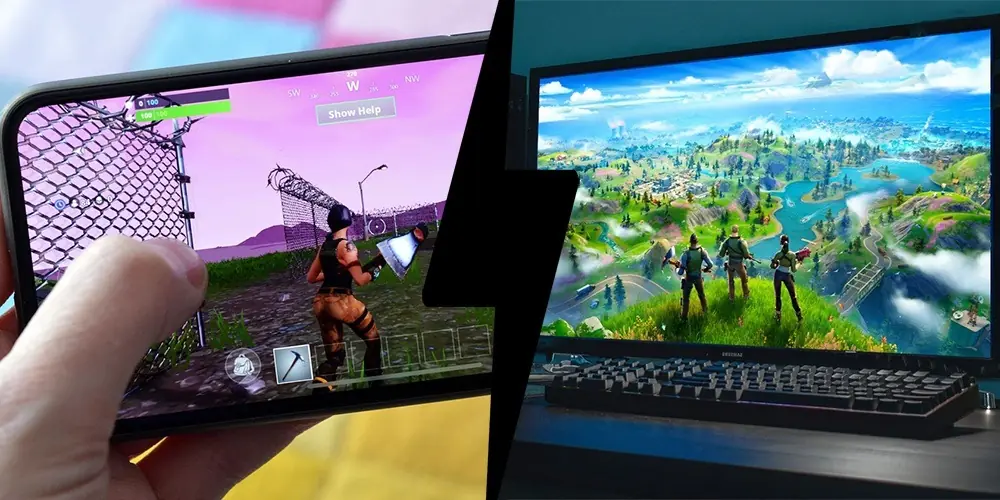
A cross-platform game is a single title that runs on more than one hardware family (mobile, desktop, console, browser, VR) from a shared codebase, with per-platform builds tuned for input, resolution, and storefront rules. The label covers three real production shapes: a single build with runtime platform detection, separate binaries from one code repository (Unity/Unreal cross-compile), and a shared core with per-platform native shells. Most studios pick the second option because it balances shared logic with room to tune graphics per device.
Cross-play is a related but separate feature. A cross-platform game can ship without cross-play; cross-play requires a shared backend, matchmaking, and account systems across builds.
How to make a cross-platform game step by step
The build pipeline for a cross-platform game reuses standard game production stages, but adds explicit checkpoints for per-platform work. Skip any of them and the port gap widens with every sprint.
- Pre-production: pick target platforms, engine, minimum device spec, and monetization model before the GDD is signed.
- Prototype: build a vertical slice on the weakest target device first, not the strongest.
- Production: one shared codebase, per-platform input abstraction, asset pipeline outputting multiple texture formats.
- QA: a dedicated device matrix per target, at minimum three mobile SKUs, two desktop configs, one browser per engine.
- Certification: store submission per platform, each with its own review checklist.
- Post-release: shared live-ops backend, per-platform patch cadence.
Timeline correlates directly with target count. A mobile-only Unity title reaches store readiness in three to five months; adding desktop plus browser usually adds one to two months; adding a console target adds three to six months on top for certification alone.
Engine choice for a cross-platform game
Engine choice is the single largest cost lever for cross-platform game development. The five engines below cover most production shipping across mobile, desktop, browser, and console today.
| Engine | Best-fit platforms | Language | Typical use |
| Unity 6 | Mobile, desktop, WebGL, console, VR | C# | Mid-scope commercial games, mobile-first releases |
| Unreal Engine 5.6 | Desktop, console, high-end mobile, VR | C++, Blueprints | High-fidelity desktop and console titles |
| Godot 4 | Mobile, desktop, HTML5 | GDScript, C#, C++ | Indie and mid-scope 2D/3D with open licensing |
| Cocos Creator 3 | Mobile, HTML5, mini-games | TypeScript, C++ | Mobile casual, WeChat/Douyin mini-games |
| PhaserJS | HTML5, mobile web, desktop web | TypeScript, JavaScript | Browser games, HTML5 promo titles |
Unity leads on mobile plus mid-scope multi-platform commercial work because its build target list is the widest and its store SDKs are current. Unreal is the choice when the renderer matters more than the mobile ceiling. Godot fits open-license projects and small teams. Cocos Creator dominates Chinese mini-game platforms. PhaserJS remains the practical pick for pure browser releases.
Technical work that scales with every added platform
Every platform you add multiplies four areas of engineering work: input, rendering, memory ceiling, and store integration. These are not solved once, they are re-solved for each target and re-tested on every OS update.
Input abstraction is the least glamorous and most underestimated. A mouse-and-keyboard PC build cannot ship to mobile with a hidden virtual joystick; controller support for console has to pass first-party certification for pause behavior, disconnect handling, and localization prompts. Rendering scales differently: mobile GPUs need aggressive LOD and texture compression; browser targets need WebGL 2.0 with a WebGPU path where available; console GPUs allow tighter budgets but stricter compliance. Memory ceiling on iOS jetsam and Android low-memory kill can cut asset load 30-50% versus a desktop build.
Cost and timeline of a cross-platform game
A focused cross-platform release on Unity or Unreal covering mobile plus desktop typically starts around $60,000 for a tight scope, and lands in the $120,000-$350,000 range for a commercial mid-scope title. Adding browser support adds 10-15% for HTML5 build validation. Adding a console target adds $80,000-$150,000 per platform, mainly for certification, controller UX, and dev kit time. Time to first store submission on a mobile-plus-desktop Unity build usually falls in the four to seven month range from GDD approval.
Blockers that stop cross-platform game releases
Most cross-platform game projects hit the same short list of production blockers. None of them are technically impossible; each one adds engineering days that were not scoped.
- Console dev kit access: publisher agreements and NDAs delay work by weeks.
- Shader parity: HLSL, Metal Shading Language, and GLSL do not always compile from one source without hand tuning.
- Store target API level: Google Play raises the required target API every year; missed updates block new releases.
- Save synchronization: cloud save across App Store, Google Play, Steam, and console requires a shared backend.
- Middleware licensing: some SDKs charge per platform or restrict console distribution.
A cross-platform case from the Game-Ace portfolio
Welcome to Knight - Stack Jump, a cross-platform hyper-casual title by Game-Ace
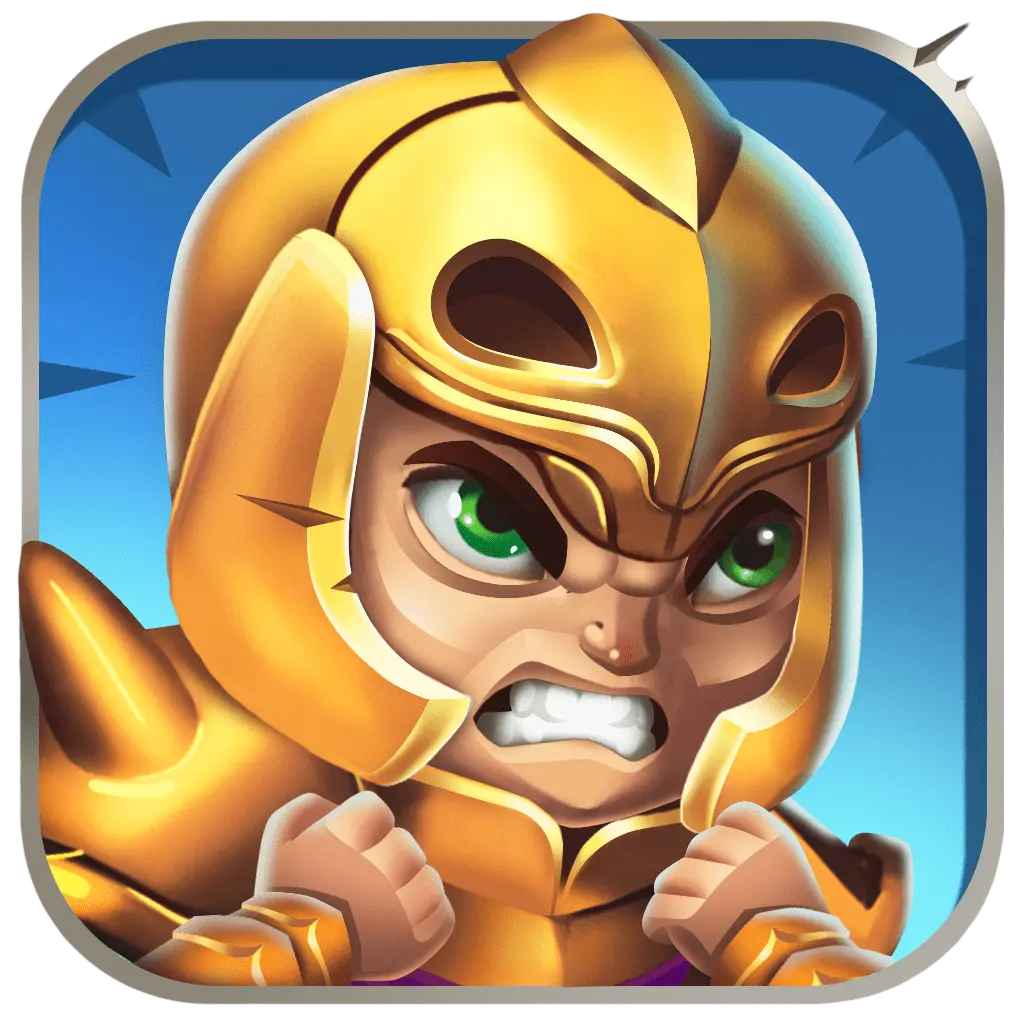
Knight - Stack Jump is a hyper-casual game shipped on both iOS and Android, built as Game-Ace's own foray into the hyper-casual market to test new mechanics, validate a fast build-and-ship production pipeline, and generate reference ideas the team reuses when scoping future client hyper-casual projects.
Planning your own cross-platform game release
If you are scoping a cross-platform game with your in-house team or fully outsourced, Game-Ace can assess engine choice, target platforms, and certification scope in a short discovery call.
When to talk to Game-Ace about cross-platform game development
Cross-platform game development pays off when a title has to reach players across mobile, desktop, and browser without three separate codebases. Game-Ace, a custom game development studio founded in 2005, has delivered 200+ games across Unity, Unreal Engine, HTML5, and browser targets, and can plan the multi-platform build pipeline before production starts. Engagement models cover full-cycle delivery, co-development with your in-house team, and dedicated developer extension under NDA and full IP transfer.
 How MetaHuman changes game character development
  Game development for startups: budget and MVP guide
  Engineering tower defense games from prototype to live service
  Idle game development: a full production guide
  Gamification in recruitment: what actually works