
Game development for startups almost never follows the roadmap a mature studio uses. Founders scope a proof of concept, stretch a lean budget across a small team, and need a first playable build that helps them raise money, not just entertain players. This guide breaks down realistic budgets, team models, and what investors expect to see.
How game development for startups differs from a mature studio
A funded studio ships sequels and live-ops updates to an existing audience. A startup is usually proving that an idea, a mechanic, or a business model works at all, on a budget measured in months of runway rather than a marketing line item. That changes the priorities: speed to a testable build matters more than polish, and every dollar has to double as evidence for the next funding conversation.
This is also why game development for startups leans so heavily on outsourcing and co-development rather than building a full internal team from day one. Founders keep a small core (design direction, product ownership) in-house and bring in production capacity only for the scope they need right now.
Scoping a POC or MVP and need a realistic budget before you pitch?
Typical startup patterns
Most founders approaching game development for startups fall into one of four recognisable profiles:
- Indie studio founders building a premium or free-to-play title for Steam or mobile, usually self-funded or angel-backed through the MVP stage.
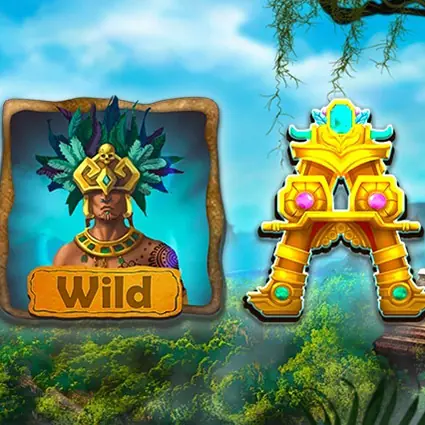
- Web3 and P2E teams pairing gameplay with token economics, where investors scrutinise both the fun factor and the tokenomics model.
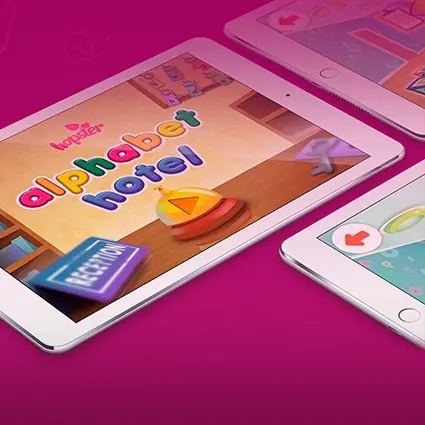
- EdTech founders using game mechanics to teach a skill, where the buyer is often a school, employer, or platform rather than a player.
- Health and serious-game teams building for clinical or behavioural outcomes, where an MVP needs to hold up to domain-expert review, not just playtesting.
The lean path: POC, MVP, soft launch
A proof of concept answers one question: does the core mechanic feel good? It is small on purpose, one level or one loop, built to be thrown away if the answer is no. An MVP builds on a validated POC with enough content, UI, and stability to test retention and monetisation with real players. A soft launch takes that MVP into a limited market to gather the numbers a pitch deck or a publisher conversation will need.
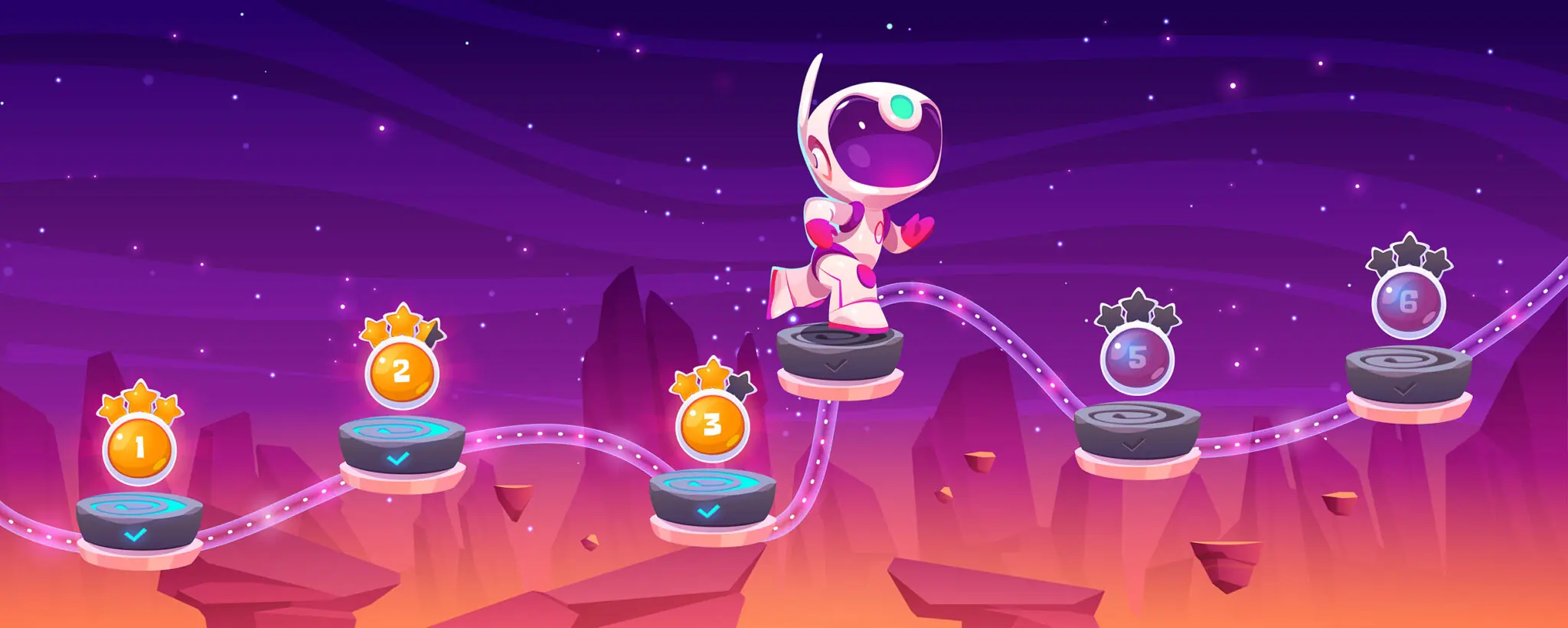
Skipping straight to a full build without this staging is the single most common way startups burn through their first funding round before they have anything to show for it.
Budget benchmarks by scope
Ranges below are directional, real quotes depend on platform, art style, and how much of the design is locked before development starts:
| Scope | Typical budget | Typical timeline |
|---|---|---|
| Proof of concept | €10,000 - €30,000 | 6-10 weeks |
| Casual mobile MVP | €40,000 - €120,000 | 3-5 months |
| Steam indie MVP | €80,000 - €250,000 | 5-9 months |
| Web3 MVP | €120,000 - €300,000 | 6-10 months |
| EdTech / serious game MVP | €70,000 - €200,000 | 5-8 months |
How Game-Ace approaches Web3 game development for startups
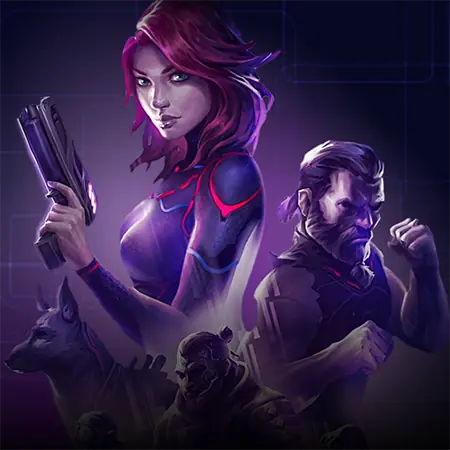
Welcome to Nomadland, a Web3 turn-based RPG by Game-Ace
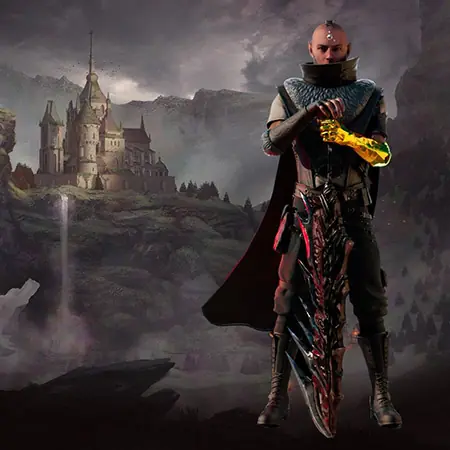
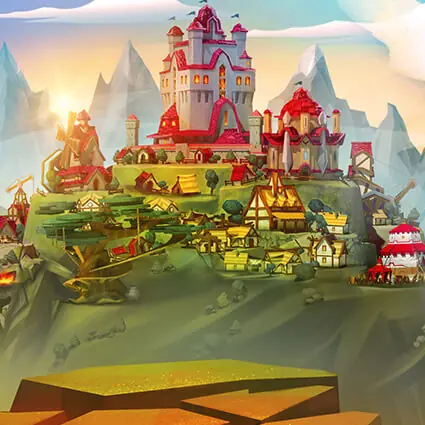
Nomadland is a turn-based strategy and action RPG built in Unreal Engine 4, where players move a squad of troops across hexagonal fields and weapons, creatures, and armor exist as tradeable NFTs across PvE and PvP modes, with the play-to-earn layer kept supplementary to the core loop.
Cofounder vs. contractor vs. outsourced studio partner
The team model you choose shapes both your burn rate and how fast you can course-correct after a failed playtest:
| Model | Cost profile | Control and speed | IP and repo |
|---|---|---|---|
| In-house team | Highest fixed cost, salaries plus overhead | Full control, slow to staff | Owned outright by default |
| Independent contractor | Lowest hourly rate, variable availability | Fast to start, hard to scale | Must be assigned explicitly in contract |
| Outsourced studio partner | Mid-range, predictable milestone pricing | Full-cycle capacity from day one | Assigned to founder as standard practice |
| Hybrid (cofounder + partner) | Blended, equity offsets some cash cost | Balanced, needs clear role split | Split by role, define upfront |
Game development for startups rarely stays with one model for the whole project. Many founders start with a contractor for the POC, then bring in a game development outsourcing partner once the concept is validated and the scope grows past what one or two freelancers can carry.
Equity, cash, and revenue-share tradeoffs
Offering equity instead of cash keeps runway intact, but it only works when the partner is genuinely invested in the product's long-term upside, not just paid in a currency that might be worthless. Revenue share works better for live-service or Web3 titles with a clear monetisation loop, since it ties payment to something measurable. A studio partner working under a full-cycle development agreement will usually price in cash, with equity or revenue share reserved for cofounder-level relationships, not vendor contracts.
Fundraise-ready deliverables checklist
Before a pitch meeting, most investors expect to see:
- A playable build, even a rough one, that demonstrates the core loop without narration
- Early retention or session-length data from a soft launch or closed playtest group
- A budget breakdown that maps remaining runway to a specific next milestone
- Clear IP and source-code ownership, with no ambiguity left in a contractor agreement
- A monetisation model with at least one validated assumption, not just a projection
Common risks that derail a first build
Three patterns show up again and again in early-stage game development for startups. Feature creep turns a two-month MVP into a six-month build with nothing shipped in between. Monetisation gets pushed to "after launch" and never gets tested against real players. And burn rate gets modeled against an optimistic timeline instead of the one the team is actually hitting, leaving no runway for the inevitable second pass at the core loop.
Boutique studio, outsourced team, or hire in-house?
Founders often ask whether to hire game developers directly or work with a partner studio. Hiring in-house makes sense once the product and funding are stable enough to justify fixed salaries; before that point, most teams get further, faster with a partner who already has a full production pipeline in place. For a deeper look at structuring that first hire or partnership, see how to find a game development team that fits your stage.
Whichever route you take, put the arrangement in writing early. A short reference on staffing models and where the risk sits in each one: staff augmentation, the smart way to scale game teams.
When to talk to Game-Ace about game development for startups
Talk to a production partner once you have a concept worth testing and a rough budget in mind, not after the first build has already gone over schedule. Game-Ace works with founders on scoped POCs, budget-fit MVPs, and full-cycle builds for teams that need production capacity without hiring a studio's worth of staff.
 How MetaHuman changes game character development
  Engineering tower defense games from prototype to live service
  Idle game development: a full production guide
  Gamification in recruitment: what actually works
  AI recruitment games: from real-time assessments to better hires