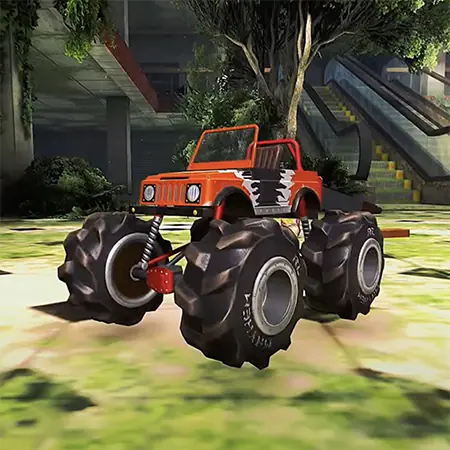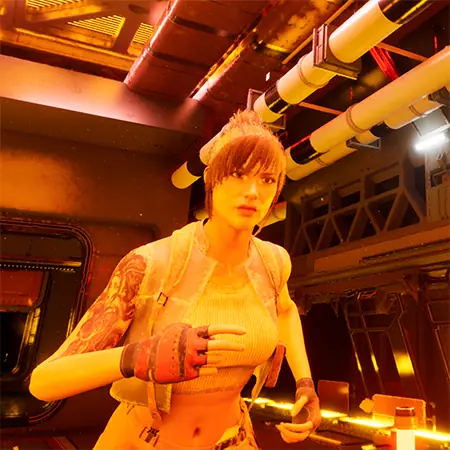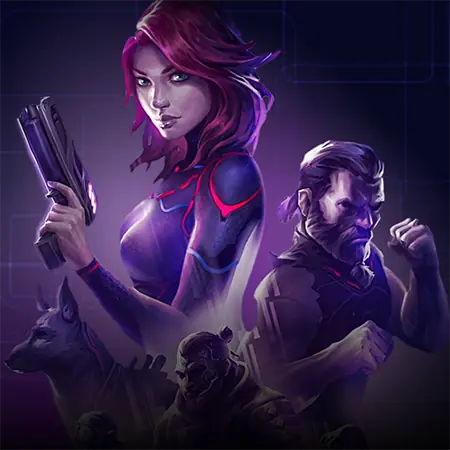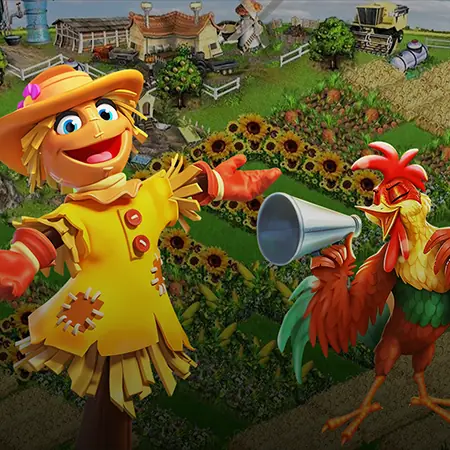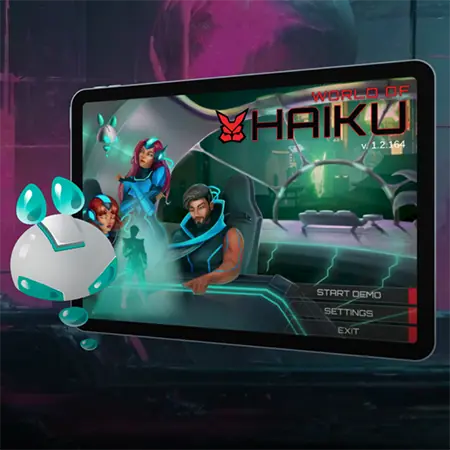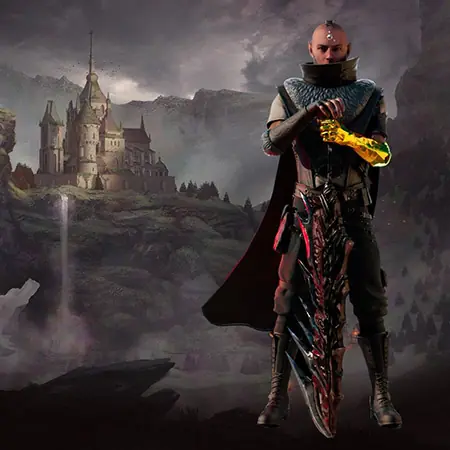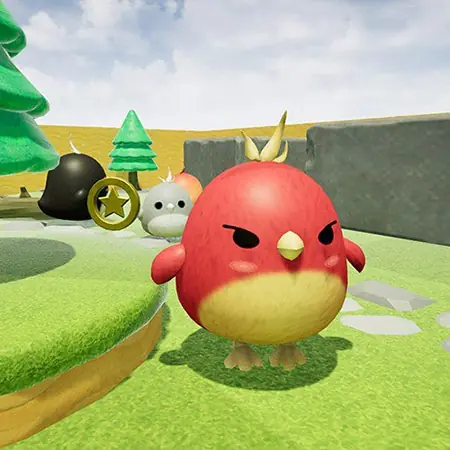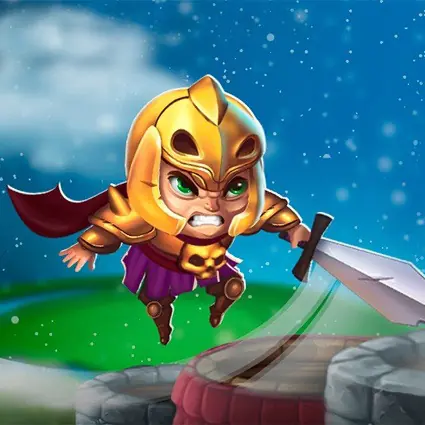
Game art outsourcing is the practice of contracting an external studio to produce game art assets instead of hiring the full pipeline in-house. Studios use it to scale art production for a specific title, cover a discipline they do not staff (rigging, VFX, environment art), or hit a milestone without expanding headcount. This guide covers when it works, the engagement models to pick, how to vet a partner, pricing benchmarks per discipline, and the pipeline checks that keep quality predictable.
If you are scoping game art outsourcing for a new title, a live game, or a milestone batch, talk to Game-Ace.
Why studios choose game art outsourcing
Most studios turn to game art outsourcing when the internal art team cannot cover the volume, the style range, or the discipline mix that a given title needs. A mobile studio that ships one title a year rarely has full-time riggers, VFX artists, and environment leads on payroll. A publisher preparing a launch window needs hundreds of props in weeks without moving people off other projects. In both cases, an external art studio absorbs the peak, keeps the pipeline moving, and lets the internal team focus on gameplay, direction, and live ops.
Disciplines you can outsource
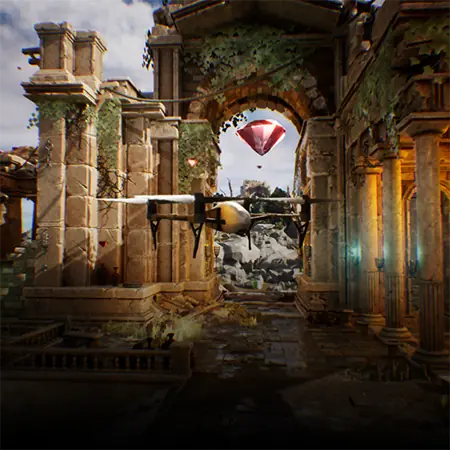
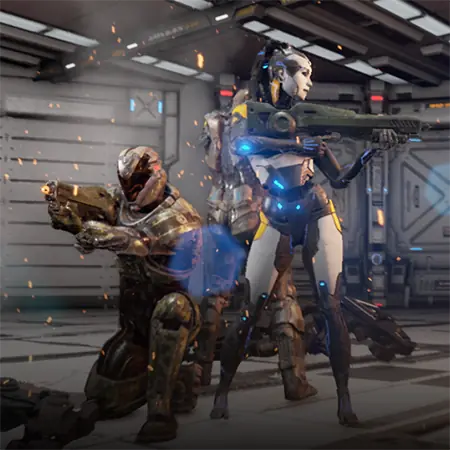
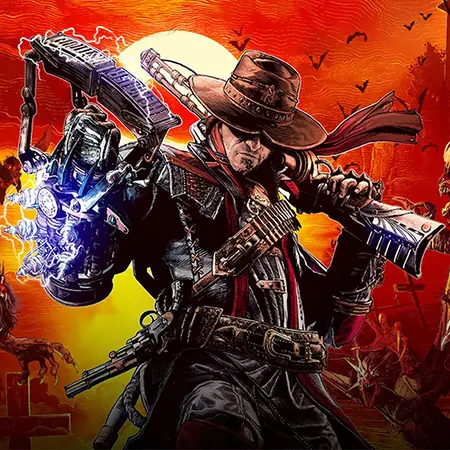
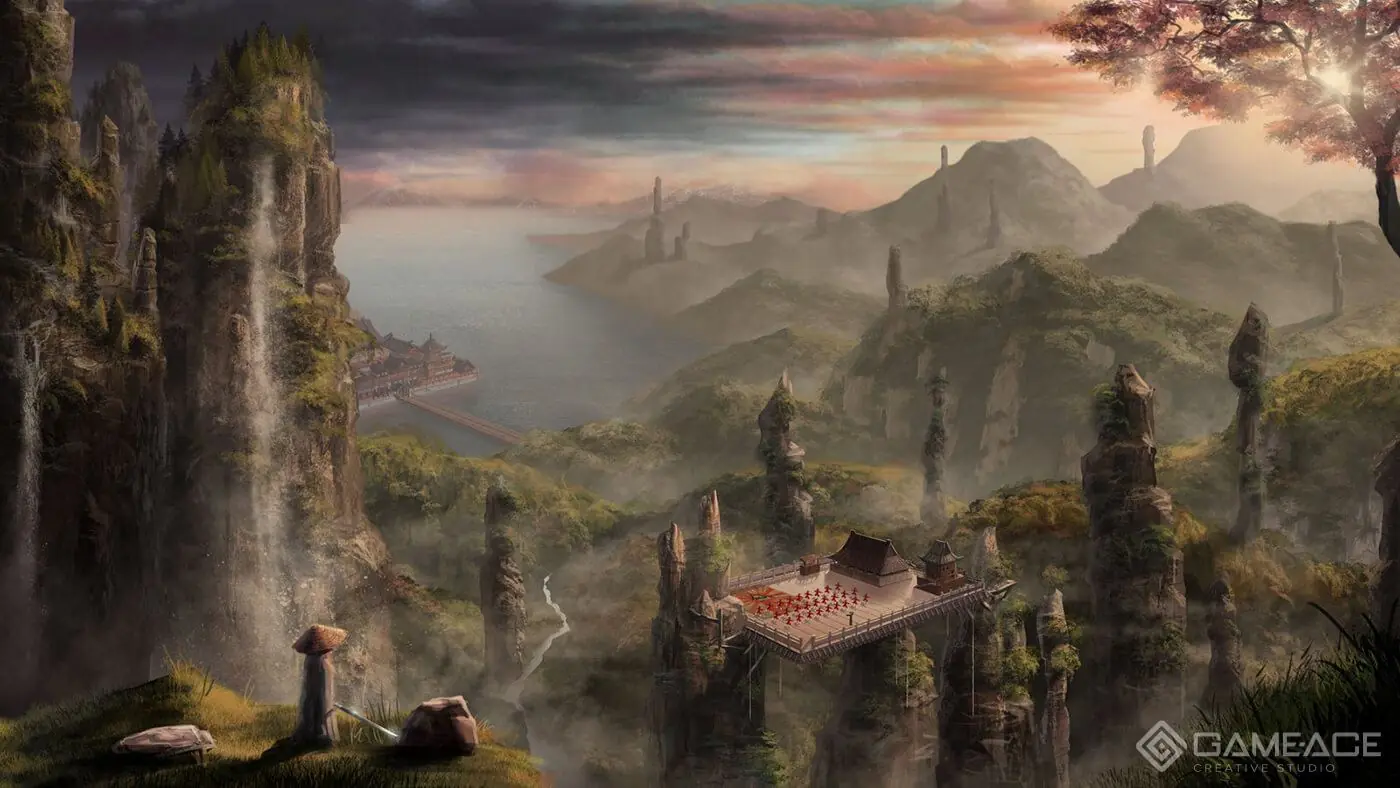
Game art outsourcing covers the full art stack, not only 3D models. In practice, an art partner handles concept art, 2D illustration, 3D character modeling, 3D environments, props, textures and materials, rigging, animation, VFX, and UI/UX art.
- Concept art: characters, environments, props, key art, style exploration.
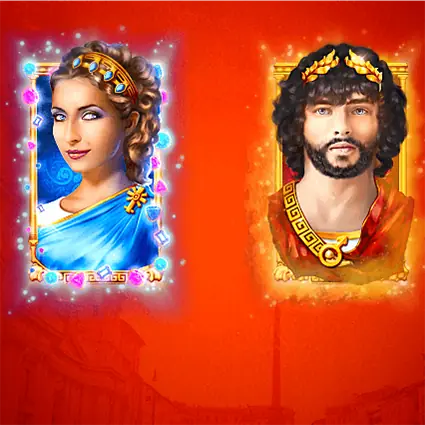
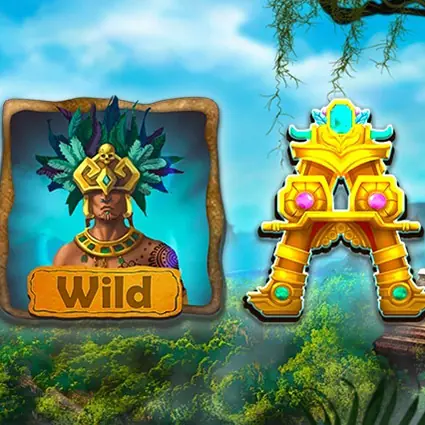
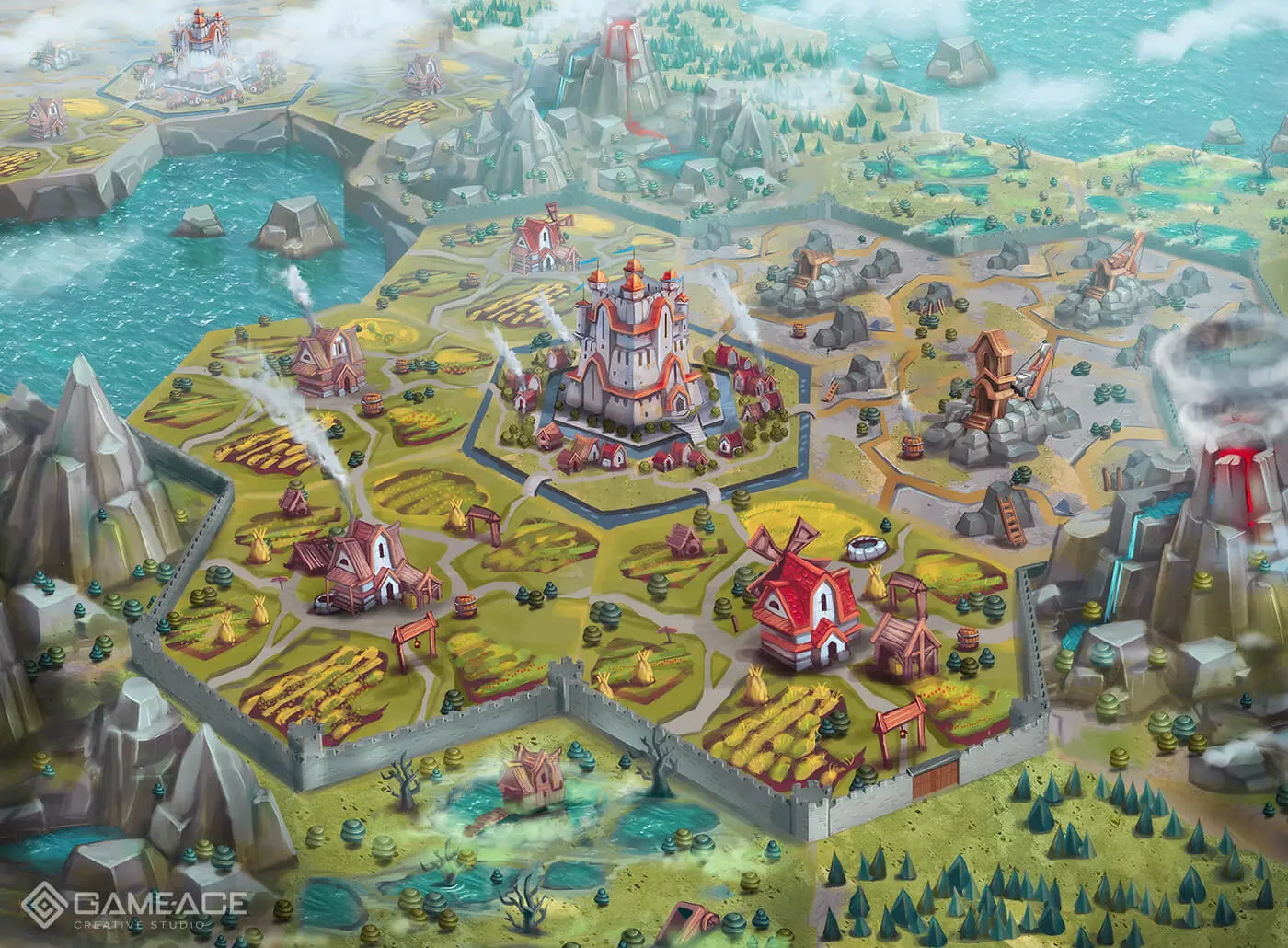
- 2D art: symbols, icons, splash screens, marketing assets, casino and slot art.
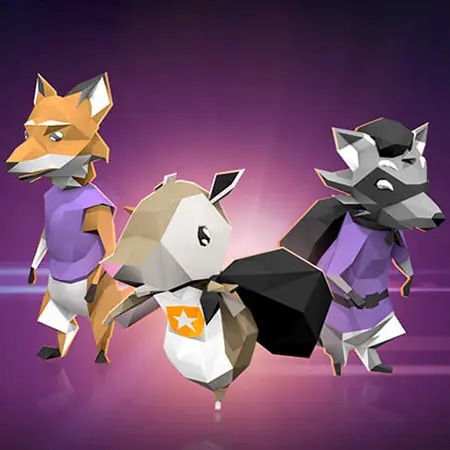
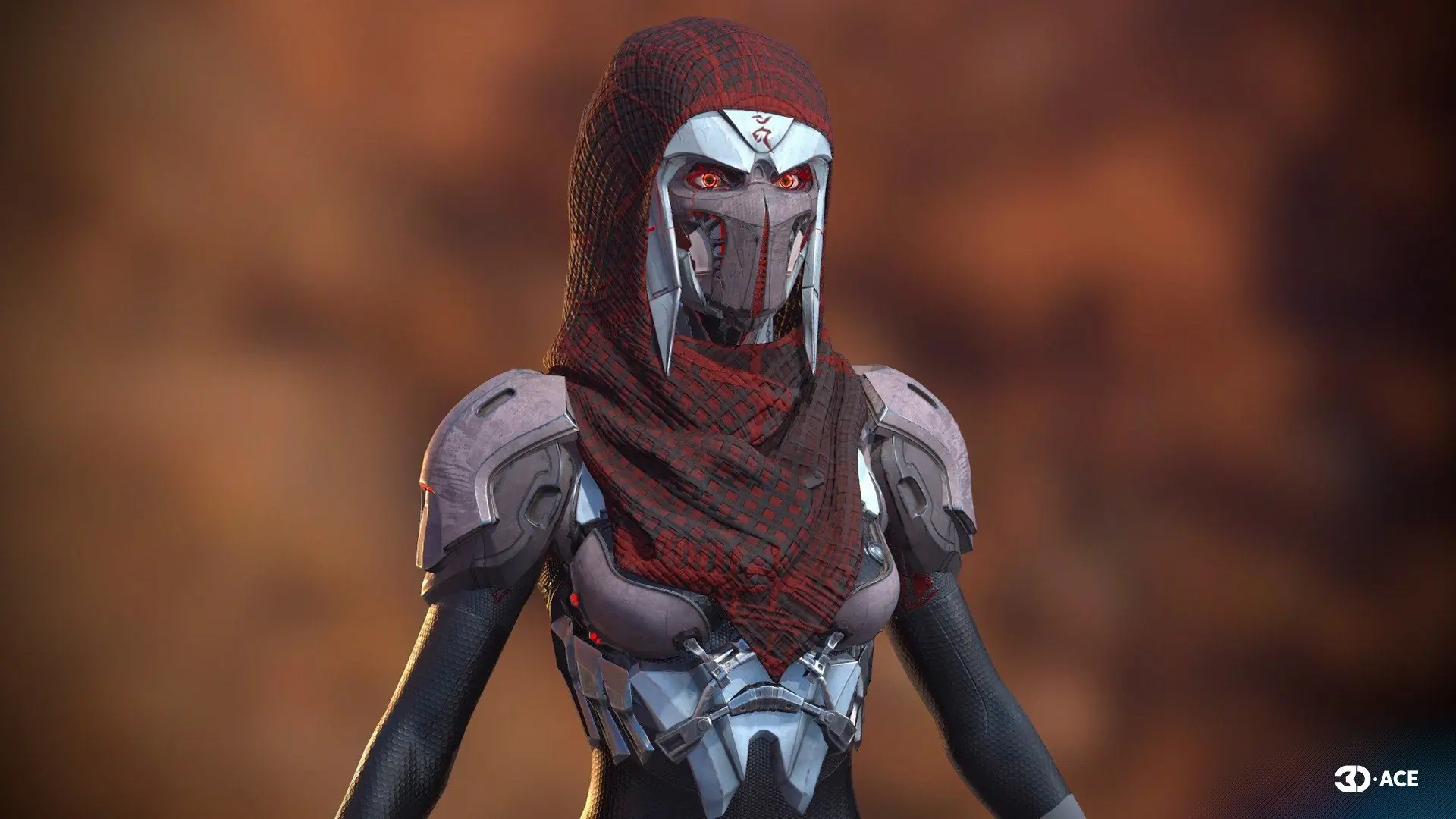
- 3D characters: base mesh, high-poly, retopology, UVs, PBR texturing.
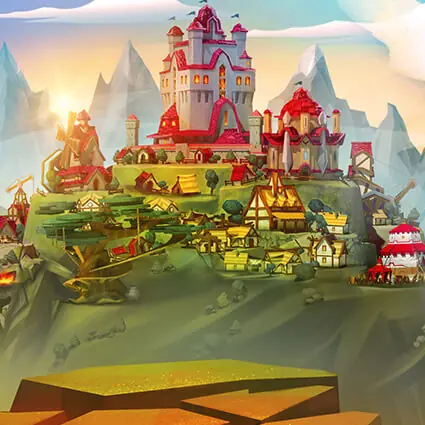
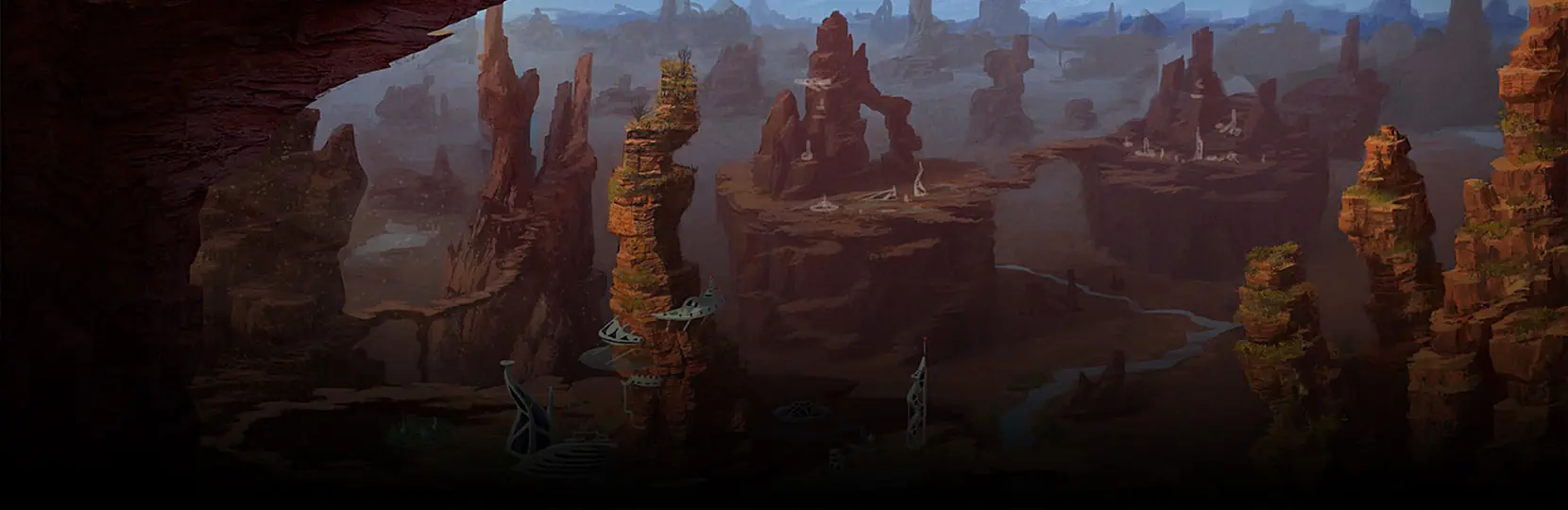
- 3D environments: modular kits, terrain, set dressing, lighting-ready scenes.
- Rigging, animation, and VFX: skeletons, skinning, gameplay animation, real-time particles.
For deep dives into individual disciplines, see the Game-Ace concept art guide, the breakdown of how game art is created, and the guide on hiring a concept artist.
How to vet an art outsourcing partner
Vetting is the single highest-leverage step in game art outsourcing. Portfolio quality is the entry ticket, but it does not tell you whether the studio can hit your style, respect your revision policy, or transfer clean source files at handover.
- Portfolio depth in your style: at least two shipped titles with matching visual target.
- Test task: a paid one-week test on a small, representative asset before scaling.
- Source-file transfer: PSD, ZTL, SPP, Maya, Blender files delivered on approval.
- IP practices: written NDA, full IP transfer clause, no reuse in other portfolios without consent.
- Reference tools: fluency in Substance Painter and Designer, ZBrush, Maya or Blender.
Engagement models for game art outsourcing
There is no single right way to buy game art outsourcing. The four common engagement models trade control against flexibility.
| Model | Client control | Cost predictability | Best fit |
| Per-asset | Low | High | Well-defined assets, mature style guide |
| Milestone | Medium | High | Fixed scope, phased delivery |
| Time & materials | High | Medium | Evolving scope, unclear style |
| Dedicated team | High | Medium | Long production runs, live ops, ongoing content |
Most Game-Ace art clients start on per-asset or milestone for a first batch, then move to a dedicated team once trust and style alignment are proven.
The pipeline: from brief to engine-ready asset
A predictable game art outsourcing pipeline runs through fixed approval gates. Skipping gates is the most common reason a batch gets rejected on delivery.
- Brief and references: art bible, mood boards, competitor teardown, engine constraints.
- Style guide sign-off: 1-3 hero assets produced first and locked as the visual target.
- Approval gate 1: direction sign-off before production scales.
- Approval gate 2: art director review after the full-detail pass, revision round.
- Tech pass and engine import test: retopo, UVs, LODs, PBR bake, checked in lighting.
- Handover: source files, engine-ready exports, tech sheet, changelog.
For studios that need the surrounding production wiring, Game-Ace pairs art delivery with full-cycle game development so the art batch lands inside an already-integrated build.
QA checks and IP, NDA, source-file transfer
An asset is not “done” when it looks correct in the DCC tool. It is done when it passes the engine-ready checklist: poly budget within target, LODs validated, no overlapping UV shells, silhouette readable at gameplay distance, PBR values authored per spec, and a clean engine import with correct scale and pivot.
For B2B game art outsourcing, IP terms are non-negotiable. The client should own the final assets, the working source files, and any derivative work created during the contract. A serious art partner signs an NDA before the first reference is shared, keeps work off public ArtStation profiles until release approval, and transfers full IP on delivery, including PSD layers, ZTL subtools, SPP paint layers, and Substance graphs.
Pricing benchmarks per discipline
Game art outsourcing prices vary by style, target platform, and revision policy, but the ranges below reflect what mid-market studios pay for production-quality work.
- Concept art (character or environment): €150-€800 per illustration.
- 2D symbol or icon pack (slot / casual): €4,000-€12,000 per set.
- Stylized 3D character (mobile, PBR, rigged): €1,500-€5,000.
- Realistic 3D character (PC target, rigged, LODs): €5,000-€15,000.
- 3D environment prop (hard-surface, PBR): €150-€600 per asset.
- Modular environment kit: €8,000-€25,000 per biome.
For volume runs, per-asset unit price drops 15-30% at a dedicated-team model.
Risks and how to mitigate them
Every game art outsourcing engagement carries the same repeatable risks. Naming them up front is how experienced producers keep the delivery on rails: style drift after gate 1, rework loops on ambiguous briefs, missed engine-ready checks, IP leakage without a strict NDA and private review boards, and timezone friction without an overlap window of at least three to four hours.
A game art outsourcing case from the Game-Ace portfolio
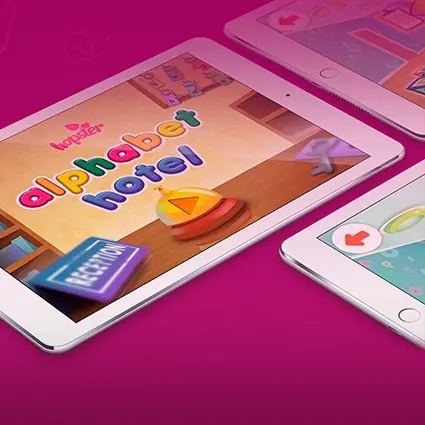
Welcome to Hopster’s Alphabet Hotel, a stylized 2D art project by Game-Ace
Hopster’s Alphabet Hotel is a preschool learning game with warm 2D illustration and animated characters, where every mini-activity was designed against a specific learning goal. Game-Ace delivered the character art, environment art, and animation under full-cycle production.
When to talk to Game-Ace about game art outsourcing
Game-Ace has produced game art since 2005 with 120+ in-house specialists across concept, 2D, 3D, rigging, animation, and VFX. If art production is the constraint on your roadmap, Game-Ace’s game art and design team can plug in on per-asset, milestone, or dedicated-team terms. See also 2D game art outsourcing and 3D modelers for hire.
 How to design learning games for kids
  Arcade game design: a production guide
  Game environment design for production-ready worlds
  Narrative game design: from concept to shipped story
  Procedural generation in games: what actually works in production