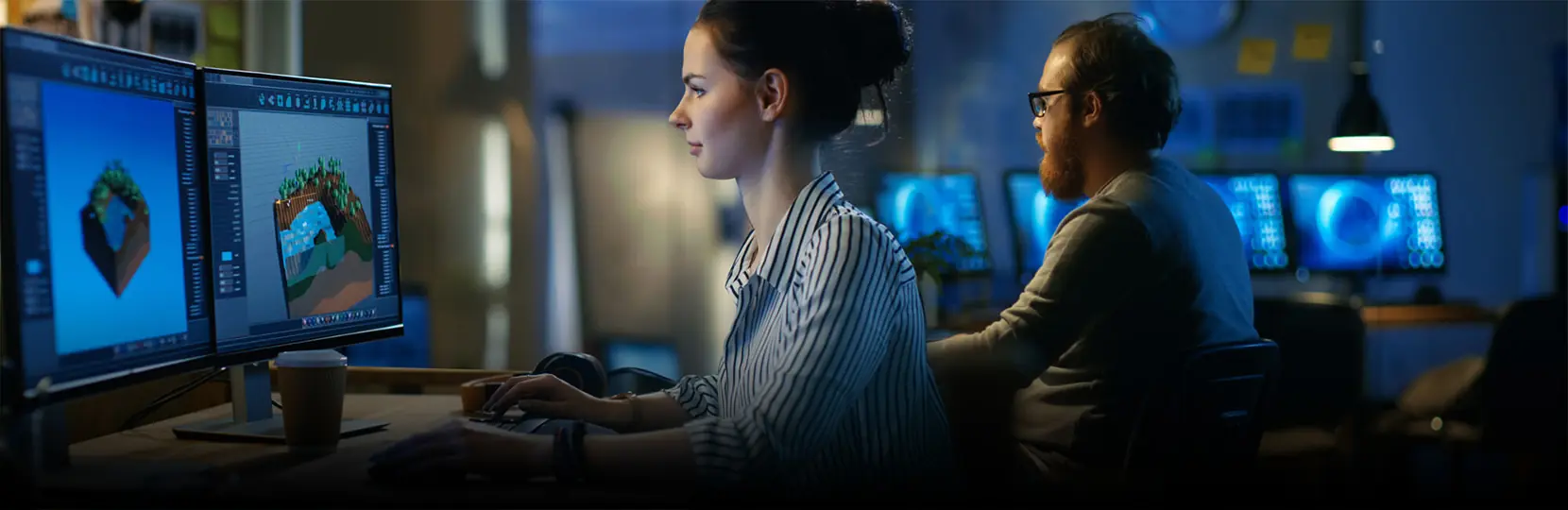

Game level design is the discipline of shaping playable space, pacing, and player decisions inside each level of a game. It sits between narrative, systems design, and environment art. A level designer plans layouts, scripts encounters, tunes difficulty, and validates every path with playtesting. Good game level design turns a working prototype into a game people finish and recommend.
If you are scoping level design for a new project, a content-pipeline overhaul, or co-development on level flow with your in-house team, talk to Game-Ace.
What game level design actually covers
Game level design is the layer where mechanics meet space. Designers translate systems (movement, combat, dialogue, puzzles) into concrete rooms, arenas, corridors, or open zones the player can navigate. That work includes greyboxing the layout, blocking sightlines, placing checkpoints, scripting triggers, tuning encounter density, and locking pacing beats so the level reads the way the designer intends. In modern production, level design also owns readability: making the next objective visible without a floating marker, hiding tutorial moments inside geometry, and using light, sound, and silhouette to lead the eye. On multiplayer maps, level design also controls sightlines, cover ratios, spawn logic, and route parity across teams.
Some teams split the role. “Level design” owns whiteboxing, encounter scripting, and playtest iteration. “Environment design” owns final props, materials, lighting, and mood. Smaller studios combine both into one role. On a co-development contract, the split is usually written into the statement of work so ownership is unambiguous. A typical production cycle for a single level runs whitebox review, first playable, art pass, VFX and audio pass, then two or three polish loops driven by playtest notes. Each pass has a named owner, so the level does not stall between disciplines.
Scoping level design for a new build or a content-pipeline overhaul?
Level types and design approaches
There is no single correct level structure. The right shape depends on genre, session length, platform, and how much content the team can afford to build. Six approaches cover most modern games.
| Approach | Pacing control | Replay value | Best fit |
|---|---|---|---|
| Linear | Very high | Low | Story-driven single-player, cinematic games |
| Hub-and-spoke | High | Medium | Metroidvanias, RPGs with returning zones |
| Open-world | Low | High | Sandbox, exploration, long-session titles |
| Procedural | Medium (via rules) | Very high | Roguelikes, mobile runners, dungeon crawlers |
| Roguelike-run | Medium | Very high | Short-session, high-death games |
| Narrative-branch | High | Medium-high | Choice-driven RPGs, visual novels, adventure |
Portal is a clean linear example. Hollow Knight leans hub-and-spoke. Hades runs on procedural room selection with hand-crafted rooms. Baba Is You is technically linear but structured as a puzzle graph. Understanding which category a project belongs to sets the correct pipeline for game prototyping and content budget.
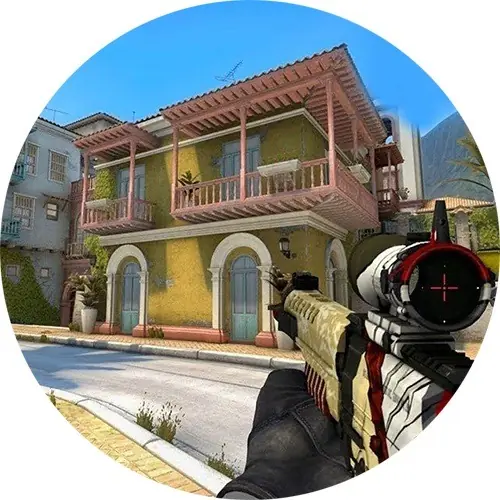
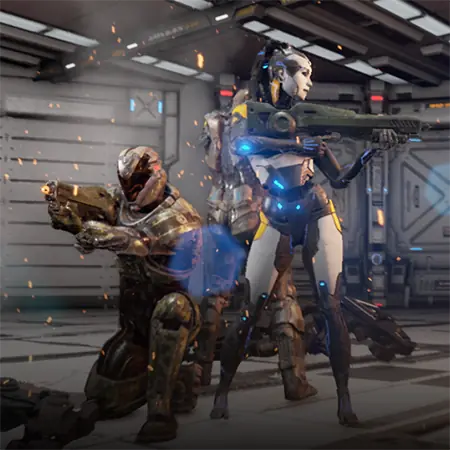
Shooter level design
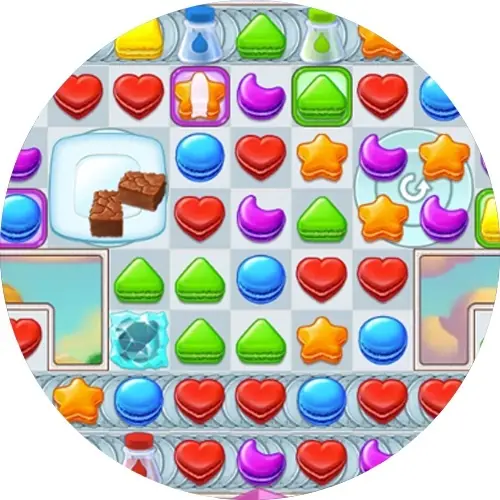
Puzzle level design
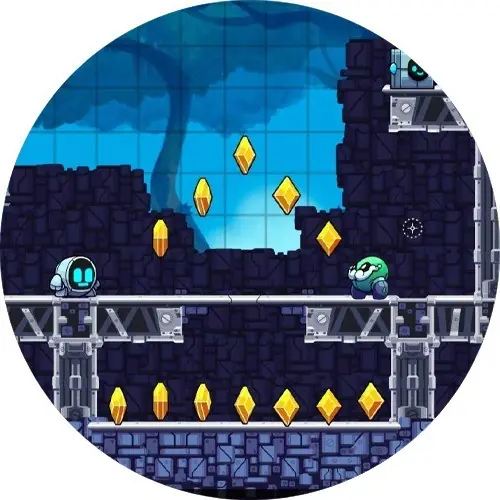
Platformer level design
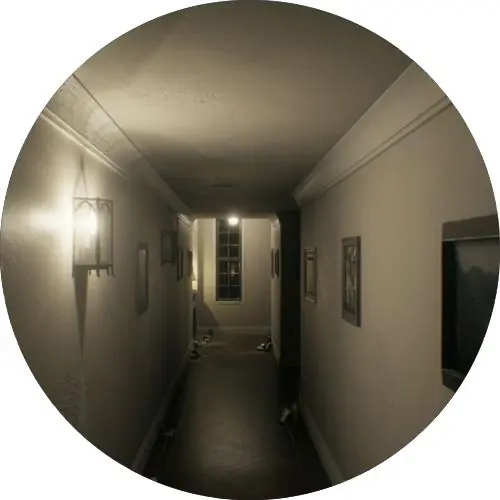
Horror level design
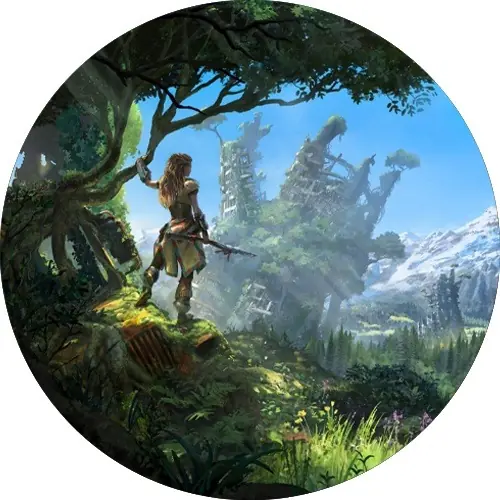
Open World level design
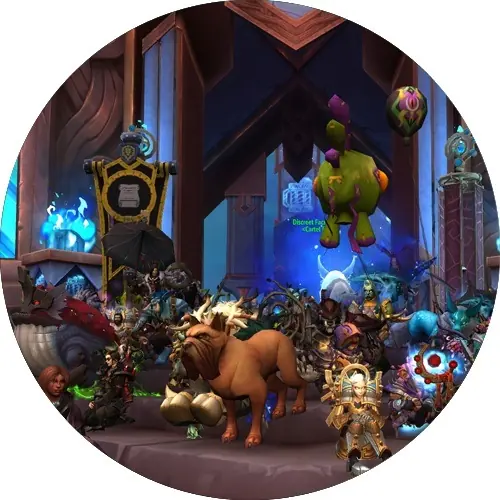
Multiplayer level design
Tools most studios use for game level design
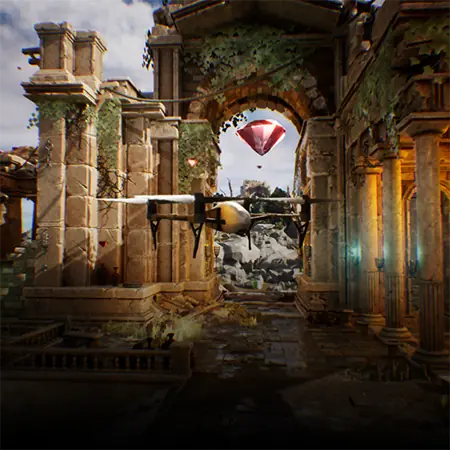
Tool choice follows engine choice. In Unreal Engine, level designers work in the Level Editor, block out with Modeling Mode, use Blueprints for logic, and organize large worlds with World Partition. Epic’s own guide is a fair baseline for any team new to the workflow, see the Unreal Engine level designer quick start.
In Unity, teams use ProBuilder for greyboxing, Polybrush for terrain detailing, the Terrain system for open zones, ShaderGraph and VFX Graph for feedback effects, Timeline for scripted moments, and Addressables for streaming large levels. External DCC pipelines usually add Blender or 3ds Max for modular kits, Houdini for procedural pieces, and Substance for materials. For puzzle games, designers often build in a spreadsheet first, then port validated puzzles into the engine. Game-Ace level teams have shipped in both Unity game development and Unreal Engine game development pipelines, plugging into whichever tool stack the client already uses.
The tool matters less than the review cadence. A weekly playtest with the whole team beats any editor feature.
Pacing, readability, and the playtest loop
Level design is measured in playtests, not in screenshots. A level that reads well in the editor can still confuse a new player in the first thirty seconds. The Nielsen Norman Group has decades of research on how attention, wayfinding, and cognitive load work in interactive interfaces, see the Nielsen Norman Group usability research. Level designers borrow that vocabulary constantly.
Flow cues that work
- Place a landmark visible from the spawn.
- Use lighting to draw the eye toward the next objective.
- Reserve one colour or shape language for interactable objects.
- Keep dead ends short so the player recovers quickly.
- Alternate high-tension encounters with recovery beats, and let the player breathe before a boss.
Superliminal and Portal both use empty rooms as pacing tools. Celeste uses a single mechanic per screen and layers difficulty across the chapter. Hades resets tension every run through the hub. Every one of those decisions was validated by playtest data, not by intuition alone. Game-Ace level teams run structured playtests at whitebox, first-playable, and polish milestones so notes land while they are still cheap to act on.
Game-Ace game level design in production
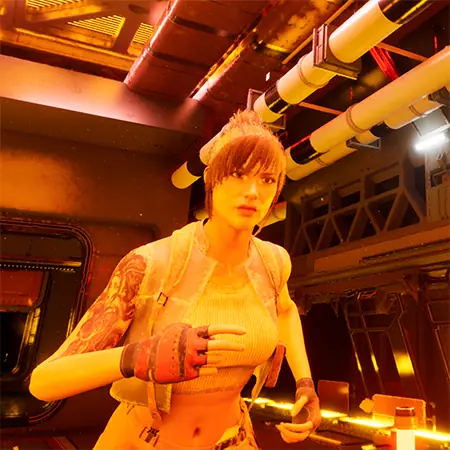
This recent Game-Ace project shows how the same discipline plays out on a horror-driven vertical level.
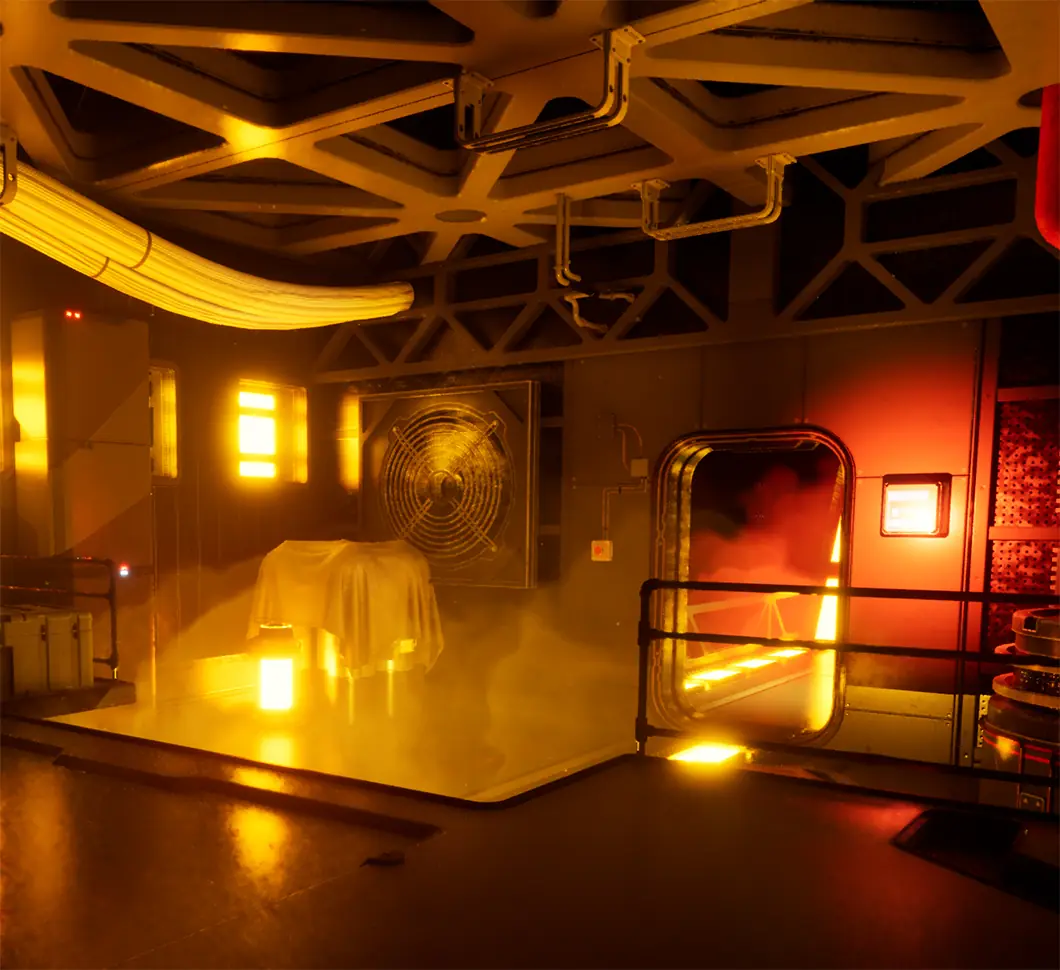
Welcome to Skyscraper, an Unreal Engine horror level design by Game-Ace
Skyscraper is a third-person horror shooter where pacing and sightline control carry most of the tension. Game-Ace handled level design and environment work in UE, tuning corridor lengths and encounter triggers against playtest feedback for a claustrophobic climb through the tower.
Cost signals and engagement models
Rates for level design vary from around €40 per hour for a mid-market outsourced designer to €90+ for senior specialists on premium engines. Small mobile levels can cost a few thousand euros end to end; a large open-world biome can run into six figures once art, audio, and QA are factored in.
For most B2B clients, three engagement models cover the range: team extension for adding one or two designers to an in-house team, co-development for owning a defined slice of the game, and full-cycle game development when Game-Ace runs the level pipeline end to end alongside game art and design. The right model depends on how much of the level pipeline already exists on the client side and how much risk the client wants to keep in-house.
Related reading on game environments
These resources cover world dressing, modular environment kits, and asset production:
- Game environment design, a guide to world dressing.
- Game environment modeling, modular kits and asset production.
When to talk to Game-Ace about game level design
Game-Ace has run game level design work across horror, MMO, and mobile projects, with 120+ in-house specialists and 200+ delivered titles. If level design is on your roadmap, Game-Ace‘s custom game development studio can plug into your pipeline as a team extension, own a level slice through co-development, or take the whole production cycle. The engagement shape follows the project, not the other way around.
 How to design learning games for kids
  Arcade game design: a production guide
  Game environment design for production-ready worlds
  Narrative game design: from concept to shipped story
  Game UX: a practical guide for studios and product teams