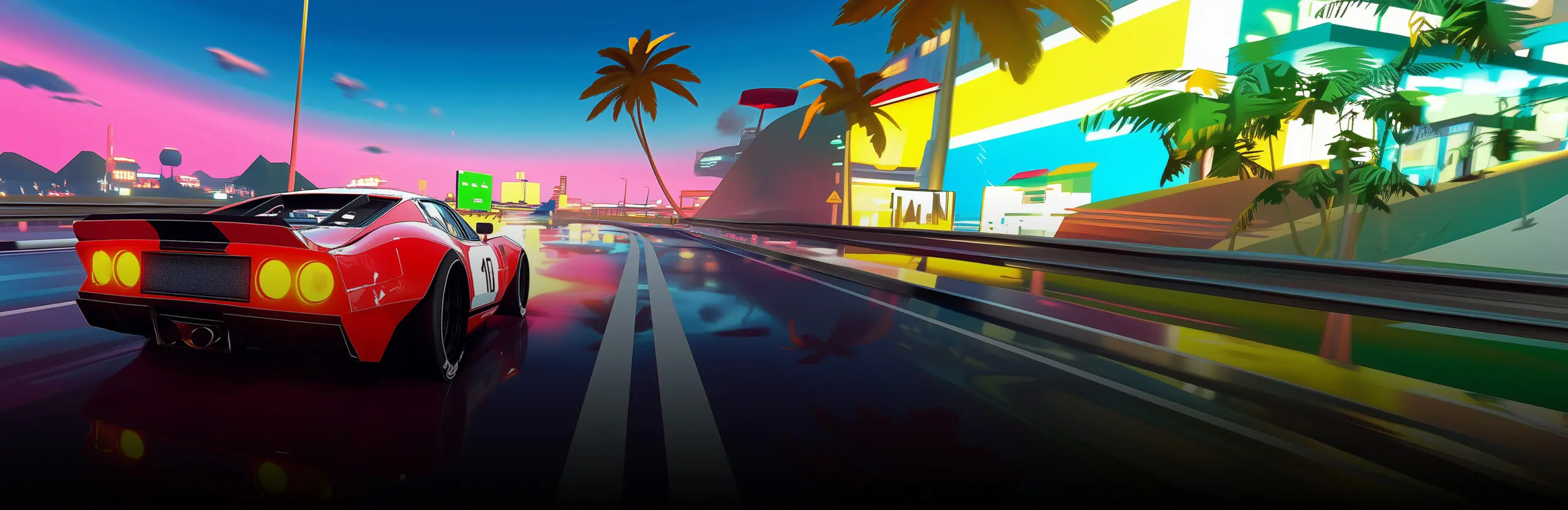

Successful racing games win on three axes: vehicle handling that feels honest under the target input (touch, gamepad, wheel), session pacing matched to the audience, and a monetisation loop that respects the driver. Everything else, visuals, tracks, liveries, supports those three. Get the feel wrong and no amount of art rescues the project.
If you are scoping a custom racing game or co-development on vehicle physics, talk to Game-Ace.
The racing games market splits into six practical sub-genres
Before scoping a build, agree on which sub-genre the project actually belongs to. "Racing games" is a container word. A drift title, a hardcore sim, and a kart party game share almost nothing at the code level: physics tick rates, network model, session length, and monetisation loop all diverge. Treating them as one category is where most first-time racing projects lose six months.
The audience for each sub-genre is different too. Arcade-mobile buyers churn in 90 seconds if the first race feels sluggish. Sim buyers will accept a 20-minute onboarding if the tyre model rewards them. Kart racers live on couch multiplayer and IP tie-ins. Open-world driving games sell on the map, not the cars.
| Sub-genre | Primary audience | Physics complexity | Session length | Monetisation |
| Arcade | Casual mobile, ages 8-30 | Low (canned handling, minimal tyre model) | 60-180 sec | F2P + ads + cosmetics |
| Simulation | Enthusiasts, sim rig owners | High (Pacejka tyres, suspension, aero) | 10-45 min | Premium + DLC packs |
| Kart | Family, party, couch co-op | Low-medium (predictable, power-ups) | 3-6 min | Premium or F2P with IP tie-ins |
| Drift | Niche enthusiast, esports curious | Medium-high (angle, slip, scoring) | 2-5 min per run | Premium or hybrid live-service |
| Open-world | Console + PC mainstream | Medium (arcade-sim blend) | 10-40 min sessions | Premium + season pass |
| Hybrid arcade-sim | Broad, cross-platform | Medium (assists toggleable) | 5-15 min | Premium or F2P season model |
Simulation racers belong in a category of their own for engineering depth, see simulation game development for the production notes specific to that sub-genre.
Audience shapes every technical decision in racing games
Age, platform, and session context are more useful segmentation than "casual vs hardcore". A 12-year-old on a phone during a commute needs a 45-second race, one-thumb controls, and immediate visual reward. A 34-year-old with a wheel rig wants tyre wear per lap and telemetry export. Younger mobile audiences respond to power-ups, unlock cadence every 2-3 races, and colour-saturated environments. Older PC and console players tolerate a slower start if the handling model is honest under load.
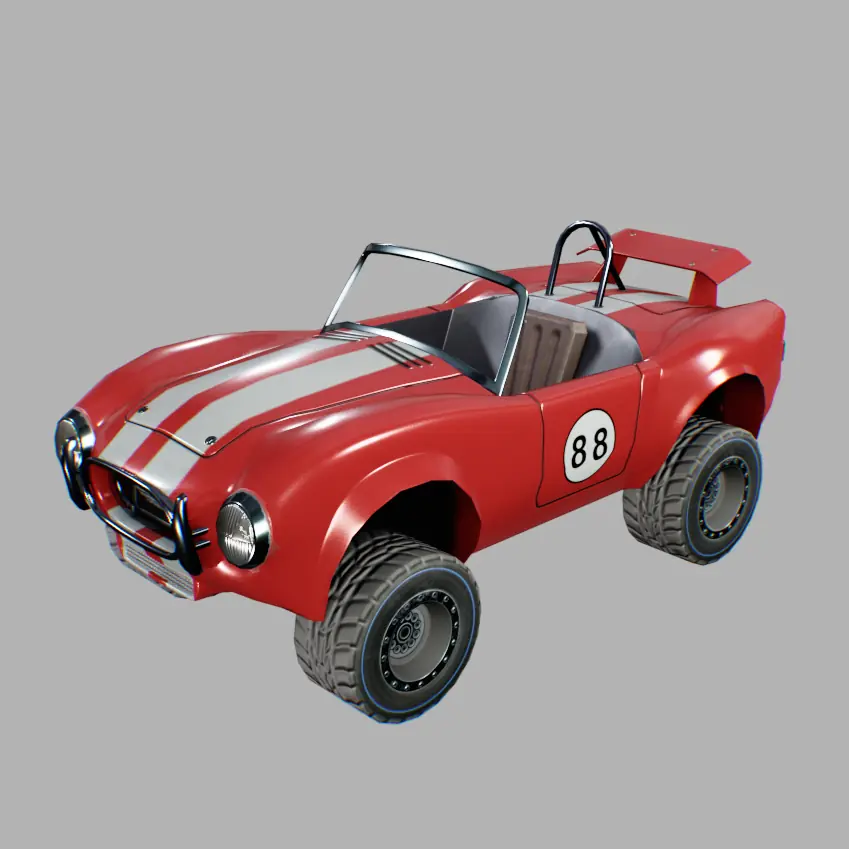
Get this wrong once and the metrics show it fast: D1 retention drops below 25% on mobile arcade titles when the first race takes longer than 90 seconds to start.
Core mechanics that make racing games worth replaying
Handling is the product. Every racing project should prototype the base handling in the first two sprints, before art, before tracks, before UI. If a placeholder cube on a flat plane already "feels right" to the target audience, the rest of the project is craft. If it does not, six more months of polish will not save it.
- Track variety: 8-12 handmade layouts beat 40 procedurally generated ones for retention.
- Vehicle progression: unlocks tied to skill milestones, not just currency grind.
- AI rubber-banding calibrated per sub-genre: heavy for arcade, off for sim, moderate for kart.
- Ghost data and replay export: cheap to build, high perceived value for enthusiasts.
Reference indie titles that got the core loop right without a massive budget: Art of Rally (stylised sim), Circuit Superstars (top-down arcade-sim), Wreckfest (destruction sim), Trailmakers (build-and-drive sandbox), Beach Buggy Racing 2 (mobile kart).
Which engines handle vehicle physics for racing games today
Unity and Unreal are the two production-ready choices for custom racing games. Both ship dedicated vehicle physics stacks maintained by their engine teams, both have battle-tested mobile and console pipelines. The choice usually comes down to team skillset and target platform. Unity game development dominates mobile-first arcade racing and cross-platform hybrid titles. Unreal game development is the safer pick for open-world console projects and simulation titles that need high-fidelity rendering. Godot is emerging for smaller projects but its vehicle physics tooling is not yet at parity for a commercial racing build.
Unity's DOTS-based Physics package is the current path for deterministic, high-performance vehicle simulation, replacing the older PhysX-based wheel colliders for projects that need multiplayer determinism or heavy AI opponent counts. Unreal's Chaos Vehicles subsystem is the current UE5 vehicle stack, replacing the deprecated PhysX Vehicle plugin, and supports tyre friction curves, suspension, aero, and drivetrain configuration through data assets. For deeper engine trade-offs on rendering and tooling, see the game engine comparison guide.
Environments and visual budget
Track art is where budgets quietly balloon. A single detailed open-world map can consume more asset production than 15 closed-loop tracks combined. Scope this early. For mobile racing games, 8-10 handcrafted 45-second tracks in one visual biome ship faster and monetise better than a sprawling open world. For console and PC, decide upfront whether the game sells on the map (open-world) or on the vehicles (circuit), the answer changes the entire art pipeline.
Monetisation models that actually work for racing games
Match the model to the sub-genre, not to the trend cycle. Free-to-play with cosmetic-only purchases is the default for mobile arcade racing and works when unlock cadence is generous. Premium + DLC packs is still the correct pattern for hardcore sims, the audience expects it and rejects gacha. Battle passes work for hybrid live-service titles but require a content team to sustain them past month three.
- Pay-to-win vehicle stats in a competitive title: kills leaderboards, kills community, kills the game.
- Fuel or energy timers on session length: acceptable in casual mobile racing games, hostile in anything else.
- Overpriced cosmetic bundles at launch: resets community trust before the first meta forms.
For broader cost planning, the video game development cost breakdown covers realistic ranges by scope.
The biggest technical risks in racing game production
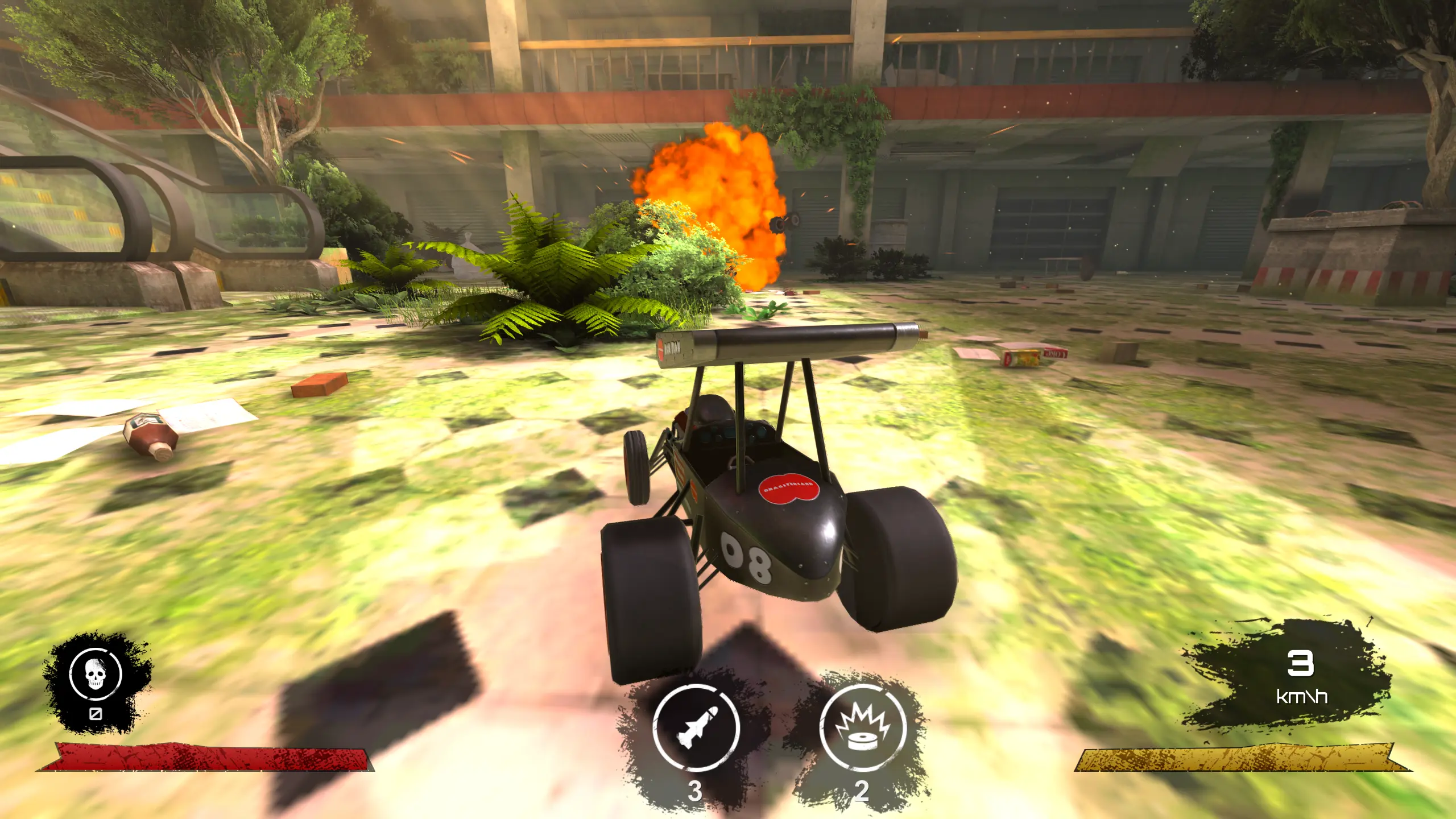
Determinism in multiplayer racing games is the risk most teams underestimate. If two clients simulate the same input and get different positions after 30 seconds, rewind and rollback net-code cannot save the session. Frame pacing on mobile is the second risk: a racing game at inconsistent 45-58 fps feels worse than a consistent 30 fps title, lock the target early and optimise around it. AI opponents that scale in count are the third, twelve smart AI drivers with pathfinding, spatial awareness, and rubber-banding logic will cost more CPU budget than the physics. Audio pipelines get cut too late: engine notes, tyre squeal, and surface transitions carry more of the "feel" than the physics itself.
A racing game case from the Game-Ace portfolio
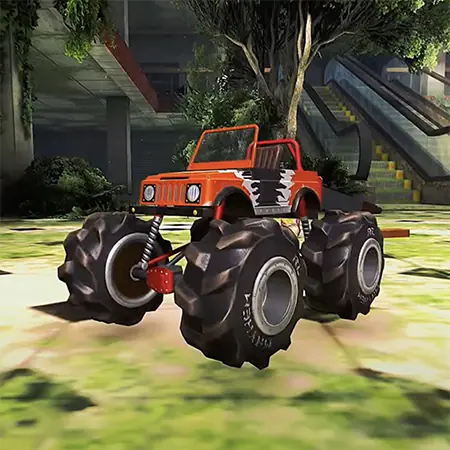
Welcome to RC Mayhem, a Unity arcade racing prototype by Game-Ace

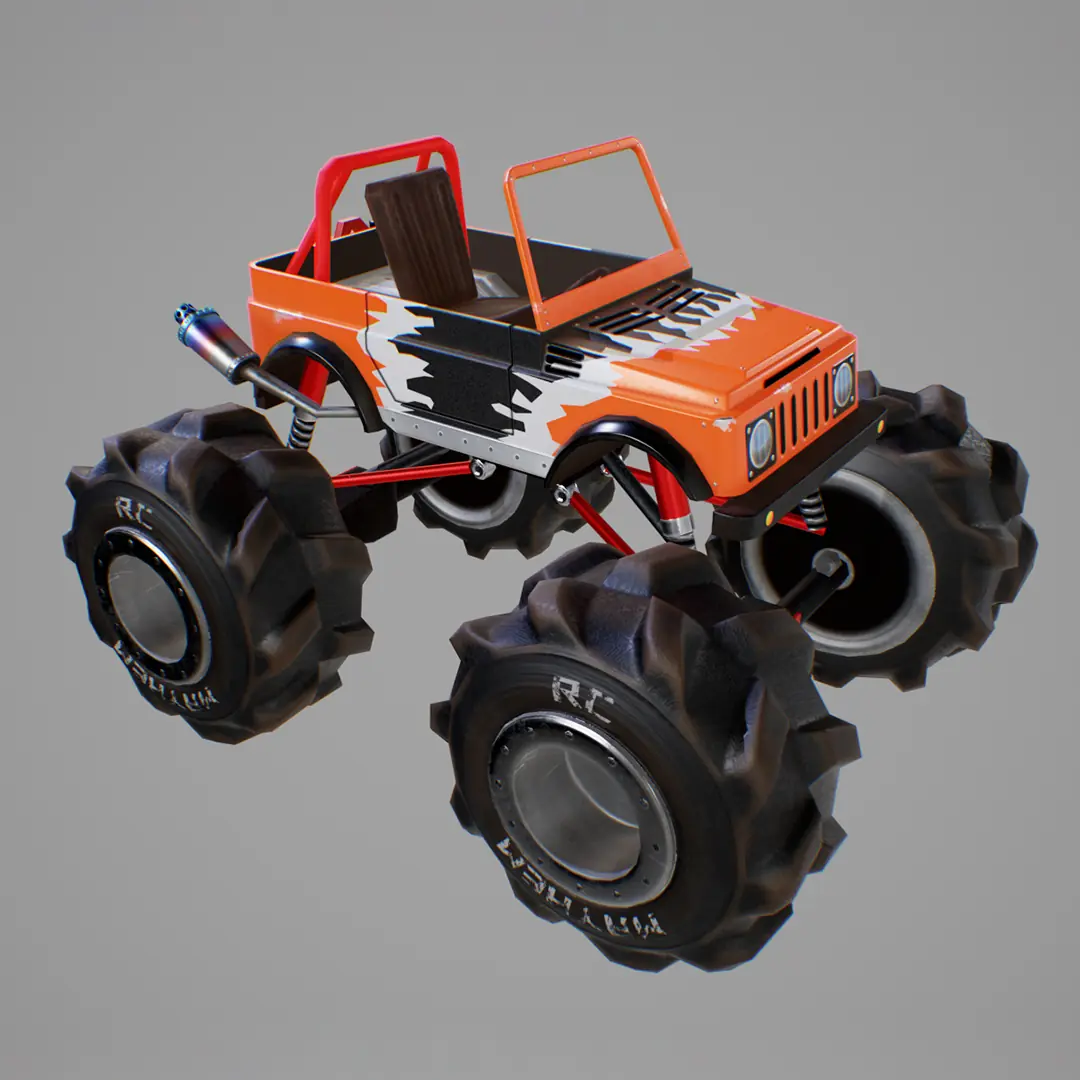
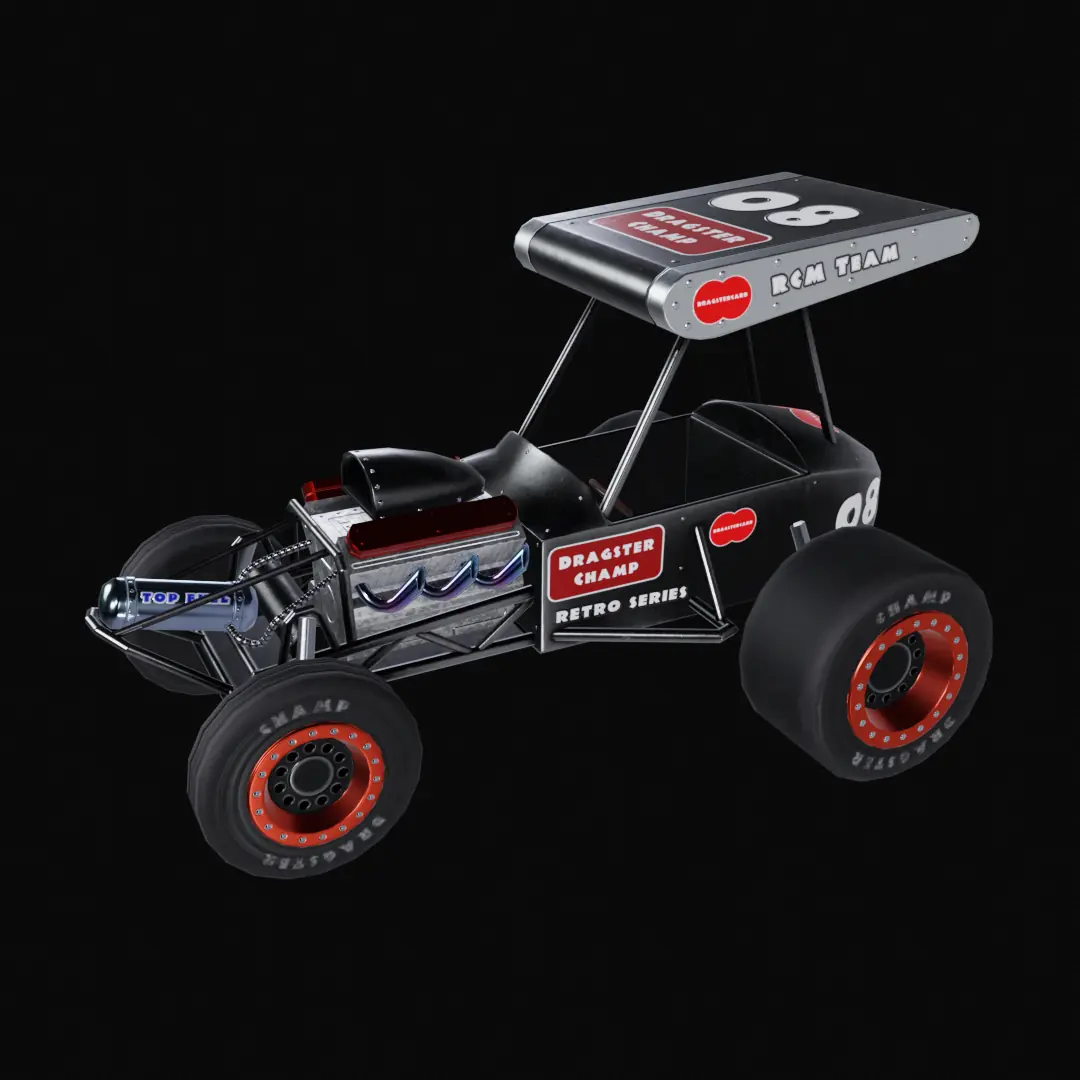
RC Mayhem is a Unity-based arcade racing prototype built in a month, where players pilot RC cars with unique abilities through an abandoned mall, racing against time with speed-boost pickups and a precision-based scoring system, validating the core racing loop before further investment.
Scoping a custom racing game with Game-Ace
If you are scoping a custom racing game, an arcade-driving mobile title, or co-development on vehicle physics with your in-house team, talk to Game-Ace.
When to talk to Game-Ace about racing games
If a racing project is on the roadmap, whether prototype, full production, or co-development on vehicle physics, Game-Ace's custom game development studio covers Unity and Unreal builds, mobile and console targets, and multiplayer net-code from a 120+ specialist team based in Cyprus since 2005. Related service: full-cycle game development.
 How MetaHuman changes game character development
  Game development for startups: budget and MVP guide
 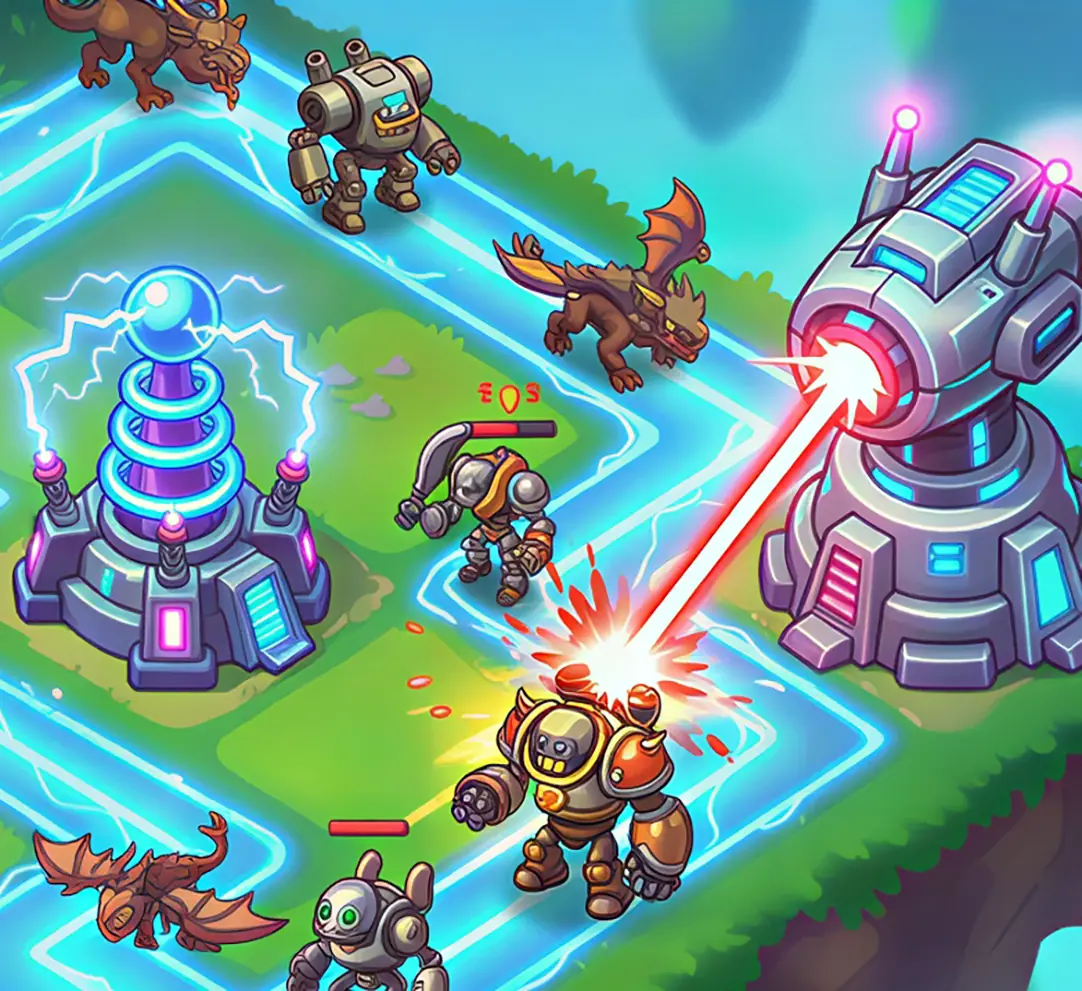 Engineering tower defense games from prototype to live service
  Idle game development: a full production guide
  Gamification in recruitment: what actually works