
Social casino games are free-to-play casino-style titles where players spin slots, play poker, or run bingo cards with virtual currency instead of real money. There is no cashout: coins bought through in-app purchases stay inside the app, which places social casino games outside most gambling regulation and inside standard app-store rules. Revenue comes from coin packs, subscriptions, VIP loyalty tiers, and rewarded ads, with a small share of "whales" driving most bookings.
Game-Ace builds social casino products across slots, poker, bingo, and light table games as full-cycle or co-development engagements. Real-money regulated casino operations are outside our current delivery scope; the focus is F2P social casino, sweepstakes-adjacent formats where legally allowed, and companion social apps for licensed operators.
What social casino games are and how they differ from real-money gambling
A social casino game looks like a real casino product on the surface: reels, cards, chips, tournaments. The mechanic underneath is different. Players buy virtual currency (coins, gold, chips) for entertainment; they cannot convert winnings back to cash. Prizes are more coins, cosmetic items, VIP status, and social recognition. Because there is no wager and no payout in real money, social casino games are usually classified as games of skill or entertainment apps rather than gambling products in most jurisdictions.
Real-money gambling is a different business. It requires an operator license (MGA, UKGC, GBGA, state-level US licenses), certified RNG through GLI or iTech Labs, KYC and anti-money-laundering flows, and a regulated payment stack. Social casino games skip that entire compliance layer, but they still fall under app-store policy, consumer-protection rules, and, in a few US states, sweepstakes law. The IMGL publishes ongoing analysis on where the line between social gaming and regulated gambling sits per market. See the IMGL library for jurisdiction updates.
Scoping a new social slots catalog, a poker room, or a bingo LiveOps expansion?
Core genres inside social casino games
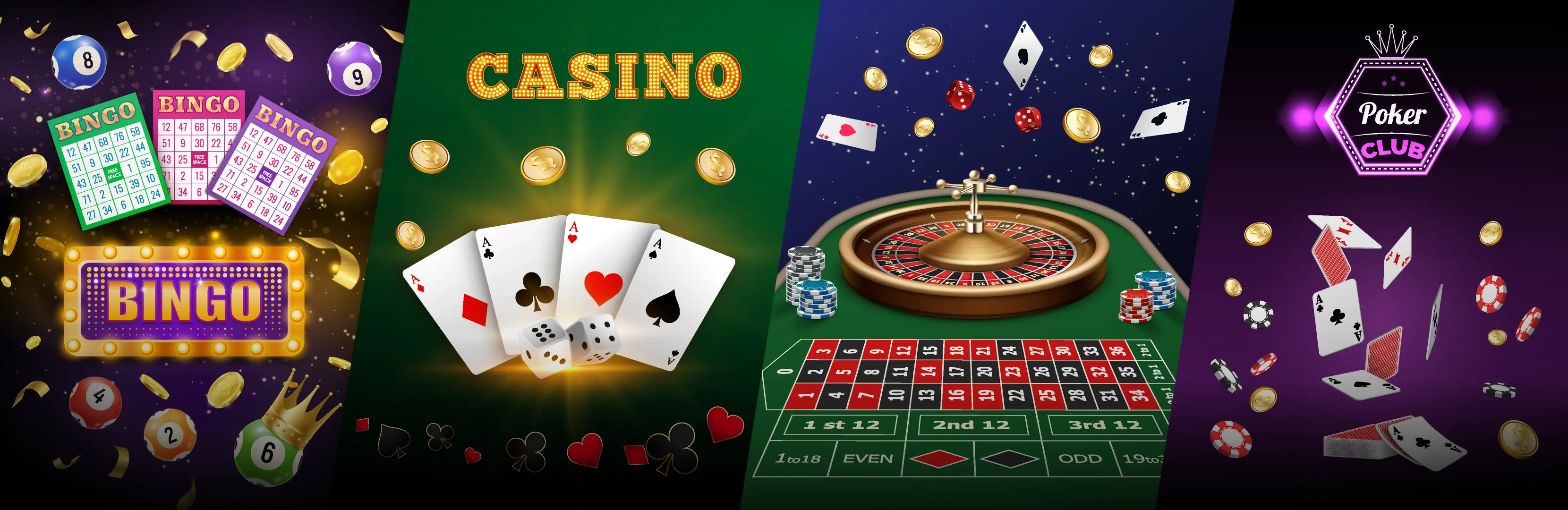
Four formats cover most of the market: social slots, social poker, social bingo, and social table games (blackjack, roulette, baccarat). Each genre has its own economy, retention curve, art scope, and LiveOps cadence.
- Social slots: highest revenue category. Room for hundreds of themed machines in one app, weekly new-slot cadence, deep VIP loyalty programs. Live examples: Slotomania, Big Fish Casino, DoubleDown Casino, Jackpot Party, Cashman Casino.
- Social poker: long session lengths, strong PvP dynamics, tournaments and Sit & Go rooms. Live examples: Zynga Poker, World Series of Poker (WSOP) by Ludia, PokerStars Play.
- Social bingo: casual, high-DAU, event-driven. Live examples: Bingo Blitz, Bingo Bash, Bingo Pop.
- Social table games: blackjack, roulette, baccarat, often bundled inside a broader casino app rather than standalone. Live examples: Blackjack 21 by Abradoodle, myVEGAS Blackjack.
Mechanics that keep social casino players engaged
Retention in social casino games is built on a small set of layered systems: a virtual currency loop, XP progression, VIP tiers, tournaments, and social features like guilds or clubs. None of these is unique to casino games, but the combination is what pushes 30-day retention above the casual-game average and stretches lifetime value past 12 months for the top cohort.
The virtual currency loop is the base. Free daily coin bonuses, hourly refills, and level-up rewards keep non-payers active; IAP coin packs and subscriptions convert engaged players. XP progression unlocks new machines, tables, or bingo rooms. VIP tiers reward long-term play with higher bonus percentages, priority support, and access to exclusive rooms. Tournaments and leaderboards run on daily, weekly, and seasonal cycles. Guilds and clubs add asynchronous social pressure: shared goals, chat, gift exchanges.
Monetization patterns and market benchmarks
Social casino monetization is dominated by in-app coin packs. A typical pricing ladder runs from a "$0.99 starter" through mid-tier packs at $4.99 to $19.99, up to whale packs at $99.99 and higher. On top of that sit VIP subscriptions ($9.99 to $49.99 per month, sometimes tiered), limited-time "piggy bank" offers, and event bundles tied to LiveOps calendars.
Ads are secondary but material. Rewarded video for extra spins, second-chance bonus rounds, or coin top-ups typically adds 5 to 15 percent to ARPDAU without harming payer conversion. Interstitials are rare in the top-grossing apps because they hurt session length.
Payer economics in social casino are heavily skewed. Payer conversion sits around 2 to 5 percent of MAU, with the top 10 percent of payers (the "whale" segment) generating 60 to 80 percent of revenue. ARPPU for a healthy social slots app is usually in the $60 to $150 per month range for active payers, with whale ARPPU running into the thousands. Mid-payer segments ("minnows" and "dolphins") matter for stability but rarely dominate the P&L.
LiveOps cadence for social casino games
Top-grossing social casino apps ship LiveOps content on a weekly or bi-weekly cadence. New machines or new rooms land on a fixed schedule, event calendars are booked one to two quarters ahead, and seasonal takeovers (Halloween, Black Friday, Chinese New Year) drive the largest revenue spikes.
A production LiveOps calendar typically includes: weekly slot or room drops, weekly leaderboard resets, bi-weekly limited-time events, monthly VIP promotions, and 4 to 6 major seasonal events per year. The internal team needed to sustain this cadence runs 15 to 40 people across game design, math, art, engineering, LiveOps management, CRM, and player support, depending on catalog size.
App store policy and where social casino games can ship
Apple and Google both allow social casino games in their stores under specific rules. On the Apple App Store, apps that simulate gambling with no real-money prize fall under the standard entertainment category, but developers must confirm that winnings cannot be converted to real currency and that the app targets a 17+ age rating. Apple's guidelines are documented in the App Review Guidelines section on gambling.
Google Play has a separate policy for "real-money gambling, games, and contests" that only applies where players wager real money. Social casino apps that use virtual currency without cashout ship under the standard games category, again with an appropriate age rating and clear disclosure that no real-money winnings are available. Both stores require honest metadata: apps that hint at real-money outcomes in the store listing get rejected.
RNG and math model for social casino games
Social casino games use pseudo-random number generators built into the client and server code. Because there is no real-money payout, GLI-11, iTech Labs, or BMM certification is not required. The math model still matters: hit frequency, average payout per spin, volatility, and bonus-trigger rate all shape retention and monetization.
A typical social slot targets a return-to-player range of 92 to 96 percent (higher than most regulated slots, because virtual coins are a renewable resource, not a real loss), hit frequency of 25 to 35 percent, and a mix of low, medium, and high-volatility machines across the catalog. Math is usually validated in a spreadsheet model first, then replicated in server-authoritative code to prevent client-side tampering. Server authority also enables live tuning: RTP curves, bonus frequencies, and event drop rates can be adjusted per cohort without a client update.
Tech stack for social casino games
Two engine choices dominate: Unity for cross-platform 2D and 2.5D slots, poker, and bingo, and HTML5 (PixiJS, Phaser, PlayCanvas) for browser-first products and Facebook Gaming builds. Unity is the default for mobile-first catalogs because of App Store and Google Play tooling, ad-network SDK support, and cross-platform reach to iOS, Android, and desktop. HTML5 is picked when Facebook, web, and cross-platform Instant Games matter more than native app-store performance.
On the backend, most production teams run a server-authoritative stack: game logic, RNG, wallet, and event scheduling on the server; the client is a rendering and input layer. Typical components include a game server (Node.js, Go, or C# .NET), a wallet and transaction service, a LiveOps and event configuration service, a CRM and analytics pipeline (Firebase, Amplitude, Adjust, AppsFlyer), and an ad-mediation layer (LevelPlay, AdMob, AppLovin MAX). Payments run through Apple IAP, Google Play Billing, and, for web builds, Stripe or Xsolla.
Current top social casino titles as data points
The competitive set is stable at the top and driven by long-running catalogs rather than one-off hits. Slotomania (Playtika) has been in market since 2011 and remains a top-grossing social slots app. Big Fish Casino (Aristocrat Digital) covers slots, poker, and blackjack in one app. DoubleDown Casino ships new machines weekly. Zynga Poker and WSOP by Ludia hold the social poker segment. Bingo Blitz (Playtika) leads social bingo. These are useful reference points for scope, LiveOps cadence, and catalog depth; they are not benchmarks Game-Ace positions against directly.
Social casino subgenres compared
The table below compares the three main social casino subgenres on monetization pattern, LiveOps intensity, and art scope. This is a starting point for scoping a new product or expansion.
| Subgenre | Monetization pattern | LiveOps intensity | Art scope per release |
|---|---|---|---|
| Social slots | IAP coin packs dominant; VIP subscriptions; rewarded ads for extra spins. | High: weekly new machines, monthly events, quarterly seasonal takeovers. | One new themed slot per week: reels, symbols, bonus scene, expand animations. |
| Social poker | Chip packs; tournament entry fees in chips; VIP rooms; cosmetics. | Medium: weekly tournaments, monthly leagues, seasonal series. | Table skins, avatar and emote packs, occasional room themes. |
| Social bingo | Coin and power-up packs; event passes; rewarded ads for extra cards. | High: event-driven; frequent limited-time rooms and quests. | Themed bingo rooms, event assets, collectible items. |
Social casino work from the Game-Ace portfolio
One slot and social gaming project from the Game-Ace portfolio illustrates the scope, delivered as full production.
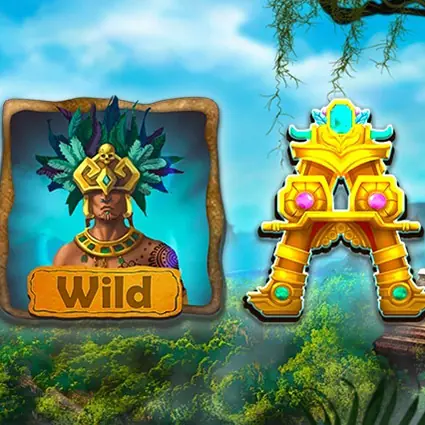
Welcome to Maya Slots, a cross-platform slot game by Game-Ace

Maya Slots is a web-based casino slot game with Ancient Maya-inspired visuals, animated symbols, and cross-platform performance built on Cocos2D-JS. Game-Ace handled the production cycle: planning, concept, artwork, implementation, and animation for social and real-money casino contexts.
When to talk to Game-Ace about social casino games
Game-Ace fits social casino projects that need a stable production partner across art, math, engineering, and LiveOps support, without the compliance overhead of a regulated real-money operator. Typical engagements are full-cycle builds for a new social slots or poker product, co-development on an existing catalog, or team extension to sustain a weekly release cadence. The team runs 120+ in-house specialists and has delivered 200+ games since 2005 across slots, social, and casual formats. If a social casino product is on your roadmap, Game-Ace, a custom game development studio, can scope full delivery or plug into an existing publisher pipeline. Related reading: how to create crypto casino games and online casino platform. For broader iGaming scope, see iGaming software development and full-cycle game development.
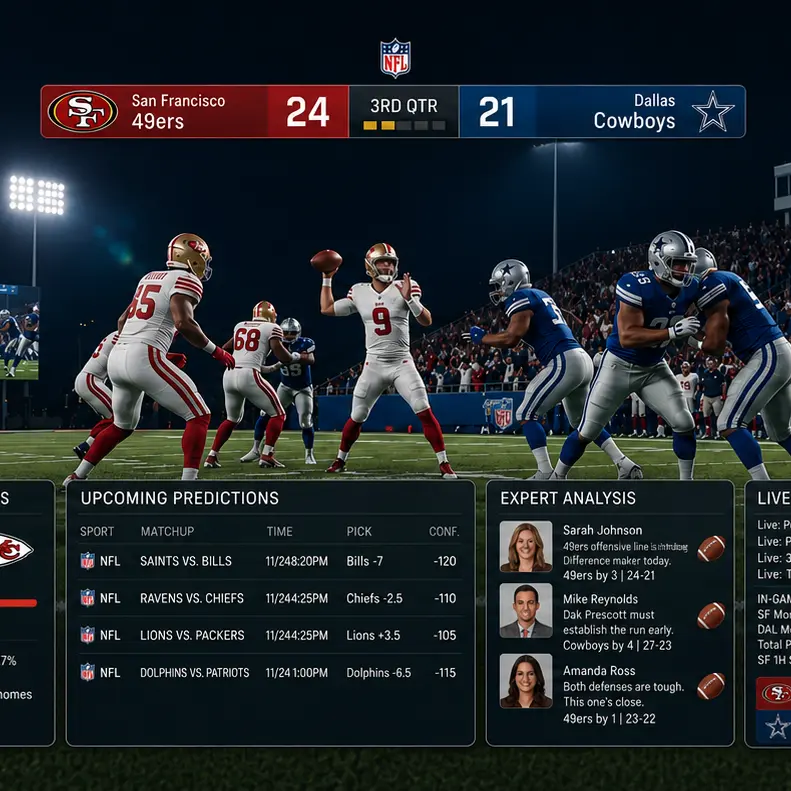 Game predictions in sports: free-to-play formats that scale
 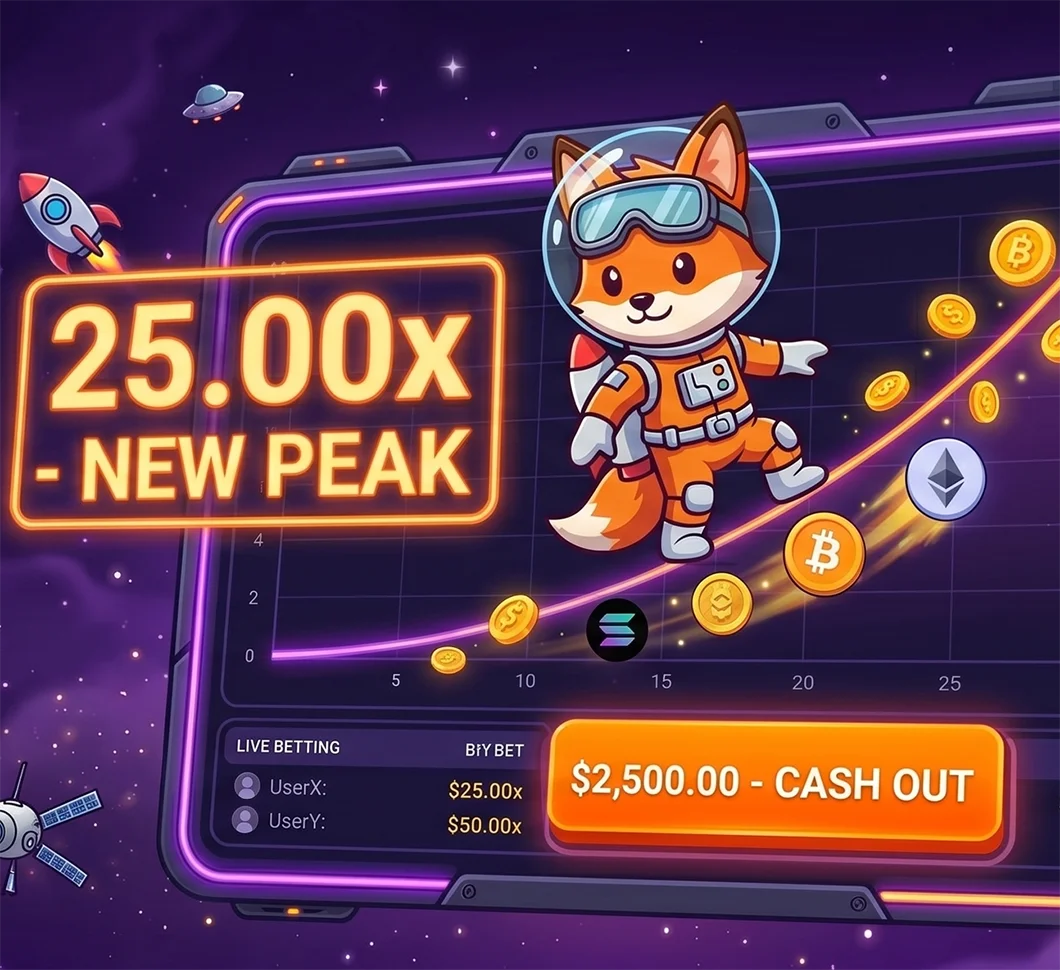 Crash games: what they are and how they're built
  How to create crypto casino games: 7-step guide
  3D and AI avatars in casino: how they boost acquisition, retention, and time-on-device
  Building a profitable online casino platform