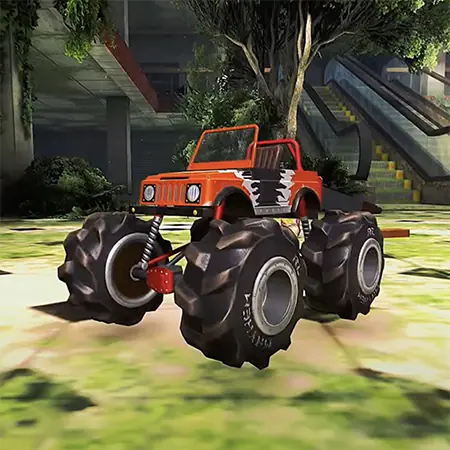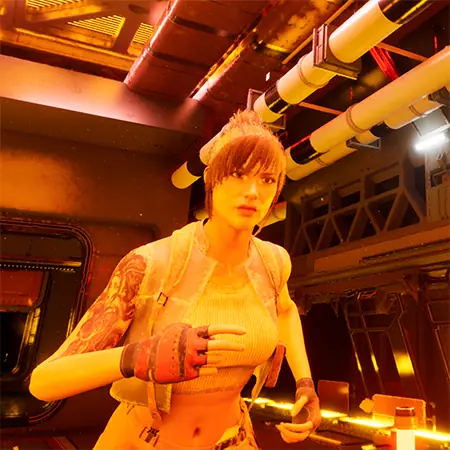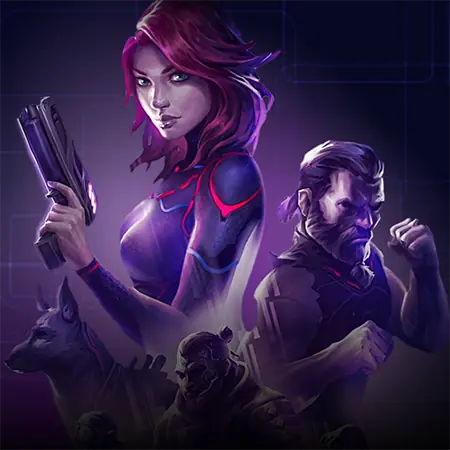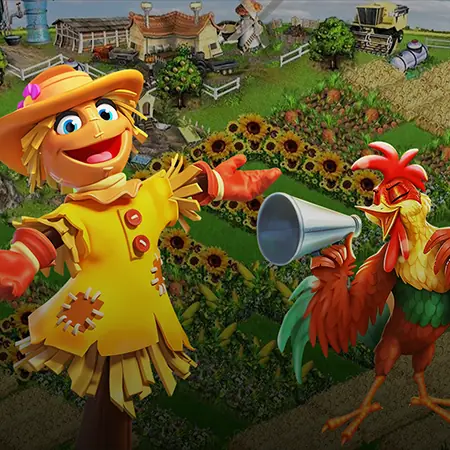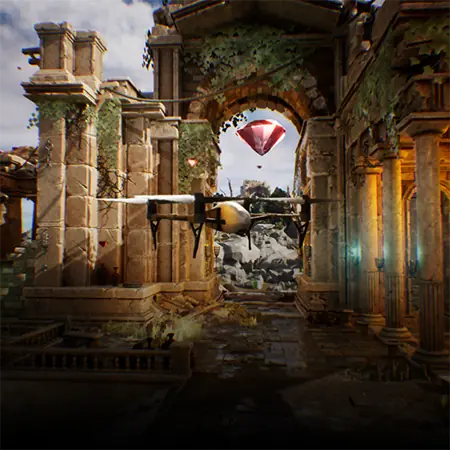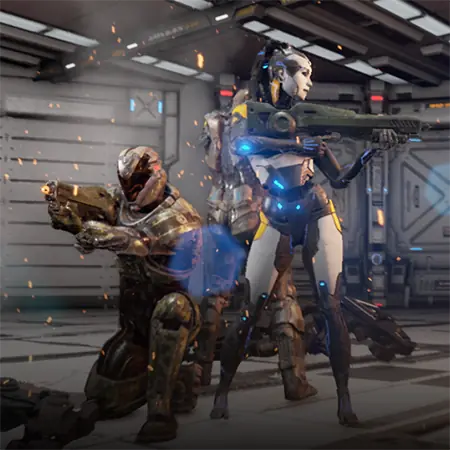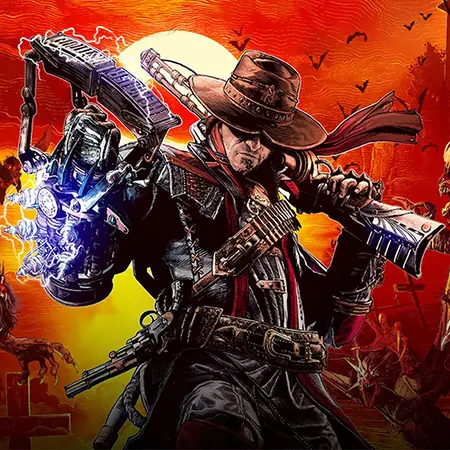
Video game concept art is the visual pre-production layer that translates written design into paintings, sketches, and reference sheets before any 3D model, animation, or level block-out begins. It defines characters, environments, props, and key art so the whole production team, engine tech, and marketing work from a single visual language. In practice, concept art protects budget by resolving look, silhouette, and mood on paper rather than in engine.
What video game concept art actually covers

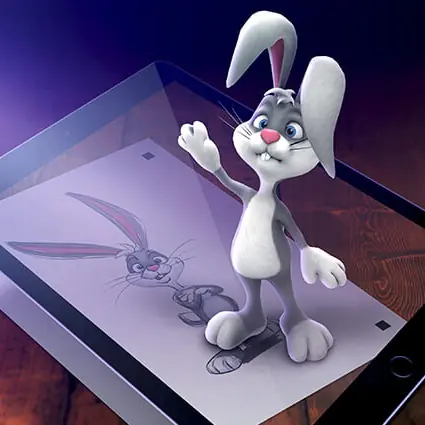
Video game concept art is not a single deliverable. It is a set of visual artifacts produced across pre-production and, often, into vertical slice. The output includes thumbnails, silhouette studies, mood boards, refined color keys, orthographic model sheets, environment paintovers, prop callouts, and key art used for marketing and storefronts. Each artifact answers a specific production question: what does the hero look like from three angles, what is the palette of the second act, what does the store thumbnail promise the player.
A concept artist on a game team is closer to a visual problem-solver than an illustrator. The work is judged on whether it survives translation into 3D, animation, VFX, and UI without breaking style or readability.
Main disciplines inside video game concept art
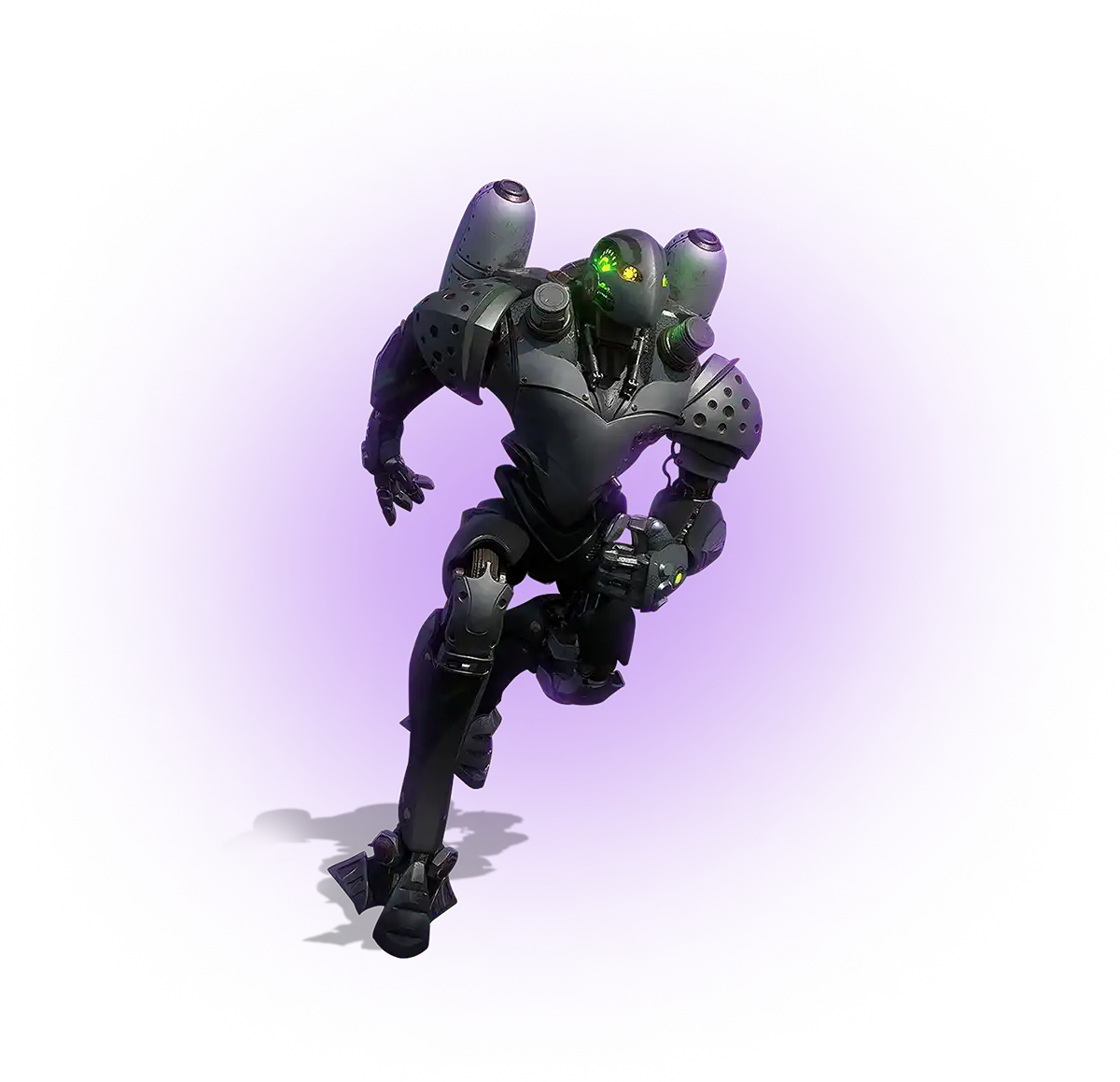
Concept art on a game project usually splits into four disciplines. Character concept covers hero, NPC, and enemy design, model sheets, expression sheets, and costume variants. Environment concept covers biomes, level moods, exterior and interior sets, lighting studies, and set-piece paintovers. Prop and weapon concept covers hero props, item icons, orthographic callouts, and material breakdowns for the texture team. Key art covers the marquee illustration used for the storefront, box, trailer end-frames, and press.
- Character concept: silhouette exploration, refined pose, front/side/back sheet, expression sheet, costume variants.
- Environment concept: biome mood boards, panoramic paintings, lighting time-of-day studies, set-piece paintovers.
- Prop and weapon concept: orthographic sheets, material callouts, scale reference next to character.
- Key art: hero composition for store page, launch trailer, marketing kit.
The concept art process, from thumbnail to paintover

The pipeline usually runs in five stages. Reference and mood board gathering, small thumbnails and silhouette studies, refined line and value pass, color and material pass, and finally paintover on top of an early 3D block-out. Each stage has its own review checkpoint with the art director, so weak ideas are killed early on cheap deliverables and only strong directions are pushed into rendered work.
Paintover is the step teams underinvest in most often. Once a rough 3D scene or character exists, the concept artist paints on top of a screenshot to correct proportion, silhouette, palette, and framing. That paintover is then handed back to the 3D artists as an execution reference.
Style directions used in current video game concept art
Style is a production decision, not a taste decision. It is driven by target platform, target audience, engine capabilities, animation budget, and the visual identity the studio needs to compete inside its genre. The most common style directions in current video game concept art are realistic, stylized (semi-realistic), anime and cel-shaded, painterly, low-poly, pixel and voxel, and flat vector.
- Realistic: grounded proportions, physically plausible materials, photo reference heavy.
- Stylized: exaggerated silhouettes, simplified forms, higher readability at small sizes.
- Anime and cel-shaded: line-driven, flat lighting zones, expressive faces.
- Painterly: brush-visible surfaces, soft edges, mood-first environments.
- Low-poly and voxel: geometric primitives, minimal texture detail, engine-cheap.
- Pixel and vector: 2D-first pipelines for mobile, web, and retro-facing titles.
For more context on how style choices map to genres and audiences, see our overview of video game art styles.
Tools that concept artists actually use
The tool stack is small and stable. Adobe Photoshop is still the industry standard for concept painting and paintovers because of brush ecosystem and color workflow. Procreate on iPad has become a real production tool for early ideation and travel work. Blender is used for kitbash, quick 3D block-outs, and light setups that get painted over in Photoshop. Adobe Substance 3D Painter and Designer are used when concept artists produce material callouts the texture team can lift directly.
Clip Studio Paint and Krita cover anime and painterly pipelines. On top of this base stack, some teams use generative AI tools for mood board assembly and thumbnail ideation.
How concept art hands off to the 3D and animation team
Handover is where concept art either saves the production or costs it a rework cycle. A clean handover package usually includes an orthographic model sheet at correct proportion, a color and material callout, a silhouette test at low resolution, and a paintover reference on top of the 3D artist’s early block-out. For environments, the package adds a top-down layout, a panoramic mood painting, and a lighting time-of-day study.
Concept artists working on a real production pipeline stay close to the 3D leads. They review early block-outs, mark up issues in a paintover, and clarify intent in short review calls. The animation team also uses concept sheets for expression range, silhouette in motion, and secondary motion cues.
IP-safe reference and generative AI in concept work
Reference discipline matters. Concept artists on client work cannot pull composition directly from another studio’s shipped game, from copyrighted stock, or from a scraped AI dataset that leaks recognizable IP. Safe reference means photo boards the studio owns or licenses, in-house 3D kitbash, silhouette work generated from primitives, and public-domain or CC-licensed material with clear provenance. Portfolios on ArtStation show how top studios document their reference process.
Generative AI has a place in early ideation. Teams use it for fast mood board expansion, silhouette variation, and rough environment thumbnails. Final concept art on client projects is still hand-painted by the concept team, because AI output cannot ship without provenance and rights clearance.
Cost and timeline for video game concept art
Cost depends on scope, style, and revision policy. Character concept for a hero unit with model sheet and color pass usually falls in the €800-€2,500 range per character in the mid-market. Environment key frames with mood and lighting studies land in €1,200-€4,000 per set. A full key art illustration for storefront and marketing runs €2,000-€6,000. Timelines run 1-3 weeks per major deliverable including revisions.
For a full production, teams scope concept art as a percentage of overall art budget. On outsourced projects, Game-Ace typically brackets concept art at 8-15% of the total art scope, with tighter ranges once the style and character count are locked.
Video game concept art: format comparison table
| Type | Core deliverables | Typical timeline | Typical cost (mid-market) | Main consumer |
|---|---|---|---|---|
| Character | Silhouettes, refined pose, model sheet, expression sheet | 1-3 weeks | €800-€2,500 per character | 3D character team, animation |
| Environment | Mood board, panoramic key frame, lighting study, paintover | 2-4 weeks | €1,200-€4,000 per set | 3D environment team, level design |
| Prop and weapon | Orthographic sheet, material callout, scale reference | 2-5 days | €250-€900 per prop | 3D prop team, texture team |
| Key art | Hero composition for store, trailer, press kit | 2-4 weeks | €2,000-€6,000 per piece | Marketing, publishing, storefront |
Selected art work from the Game-Ace portfolio
Welcome to Maya Slots, a cross-platform slot game by Game-Ace
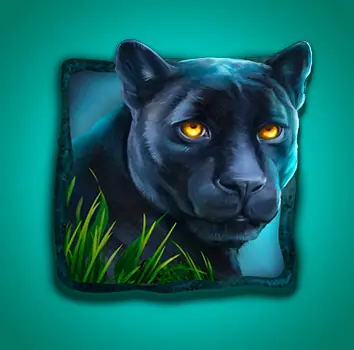
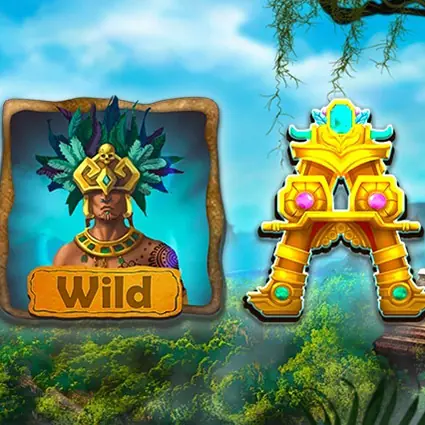
Maya Slots is a web-based casino slot with an Ancient Maya art direction, hand-painted symbols, and a consistent style across UI, symbols, and background. The concept art phase locked palette, symbol silhouette, and background composition before final 2D production began.
When to talk to Game-Ace about video game concept art

If you are scoping video game concept art for a new title, a live game refresh, or a marketing key art drop, talk to Game-Ace. We provide dedicated concept artists inside our game art and design services, specialist 2D game art teams, and options to hire 2D game artists as extensions of your studio.
Game-Ace has run in-house art teams since 2005, with 120+ specialists and 200+ delivered projects. When concept art needs to feed a full production line, we also cover it end-to-end through full-cycle game development or as a scoped art package.
 How to design learning games for kids
  Arcade game design: a production guide
  Game environment design for production-ready worlds
  Narrative game design: from concept to shipped story
  Procedural generation in games: what actually works in production