
To make a game app, define the core loop and target audience, write a short GDD, pick an engine (Unity, Unreal, or Godot), build a playable prototype, assemble a team (solo, small internal team, or an outsourced studio), produce art and code in parallel, run device testing, submit to the App Store and Google Play, and plan monetization and post-launch updates. A first commercial mobile title usually ships in 4-9 months.
Start with the idea and a short GDD
Every game app starts with a written idea that fits a real audience and a real store category. Before touching an engine, the team documents the core loop in 30-60 seconds of gameplay, target platform (iOS, Android, or both), business model (in-app purchases, ads, hybrid, or paid), and a comparable title already on the stores. This becomes a short Game Design Document, or GDD, of 15-30 pages. The GDD covers gameplay, progression, meta systems, art direction, sound, monetization, and the minimum viable feature set for launch.
Skipping the GDD is the most common reason mobile projects overrun scope and budget. Studios that ship on time treat the GDD as a living contract between design, art, and engineering.
Scoping a new game app and want a single production team?
Build a prototype before writing production code
A prototype answers one question: is the core loop fun on a touch screen? It runs on a target phone, has placeholder art, and covers one level or one session. Prototypes are usually built in 2-4 weeks and cost a fraction of full production. If the prototype is not enjoyable, the loop is redesigned before art production or backend work begins.
For casual and hyper-casual apps, the prototype is often the pitch itself. Publishers evaluate CPI (cost per install) data from paid test campaigns on the prototype before greenlighting a full game app development budget.
Pick the right engine for the game app
Engine choice depends on genre, art style, target device range, and the team's existing skills. Unity covers most 2D and 3D mobile projects, has strong iOS and Android tooling, and the largest asset ecosystem. Unreal Engine fits high-fidelity 3D with realistic lighting, though mobile builds require careful profiling. Godot is an open-source option for 2D and lightweight 3D, popular for indie teams and small studios.
For hybrid-casual and casual titles, Unity remains the default. For stylized 3D with heavy shader work, Unreal is a reasonable pick. For teams with limited budget and open-source constraints, Godot is a working option.
Assemble the team: solo, small team, or outsourced studio
The team model shapes cost, timeline, and quality ceiling more than any single tool choice. A solo developer can ship a small casual game app on a tight budget but limits scope. A small in-house team of 3-6 people handles mid-sized mobile projects but requires hiring, HR, and long-term overhead. An outsourced studio brings a full production stack (design, art, engineering, QA, live ops) on a project contract with a defined delivery scope.
Below is a working comparison for teams deciding how to make a game app in a first release cycle.
| Model | Typical cost | Timeline | Capability |
|---|---|---|---|
| Solo developer | €5,000-€25,000 | 6-12 months | Small 2D casual, prototype, hobby release. Art and audio usually licensed. |
| Small in-house team (3-6) | €60,000-€200,000 | 6-10 months | Mid-sized 2D or lightweight 3D, one platform first, limited live ops. |
| Outsourced studio (full-cycle) | €80,000-€350,000+ | 4-9 months | Full 2D or 3D production, iOS and Android, QA on device matrix, live ops setup. |
The right pick depends on scope, budget, and whether the team plans to keep the title alive after launch. Live ops-heavy titles usually need a studio or a stable in-house group. See hire game developers for staffing a gap on an existing team.
Produce art and code in parallel
Once the GDD is signed off and the prototype validates the loop, art and engineering run in parallel. Art production covers characters, environments, UI, VFX, and animation. Engineering covers gameplay systems, backend integration, monetization SDKs, analytics, and store-facing metadata. Both tracks feed a shared build weekly.
For mobile game development, art budgets are constrained by draw calls, texture memory, and device thermal limits. Engineers profile early builds on target mid-range devices, not only on the latest flagship phone.
Test on real devices, not only on emulators
Emulators cover functional testing but miss thermal, battery, memory, and touch latency issues. A production-ready mobile game app is tested on a device matrix that covers the last three to four generations of iOS and Android hardware, including mid-range Android devices where most global installs happen.
- Functional testing on iOS and Android release builds.
- Performance testing on mid-range and low-end devices.
- Compatibility across iOS 16+ and Android 11+.
- Network testing on 3G, LTE, 5G, and Wi-Fi.
- IAP and ad-mediation testing in sandbox and production accounts.
TestFlight distributes iOS beta builds; Google Play internal testing tracks handle Android. QA regression runs before every store submission.
Submit to the App Store and Google Play
Store submission is a milestone, not a formality. Apple review can take 24 hours to several days and enforces the App Store Review Guidelines. Google Play uses staged rollouts through the Google Play Console with policy checks on ads, permissions, and target API level. Common rejection reasons include missing privacy policies, ad SDK compliance issues, IAP misconfiguration, and metadata that overpromises.
Store listings are prepared alongside the build: icon, screenshots, feature graphic, description, keywords, age rating, and localized copy for launch regions.
Plan ASO before launch, not after
App Store Optimization (ASO) is scoped during pre-production, tested at soft-launch, and refined weekly after release. It covers title, subtitle, keyword field on iOS, short and full descriptions on Google Play, icon A/B tests, screenshot order, and localized store pages. ASO alone will not save a weak core loop, but strong ASO on a solid game app can lower CPI by 20-40 percent.
Soft-launching in a limited region (Philippines, Canada, or select Nordic markets) is the standard way to gather D1/D7 retention and CPI data before global launch.
Pick a monetization model that matches the audience
Monetization is a design decision, not a plug-in choice. The three practical models for a game app are in-app purchases (IAP), rewarded and interstitial ads, and hybrid. IAP suits mid-core and social games with meta progression. Ads suit hyper-casual and casual titles with short session lengths. Hybrid blends both, typically with rewarded video for currency and IAP for progression accelerators.
Paid downloads work in a few categories (premium indie, kids' titles under COPPA-safe designs) but are the exception on modern mobile stores.
A Game-Ace mobile portfolio case
This case shows how the Game-Ace team approaches make a game app projects.
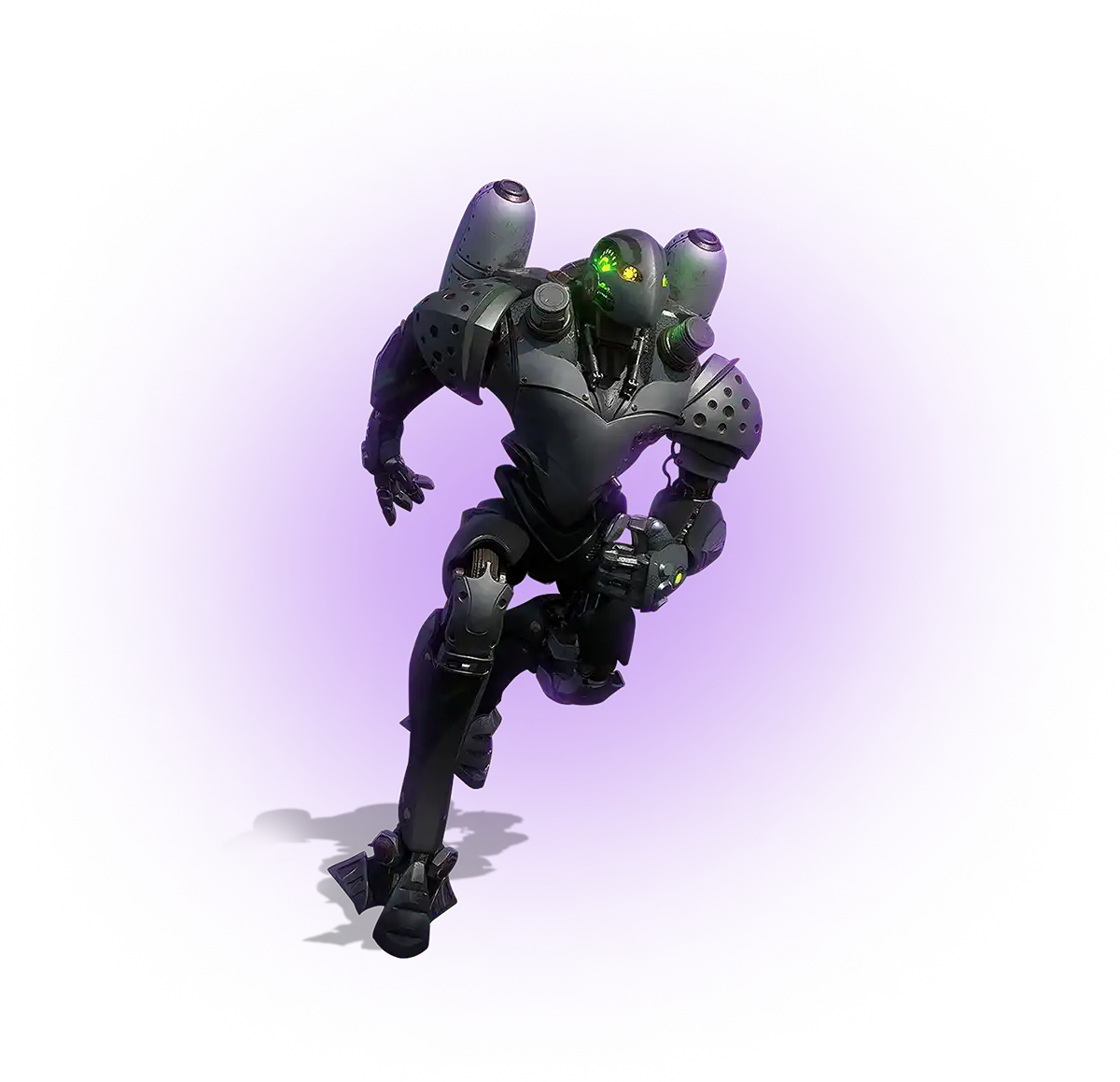
Welcome to Demon Runner, a mobile casual game app by Game-Ace

Demon Runner is a mobile-first Unity endless runner built around fast-paced roll-and-strike mechanics and a light RPG progression layer. Game-Ace handled the entire development, from full-cycle Android and iOS engineering to a lightweight in-Unity backend for scoring and progression.
Plan post-launch operations from day one
A game app does not end at launch. Post-launch work covers live event scheduling, content drops, balance patches, crash monitoring, review response, and A/B testing on economy and onboarding. Analytics stacks (Firebase, GameAnalytics, or a custom pipeline) feed weekly retention and revenue dashboards. Teams that budget for 6-12 months of live ops after launch keep titles profitable well past their initial payback window.
When to talk to Game-Ace about making a game app
Talk to Game-Ace when the idea has moved past a sketch and you need a team that can carry it from GDD to launch without hiring in-house. Game-Ace's mobile game development team delivers full-cycle production, co-development, and team extension from a single 120+ specialist studio. Related reading: how much does it cost to make a mobile game and game development stages explained.
 How MetaHuman changes game character development
  Game development for startups: budget and MVP guide
  Engineering tower defense games from prototype to live service
  Idle game development: a full production guide
  Gamification in recruitment: what actually works