
To build a VR game in Unity, you install Unity 6 with the Android Build Support module for Quest targets, enable XR Plugin Management, add the OpenXR provider, install XR Interaction Toolkit 3.x, set the Universal Render Pipeline with Single Pass Instanced rendering, then design gameplay around the "XR Origin" rig with controller and hand-tracking input. The rest of the pipeline covers comfort, performance targeting 72 to 120 Hz, on-device profiling, packaging for Quest, PCVR, or PSVR2, and store submission.
If you are scoping a VR game in Unity, talk to Game-Ace.
Setting up Unity for VR development
Unity setup for a VR game in Unity starts with Unity 6, the Android Build Support module for Meta Quest builds, and the Windows Build Support module for PCVR. Under Project Settings, XR Plugin Management installs the OpenXR provider on both PC and Android tabs. From Package Manager you add XR Interaction Toolkit 3.x, which brings the XR Origin rig, controller action maps, interactors, and locomotion providers. Meta headsets also need the Meta XR SDK for hand tracking, passthrough, and platform features that OpenXR does not expose.
The Input System package replaces the legacy input manager, and OpenXR action maps map controller buttons, triggers, thumbsticks, and hand joints into gameplay code.
Target platforms: Quest, PCVR, and PSVR2
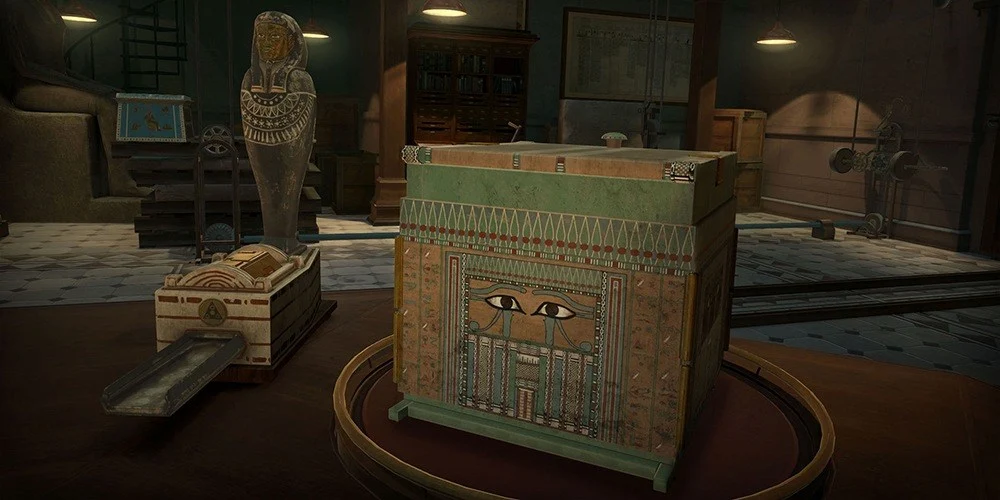
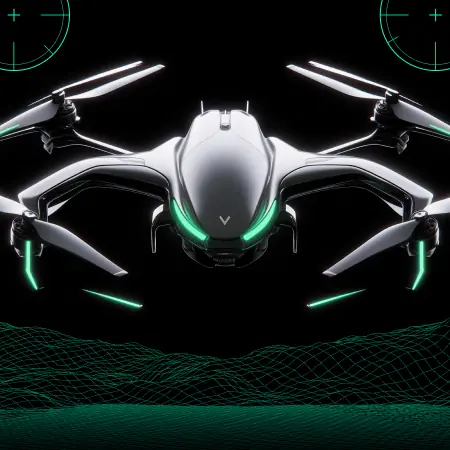
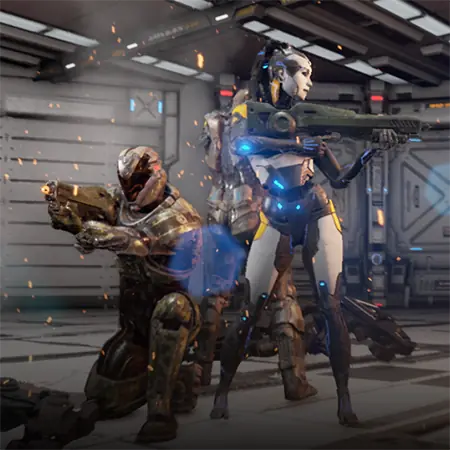
The Room VR: A Dark Matter
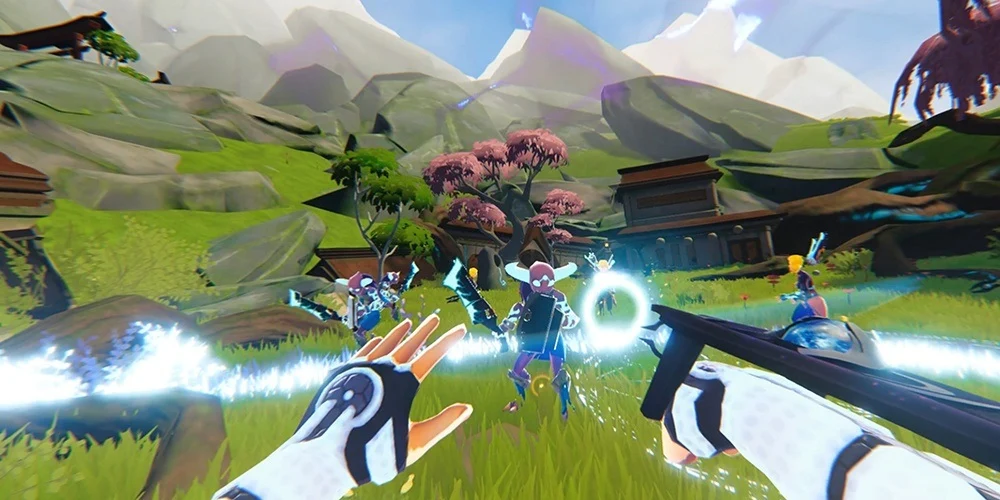
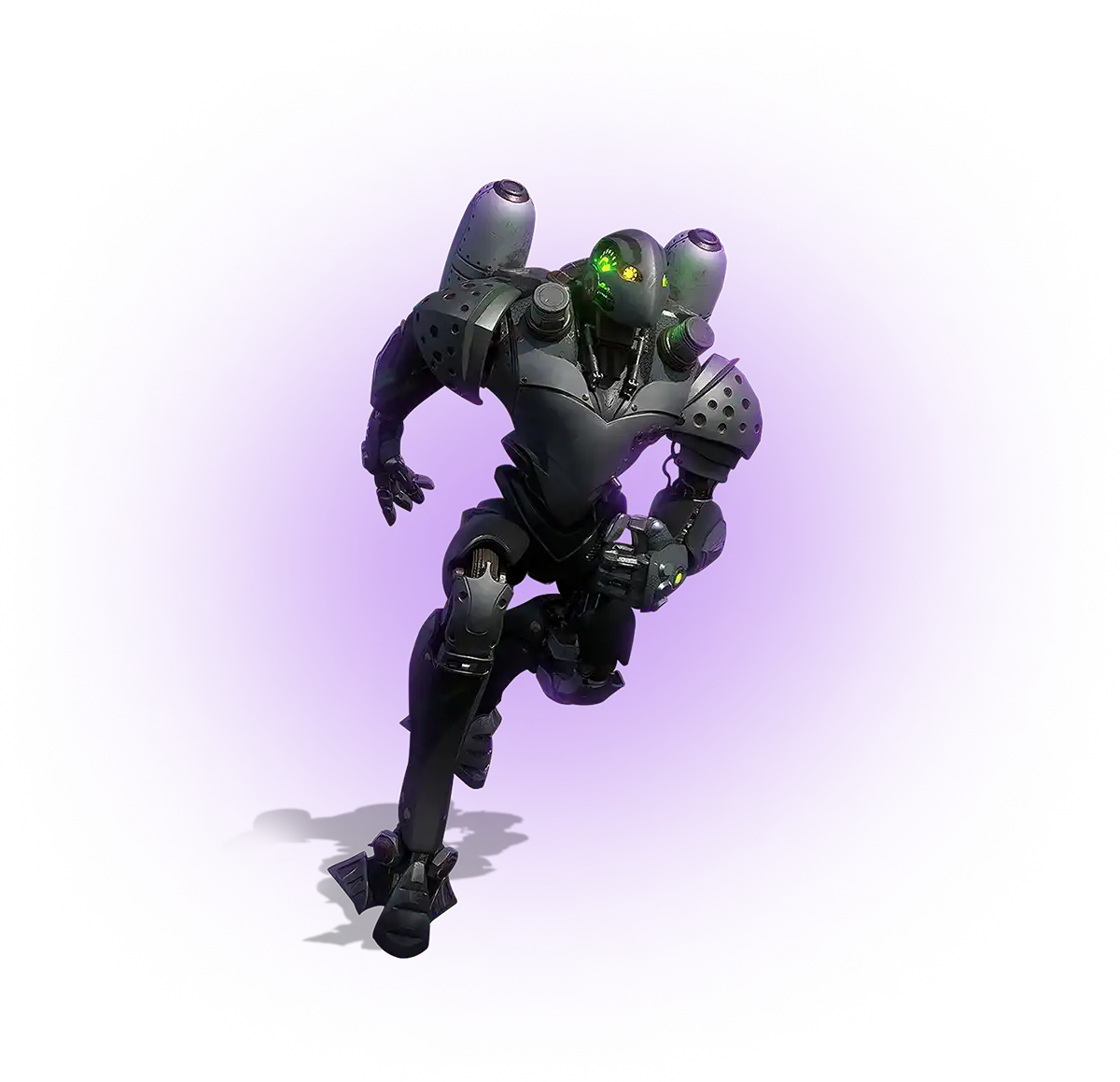
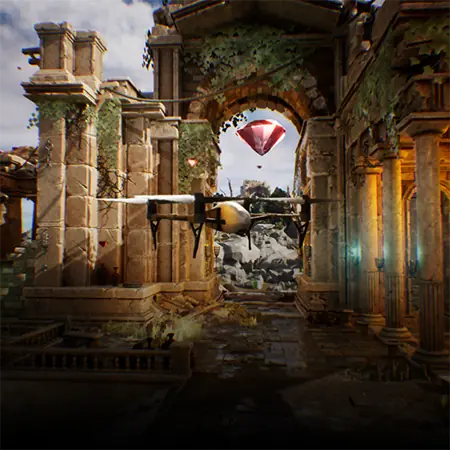
Zenith: The Last City
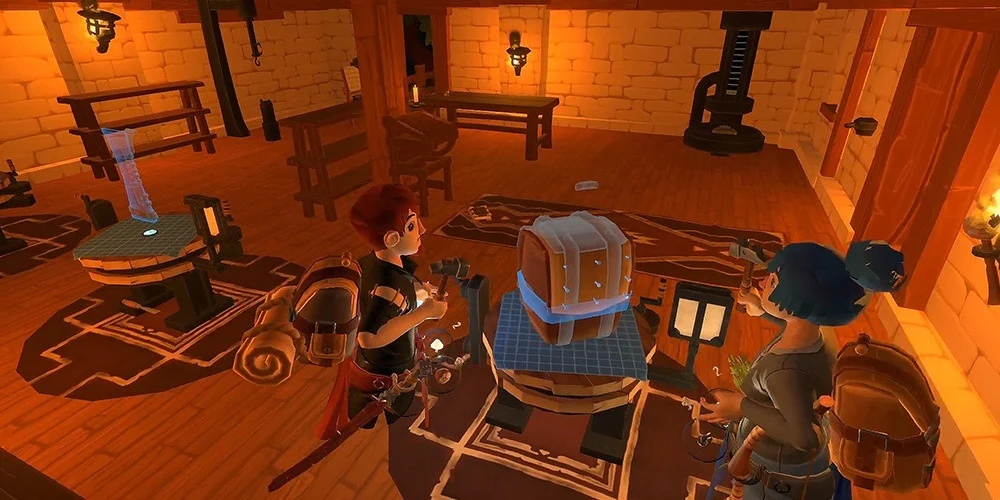
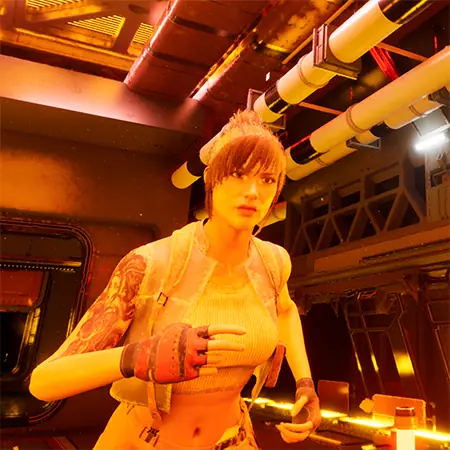
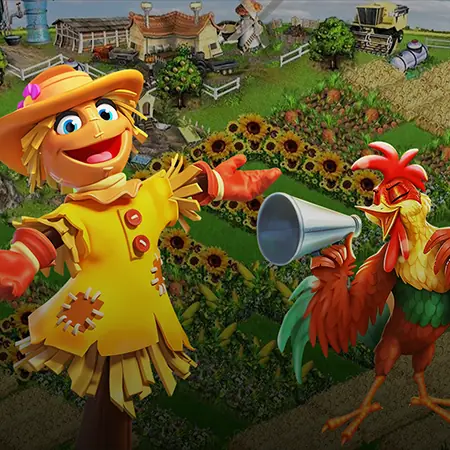
A Township Tale
Most Unity VR development targets three platforms. Meta Quest 2, Quest 3, Quest 3S, and Quest Pro run standalone Android builds. PCVR covers Meta Quest via Link, Valve Index, HTC Vive, and Pico headsets through SteamVR OpenXR. PSVR2 on PS5 uses the Sony PSVR2 SDK, and PSVR2 on PC uses the Sony PSVR2 PC adapter through SteamVR OpenXR.
Scope decisions follow the target. A Quest 2 build sits on a mobile GPU with a fixed thermal budget, so art and shaders are mobile-first. Quest 3 and 3S move to more headroom for higher texture resolution and dynamic lighting. PCVR removes most GPU limits. PSVR2 sits between mobile and PCVR, with dedicated hardware for eye-tracking, foveated rendering, and haptics.
Choosing a render pipeline and performance targets
For a VR game in Unity, the Universal Render Pipeline (URP) is the default choice. URP supports Single Pass Instanced rendering, which draws both eyes in one pass and cuts CPU cost close to half compared with multi-pass. MSAA 2x or 4x is the standard antialiasing for VR. Foveated rendering is a large win on Quest and PSVR2, Fixed Foveated Rendering typically saves 20 to 35 percent GPU time, and Quest Pro, Quest 3, and PSVR2 support eye-tracked FFR that follows the pupil.
- Quest 2: 72 Hz baseline, 90 Hz optional for lighter titles.
- Quest 3 / 3S / Pro: 90 Hz standard, 120 Hz for competitive or rhythm titles.
- PSVR2: 90 Hz standard, 120 Hz reprojected for select titles.
- PCVR (Index / high-end): up to 144 Hz depending on GPU.
Typical Quest 2 budgets that ship: 200k to 350k triangles on screen, 50 to 100 draw calls, a single dynamic light, static baked lighting for the rest. OVR Metrics Tool on the headset shows real-time frame time and GPU utilization, and the Unity Profiler runs over ADB or Wi-Fi for on-device profiling.
Input, locomotion, and comfort design
XR Interaction Toolkit 3.x provides Direct, Ray, and Poke interactors that map to Meta Touch, Valve Index Knuckles, and PSVR2 Sense controllers through OpenXR action maps. Hand tracking works on Quest 2, 3, 3S, and Pro through the Meta Hand Tracking Subsystem. Gaze input on Quest Pro, Quest 3, and PSVR2 uses the OpenXR eye-gaze extension.
Comfort is a submission gate on Meta Horizon Store and PlayStation Store, so locomotion is a first-class design decision.
- Teleport with fade: safest, required for "comfort intense" ratings.
- Snap turn (30 or 45 degrees): reduces vection.
- Continuous move + tunneling vignette: accepted when configurable.
- Room-scale + guardian awareness: always on.
Spatial audio and QA on device
Spatial audio in a VR game in Unity uses either Steam Audio (Valve, open source) or Meta XR Audio, both integrating as Unity plugins that hook into the AudioSource pipeline with occlusion, reflections, and ambisonic mixing.
On-device QA runs continuously, not at the end. Unity Profiler over ADB gives per-frame CPU/GPU data. OVR Metrics Tool shows frame time, stale frames, thermal state, and reprojection. A shipping QA matrix covers every supported headset, both controller and hand-tracking input, guardian and boundary edge cases, and session length for thermal drift.
Packaging and store submission
Packaging a VR game in Unity depends on the target. Quest builds are Android APKs signed with a keystore and pushed via Meta Quest Developer Hub. PCVR builds ship as Windows executables through Steam using SteamPipe. PSVR2 builds go through Sony's dev-kit toolchain and the PlayStation Partner Portal.
Meta Horizon Store submission requires a store page, age rating, comfort rating, and technical certification against the Meta VRC list. Steam submission requires a store page and passes Valve's automated tests.
Unity for Quest vs PCVR vs PSVR2
| Aspect | Quest (standalone) | PCVR (SteamVR) | PSVR2 (PS5) |
| Build format | Android APK | Windows .exe | PS5 package |
| Render pipeline | URP, Single Pass Instanced, Vulkan | URP or HDRP, forward+ | URP + Sony extensions |
| Frame-rate target | 72 / 90 / 120 Hz | 90 / 120 / 144 Hz | 90 / 120 Hz |
| Foveated rendering | FFR + eye-tracked (3/Pro) | Depends on headset | Eye-tracked FFR native |
| Store / submission | Meta Horizon Store | Steam / SteamPipe | PlayStation Store + TRC |
A Unity VR case from the Game-Ace portfolio
Welcome to Star Archer VR, an arcade Quest shooter by Game-Ace
Star Archer VR is a bow-and-arrow arcade shooter built in Unity for Meta Quest, with input designed around the XR Interaction Toolkit and art tuned for the standalone Quest GPU budget. Game-Ace handled full-cycle production from prototype to a store-ready build, profiling performance on the target headset.
When to talk to Game-Ace about creating a VR game in Unity
Game-Ace has built VR titles in Unity since the first Oculus Rift devkits and ships across Quest, PCVR, and location-based hardware. If a VR game in Unity is part of your roadmap, Game-Ace, a Unity VR development partner, handles full-cycle production, co-development, and team extension from a single in-house team of 120+ specialists. See also virtual reality game development and hire virtual reality game developers. Related reading: testing VR games, VR game development cost, and how to make VR games in Unreal Engine.
 How MetaHuman changes game character development
  Game development for startups: budget and MVP guide
  Engineering tower defense games from prototype to live service
  Idle game development: a full production guide
  Gamification in recruitment: what actually works