
To find a game dev team, define the scope and engagement model first, then shortlist studios by shipped portfolio in your genre, verify code and art references, and run a paid two-week trial before committing to full production. Most product owners find a game dev team through directories like Clutch, referrals from GDC, and targeted LinkedIn outreach.
If you are ready to find a game dev team for a new build, prototype, or team extension, talk to Game-Ace.
Kinds of game dev teams you can hire
There are five practical shapes a game development team can take, and each fits a different stage of production. Solo freelancers work well for one-off assets or a single system. Boutique studios of five to fifteen people suit prototypes, POCs, and small live games. Mid-size outsourcing studios of fifty to two hundred specialists cover full-cycle production, co-development, and team extension. Large publisher-integrated shops focus on their parent’s roadmap and rarely accept external contracts. In-house teams give the highest control but the longest ramp-up.
The decision usually comes down to how much of the pipeline the client wants to own. If the internal team already runs design and product, a mid-size partner filling engineering and art gaps is often the fastest path.
Where to search for a game development team
Buyer discovery is split across four channels: B2B directories, industry events, professional networks, and portfolio platforms.


- Clutch: filter by service line, budget, and location; read verified interviews before shortlisting.
- GDWC: annual awards surface active indie and mid-size studios shipping in specific genres.
- GDC: the San Francisco conference is where most studio heads meet publishers and prospective clients face to face.
- LinkedIn: search by role and studio, then contact the studio lead or biz-dev directly.
- Behance and ArtStation: best for scouting art directors, concept artists, and 3D leads.
Referrals still outperform cold outreach for high-trust engagements. A short call with a peer CTO who has shipped with a candidate studio is worth more than any directory rating.
How to shortlist a game dev team
A working shortlist is usually three to five studios, not fifteen. To find a game dev team worth a call, filter on four signals: shipped portfolio in your genre, code and art samples, live client references, and a clean response to a scoping brief. If a studio claims MMORPG or multiplayer experience, ask for the game name, the client, the scope delivered, and the release date. If the answer is vague, remove them from the list. For engineering-heavy scopes, request a code sample under NDA. For art scopes, ask for source files, not only rendered thumbnails.
Engagement models to compare
Three delivery models cover most game development contracts.
- Team Extension: dedicated specialists join the client’s sprint, repository, and standups; the client owns the roadmap.
- Co-development: two teams split ownership of systems.
- Full-cycle development: the partner delivers a turnkey build from GDD through soft launch.
Pricing usually follows the model. Team Extension is billed per specialist per month; Co-development runs on time-and-materials with milestones; Full-cycle is fixed-scope with a change-request process.
Team types compared: cost, control, risk
The table below summarises what changes when you move between team shapes. Numbers are order-of-magnitude and vary by location and seniority.
| Team type | Monthly cost (mid-senior) | Risk | Best fit |
| Freelancers | €3,000-€8,000 per person | High (delivery, continuity) | One-off assets, small systems |
| Boutique studio (5-15) | €15,000-€60,000 | Medium | Prototypes, POCs, small live games |
| Mid-size outsourcing (50-200) | €40,000-€250,000 | Low | Full-cycle, co-development, team extension |
| Enterprise / publisher-integrated | €200,000+ | Low delivery, high cost | Large multi-year productions |
Red flags when you vet a game dev team
- No named engineering lead on the proposal.
- Refusal to sign NDA before a scoping call.
- Portfolio is stock renders or generic art, not shipped titles.
- Rate quoted without asking about scope, engine, or timeline.
- No answer on IP transfer, source escrow, or handover.
- Case studies without client names or release dates.
Cost benchmarks and cultural fit
Budgets vary by geography, seniority, and scope. As a working benchmark: a Central and Eastern European boutique full-time engineer runs €4,500-€8,000 per month; a mid-size outsourcing studio bills €40,000-€120,000 per month for a 6-10 person cross-functional pod. A ten-week trial project usually falls in the €25,000-€60,000 range. Full-cycle mobile games ship from €150,000 to €800,000+ before live ops.
Timezone overlap of at least four working hours matters more than most buyers expect. A partner in Central or Eastern Europe overlaps with both US East Coast mornings and Western European full workdays.
NDA, IP transfer, and running a paid trial
Every serious engagement starts with a mutual NDA before scope goes on a slide. The master services agreement should include a work-for-hire clause with full IP transfer of source code, art assets, and documentation on payment. For engagements over six months, a source escrow with a neutral third party protects continuity. Game-Ace runs strict NDA and full IP transfer as default terms.
The most reliable filter is a paid two- to four-week trial project with a defined deliverable. Set exit criteria before the trial starts: what needs to be shipped, what code quality bar applies, and how the review will run.
A team-vetting case from the Game-Ace portfolio
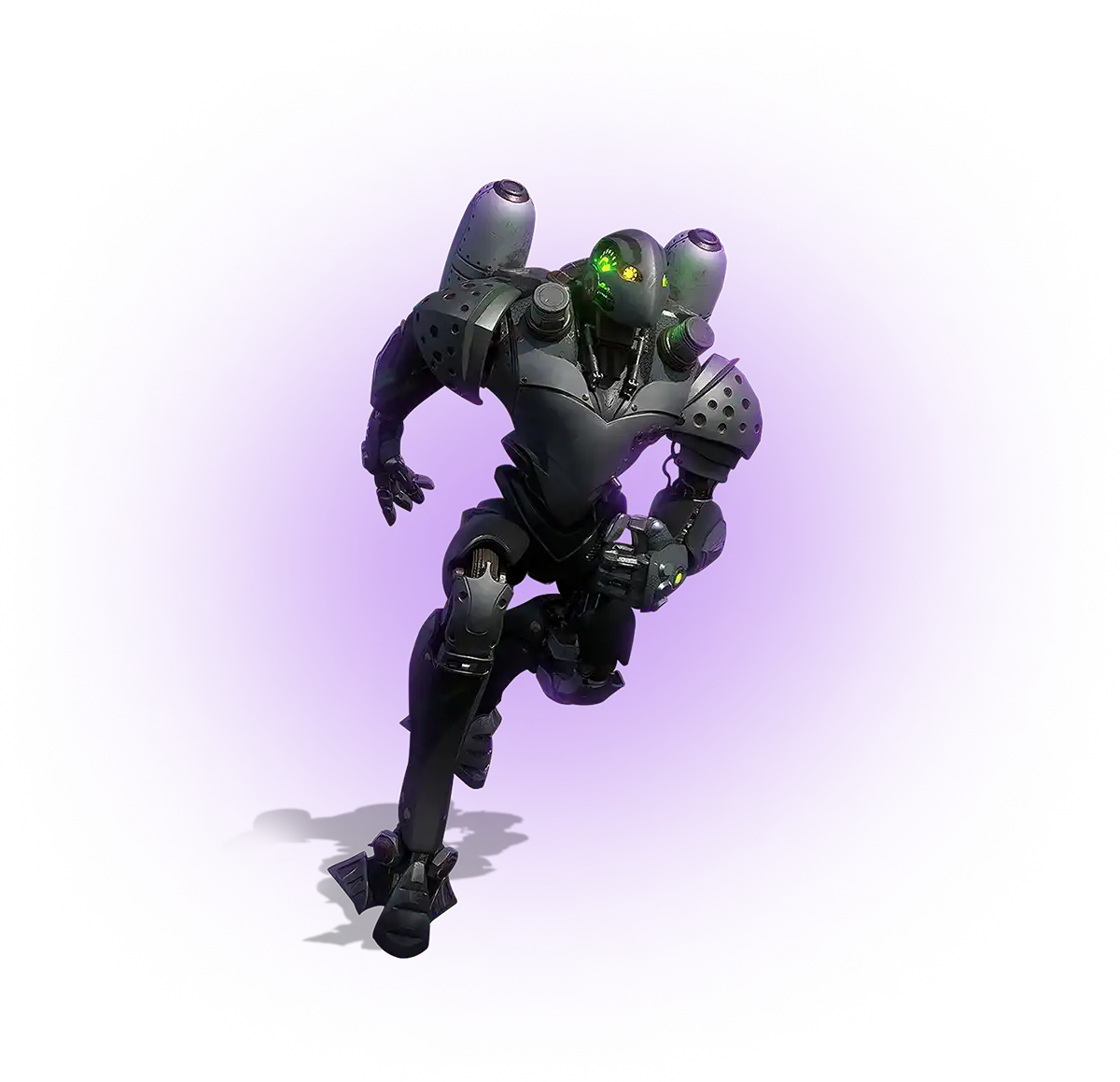
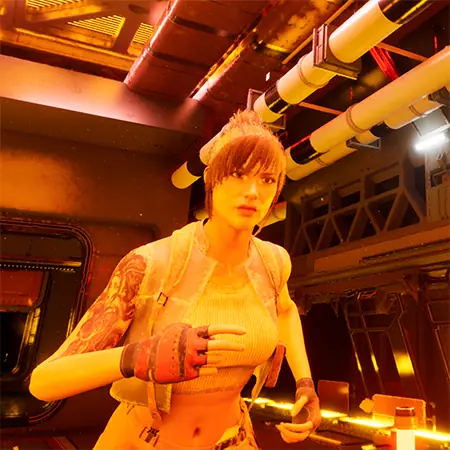
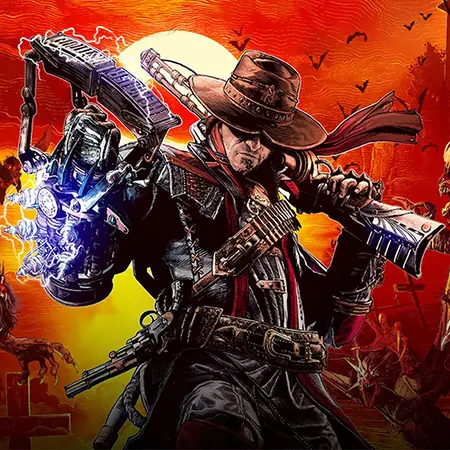
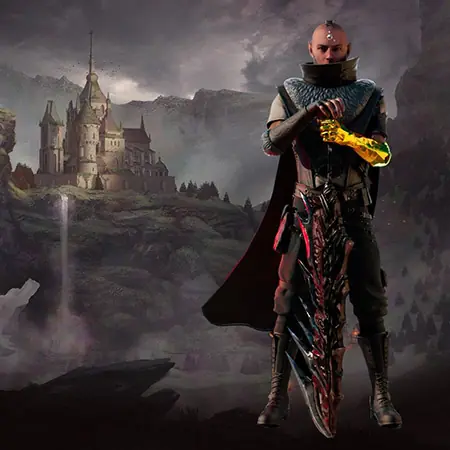
Welcome to Evil West, a co-development action title by Game-Ace
Evil West is an Unreal Engine 4 action title where Game-Ace’s team joined the client’s pipeline for four months, debugging and refining multiplayer features inside a complex Blueprint system, under NDA with defined milestones, full IP transfer, and Perforce-managed collaboration on a 400GB-plus project.
When to talk to Game-Ace about finding a game dev team
Game-Ace fits shortlists for buyers scoping a mid-size outsourcing partner for full-cycle mobile, iGaming, multiplayer, VR, and co-development work. With 120+ in-house specialists across engineering, art, and QA since 2005, Game-Ace, a game development team based in Cyprus, takes Team Extension, Co-development, and Full-cycle contracts under strict NDA and full IP transfer. Related services: hire game developers and game development outsourcing. Further reading: game development outsourcing companies and staff augmentation. The ESA industry workforce report covers hiring trends across the sector.
 How MetaHuman changes game character development
  Game development for startups: budget and MVP guide
  Engineering tower defense games from prototype to live service
  Idle game development: a full production guide
  Gamification in recruitment: what actually works