
Physical and casual gaming for VR and MR covers headset titles built around full-body motion and short, low-complexity sessions that new players can pick up in minutes. The category is expanding on Meta Quest 3 because passthrough mixed reality, hand tracking, and cheaper hardware widened the audience beyond enthusiast VR. Studios now scope physical VR games, casual VR games, and mixed reality casual games as three overlapping shelves rather than one “VR” bucket.
What “physical and casual” means today
Physical VR games use full-body motion as the core input: arms, torso rotation, squats, dodges, or hand-tracked object manipulation. Casual VR games keep session length short, teach the loop in the first two minutes, and avoid deep systems or long tutorials. Physical and casual gaming for VR and MR sits at the overlap: titles that make players move but do not demand a scheduled hour or a genre-savvy audience.
The category is not defined by genre. It cuts across rhythm (Beat Saber), fitness (Supernatural, Les Mills BodyCombat), puzzle (Puzzling Places, Cubism), simulation (Job Simulator, Kayak VR: Mirage), and shooters with short encounters (Superhot VR). What ties them together is a five-to-fifteen minute default session and a control scheme that reads bodily intent rather than complex button chords.
Scoping physical and casual gaming for VR and MR?
MR vs VR: what changes for design
Virtual reality replaces the player’s field of view with a rendered environment. Mixed reality composites virtual objects over a live passthrough feed of the room. For physical and casual gaming for VR and MR that split matters because MR anchors play to the actual floor, walls, and furniture. First Encounters on Quest 3 uses room scanning to punch holes in walls; Puzzling Places lets pieces float in the living room instead of a virtual gallery.
VR still owns the fully-immersive category. Fitness apps like Supernatural work better with the outside world blocked out, and rhythm games benefit from a controlled visual field. MR wins for short casual loops, family scenes, and titles where players want to keep an eye on kids, pets, or a physical space.
Current live examples across categories
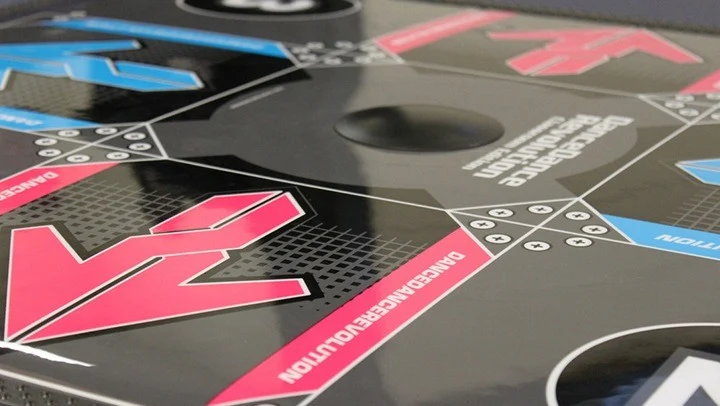
Rhythm: Dance Dance Revolution
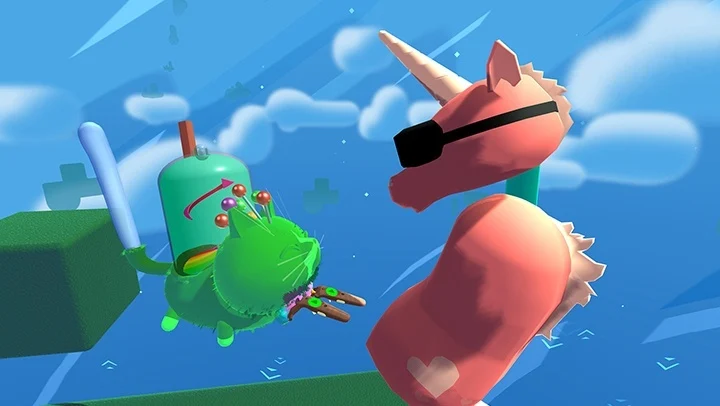
Puzzle: Fantastic Contraption
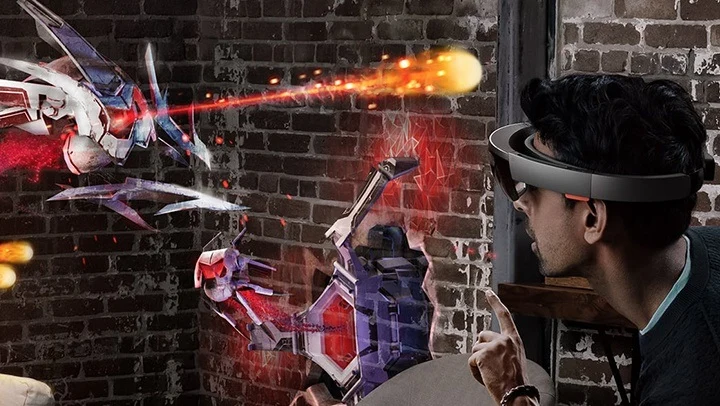
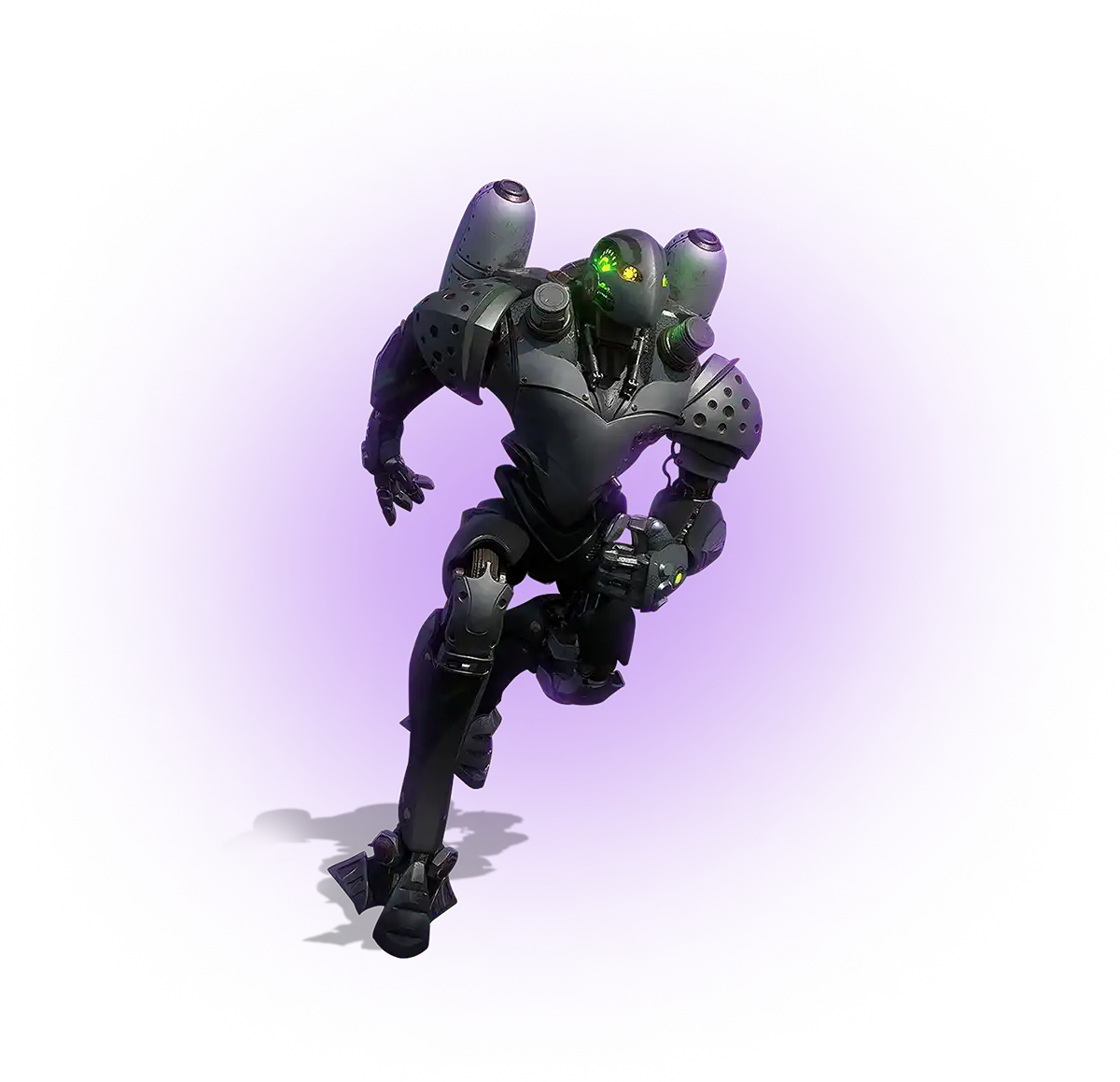
Action: RoboRaid
The 2025-2026 shelf of casual VR games and mixed reality casual games covers several clear buckets. Rhythm and fitness sit at the top of the charts. Puzzle and simulation form the mid-tier evergreen catalog. Short-session action rounds out the mix.
- Rhythm and music: Beat Saber (still the reference title on every headset).
- Fitness and calorie burn: Supernatural, Les Mills BodyCombat, FitXR.
- Puzzle and cozy: Puzzling Places, Cubism.
- Simulation and vignette: Job Simulator, Kayak VR: Mirage, Vacation Simulator.
- Short-session action: Superhot VR, Pistol Whip, Walkabout Mini Golf.
- MR-first launch titles on Quest 3: First Encounters, Starship Home, BAM!.
Hardware target for physical and casual gaming for VR and MR
Physical and casual gaming for VR and MR now targets four practical hardware profiles. Meta Quest 3 and Quest 3S are the mass-market default for MR and casual VR. Quest 2 remains the largest installed base and cannot be dropped for a casual title. PSVR2 fits sitting and standing VR built around a console audience. Apple Vision Pro serves shorter spatial sessions and a premium install base.
| Hardware | Best session type | Best fit | Dev cost signal | Market signal |
|---|---|---|---|---|
| Meta Quest 3 (passthrough MR) | 5-20 min MR + VR | Casual MR, room-scale, hand-tracking | Mid: MRUK + Depth API integration adds scope | Largest active audience for MR titles |
| Meta Quest 2 (6DoF VR) | 10-30 min VR | Standing fitness, rhythm, seated puzzle | Lower: no MR passthrough work | Massive installed base, still monetizes |
| Apple Vision Pro (spatial) | 5-15 min spatial | Cozy MR, media-adjacent, seated micro-games | Higher: visionOS pipeline + App Store review | Premium audience, smaller volume |
| Sony PSVR2 (sitting VR) | 20-60 min VR | Cinematic VR, seated action, rhythm | Mid: eye tracking + adaptive triggers usable | Console-first buyers, PC via adapter |
MR-specific mechanics on Quest 3
Mixed reality casual games on Quest 3 depend on a small set of platform features. Room scanning through the Mixed Reality Utility Kit (MRUK) captures walls, floor, ceiling, furniture, and windows as usable scene anchors. The Depth API produces per-pixel depth so virtual objects can sit behind a real chair. Plane detection surfaces the largest horizontal and vertical planes for gameplay logic like placing a target on a wall or spawning props on a table.
- MRUK for scene mesh, room labels, and anchor points.
- Depth API for per-pixel occlusion between real and virtual objects.
- Plane detection for surface-based placement (tables, walls, floor).
- Passthrough camera access for lighting cues and colour matching.
- Hand tracking 2.x for controller-free interaction in casual loops.
None of these features are optional for a serious MR title. A casual MR game that ignores occlusion will feel flat even to first-time headset users, and a room-scale MR title without MRUK will fail scene safety review on Meta Horizon Store.
Designing physical VR games without fatigue
Physical VR games need a session budget, not just a fun loop. Most casual players quit long before they hit skill ceilings if the game demands more than fifteen minutes of arms-up motion at a stretch. Rhythm titles like Beat Saber solve this with three-minute tracks and clear break points. Fitness apps like Supernatural build sessions from short intervals with active rest.
For physical and casual gaming for VR and MR, three design levers matter most: session length, arm-position rest, and legibility. Keep the core loop below fifteen minutes for casual audiences. Alternate arms-up and arms-down segments. Make targets and hitboxes generous enough to reward physical motion without demanding pixel-level aim.
The calorie and fitness angle
Fitness is now the second-largest revenue category on Meta Quest after rhythm and action. Supernatural has driven a subscription-first business model that other studios are copying. Les Mills BodyCombat monetizes through a paid app plus optional content. Both titles publish calorie estimates in-headset, and both use a coaching layer to keep sessions on rhythm.
Studios scoping a fitness-adjacent casual VR game should plan around three things: measurable output (calories or minutes-moved), a subscription-ready backend, and content that refreshes weekly. Without a content pipeline, retention drops sharply after the first month.
Room-scale, standing, and seated scenarios
Casual VR games and MR titles now ship with three room modes as default. Room-scale expects a cleared 2 by 2 metre play space. Standing supports a fixed spot with turn-in-place. Seated is used for spatial content on Vision Pro, cinematic VR on PSVR2, and short casual loops on Quest.
Supporting all three modes costs real engineering time. Turn radius, teleport rules, and reachable UI change per mode. A physical VR game that only supports room-scale narrows the audience to players with cleared living rooms, which is a small slice of Quest 3S buyers.
Accessibility and seated modes
Accessibility is now a review criterion on both Meta Horizon Store and the Apple Vision Pro App Store. Seated mode, one-handed play, adjustable height, and subtitles for spoken cues are the baseline. Casual VR games that ship without seated support lose the older audience and players with mobility limits, which cuts a meaningful part of the casual market.
Monetization models that work
Physical and casual gaming for VR and MR uses four monetization models in production today. Premium purchase remains the default for one-shot casual titles priced 15 to 30 dollars. Subscription works for fitness and content-heavy titles where new tracks or workouts land weekly. In-app purchase covers cosmetic packs on social MR titles. Brand activation is a small but real revenue line where a brand funds a limited MR experience.
- Premium purchase: Job Simulator, Puzzling Places, Superhot VR.
- Subscription: Supernatural, FitXR.
- IAP on top of premium: Beat Saber (music packs), Walkabout Mini Golf (courses).
- Brand-funded MR: seasonal activations released on Meta Horizon Store.
Cost and timeline for a casual VR or MR title
A focused casual VR game with one core loop and short content set usually starts around €80,000 to €150,000 for a single-platform release on Meta Quest 3. Adding MR mechanics with MRUK, Depth API, and occlusion typically pushes the range to €150,000 to €300,000 because scene handling and QA on real rooms take more time. Multi-platform releases across Quest, PSVR2, and Vision Pro sit above €350,000 because each platform has its own review, input, and comfort model.
Typical timeline is 4 to 6 months for a focused Quest-only casual title, 6 to 9 months for a Quest MR title with room scanning, and 9 to 14 months for a multi-platform release. These are indicative ranges; actual scoping depends on content volume and live-service plans.
Stores and distribution
Distribution splits by device family. Meta Horizon Store covers Quest 2, Quest 3, Quest 3S, and Quest Pro. PlayStation Store covers PSVR2 on PS5 and, since 2024, PC via the official adapter. Steam covers PCVR titles including PSVR2-on-PC and legacy Rift. The Apple Vision Pro App Store handles visionOS. Cross-buy is not universal; each platform is a separate submission with its own guidelines, content rating, and MR review checklist.
Physical and casual VR/MR work from Game-Ace
Game-Ace has shipped physical VR games and location-based VR experiences across genres. One case below shows scope, engine choice, and delivery model.
Welcome to Terragame, a physical, team-based VR experience by Game-Ace
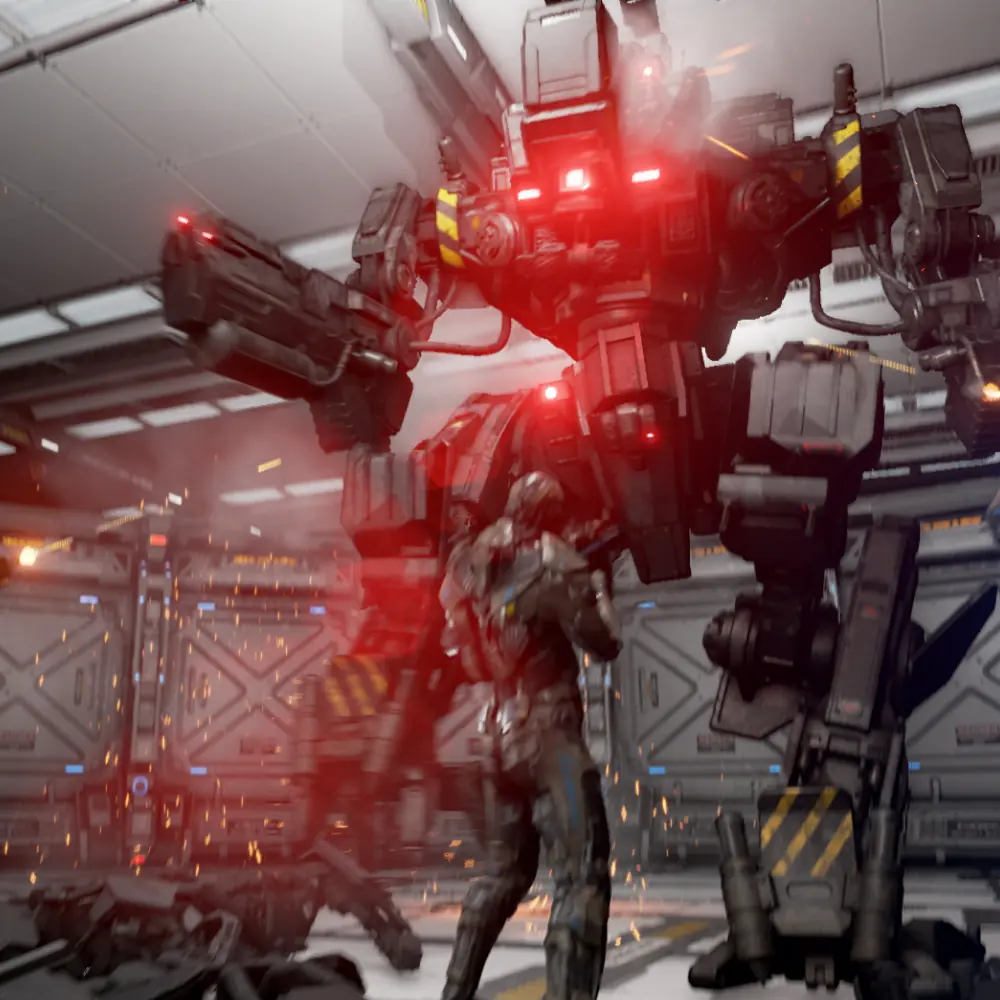
Terragame pairs a 500-square-meter physical play area with infrared motion tracking and spatial audio for team-based sessions of 4 to 6 players. Game-Ace delivered the environment, interaction model, and hardware integration for arcade and location-based deployment on Unreal Engine.
When to talk to Game-Ace about physical and casual VR/MR games
If a casual VR game, physical VR game, or mixed reality casual games title is on your roadmap, Game-Ace, a game development studio, can plug in as full-cycle production or as an embedded VR team. In-house Unity and Unreal specialists cover Quest 3 MR pipelines, PSVR2 delivery, and visionOS spatial builds. See VR game development, or bring in a specialist from Unity game development or Unreal Engine game development. Related reading: Oculus Quest game development and AR in games.
 VR casino development: how to build more immersive and engaging social games
 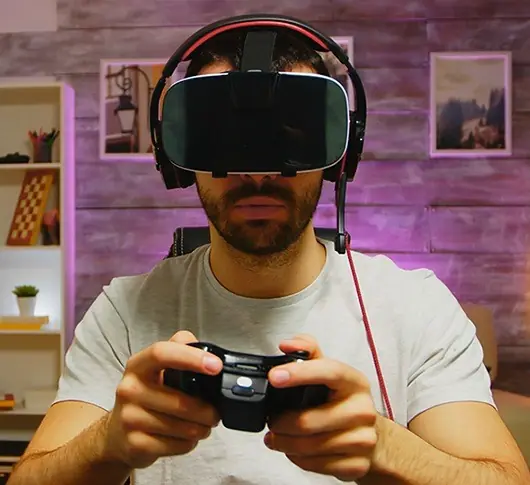 VR game development: a practical guide for studios
 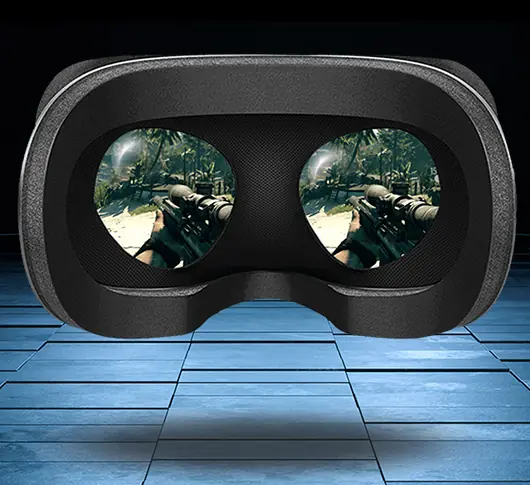 Oculus game development: cutaway view
  Oculus Quest game development: build for Meta Quest 2, 3, 3S and Pro
 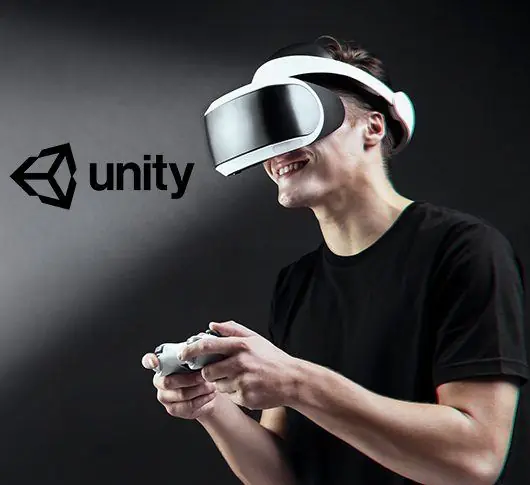 How to build a VR game in Unity