
The top gaming companies in USA span four practical groups: global publishers like EA, Activision Blizzard, and Take-Two; developer-owned studios such as Riot, Epic, and Rockstar; independent US-based studios; and outsourcing partners that plug into US teams. Which one fits depends on scope, IP model, and how much of the build stays in-house.
How the US game development market looks today
The United States remains the single largest consumer market for video games, with the Entertainment Software Association tracking a US player base well over 200 million and market research firms like Newzoo consistently placing US consumer spending among the top two globally. That base pulls in a deep network of publishers, developer-owned studios, mobile-first companies, and specialist service providers. For a B2B buyer, that depth is useful and confusing at the same time: the label "US game company" covers a $70B+ publisher and a five-person indie in Austin.
Two shifts matter for anyone shortlisting a partner. First, consolidation. Microsoft's acquisition of Activision Blizzard closed in 2023, Take-Two absorbed Zynga in 2022, and Embracer picked up several US-based studios earlier. Second, live-service and mobile now sit at the center of the US revenue mix, not premium single-player releases. That changes which studios are actually taking work-for-hire, which are locked into first-party roadmaps, and which are open to co-development.
If you are US-based and scoping a full-cycle game build, co-development, or team extension with a proven vendor, talk to Game-Ace. Read more on how work gets split: Game-Ace game development outsourcing services.
How to choose a US game development company
Match the company type to the job, not the other way around. A first-party studio owned by Sony or Microsoft will not take external work. A publicly listed publisher will only engage on a scope that fits its slate. Independent US-based studios take contract work but often only inside one genre. Outsourcing partners like Game-Ace exist specifically to plug into a client team on defined scope.
Four practical filters cover most shortlists:
- Scope fit: full production vs. a slice (art, engineering, QA, LiveOps).
- IP model: full IP transfer, joint IP, or licensed engine content.
- Engagement model: full-cycle, co-development, or team extension. See Game-Ace full-cycle game development.
- Cost tier: US-only teams at US rates vs. blended US + nearshore vs. fully outsourced.
Reference reading with concrete numbers: how much does it cost to make a video game.
Top US-based game development companies to consider
The list below is a factual snapshot of the most-cited US-based publishers and developer-owned studios buyers see referenced. It is not a ranking. It is a way to understand what each type of company actually does before you spend a week writing an RFP for a studio that will never respond.

Electronic Arts (EA)
Founded 1982, headquartered in Redwood City, California. EA is one of the largest publicly listed video game publishers in the world, with franchises across sports (EA Sports FC, Madden NFL), shooters, and Sims-style life sims. EA operates through internal studios and does not take external work-for-hire. Useful as a reference point for scale and franchise-driven production, not as a partner an outside team would engage directly.

Activision Blizzard
Activision was founded in 1979 and merged with Blizzard in 2008 to form Activision Blizzard. Microsoft completed the acquisition in 2023, so the company now sits inside Microsoft Gaming alongside Bethesda. HQ in Santa Monica, California. Portfolio spans Call of Duty, World of Warcraft, Diablo, and Overwatch. Like EA, it is a first-party operation; external partners typically engage through Microsoft procurement, not directly.

Take-Two Interactive
Founded 1993 in New York. Take-Two owns Rockstar Games, 2K, and (since 2022) Zynga. Rockstar's Grand Theft Auto and Red Dead Redemption franchises drive most of Take-Two's brand recognition; 2K runs sports and strategy titles; Zynga runs mobile and social. Take-Two's scale means outsourcing happens, but through structured vendor programs rather than open RFPs.

Riot Games
Founded 2006, headquartered in Los Angeles. Owned by Tencent since 2011. Best known for League of Legends and Valorant, plus the growing Arcane IP. Riot is a developer-owned studio focused on a small number of live-service franchises. Not a work-for-hire vendor.
Epic Games
Founded 1991 in Cary, North Carolina. Best known for Fortnite, the Epic Games Store, and Unreal Engine. Epic is both a game developer and an engine and platform provider, which makes it a common reference in any Unreal-related conversation. External teams engage with Epic mostly through Unreal Engine licensing and the Epic Games Store, not through direct game contracts.
Rockstar Games
Founded 1998 in New York, subsidiary of Take-Two Interactive. Rockstar is a developer-owned studio with a tight portfolio (GTA, Red Dead Redemption, Max Payne, Bully) and does not take external work.
Zynga
Founded 2007 in San Mateo, California. Acquired by Take-Two in 2022. Zynga runs mobile and social titles including FarmVille, Words With Friends, Zynga Poker, and the Toon Blast / Empires & Puzzles catalog from prior acquisitions. Reference point for the US mobile-first company profile.

Naughty Dog
Founded 1984 in Santa Monica, California. First-party subsidiary of Sony Interactive Entertainment. Best known for The Last of Us and Uncharted. Closed to external work-for-hire.

Insomniac Games
Founded 1994 in Burbank, California. Acquired by Sony in 2019. Best known for Ratchet & Clank, Spyro (early years), and Marvel's Spider-Man on PlayStation. Also first-party, not open to external contracts.
Bungie
Founded 1991 in Bellevue, Washington. Sony acquired Bungie in 2022 but the studio operates with published creative independence. Best known for Halo (Xbox era) and Destiny.
Independent US studios and outsourcing partners
Beyond the big names, the US market has a wide layer of independent studios (Double Fine before Microsoft, Supergiant, Uber Entertainment, Iron Galaxy, Certain Affinity) plus mid-size outsourcing houses (Keywords Studios' US operations, Zco, GameSim, Cubix, BR Softech, Art Bully Productions). These are the studios most likely to actually respond to an outside RFP. Related: top game development outsourcing companies.
Types of engagement models US studios offer
Engagement model matters more than logo. A brief from a US buyer usually maps to one of three shapes:
- Full-cycle production: vendor owns the build from GDD to launch. See Game-Ace full-cycle game development or hire game developers for scope references.
- Co-development: vendor and client share ownership of specific systems. Common when the client has a proprietary engine or codebase. See Game-Ace co-development.
- Team extension / staff augmentation: dedicated developers, artists, or QA plug into the client's sprint. See Game-Ace staff augmentation.
Full-cycle fits founders and publishers who need a turnkey build. Co-development fits studios with in-house tech that need scale on defined systems. Team extension fits US studios that hit hiring caps and need to add production capacity fast without a full RFP cycle.
US game company types compared
A practical view of what each type of US-based company actually offers.
| Type | Typical HQ pattern | Engagement | IP model | Cost tier | Best fit for |
|---|---|---|---|---|---|
| Major publisher | US HQ, distributed studios | First-party / closed | Publisher owns IP | Highest | Reference only; not a partner |
| Mid-size US studio | Single US HQ, 100-500 staff | Selective contract work | Joint or work-for-hire | High | US buyers with mid-scope premium builds |
| Indie US studio | Small US city or remote-first | Sometimes open to co-dev | Studio-owned or shared | Medium | Original IP, small teams, narrow scope |
| Outsourcing partner (e.g. Game-Ace) | Cyprus / EU HQ, works with US clients | Full-cycle, co-dev, team extension | Full IP transfer to client | Blended | US teams scaling production without US-only hiring |
How Game-Ace works with US-based clients
Game-Ace has worked with US-based clients on full production, art, and co-development since 2005. One engagement shows the range.
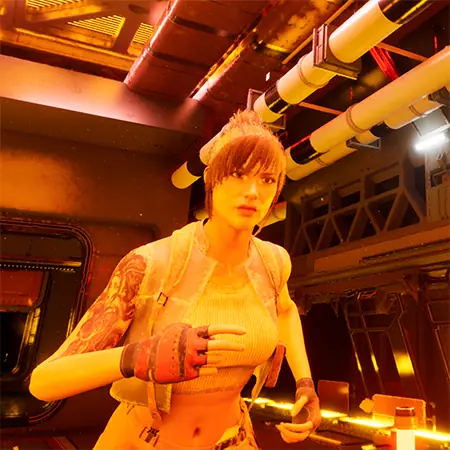
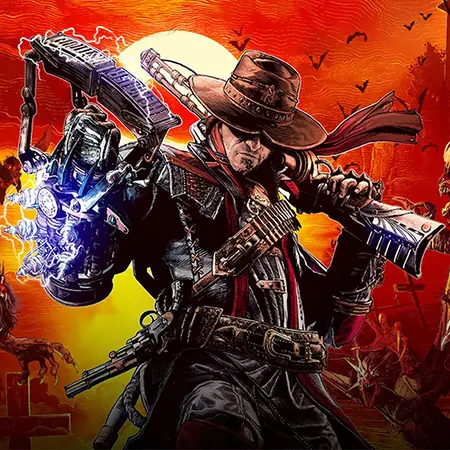
Welcome to Evil West, an Unreal Engine 4 shooter co-development by Game-Ace
Evil West is a third-person Unreal Engine 4 action shooter released by Focus Entertainment and developed by Flying Wild Hog. Game-Ace joined as a co-development partner over a 4-month engagement, debugging and refining the game's multiplayer features inside the existing Blueprint codebase.
When to talk to Game-Ace about a US game development project
If you are US-based and scoping a full-cycle game build, co-development, or team extension with a proven vendor, talk to Game-Ace. From its Cyprus HQ, Game-Ace's custom game development studio has served US clients on production, art, and engineering since 2005, with 120+ in-house specialists and 200+ shipped games behind it.
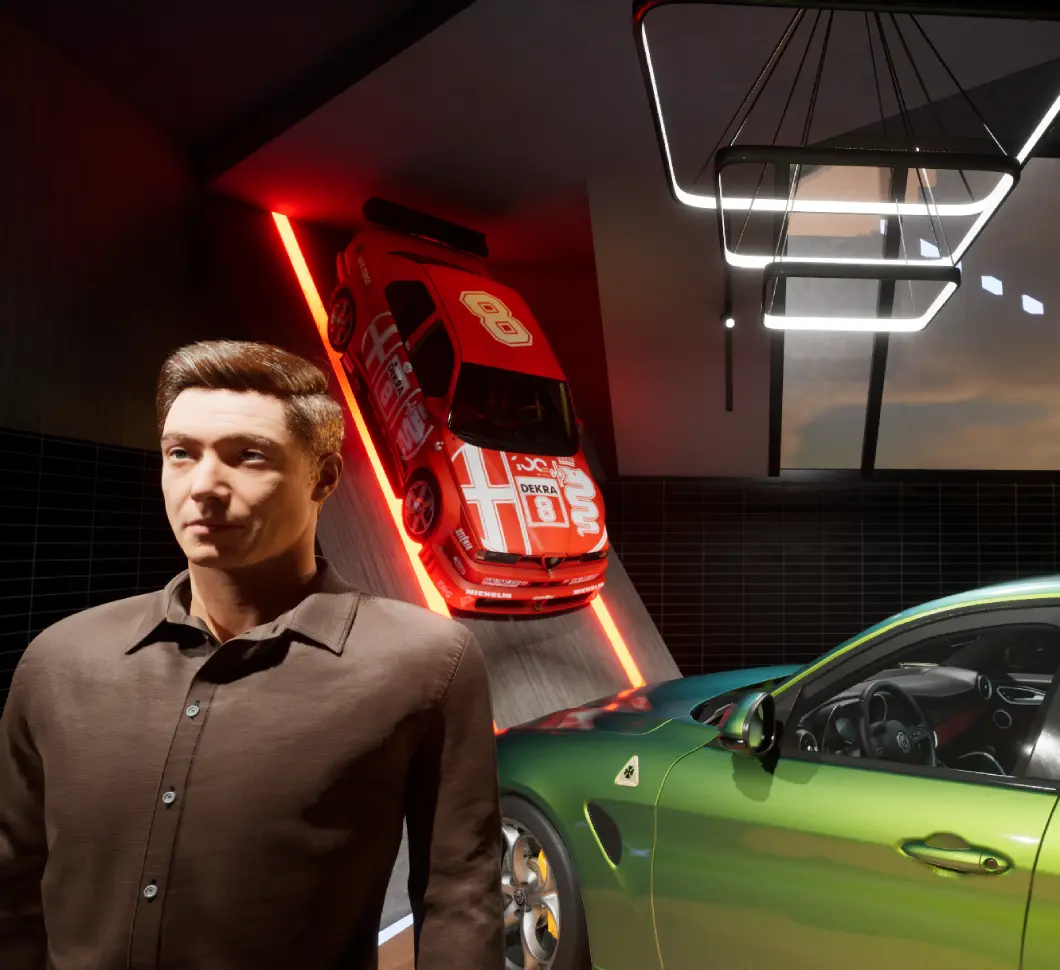 How MetaHuman changes game character development
  Game development for startups: budget and MVP guide
 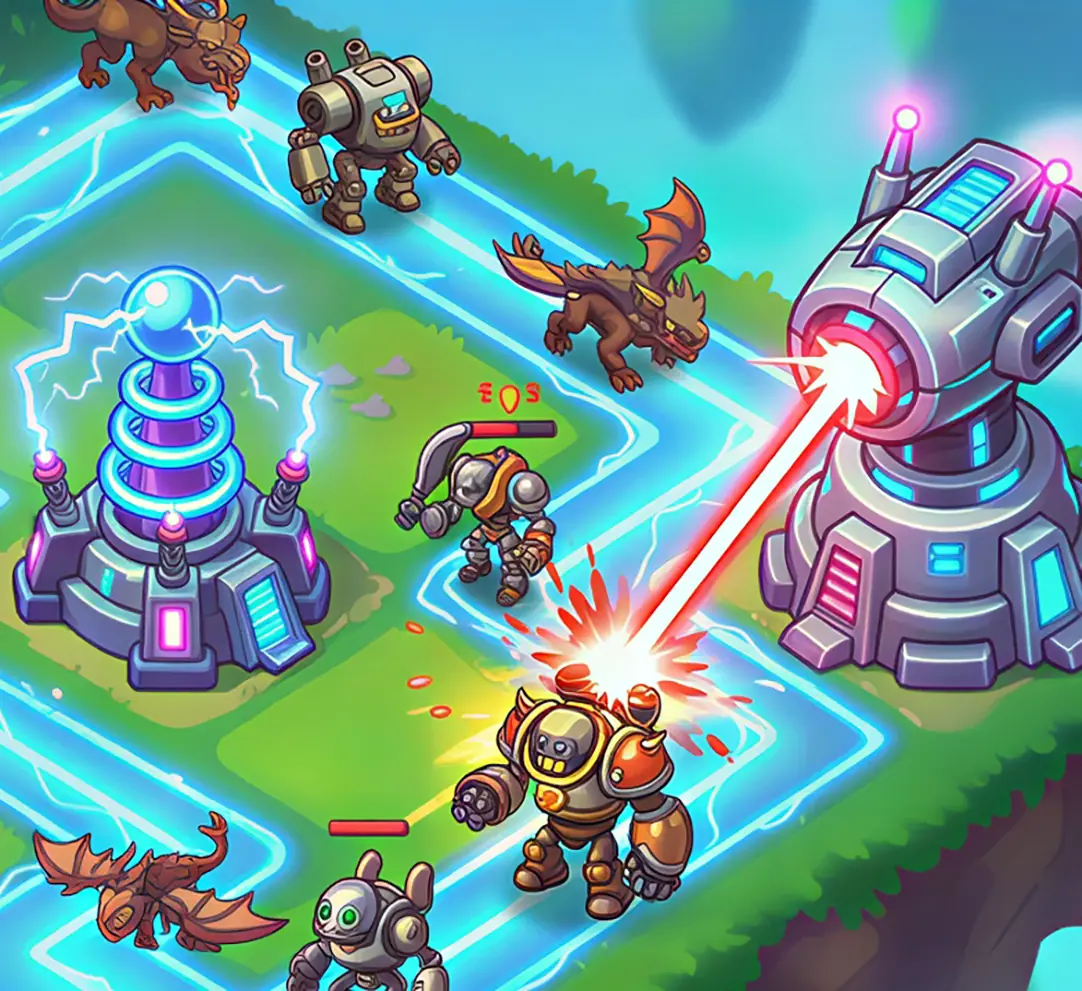 Engineering tower defense games from prototype to live service
 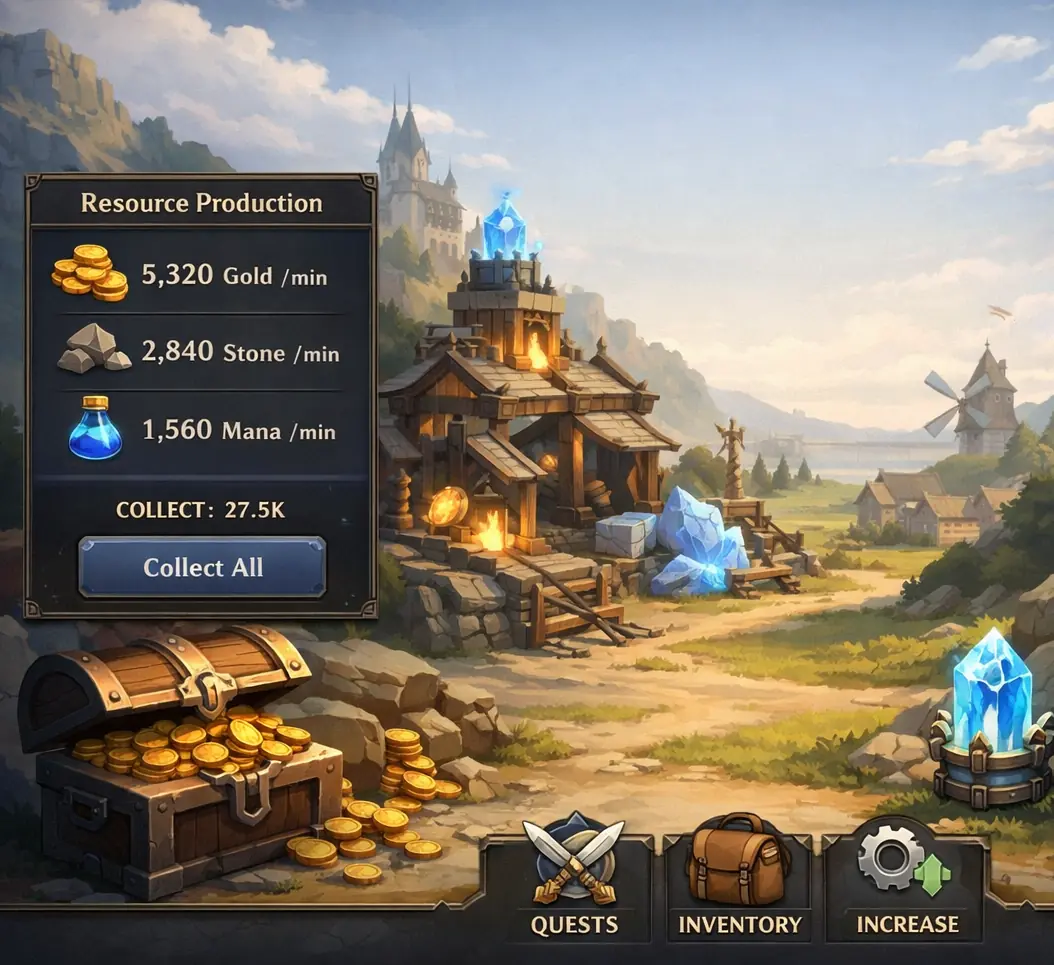 Idle game development: a full production guide
  Gamification in recruitment: what actually works