Studios scoping game artists for hire have four working options in 2026: freelance marketplaces, in-house local hires, outsourcing studios, and team extension. Each model targets different scope, budget, and pipeline-integration needs. The choice usually depends on whether the project needs a single asset pass, a long-running content pipeline, or a co-located art lead working inside an internal team.
Where to find game artists for hire today
Most production teams source game artists for hire through three channels: freelance portals for short scope, dedicated outsourcing studios for sustained content production, and direct hire for in-house roles. A fourth path, team extension, sits between outsourcing and direct hire.
Portfolio platforms still anchor the discovery step. ArtStation remains the default reference for game and VFX talent, with filterable galleries that surface concept, character, environment, and VFX specialists by style. Behance covers 2D, UI, and illustration with strong discovery for stylized work. Recruiters then validate candidates through paid platforms, regional job boards, or LinkedIn outreach. For broader context on outsourcing decisions, the game art outsourcing guide walks through the standard scoping flow.
Common entry points producers use:
- Portfolio platforms: ArtStation and Behance for individual artist discovery.
- Freelance marketplaces: Upwork, Toptal, Fiverr Pro for short scope or pre-vetted talent.
- Outsourcing studios: Vendor lists from LinkedIn, Clutch, GameDev.net, or referrals.
- Direct recruitment: In-house TA team plus regional job boards.
- Team extension partners: Outsourcing studios that embed artists inside the client pipeline.
Which game artist roles to scope first
Hiring decisions get easier once the role is named precisely. A "game artist" can mean a concept artist sketching mood boards, a 3D character modeler shipping engine-ready meshes, an environment artist building greybox-to-final pipelines, a VFX artist owning Niagara or Unity VFX Graph systems, a UI artist designing menus and HUDs, or a technical artist bridging the art and engineering teams. Mixing roles in one job posting is the most common reason hires stall, because the candidate funnel splits across incompatible portfolios.
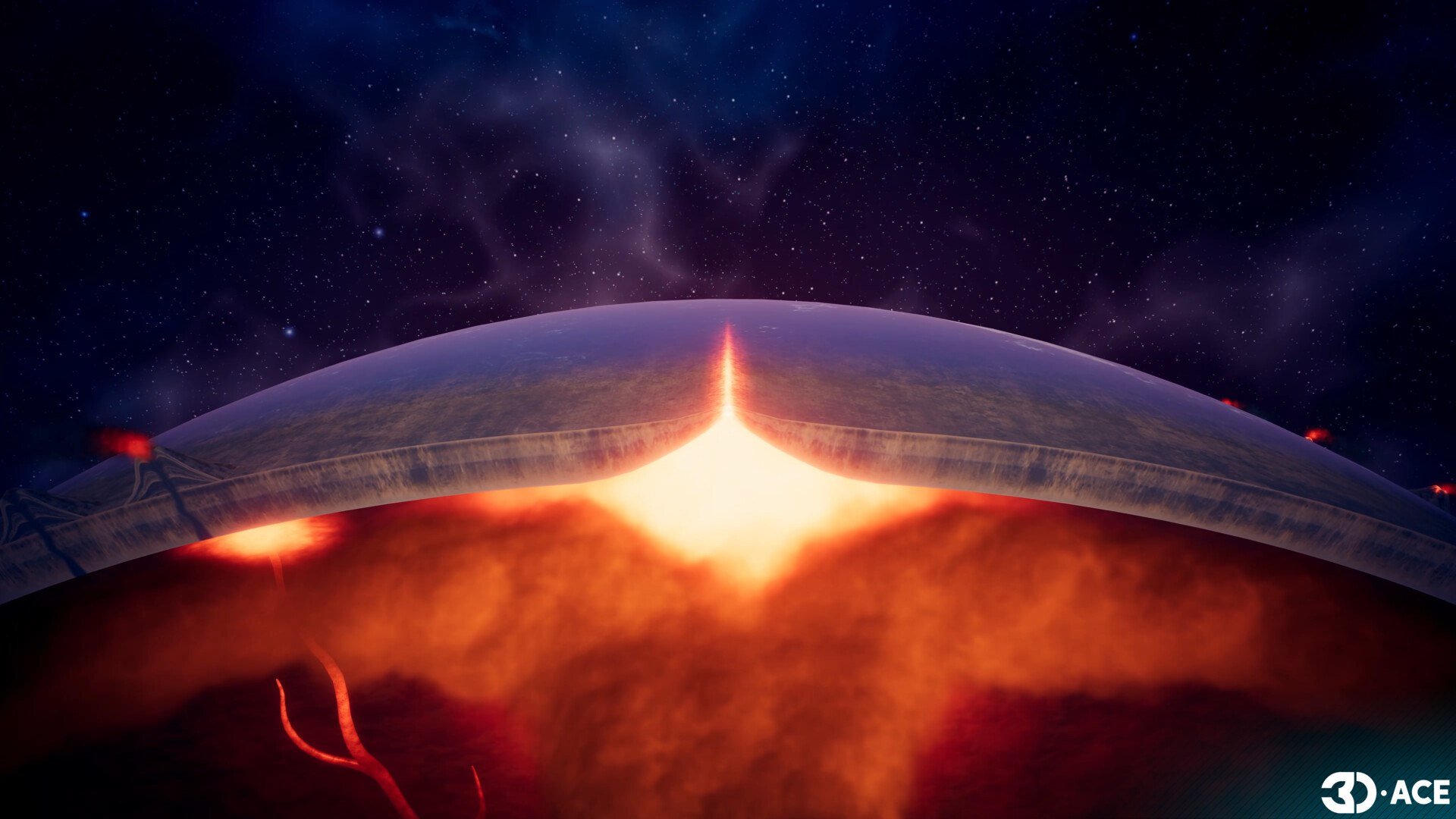
Producers who post specific role scope (2D character vs 3D environment vs VFX vs UI) get cleaner shortlists. For deeper role breakdowns, the video game art styles overview covers style families, and the hire 2D artists page lists the typical 2D scope buckets Game-Ace handles. Game-Ace's 120+ in-house team covers concept, 2D, 3D, character, environment, VFX, UI, and technical art under one production roof, which is what most studios actually need when they post "looking for a game artist for hire".
Most common role splits in a real production team:
- Concept artist: Early visual direction, mood boards, character and environment sketches.
- 2D artist: UI, icons, sprites, illustration, marketing key art.
- 3D modeler: Hard-surface or organic models, low and high poly.
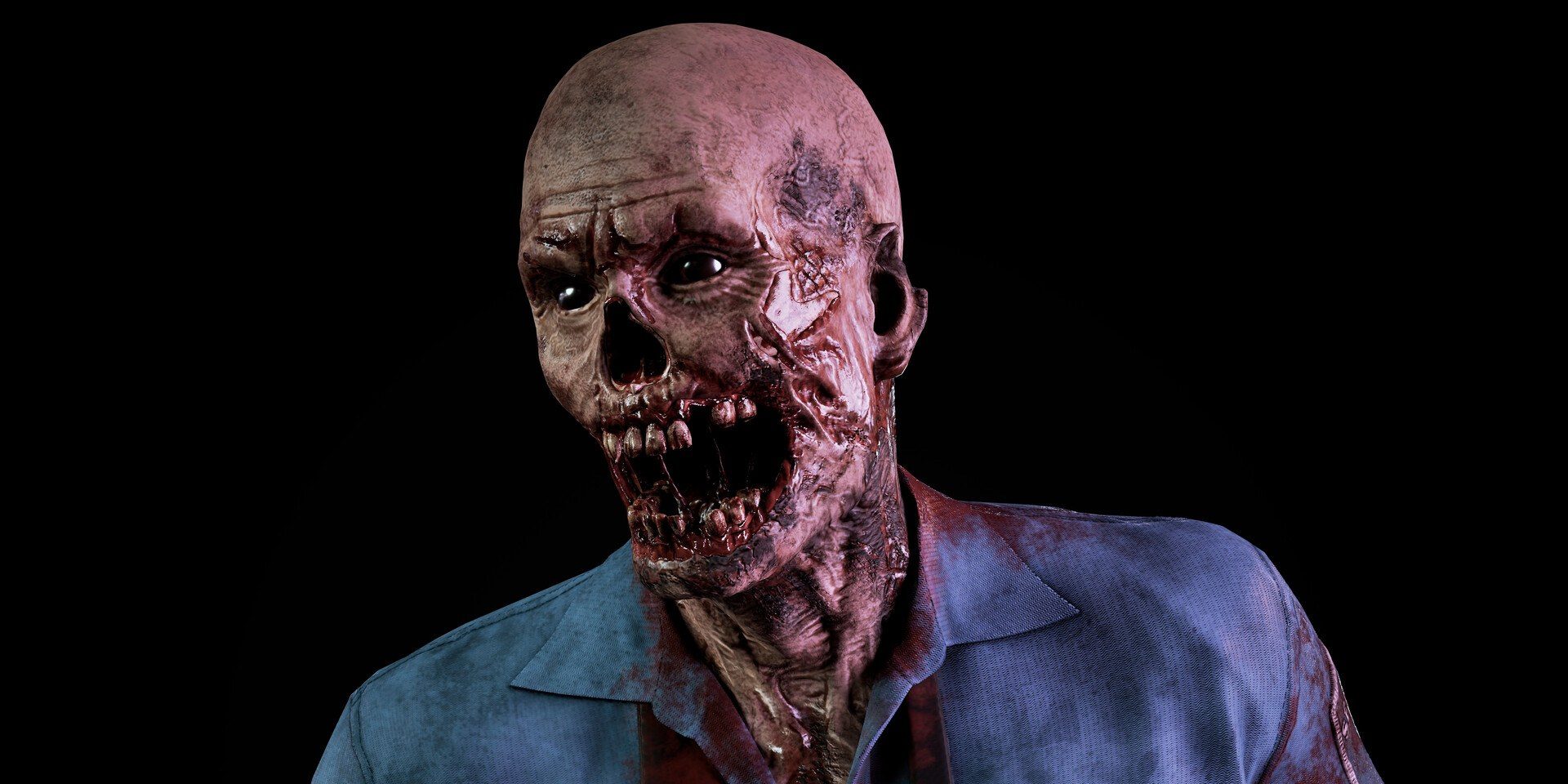
- Character artist: Full pipeline from concept to rigged, textured mesh.
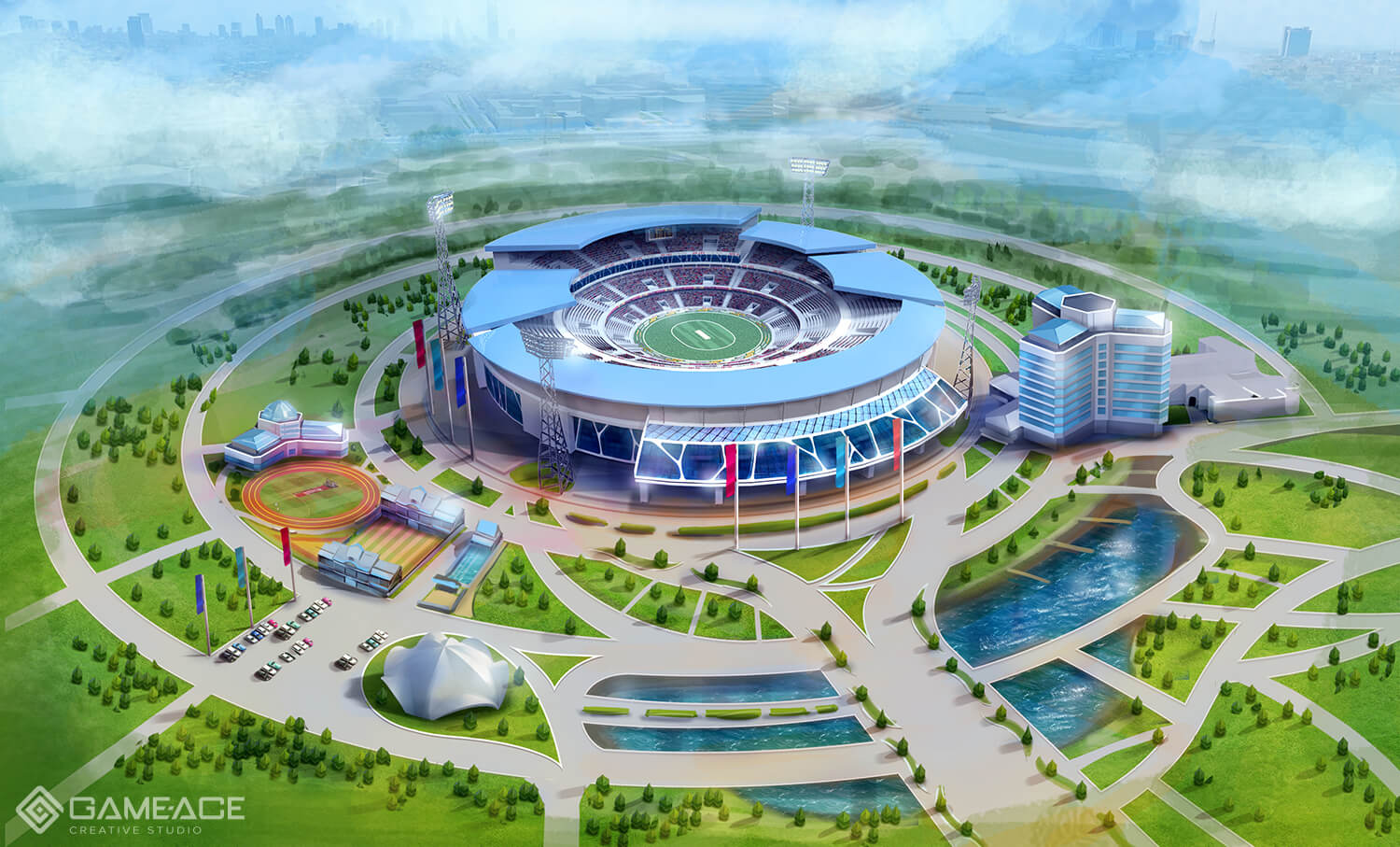
- Environment artist: Modular kits, terrain, set dressing, greybox-to-final.
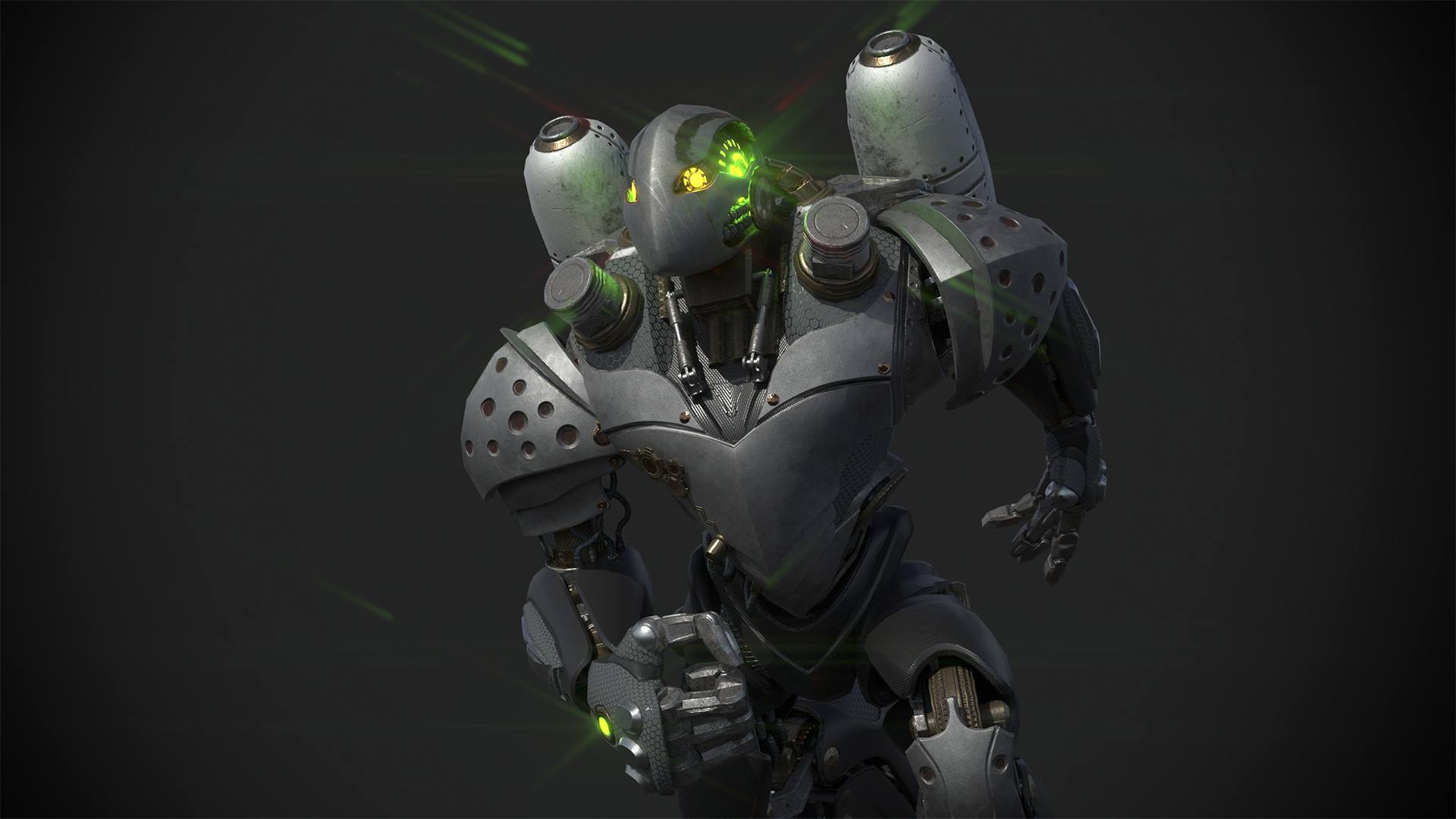
- VFX artist: Particle systems, shaders, real-time effects in Unity or Unreal.
- UI/UX artist: Interface flow, HUD, menus, accessibility states.
- Technical artist: Shaders, tools, pipeline, art-to-engine bridge.
Engagement models: freelance, studio, in-house, team extension
Producers usually weigh four engagement models when they list game artists for hire. Freelance suits a sharp, bounded asset request: a small icon pack, a single character, a short concept set. An outsourced studio works when the scope is content-heavy and multi-discipline, because vendor leads can balance artists across the brief. In-house hires make sense when the role is part of long-term studio direction and the candidate sits inside the daily standup. Team extension is the middle path: outsourced artists embed inside the client pipeline, use the client's Jira and source control, and report to the internal art director. The right model depends on production cadence, budget, and how tightly the art needs to sit next to the engine team.
| Model | Best fit | Ramp-up | Scalability | IP control | Typical billing |
| Freelance | Short, bounded asset pass | 1–3 days | Hard to scale across roles | Per-contract clauses | Hourly or fixed-price |
| Outsourced studio | Multi-discipline content batches | 1–2 weeks | Strong: vendor balances roles | Full IP transfer on delivery | Per-asset or monthly retainer |
| In-house hire | Long-term studio direction | 4–8 weeks | Slow: depends on recruitment | Direct employment | Monthly salary |
| Team extension | Long content pipeline inside client team | 1–3 weeks | Strong: vendor scales team up or down | NDA + IP transfer per contract | Monthly rate per FTE |
What 2D and 3D game artists for hire actually cost
Pricing depends on role, seniority, and engagement model. Below are working ranges most producers see in 2026.
Freelance 2D artists land at $25–$60 per hour for mid-level work, and $60–$120+ for senior concept or character art. 3D modelers usually price per asset: a stylized prop sits at $80–$300, a mid-detail character at $1,200–$3,500, a hero character at $5,000–$15,000 with rig and textures. Eastern European outsourcing studios bill around $25–$45 per artist hour for mid-level, $45–$70 for senior. In-house EU mid-level salaries sit at €2,500–€5,000 monthly. US in-house mid-level lands at $80K–$140K annually.
Rate is only one input. The hidden costs are recruitment time (4–8 weeks for in-house), management overhead (a freelancer needs a dedicated coordinator), and rework risk on unvetted talent. Game-Ace's pricing typically falls inside the studio-rate band, with delivery scoped per asset or per sprint depending on what the client prefers.
How to onboard outsourced game artists into an internal pipeline
Pipeline integration is where most outsourced art arrangements either work or fall apart. The first sprint sets the tone. Onboarding should focus on style alignment, file-format alignment, and review cadence.
A working onboarding kit for outsourced artists usually covers the engine version and target platforms, the style guide and reference board, the asset specification (polycount budgets, texture sizes, naming conventions, UV layout rules), the source-control workflow (Perforce, Git LFS, or Plastic SCM), the review pipeline (who signs off concept, mid, and final art), and the build pipeline if assets need to land in CI. Game-Ace's art team runs a kick-off review with the client art director before the first asset, then a paid test asset to confirm style and budget compliance. After that, sprints follow the client's cadence, usually a weekly art review with art director and producer. Artists join the client's Slack or Teams channel and Jira board. Full IP transfer and NDA are signed before access is granted.
A working onboarding kit should cover:
- Engine version and platforms: Unity, Unreal, mobile, PC, console, web, or XR targets.
- Style guide and reference board: Visual benchmarks, proportions, palette, material logic, and mood.
- Asset specification: Polycount budgets, texture sizes, naming conventions, and UV layout rules.
- Source-control workflow: Perforce, Git LFS, Plastic SCM, or the client's internal setup.
- Review pipeline: Clear sign-off points for concept, mid-stage, and final art.
- Build pipeline: CI and engine-import rules if assets need to land directly in builds.
Questions to ask before hiring game artists
A short review list helps producers compare freelance, studio, in-house and team extension options before signing a contract.
Short list of working questions:
- Which engine versions has the artist shipped to (Unity, Unreal, custom)?
- Can the portfolio show assets at the target polycount and texture budget?
- What is the review and revision cadence per asset?
- Who owns the source files after delivery, and what formats are included?
- What is the NDA and IP transfer setup?
- Can the artist or studio scale to additional roles inside the same contract?
- What is the replacement policy if an artist underperforms or leaves?
- How are sprint reports and progress shared with the client team?
Game art case study from Game-Ace
One Game-Ace case shows how outsourced game artists can support 3D environment art, character integration and engine-ready asset delivery for an action title.
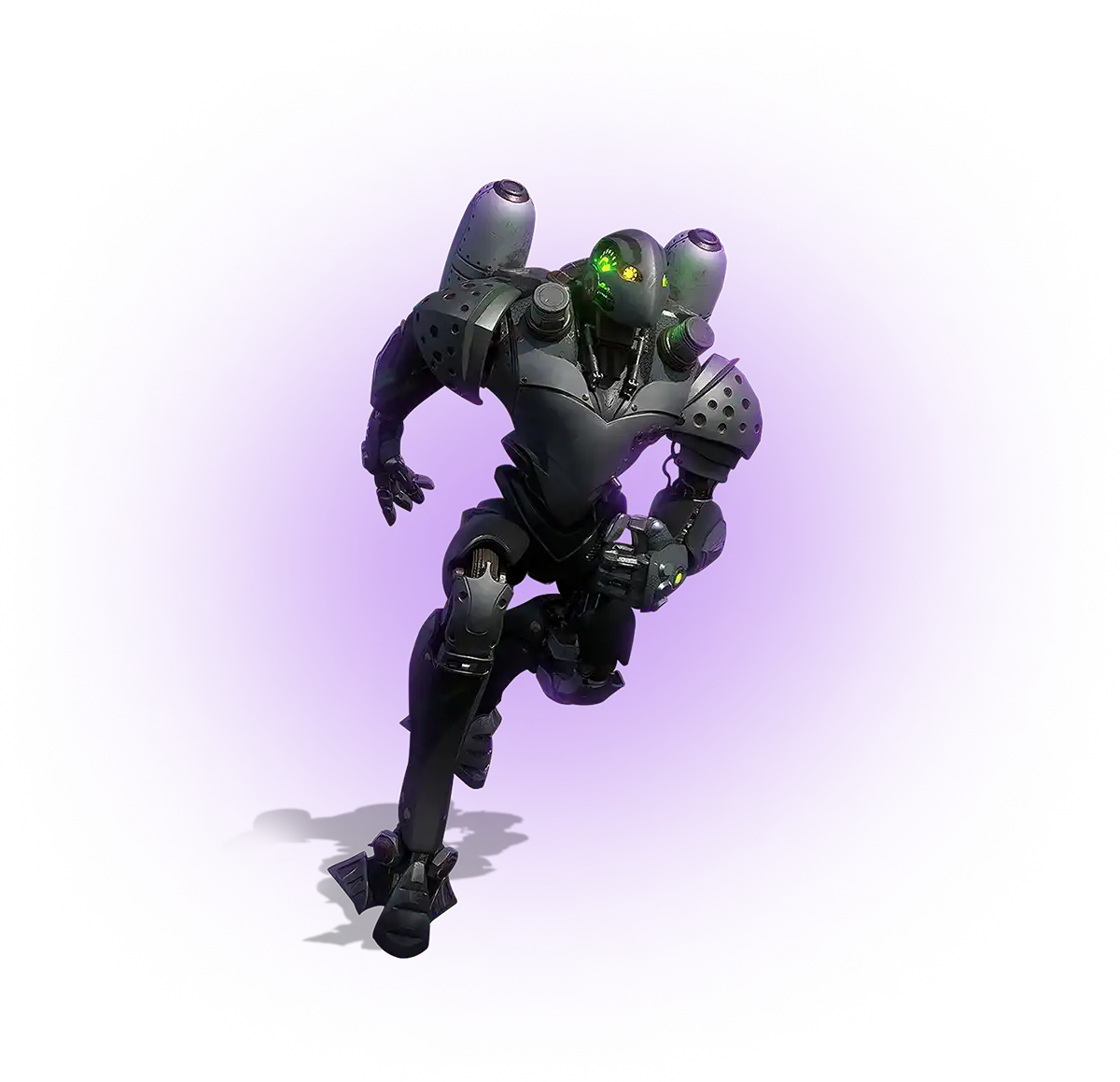
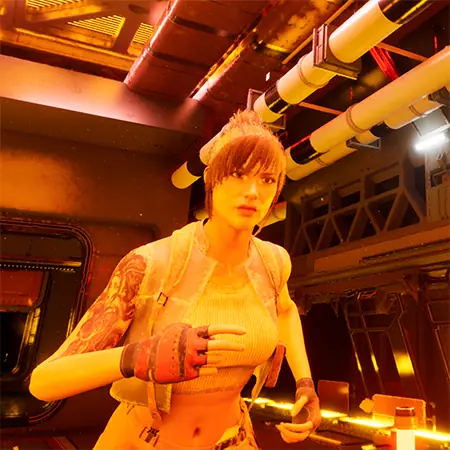
Welcome to Skyscraper, a third-person action title by Game-Ace
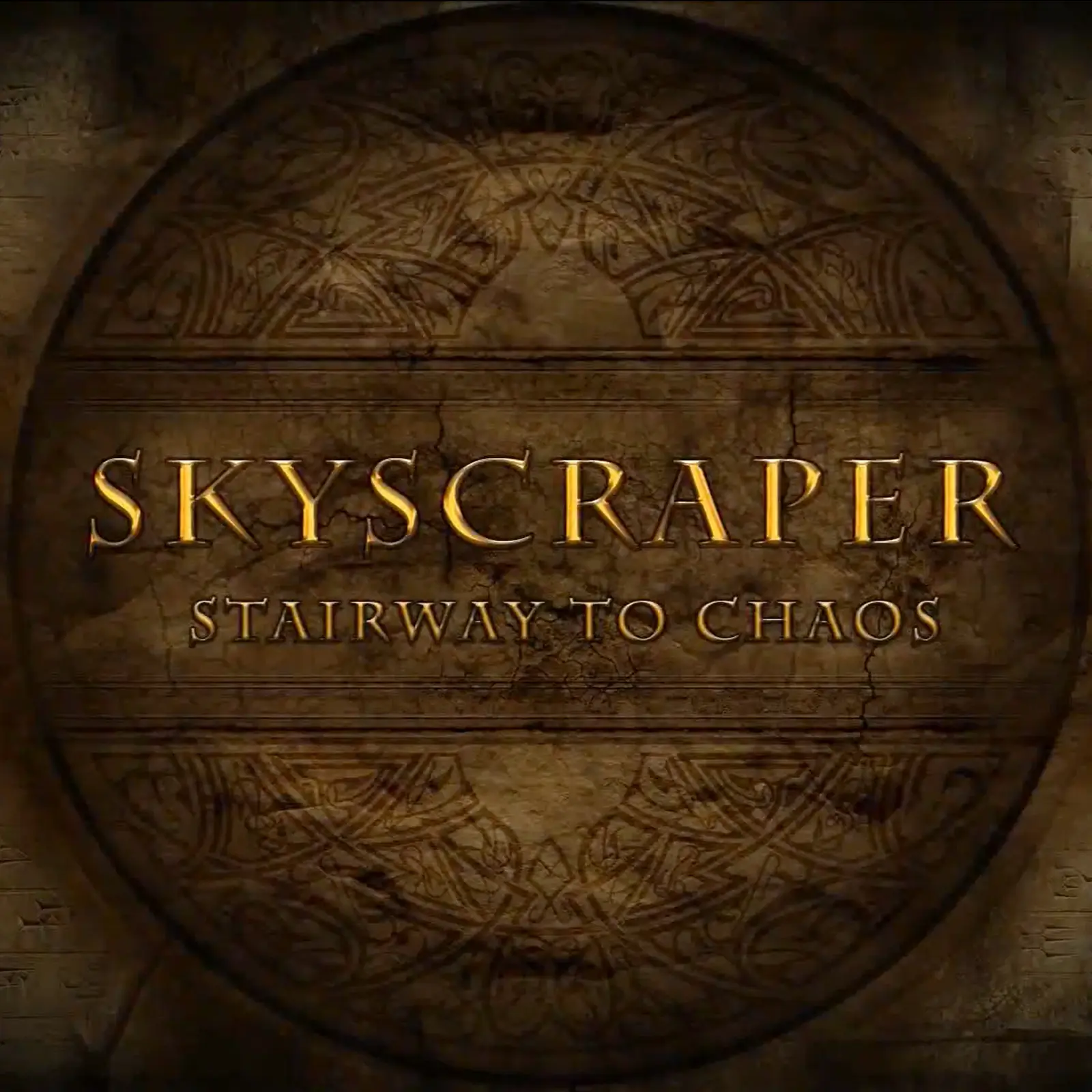
Skyscraper is a third-person action game built around vertical traversal and combat. Game-Ace handled 3D environment art, character integration, and engine-ready asset delivery, with assets scoped to fit the client's performance budget.
Planning your game art team with Game-Ace
If you are scoping a 2D art set, a 3D character pipeline, or co-development on art direction with your in-house team, talk to Game-Ace. With 21 years on the market, 120+ in-house specialists, and 200+ delivered games, Game-Ace's custom game development studio handles full-cycle art delivery, co-development, and team extension under one production roof.
 How MetaHuman changes game character development
  Game development for startups: budget and MVP guide
  Engineering tower defense games from prototype to live service
  Idle game development: a full production guide
  Gamification in recruitment: what actually works