
A game porting team is a specialist group that moves an existing game to a new platform without rewriting it from scratch. In practice, a game porting team owns engine work, input remapping, rendering path changes, platform certification, and QA on the target device matrix. Studios hire one when the internal team is busy with live ops, when the target platform (Nintendo Switch, iOS, or WebGL) needs skills the core team does not carry, or when a certification deadline is fixed. See Game-Ace game porting services for scope and engagement models.
What a game porting team actually does
A game porting team takes a shipped or near-shipped build and adapts it to run, pass certification, and perform on a platform it was not originally built for. The work is rarely a one-line recompile. It touches input handling, rendering, memory budgets, save systems, storefront SDKs, and build pipelines. On mobile targets, the team also reworks controls, resolution handling, and battery behavior. On console targets, the team handles TRC or TCR compliance, controller conventions, and platform-owner submission requirements.
The team usually starts with a porting audit: a build review that lists engine version, third-party plugins, shader complexity, memory footprint, and any code that will not compile on the target SDK. The audit becomes the scoping document for the port itself.
Planning a port to Switch, mobile, WebGL, or a cross-engine migration?
When to hire a porting team vs extend your studio
Hire a dedicated game porting team when the target platform sits outside your studio's core skill set, when a certification window is fixed, or when the internal team is already committed to live ops or the next title. Common triggers: a PC-first studio adding Nintendo Switch, a mobile studio releasing a Steam version, or a Cocos-based HTML5 game migrating to Unity for wider distribution.
Extend the internal team instead when the port is small in scope and the studio already ships on the target platform. In borderline cases, a co-development split works: the porting team owns platform work, and the internal team owns any content changes.
Types of game porting projects
Not all ports are the same. Scope, risk, and cost depend on the direction of the port and whether the engine changes. A game porting team scopes each type differently.
- Mobile to PC: resolution scaling, input remap for keyboard and mouse, Steam SDK integration, save migration.
- PC to Nintendo Switch: memory reduction, shader downgrade, docked and handheld modes, Nintendo Lot Check submission.
- PC to mobile: touch controls, thermal throttling, package size, storefront metadata, IAP integration.
- Desktop to WebGL or HTML5: WebGL 2.0 compatibility, asset streaming, texture compression, load time budgets.
- Cross-engine porting (for example Cocos to Unity, or Flash to Unity): rebuild of gameplay code, asset re-import, shader rewrite.
- Console to console (PS to Xbox, or Switch to Steam Deck): SDK swap, controller conventions, achievement mapping.
Typical team roles on a game porting team
A production-ready game porting team is small but senior. Roles overlap on smaller projects and split on larger ones.
- Engine engineer: owns the engine version upgrade, plugin compatibility, and low-level runtime issues.
- Graphics engineer: reworks the rendering path for the target GPU, adjusts shaders, and profiles frame time.
- Platform specialist: owns the target SDK, storefront integration, save systems, and platform-specific APIs.
- TRC or TCR compliance specialist: reads platform-owner requirements and walks the build through pre-cert checks.
- QA lead: owns the device matrix, test plans, and bug triage during cert submission cycles.
- Producer: owns milestone tracking, cert submission dates, and communication with the platform holder.
Platform certification: what actually happens
Certification is the single biggest schedule risk on any port. Each platform holder has a documented submission process and a list of requirements the build must meet before it is accepted for sale.
Nintendo Lot Check covers technical requirements (crash handling, sleep behavior, controller conventions) and content policy. Submissions are handled through the Nintendo Developer Portal. PlayStation and Xbox certification cover trophy or achievement systems, HDR handling, controller expectations, and save data behavior. Steam uses a lighter Steam Direct process, with technical review handled by the developer through Steamworks documentation. Apple App Review enforces its App Store Review Guidelines. Google Play enforces its Play Console policies.
A game porting team plans two submission cycles into the schedule. First submission usually returns with fixable issues. Resubmission adds one to three weeks depending on the platform.
Input abstraction: controller, touch, keyboard and mouse
Every port that changes input device also changes how the player thinks. A game porting team writes or reuses an input abstraction layer so the same game logic runs against controller, touch, or keyboard and mouse without branching gameplay code. On mobile ports, the team adds gesture recognition, virtual joystick handling, and haptics. On PC ports of mobile games, the team adds mouse hover states, right-click menus, and keyboard shortcuts. On console ports, the team maps every action to the platform-standard controller layout and passes the platform holder's controller compliance checks.
Rendering path adjustments
The rendering path is where most porting hours go. GPU capabilities, memory bandwidth, and shader model differ across platforms. A porting team rewrites shaders that use unsupported features, swaps forward and deferred paths where the target GPU prefers one over the other, and reduces post-process cost on mobile and Switch targets.
For Unity projects, the porting team often switches between Built-in, URP, and HDRP based on the target. For Unreal projects, the team tunes scalability groups, disables Nanite or Lumen where the platform does not support them, and profiles with the platform-specific GPU tools.
Performance targets per platform
Every platform has a de facto performance target the port must hit before certification. Missing the target is the second biggest reason ports slip.
| Port type | Typical cost | Timeline | Cert complexity | Main risk |
|---|---|---|---|---|
| Mobile to PC (Steam) | €25,000-€60,000 | 2-4 months | Low (Steam Direct) | Input remap, save migration |
| PC to Nintendo Switch | €60,000-€150,000 | 4-7 months | High (Lot Check) | Memory, shader, Lot Check pass |
| PC to mobile (iOS + Android) | €50,000-€120,000 | 3-6 months | Medium (App Store, Play) | Touch controls, thermal, IAP |
| Desktop to WebGL / HTML5 | €20,000-€50,000 | 2-4 months | None | Load time, memory, browser gaps |
Cross-engine ports (for example Cocos to Unity, or Flash to Unity) sit above the ranges above because gameplay code is rewritten rather than adapted.
Build automation and QA on the device matrix
A game porting team sets up per-platform build pipelines on day one. Manual builds slow down QA and hide integration bugs. Typical setup: Jenkins, TeamCity, or GitHub Actions running nightly builds for each target platform, with automated smoke tests and asset validation. For teams shipping on multiple stores, the pipeline uploads signed builds directly to TestFlight, Google Play internal testing, Steam beta branches, and platform-holder dev kits.
Device matrix QA is what separates a port that passes cert on the first attempt from one that does not. For mobile, the matrix usually covers 8-12 devices spanning low, mid, and high-end tiers across iOS and Android. For Switch, testing covers both handheld and docked. For PC, the matrix covers common GPU tiers plus Steam Deck. QA runs regression cycles after each engine or plugin change and files bugs against the platform-holder pre-cert checklist alongside functional bugs.
Game-Ace porting and multi-platform cases
This recent Game-Ace project shows the engineering work that sits behind a porting-capable team.
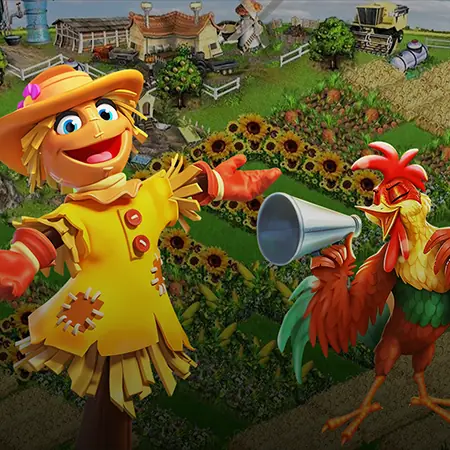
Welcome to Farmerama, a Flash-to-Unity port by Game-Ace

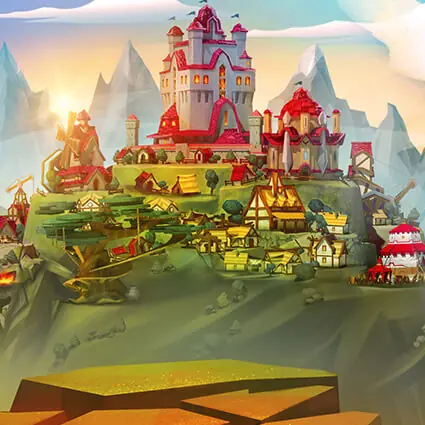
Farmerama is a long-running farm sim that Game-Ace ported from Flash to Unity, translating every existing game mechanic to the new engine without breaking the live player base. The scope covered engine migration, a curated tech stack (Unity, Docker, Git and SVN), and ongoing QA across the transition.
IP and source code handoff
Every serious porting engagement is covered by NDA and includes full IP transfer of the port-specific work at delivery. The porting team returns the source project (engine version, plugins, build scripts), signed builds for each target, the cert submission documentation, the device matrix QA report, and any platform-holder correspondence.
For studios that plan post-launch patches internally, the porting team runs a knowledge transfer session on the build pipeline, platform SDK usage, and known-issue backlog before final invoice.
Related reading
See our Unity vs Unreal engine comparison for engine-side porting decisions, and the cross-platform mobile game development guide for the mobile-specific side of this scope.
When to talk to Game-Ace about a game porting team
Talk to Game-Ace when the target platform sits outside your studio's core stack, when Nintendo Lot Check or console certification is on the schedule, or when a live game needs a new client without pausing live ops. Game-Ace's custom game development studio has run porting and multi-platform delivery for PC, Switch, mobile, and browser targets, with in-house engine, graphics, and QA specialists on the same team.
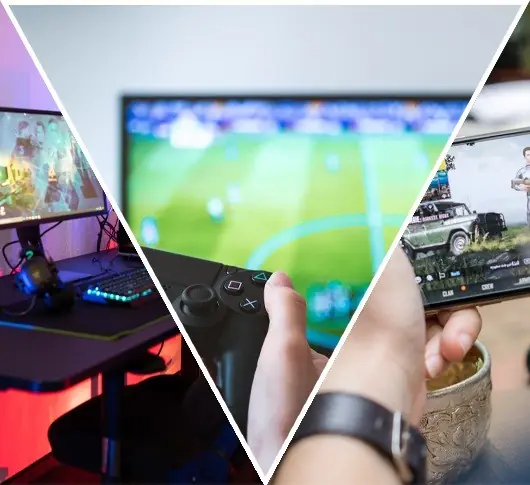 How does game porting actually work
 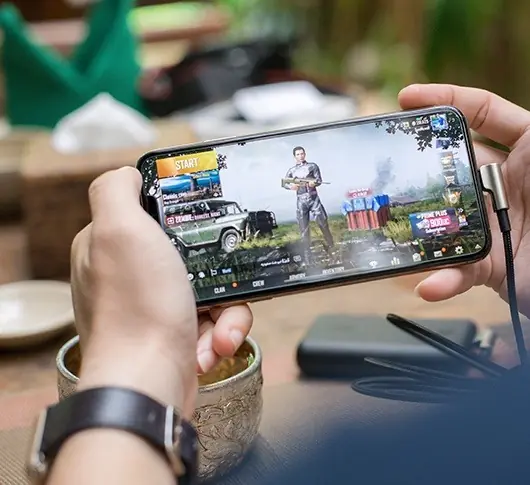 Porting games to Android and iOS: what it takes