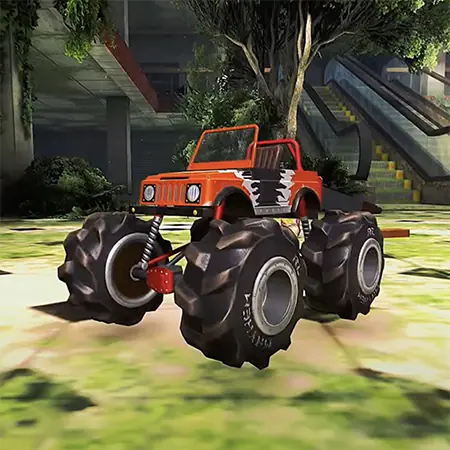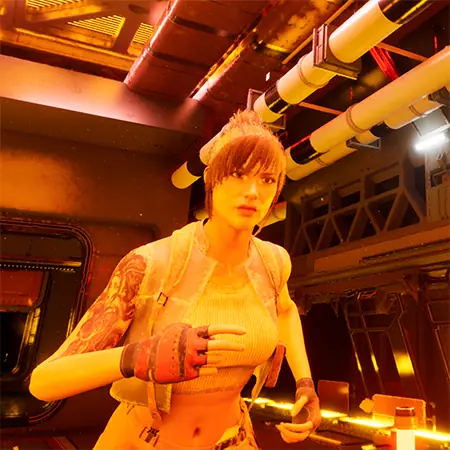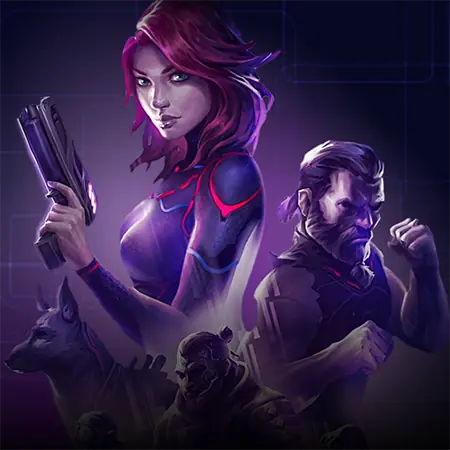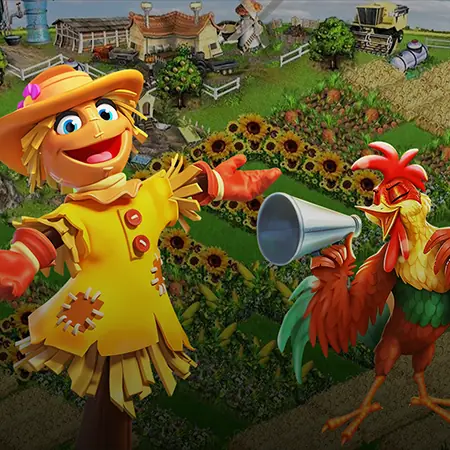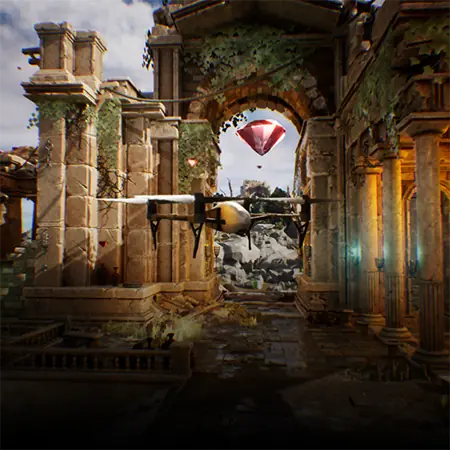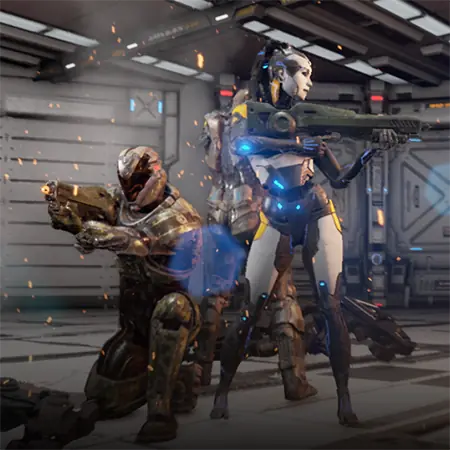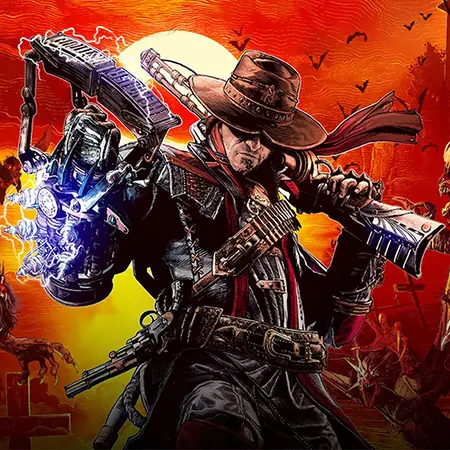

Creating video game art means running an end-to-end production pipeline: concept art, 2D or 3D asset creation, texturing, rigging, animation, VFX, and engine integration. A typical project moves from art direction and style guide, through modeling and texturing in tools like Blender, Maya, ZBrush, and Adobe Substance 3D Painter, into rigging and animation, and finally into Unity or Unreal Engine as FBX or glTF assets ready for the build.
If you are scoping video game art production, from a single character to a full art package, talk to Game-Ace.
The art disciplines behind a game
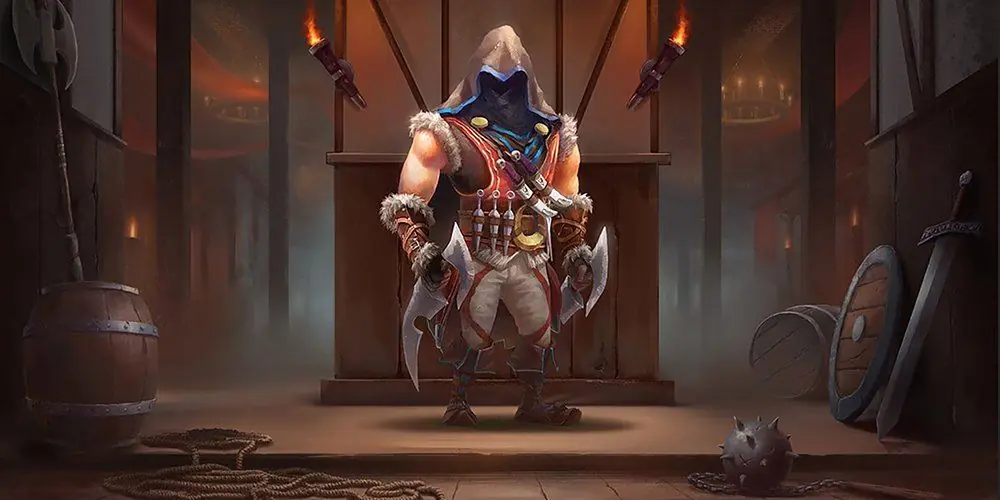
Video game art is not a single craft. A shippable game brings together concept art, character art, environment art, prop art, UI and iconography, marketing art, technical art, animation, and VFX. Each discipline has its own tools, review loop, and handover format. On smaller projects one artist can wear several hats. On mid-sized productions the roles split, with an art director owning the style guide and a lead artist owning quality control.
- Concept art defines characters, environments, props, and mood before production.
- 2D art covers UI, icons, marketing key art, and full-2D game assets.
- 3D art covers models, textures, materials, and shading.
- Rigging and animation bring characters and props to life inside the engine.
- VFX and technical art cover shaders, particle systems, and performance tuning.
The concept-to-engine pipeline for video game art
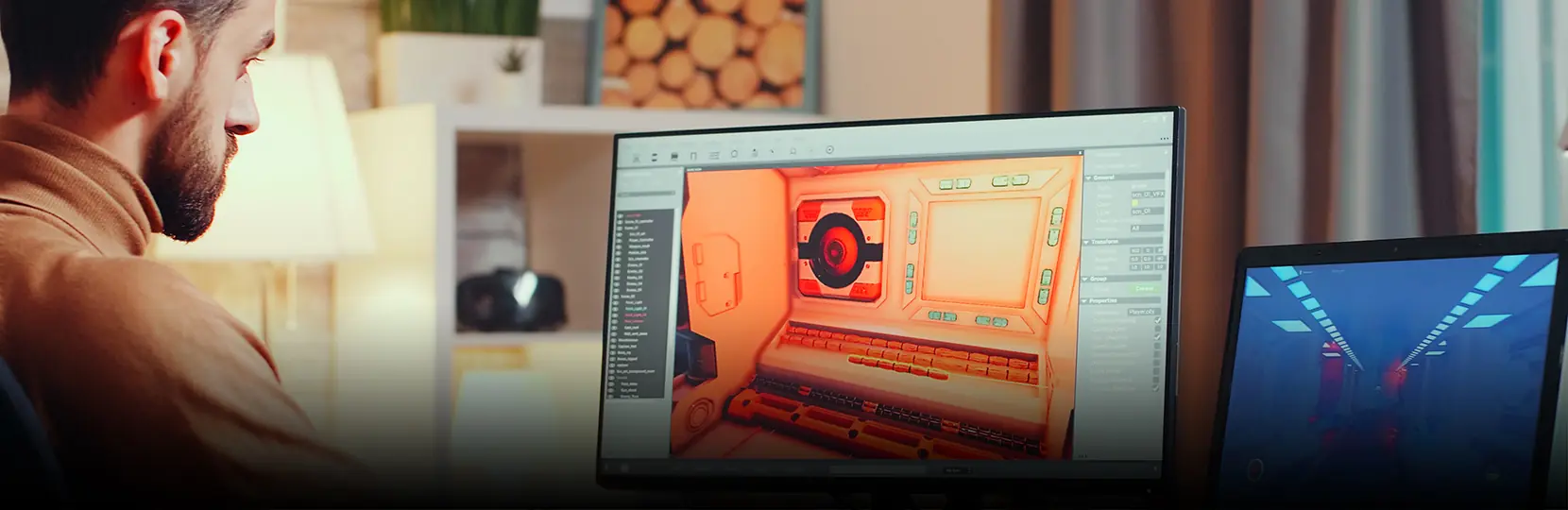
Every video game art asset moves through the same core pipeline. Pre-production sets the art direction. Concept art locks the visual target. Modeling and texturing build the asset. Rigging and animation add motion. VFX and shading add polish. QA and engine integration close the loop. Skipping a stage almost always shows up later as rework in production. A tight pipeline document, agreed before production starts, defines asset naming, polycount and texture budgets, rig standards, animation frame rates, export settings, and the engine folder structure.
Game-Ace runs this pipeline across game art design, 2D game art, and 3D modeling, with in-house animation, rigging, and technical art on the same team.
2D vs 3D art production
The choice between 2D and 3D game art shapes the whole production plan. 2D pipelines are usually faster per asset, cheaper to iterate, and lighter on hardware. 3D pipelines carry higher upfront cost, but scale better for camera-driven gameplay, cinematic moments, and cross-platform reuse. 2D projects lean on Photoshop for painting, Spine or Adobe Animate for rigged 2D animation, and Aseprite for pixel art. 3D projects lean on Blender or Maya for modeling, ZBrush for high-poly sculpting, Substance 3D Painter for texturing, and Marmoset Toolbag for baking and material previews. Hybrid pipelines are common, and the choice depends on genre, camera, target platform, and art budget rather than personal preference.
Core tools artists use to create video game art
The exact tool stack varies by studio, but a common production setup covers painting, sculpting, modeling, texturing, rigging, animation, and VFX. Learning the interchange between these tools matters more than mastering any single one.
- Photoshop and Krita for 2D painting, texture work, and UI.
- Blender and Autodesk Maya for 3D modeling, rigging, and animation.
- ZBrush for high-poly sculpting of characters, creatures, and hero props.
- Adobe Substance 3D Painter and Designer for PBR texturing. See the official Adobe Substance docs.
- Marmoset Toolbag for baking normal maps and previewing PBR materials.
- Spine and DragonBones for skeletal 2D animation.
Reference boards on ArtStation are part of most art teams' daily workflow for style research and portfolio benchmarking.
Choosing an art style and setting performance budgets
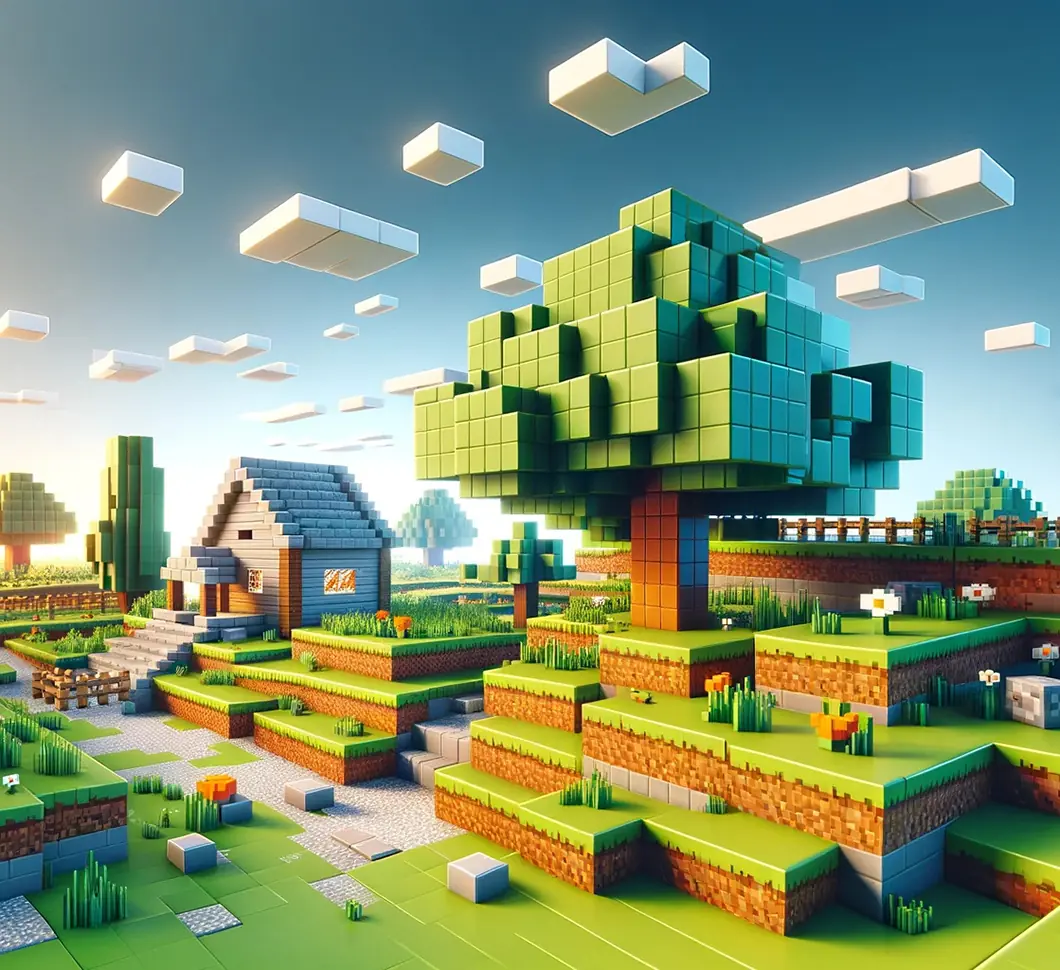
Art style is a business decision as much as a creative one. Stylised low-poly art costs less, ships faster, and ages slowly. Realistic PBR art costs more and runs into platform limits faster on mobile and web. The safest way to lock a style is a paint-over test on the actual target hardware, a 15-second gameplay clip with final-quality art on the weakest supported device answers most of the "can we ship this?" questions early.
Video game art has to fit into a performance envelope. Polycount, texture resolution, shader complexity, draw calls, and memory footprint all vary by target platform.
- Mobile hero character: 15,000-40,000 triangles, 2K textures, 1-2 material slots.
- Mobile environment prop: 500-3,000 triangles, shared 1K-2K atlases.
- PC/console hero character: 40,000-120,000 triangles, 4K PBR sets.
- Web (WebGL/glTF) asset: kept lean, atlas-heavy, compressed textures.
Handover to Unity and Unreal Engine, and QA
Once assets clear internal QA, they are exported into engine-ready formats. FBX remains the workhorse for Unity and Unreal Engine handover. glTF is the standard for web and cross-platform pipelines. A clean handover package includes the source file, the exported asset, texture maps, a preview render, and a short notes file with import settings, scale, and pivot conventions.
Art QA runs in parallel with production, not at the end. Standard checks cover naming conventions, pivot points, scale, UV layout, texture density, LODs, rig integrity, animation looping, and in-engine visual review on the target device.
Cost and timeline benchmarks
Video game art cost depends on style, asset count, animation complexity, and target platforms.
- 2D character sprite set (idle, walk, attack): €400-€1,500 per character.
- Stylised 3D hero character with rig and basic animation set: €3,000-€8,000.
- Realistic PBR hero character with full animation set: €8,000-€25,000.
- Mid-sized environment (10-30 props, one hero scene): €5,000-€20,000.
- Full art package for a mobile game: €30,000-€120,000 depending on scope.
A single stylised 3D character usually takes 2-4 weeks from concept lock to engine-ready delivery. A full art package for a mobile title typically runs 3-6 months in parallel with engineering.
In-house vs freelance vs outsourced studio for video game art
Three engagement models cover almost every art production setup. Each carries different trade-offs on quality control, cost, timeline, and IP.
| Model | Quality control | Cost | IP and handover |
| In-house art team | Highest, direct daily oversight | Highest fixed cost | Full IP by default |
| Freelance artists | Variable, depends on individual | Lowest per asset, coordination overhead | Depends on contract, often needs custom NDA/IP terms |
| Outsourced studio | High, single point of accountability | Mid-range, predictable per-project rate | Full IP transfer and NDA as standard |
| Hybrid (in-house + studio) | High for hero assets, flexible for volume | Balanced, controls fixed cost | Split by contract, usually full IP to client |
For teams looking to combine speed and IP control, working with a studio that offers full-cycle game development or a dedicated art team through hire game artists is usually the cleanest path.
A video game art case from the Game-Ace portfolio
Welcome to Archy the Rabbit, an AR and mixed reality game by Game-Ace

Archy the Rabbit is an AR and mixed reality game built for children, with a full character and environment art pipeline designed to introduce younger and older audiences to immersive gaming in an intuitive way. Game-Ace delivered the character and environment art for the release.
When to talk to Game-Ace about video game art
If video game art production is on your roadmap, Game-Ace has been building game art since 2005 with 120+ in-house specialists across concept, 2D, 3D, rigging, animation, VFX, and technical art. Engagement models cover team extension, co-development, and full-cycle production, with strict NDA and full IP transfer as standard. For related reading, see the guide to video game concept art as a starting point for the earliest stage of the pipeline.
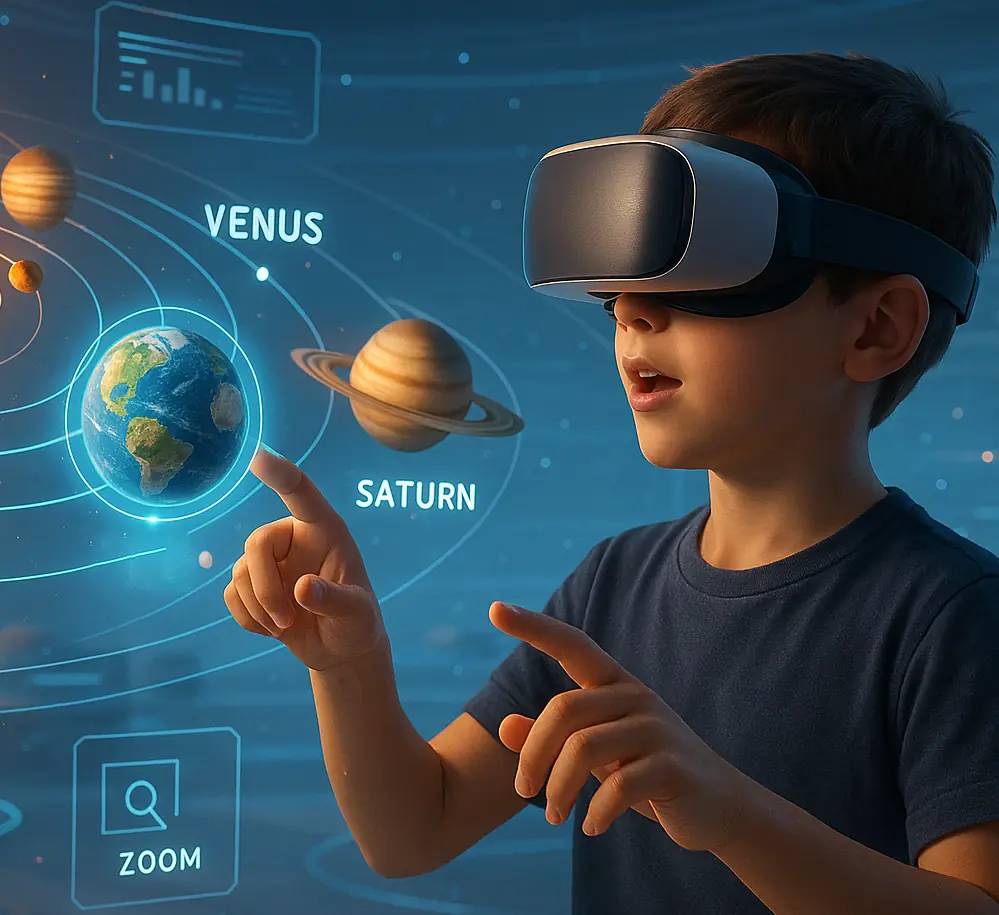 How to design learning games for kids
 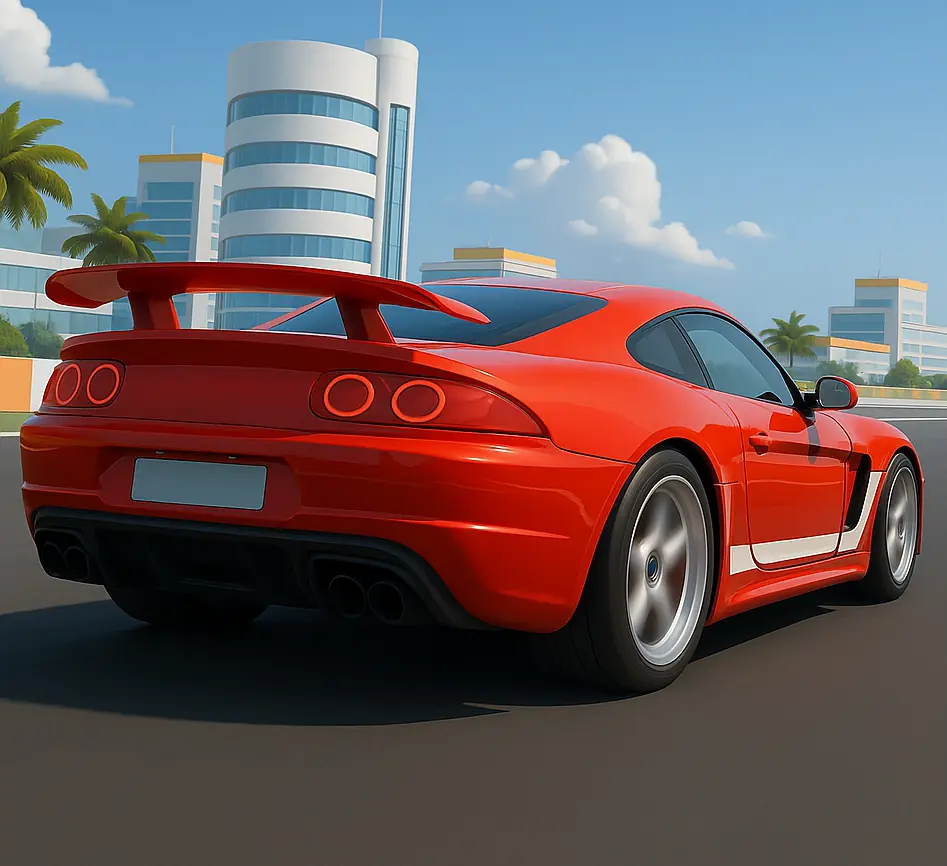 Arcade game design: a production guide
 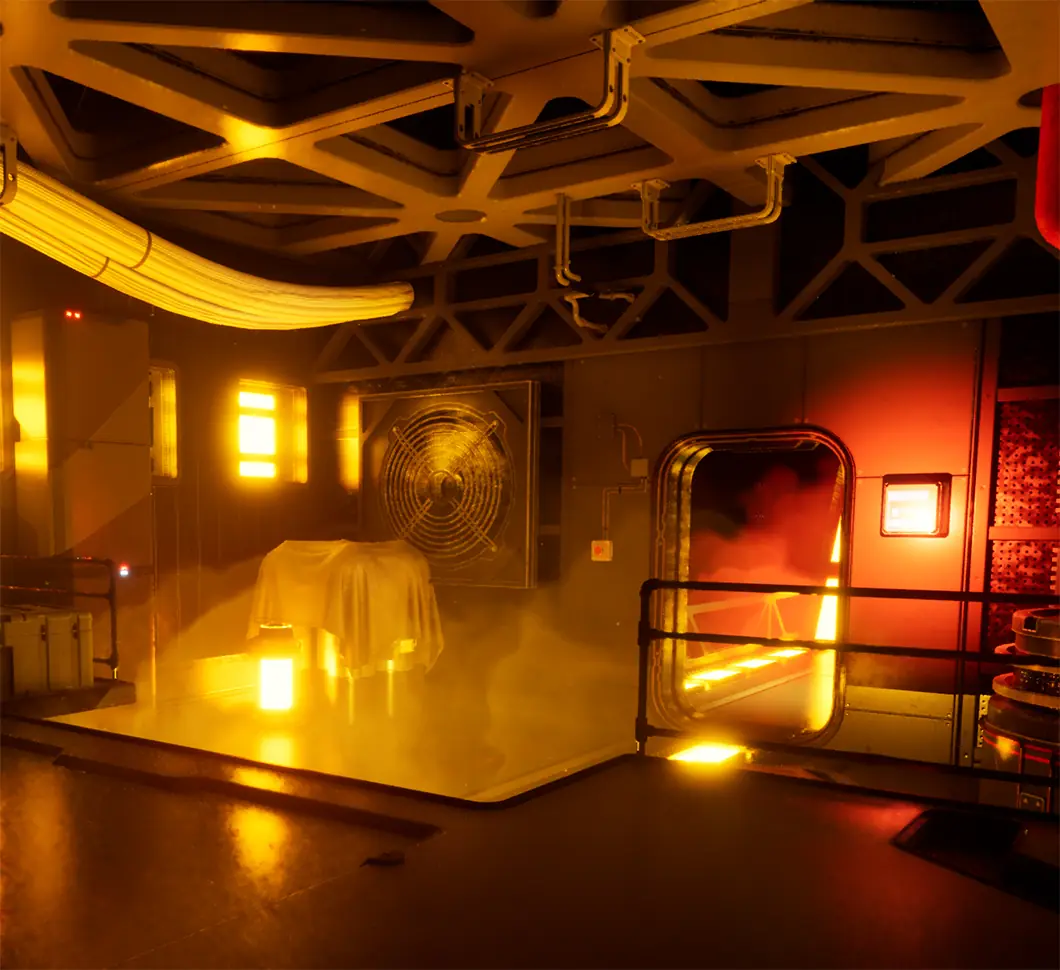 Game environment design for production-ready worlds
 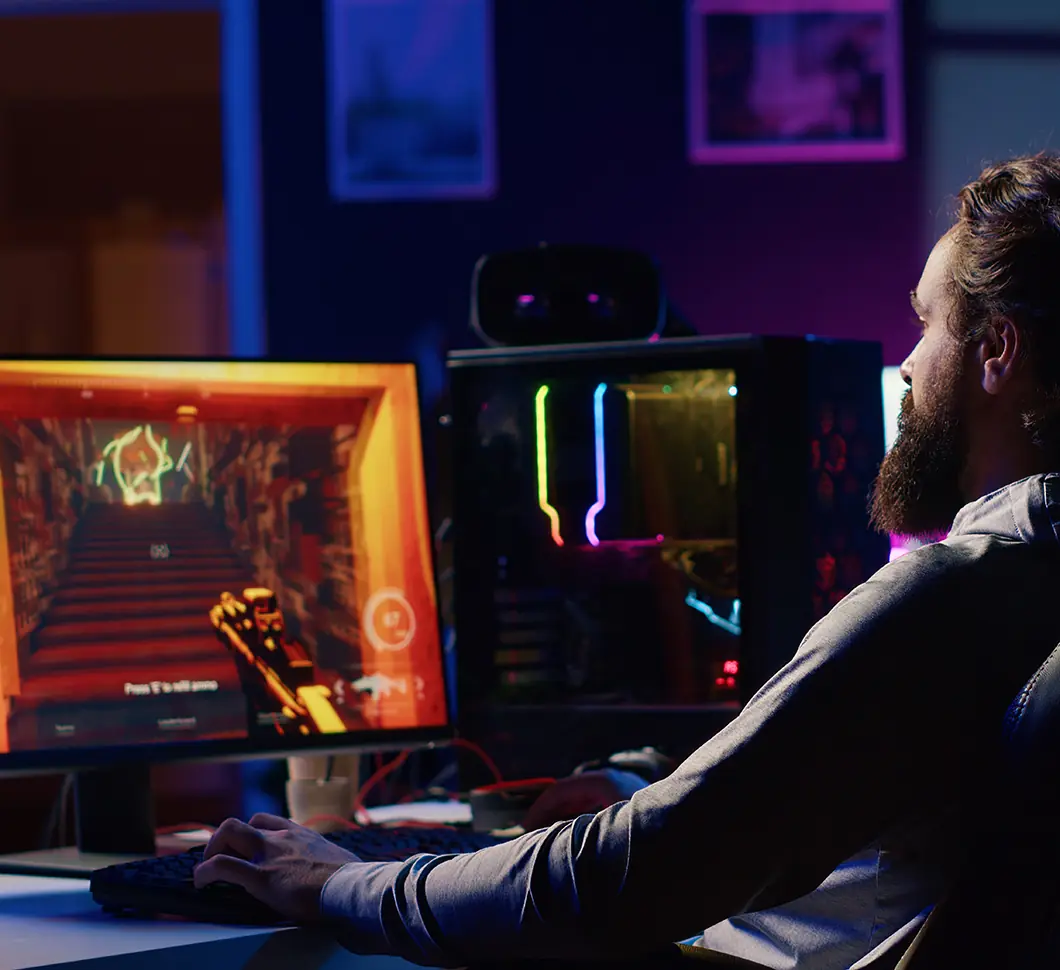 Narrative game design: from concept to shipped story
  Procedural generation in games: what actually works in production