Mobile gaming is one of the largest entertainment markets, estimated at US$71.9 Billion in 2020 and projected to reach a revised size of US$153.5 billion by 2027. Thus, it’s becoming more profitable to develop mobile games, but the process is hardly a cakewalk. That’s why many companies outsource mobile game development.
In this article, we cover the main circumstance when you need to outsource mobile game development and how much it costs. We’ll also tell you which development lifecycle phases are profitable to outsource and how to choose the best mobile game development services.
When it is Better to Outsource Mobile Game Development
For some reason, there is a popular misconception that full project completion is only possible through hiring full-time employees. In reality, there are many situations when it’s more profitable to outsource:
1. Limited budget
Running a project, managers pay special attention to budget planning. Unfortunately, it’s way too hard not to cross the limited budget line, especially with the prevalence of Black Swan events in the industry.
Thus, it is more likely that you won’t be able to meet the limited budget, which can lead to unpleasant consequences. On the other hand, when you outsource a project or certain tasks, the contractor company usually receives a fixed amount for this, and the outsourcing company handles any emergency situations on its own.
2. Lack of time
In our practice, there were many cases when it was vital for a client to release a game on time, and they were falling behind their plans. In the event that you have a similar situation, it’s better to outsource your project to pros. Outsourcing companies are always ready for fast and accurate execution, especially when it comes to developing games for business solutions. All because a reliable company will employ experienced specialists, use professional resources, and do everything possible to fulfill their obligations to a client.
3. You don’t have an in-house team
In case you haven’t hired an in-house team yet, it would be helpful to compare this option with outsourcing. Hiring in-house specialists is a long-term process involving conducting dozens of job interviews and looking for qualified developers, designers, modeling artists, testers, etc. Many studios choose to hire mobile game developers from trusted outsourcing partners to speed up production and access ready-made expertise.
On the other hand, outsourcing companies provide clients with a fully-composed team of specialists required for successful project execution. Moreover, even if some team members won’t be able to continue working on a project, the company will usually replace them quickly with reserve specialists.
4. You’re planning a complex project
Planning a gaming project, you probably want to make your mobile game profitable. Accordingly, you will probably choose cross-platform development to reach the largest audience available. However, this type of development can be quite tricky, much like projects with complex functionality, strong graphic requirements, etc.
Luckily, dedicated outsourcing companies can provide an experienced team of pros for this task that have everything they need already to deliver results.
5. Lack of specific software and equipment
Professional mobile game development requires powerful PCs and specific tools like game engines, 3D development and texturing software, etc. For example, developing a mobile game in Unity or Unreal Engine (popular game engines) allows faster processes and more quality results.
Unfortunately, these tools tend to cost a lot and are not financially viable unless you plan on running continuous game production. Therefore, it makes sense to seek help from companies that already have all the necessary professional resources and know how to use them.
Need help with mobile game development?
We’ve got your back!
Which Mobile Game Development Phases to Outsource
Usually, most project managers and executives strive to cover the development needs with their company’s own resources. However, the principle of effective management says that delegation is the key to success. So there are various mobile game development stages you can outsource and benefit from.
Game art design
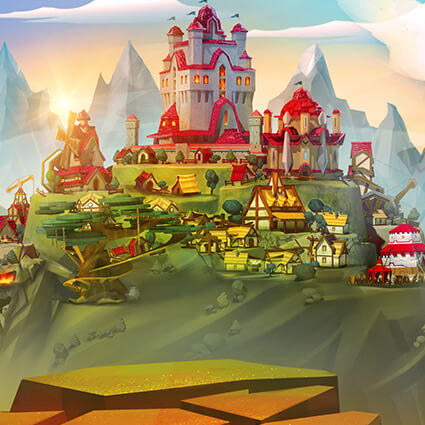
Before starting a project, you may entrust the development of the game concept — environment, and character design, to skilled art designers. Thus, you’ll have a clear understanding of the content features of a game — no need to spend too much time.
Modeling
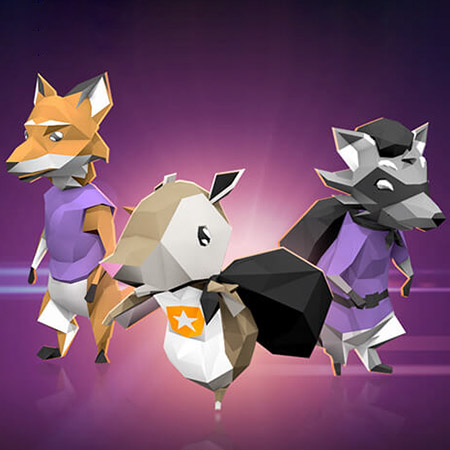
Excellent content is an imperative part of any game. In order to have impressive game characters, assets, and environment, you can entrust 2D/3D modeling to professional gaming artists.
Coding
If you already have some game content, you can speed up the process by outsourcing game coding to pros. Writing sustainable and bug-free game code is vital, and expert execution can save much time and money for you.
UI/UX design
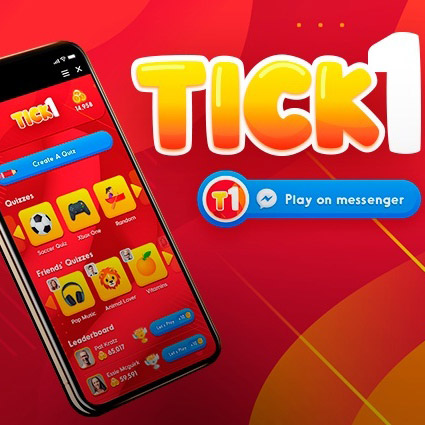
Designing a user-friendly interface and building a pleasant user experience is a matter of the designers’ experience. It’s because experienced experts know what the target audience needs.
QA
Many development companies don’t have a quality assurance department or capabilities for accurate testing. It’s better to test games on real devices, but this method can be prohibitively expensive, as it requires many different smartphone models to buy.
Full-cycle game development
It’s not mandatory to spend time hiring an in-house team, organizing workflow, supplying equipment, and managing a project by yourself. Outsourcing mobile game development, you only need to deliver your idea and requirements and get a ready-made, flawless game.
Another phase that applies to a small but very prominent subset of projects is NFT implementation. NFT games are quite in trend right now, but they add an additional layer of difficulty that exceeds most payment gateway integrations. NFTs can only be purchased and exchanged with connected cryptocurrency wallets, which is pretty confusing and unfamiliar to most developers. However, if you are making a game that features these assets, you might as well thing about hiring NFT game development services for quicker achievement of your goals.
Whether you’re going to outsource a part of a project or the entire development cycle, the most important thing is to choose the right company for this task.
What to Consider when Choosing a Development Company
When looking for a dedicated development company, paying attention to signs is important. If the company meets your standards, then you can put your trust in it.
-
Specialization. A development team should have a specific domain on your kind of project. For example, a company should offer mobile game development, not just software development.
-
Wide range of specialists. Since mobile game development is done through many phases, a full outsourcing team should consist of game developers, designers, QA engineers, modeling, animation, and texturing artists, scriptwriters, and an audio team.
-
Experience. The number of years of work in the industry speaks volumes. This means that the company’s services have been consistently used for many years, and that the team has worked on many different projects. Thus, experts know the specifics of various genres, topics, and gameplay.
-
Testimonials. Pay attention to the number of client reviews and their impression — positive or negative. Thus, you’ll learn what a company is good at and where it objectively falls short. It’s even better if a company doesn’t have any poor reviews.
-
Communication. This experience should be as comfortable for a client as possible. The company’s business hours should match the client’s timezone as closely as possible, and it’s nice when managers respond fast. Moreover, company representatives must have a solid level of English writing and speaking for clear communication.
How Much Does It Cost to Outsource Mobile Game Development?
The cost of mobile game development varies depending on the type of product and its specific requirements. Thus, a company’s service price can be calculated only after discussing project details, defining its scale, timeframe, and needed resources like the number of specialists and pro tools.
However, we want you to know what to expect from mobile game outsourcing investments, so we’ve highlighted a general price for popular project types.
|
Game project type |
Specific features |
Average price |
|
Playable Demo |
The game prototype is designed to visually represent a future product and prove the effectiveness of the game’s mechanics. |
$3.000+ |
|
Hyper-Casual Game |
A game with simple mechanics, graphics, and level design. Such a game type requires relatively little content creation and time spent on development. |
$10.000-$35.000 |
|
Casual Game |
The type of game is easy but engaging to play while on a break or a trip. It has vivid graphics, thematic locations and characters. |
$20.000-$50.000 |
|
Midcore Game |
Games with elaborate gameplay and level design. The development involves detailed content creation and building mechanics of a higher level. |
$150.000-$500.000 |
|
Hardcore Game |
Games of this typ efeature complex level design, various mechanics and controls, extended capabilities, as well as an evolving and engaging narrative. |
$500.000-$1.000.000 |
|
AAA Game |
In case you want to develop a truly ambitious, content-rich, and gorgeous gaming experience to your audience, then you should consider the AAA scale. |
$1.000.000+ |
Rely on an Experienced Game Development Company
Even if mobile game development is your passion and something your business does regularly, you shouldn’t count out external support. Delegating a project or its parts to professionals can be a true lifesaver and take a load of crunch off your team. It’s also nice to get more talented specialists and expertise in the complicated endeavor of building mobile games.
If you need a dedicated outsourcing company to bring your game to life, you can always rely on Game-Ace:
- 30 years of experience;
- dozens of qualified specialists;
- 100+ successfully completed projects;
- certified Unity and Unreal Engine developers;
- one of the best Global Outsourcing 100 companies (according to IAOP);
- one of the Leading Mobile Game Development Companies by TopDevelopers.co.
Are you ready to start your mobile game development in cooperation? Contact us, and we’ll discuss the details.
 How to Make a Game App That Captures Users and Dominates the Market
  The Quest for Excellence: Unveiling the Best Gaming Platforms of Today
  Mobile Gaming Trends 2025: Genres, Technologies, Demographics
  How to Make a Mobile Game in Unity 2025
  Mobile Game Testing: Types, Tools, and More