Roblox attracts millions of active players who spend time, money, and attention every day. For most studios and brands, the real struggle is not getting people to show up, but actually making the project pay off. Success in Roblox game development now requires you to have a clear plan for making money from the very first moment you start designing. If you do not have a solid strategy in place from the jump, even a game with millions of players will struggle to keep the lights on.
We see Roblox as a platform where product, economy, and community interact constantly. The way a product is monetized ultimately shapes the balance of the user experience, the frequency of updates, and long-term retention. Smart revenue systems are designed to respect player choice while simultaneously creating clear, logical reasons to invest.
When monetization is integrated thoughtfully, success no longer relies on chance. Instead, it becomes a natural result of a well-defined structure that aligns business goals with user satisfaction.
Our team works with creators who want predictable income, not one-off spikes. We focus on pricing clarity, ethical purchase design, and measurable outcomes. At the same time, players expect fairness, transparency, and value. When those expectations align, spending feels natural rather than forced.
Why Roblox Monetization Matters for Sustainable Revenue Planning
Your revenue structure sits at the heart of everything, influencing your project scope, how often you update, and the level of support you can provide after launch. When teams define their monetization strategy early on, they effectively lower their financial risk and move forward with much more confidence. This early clarity also makes it easier to decide who to hire and which analytics tools to set up.
While many studios wait for early traction before bringing on specialized Roblox developers, having a clear revenue logic from the start makes that investment much safer. Knowing the right time to hire Roblox developers gets a lot easier once you have a clear plan for making money that makes the investment feel safe and smart. Good planning is what finally bridges the gap between having a cool creative vision and seeing actual, measurable results. This shift allows teams to find stability instead of just reacting to the ups and downs of short-term performance.
Roblox as a Scalable Revenue Platform Beyond Game Development
Many studios get caught up in the visuals and forget that the real challenge is figuring out how to make a Roblox game that maintains steady earnings after the initial hype fades. Roblox works best for products that live for years, not one-off releases that go quiet after a month. Revenue grows when your systems can scale alongside your users without needing a total redesign every time you grow.
By treating these experiences as living services, we focus on three main pillars:
- Scale. Your revenue systems should grow with your active player base without ever resetting their progress.
- Continuity. Each update should add to the existing value of the game rather than replacing what players already love.
- Control. Keeping your pricing flexible allows you to make adjustments without breaking the balance of the game.
The most common question teams ask is how to keep a game earning well past its launch month. The secret is usually found in the structure of the game rather than a new gimmick. When spending is tied to how a player progresses and stays engaged, it creates a steady income. These scalable systems protect your bottom line and keep player trust intact.
Player Spending Behavior and Retention Economics on Roblox
Real growth comes from a loop where players feel valued and rewarded. People invest their time and money into experiences that recognize their hard work and offer them clear advantages. We look closely at player psychology to design spending triggers that feel like a helpful part of the game rather than a forced interruption.
Effective monetization usually follows a simple hierarchy:
- Timing. Offers work best when they show up exactly when a player hits a major milestone.
- Context. When a purchase has social visibility, players feel much more confident in their decision to buy.
- Perception. Providing permanent value for a purchase encourages players to come back and spend again.
The best Roblox games don't just happen. They work because they actually respect the people playing them. If you start hitting players with pop-ups the second they load in, they’re going to leave, and they won't come back.
We focus on getting the pacing right so that spending money feels like a natural part of the fun, not a distraction from it. This makes for a much better player experience. More importantly, it keeps people invested in the game for the long haul and gives them a real reason to keep showing up every time you drop an update.
Strategic Differences Between One-Time Revenue and Ongoing Monetization
The best Roblox game ideas start with a foundation that actually respects the player, making sure that spending money feels like a natural part of their journey. There is a world of difference between a launch that just grabs a quick pile of cash and a system that keeps earning every single day. One-time revenue relies on the initial hype, while ongoing monetization is all about keeping people around and giving them reasons to stay.
Each path requires a different mindset:
- Launch-focused revenue. This path prioritizes high visibility and fast returns but usually results in income dropping off quickly.
- Ongoing revenue. This focuses on regular updates and builds a much more predictable and healthy cash flow.
Focusing on ongoing monetization gives your team the resources for live operations and the time to improve the game based on how people actually play. Players get a world that keeps evolving rather than a static product. Over time, this recurring revenue takes the pressure off using aggressive sales tactics and supports a business that can actually grow.
Know your Roblox monetization opportunities with our expert team
How Does Roblox Monetization Work at a Platform Level
Roblox monetization works through its own closed economy where value moves constantly between players, creators, and the platform itself. Your revenue logic depends entirely on virtual currency, specific payout rules, and the platform's own set of controls. Getting a handle on these mechanics early on helps you get a real sense of your risks, margins, and how much you can actually scale before you even launch.
Even Roblox VR games have to follow these same economic rules, even though the way people play and how long they stay in the game can look quite different. Ultimately, understanding how the platform works under the hood leads to better pricing, safer projections, and a lot fewer surprises once the game is live.
Understanding the Robux Economy and Value Circulation
Robux is the foundation for every single transaction on the platform. Players buy Robux with real money and then spend it within different experiences, while developers earn that Robux back through things like in-game purchases and passes. It is helpful to think of this value moving in a loop rather than a straight line.
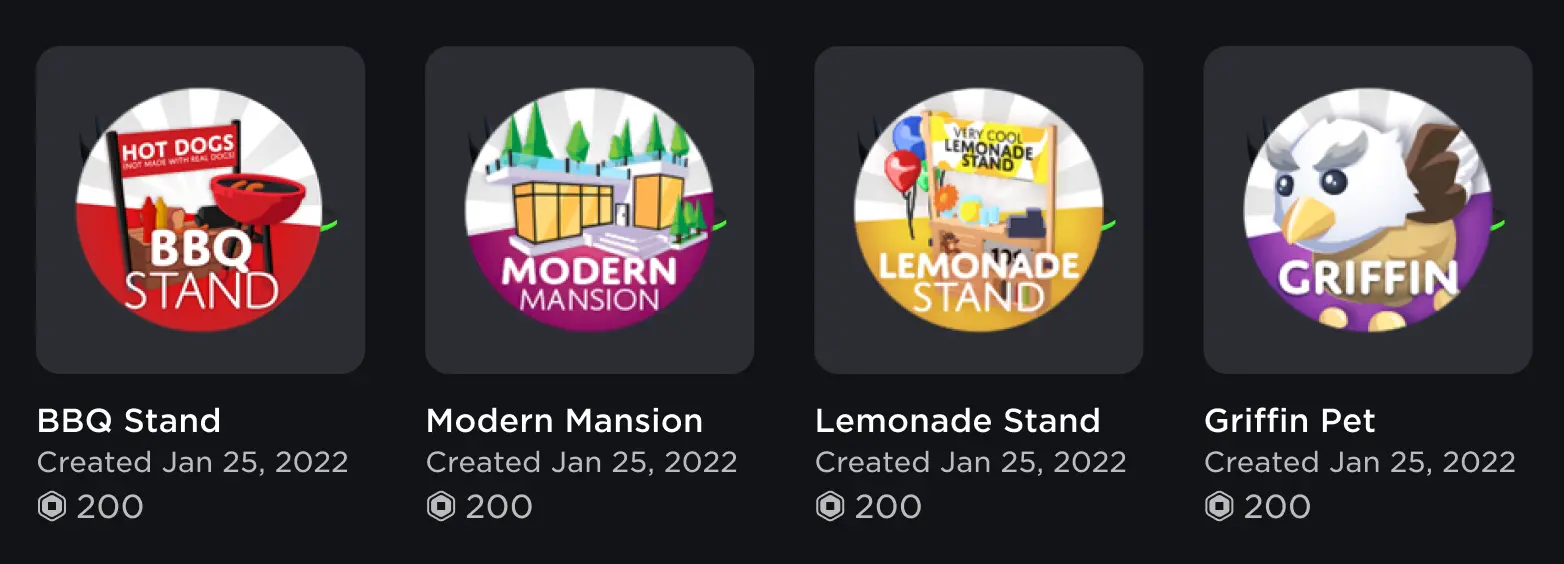
First, players bring value in by buying Robux through official stores. That Robux then moves into games as players pay for upgrades or special features. Finally, that earned Robux stays within the system until it meets the requirements for a payout. Robux never actually leaves the platform directly; the only way to turn it back into cash is through the developer exchange program.
This setup allows Roblox to keep pricing stable and prevent fraud. As a developer, you have to design your monetization with this specific loop in mind if you want to avoid blocked revenue or delays in getting paid.
Developer Exchange Rules, Payout Logic, and Platform Fees
Turning your Robux into cash requires you to be part of the Developer Exchange. Whether or not you are eligible depends on your account standing, your history of following the rules, and hitting a minimum balance. It is also important to remember that platform fees hit your earnings before you ever see a conversion to real currency.
There are a few main cost factors every developer needs to track. First is the platform cut, where Roblox keeps a percentage of every transaction. Then there is the conversion rate, which turns your Robux into currency at a set rate. You also have to remember that not every bit of Robux you earn will qualify for a payout.
When people ask how much it costs to make a Roblox game, they often overlook these backend factors. The initial development cost is only one part of the story; you have to understand your net revenue to see the full picture. Clear payout modeling is the only way for a team to accurately forecast cash flow and keep their expectations realistic.
Monetization Constraints Related to Compliance and User Age
Roblox is very strict about its monetization rules, especially when it comes to protecting younger players. A user's age can affect everything from the price they see to which purchase mechanics are even available to them. You have to design your systems to respect these limits from day one.
Some features are age-gated and simply won't show up for younger kids. You also have to make sure every purchase prompt is crystal clear and never deceptive. If you break these rules, the platform can freeze your payouts or even take your game down. In many ways, compliance shapes your monetization strategy just as much as your creative ideas do. Teams that plan around platform policies from the start are the ones who enjoy stable operations and long-term access to their earnings.
Monetization in Roblox Through Core Revenue Models
Core revenue models on Roblox are essentially the map for how value moves from your players to your team. Every model you pick comes with its own set of risks, profit margins, and typical player reactions. Choosing the right mix usually depends on how old your audience is, how long they tend to play, and what the content is actually meant to achieve.
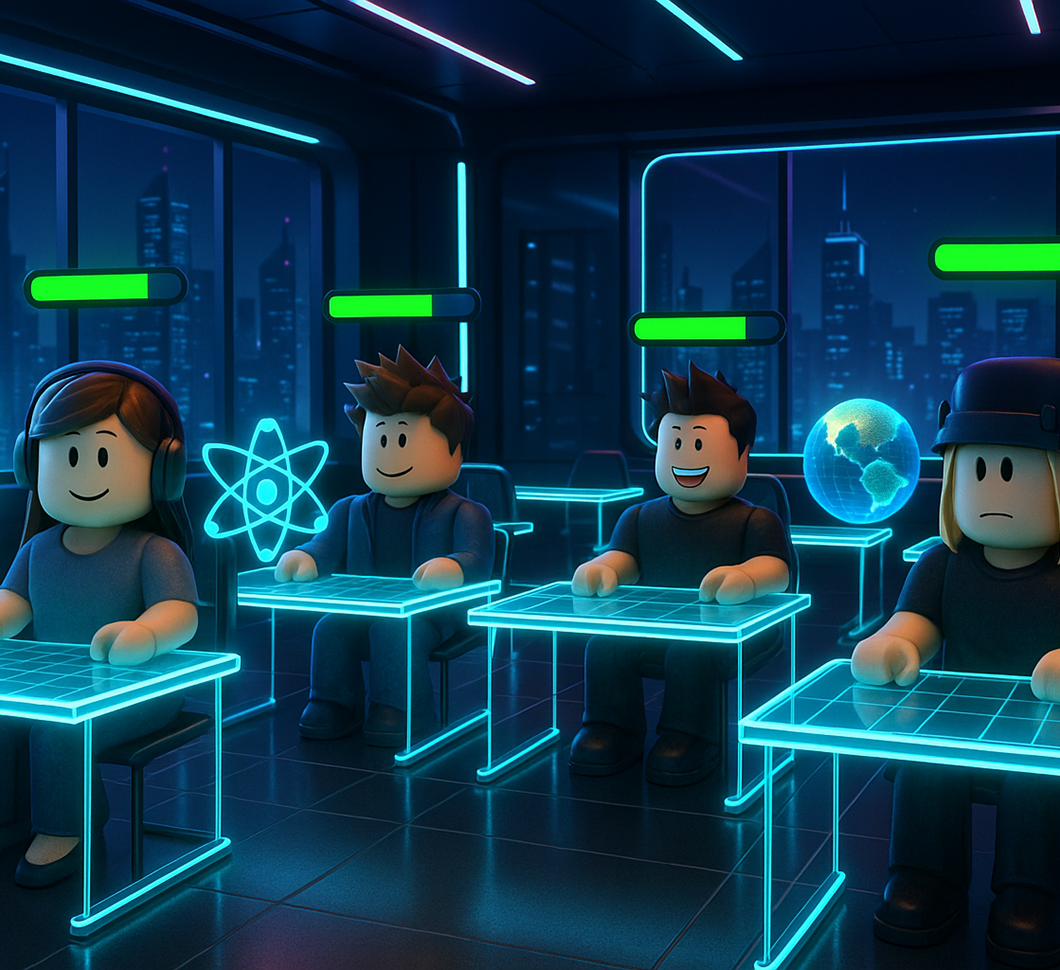
For instance, Roblox educational games often rely heavily on clarity and trust, so the monetization has to stay predictable and easy to understand. A smart model supports learning goals while keeping your revenue stable. The following sections break down how these models work and where they fit best.
In-Experience Purchases and Permanent Capability Unlocks
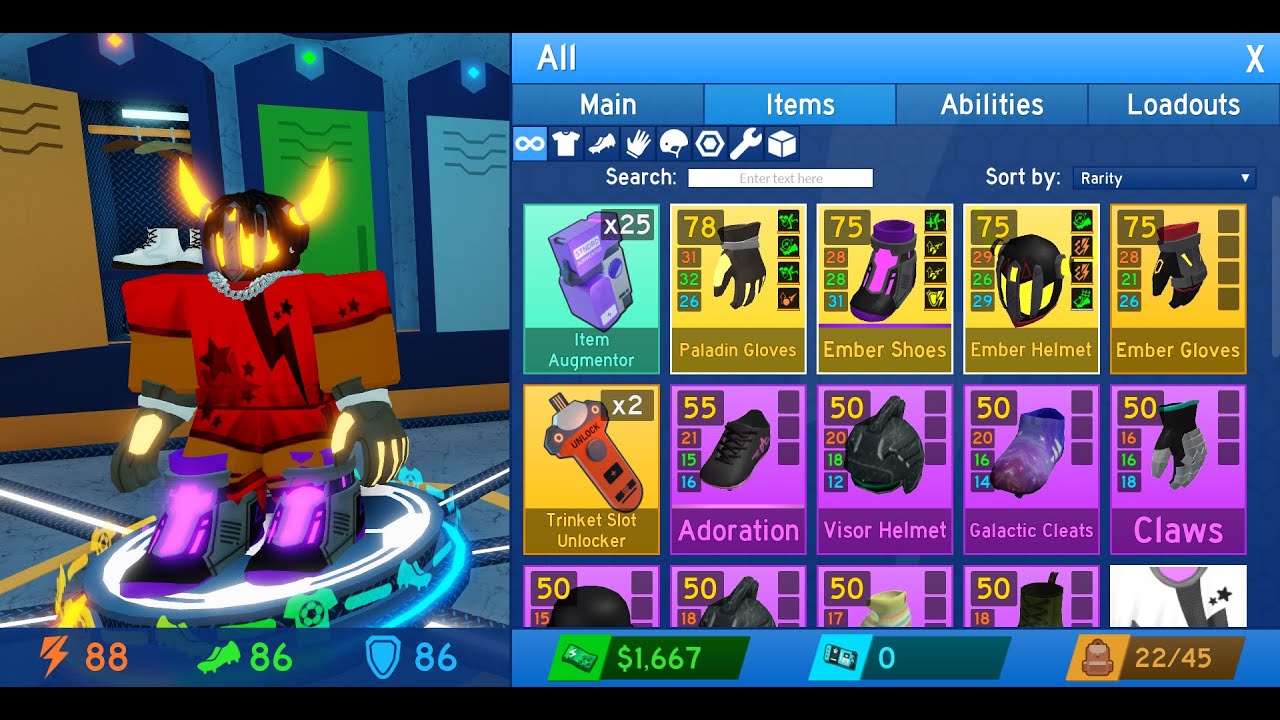
Super Striker League
Permanent purchases give players value that actually lasts. These items unlock specific abilities, tools, or areas that never expire, which appeals to players looking for certainty and long-term benefits.
- Access. This involves unlocking full areas, special modes, or more advanced features for a one-time fee.
- Power. This adds new capabilities that expand on the core mechanics rather than replacing them entirely.
- Utility. This provides tools that help players save time or reduce day-to-day friction within the game.
People are usually happy to invest in a game when they feel the value is clear and the deal is fair. The most effective permanent unlocks are those that actually enrich the way someone plays rather than just giving them a shortcut to the finish line.
Because these items never expire, the pricing should match that lifelong value, but you also have to be careful not to hand out so much power that it breaks the game's competitive balance. When you take the time to design these carefully, players feel good about their purchase, which leads to better sales and far fewer people asking for their money back.
Time-Based Access Systems and Progress Acceleration Models
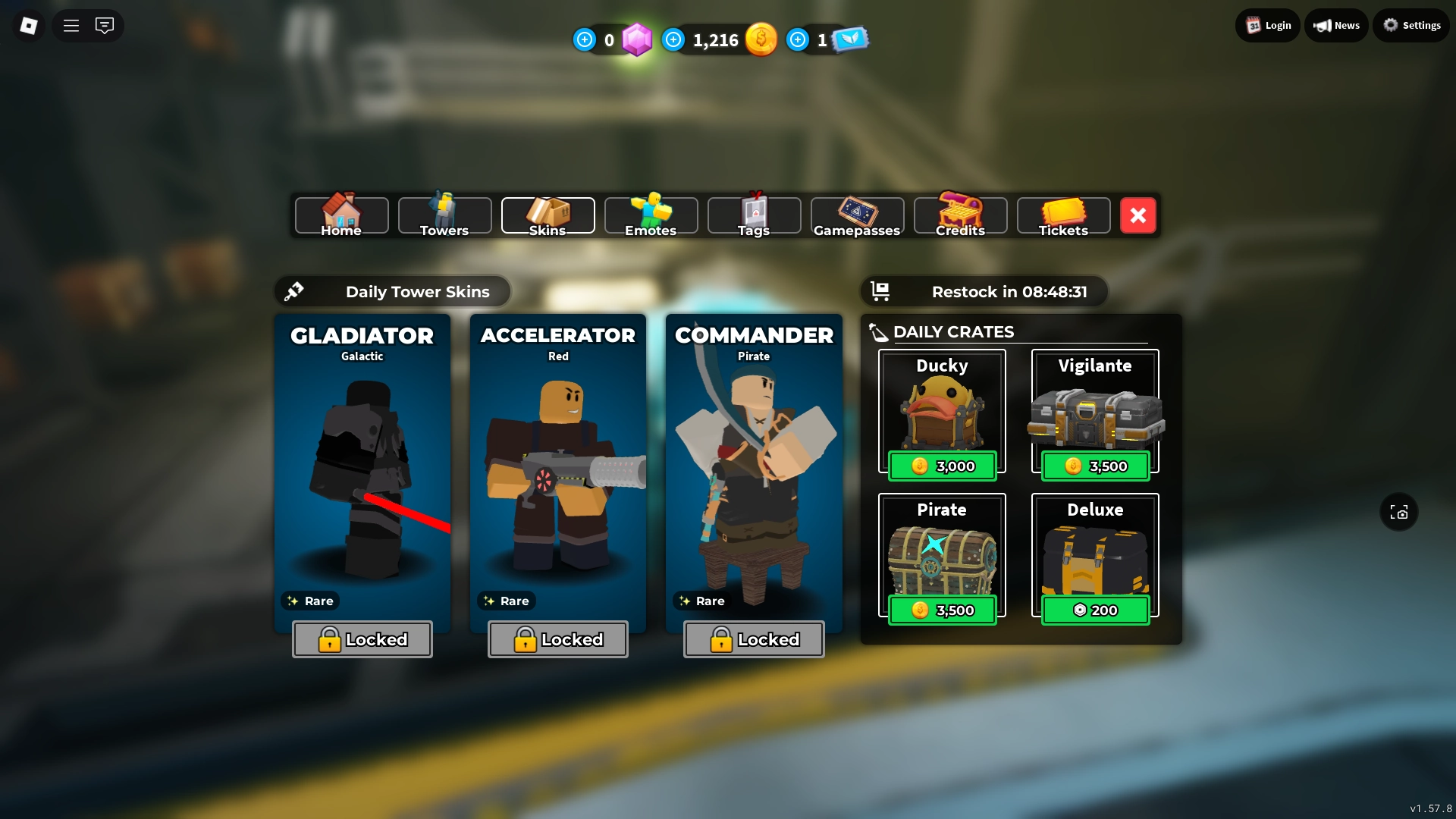
Tower Defense Simulator
Time-based monetization is essentially a trade of duration for value. Access might last for a set period, or a purchase might speed up a player's progress within your existing systems. This model is a great fit for live environments where you are dropping updates frequently. Clear communication is what makes or breaks this approach, as players need to know exactly when their access ends and what happens next.
| Model | Approach | Result |
| Timed access | Gives entry to content for a fixed period. | Leads to predictable renewals. |
| Boosters | Provides faster progress or better rewards. | Creates short-term revenue spikes. |
| Subscriptions | Offers ongoing benefits for a set fee. | Ensures stable monthly income. |
Any boost you offer should be about giving players a bit of their time back, not taking away the actual satisfaction of playing the game. It really comes down to finding that middle ground where spending money feels like a helpful shortcut for busy people rather than a mandatory toll just to see the next level.
When you get that balance right, players feel like they are actually in control of their spending. That sense of agency builds a lot more long-term loyalty than forcing people into a "pay to win" situation they eventually grow to resent.
Limited Availability Items and Event-Driven Spending
Jailbreak
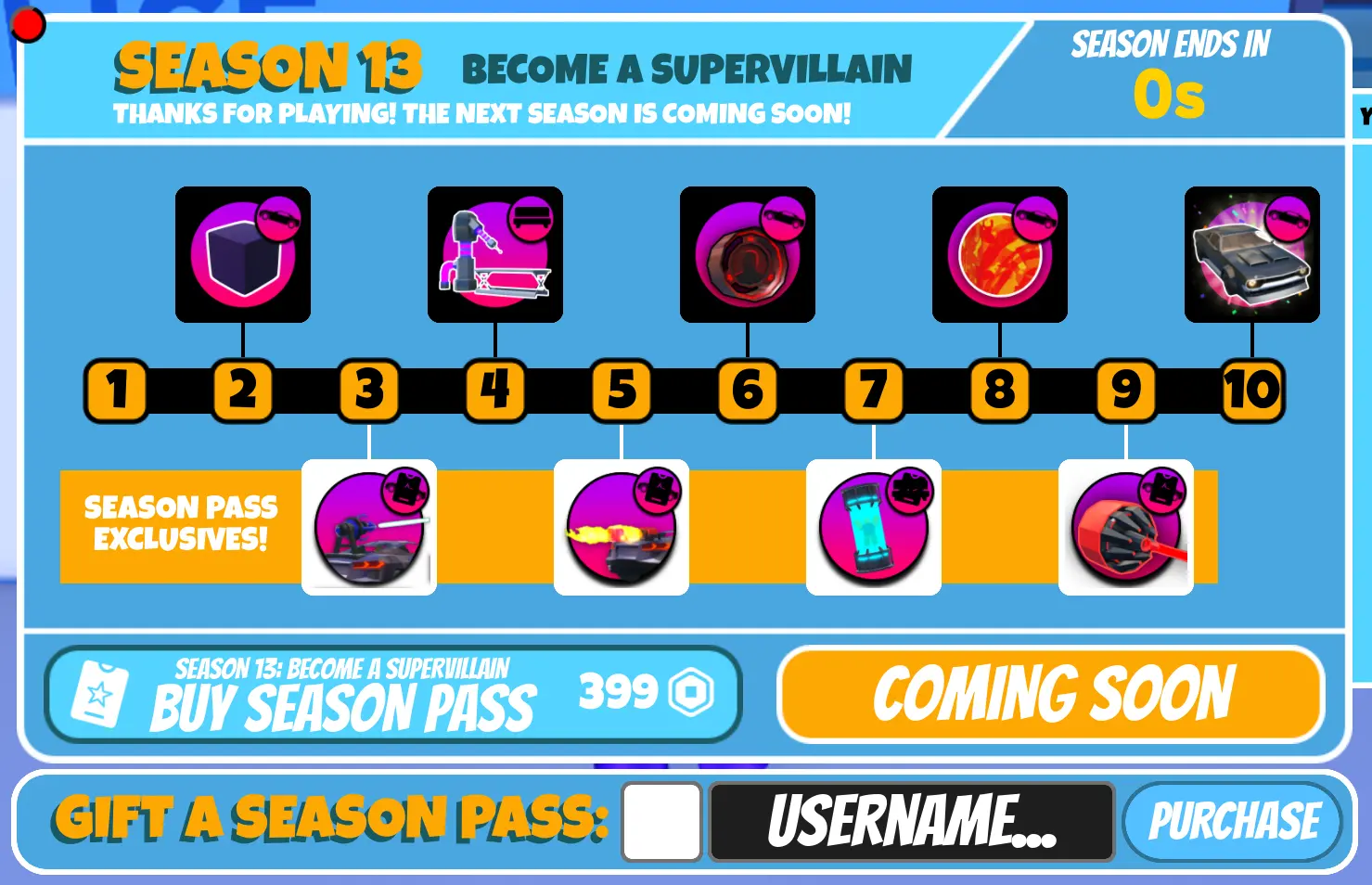
Limited items rely on scarcity and good timing. Their availability is usually tied to specific events, seasons, or milestones, which encourages players to make decisions faster because the offer will eventually disappear.
- Events. These are items tied directly to specific activities happening inside the game.
- Seasons. These are rewards that align with calendar updates or holiday themes.
- Milestones. These unlocks are tied to specific achievements or stages in a player's journey.
While scarcity creates urgency, it can also be risky. If you overdo it, you’ll lose player trust and the items will lose their impact. Event-driven monetization works best when it’s tied to a meaningful moment in the gameplay. Used sparingly, these limited items can give your revenue a boost without making players feel pressured or hurting your long-term retention.
Roblox Game Monetization Through Player Decision Psychology
Figuring out why a player actually decides to spend money means looking past the code and focusing on how people tick. On Roblox, spending is rarely just a simple transaction. It is a psychological choice tied to how a person feels right in that moment. We avoid those annoying, aggressive prompts and look at the natural highs and lows of a play session instead.
Matching an offer with a player's own goals and their current mood turns monetization into something that feels like a reward. When a transaction feels both earned and meaningful, players finish the interaction satisfied with their decision instead of feeling coerced by a marketing gimmick.
Emotional Triggers That Influence Voluntary Spending
Voluntary spending only happens when the game hits a player’s emotional needs at the perfect time. Think about that rush of adrenaline after winning a tough match or the annoyance of just barely missing a goal. High engagement moments like these make an offer feel useful. When a player reaches a significant milestone, a well-timed offer functions as a well-earned trophy rather than a forced sales pitch. Rewarding their dedication with a relevant item transforms a standard transaction into a celebration of their achievement.
We build "positive friction" by aiming for specific emotional states:
- Achievement. Celebrating a win or a new rank with an offer helps the player remember their success.
- Discovery. Dropping rare items when someone enters a new area taps into that feeling of exploration.
- Resolution. Offering small, fair shortcuts during a grind can turn a moment of frustration into a win.
Ultimately, when a game honors a player’s commitment with a fair monetization strategy, it creates a lasting partnership between the developer and the community.
Status Visibility, Social Proof, and Digital Ownership Value
In a digital ecosystem like Roblox, a person's identity becomes inseparable from what they own and how the rest of the community perceives them. The intense desire for social standing is exactly why virtual goods hold such massive importance in these spaces.
Visibility within the community creates a marketplace where players hunt for items that broadcast their expertise, their history with a specific game, or their unique personality. Buying a rare skin or a one-of-a-kind title is an investment in a social identity rather than just a transaction for a few pixels.
Whenever a game offers a way to stand out or join an exclusive circle, the perceived value of those items climbs instantly. Peer validation is the engine that keeps this momentum going, creating a feedback loop where collective interest transforms niche items into massive cultural trends.
Social momentum serves as the engine for growth, as the collective interest of the community transforms individual items into cultural phenomena. Top-tier Roblox game ideas succeed by harnessing this collective energy, effectively converting a single transaction into a trend that ripples across the whole platform.
| Element | Psychological Impact | Long-Term Value |
| Visual Weight | Unique effects that pop in a crowded lobby. | Signals that a player is experienced or wealthy. |
| Peer Validation | Seeing a top-tier player use a specific tool. | Proves the item is actually worth having. |
| Legacy Items | Proving you were around during a specific era. | Makes an account feel irreplaceable to the owner. |
Fairness Perception and Its Impact on Long-Term Revenue
The fastest way to wreck your revenue is to make players feel like you're cheating them. If a player thinks the game is "pay to win" or that the whole economy is rigged, they’ll leave and take their friends with them. Long-term income depends entirely on whether the player base trusts you to keep things fair.
Making sure that spending money gives a "cool factor" or saves a bit of time prevents the kind of game-breaking advantages that make everyone else feel useless. Players who think the monetization is fair are much more likely to keep spending over time. They don't have to worry that their purchase will be made pointless by the next update. Protecting the balance of your game's economy is just a smart business move to keep your community happy and paying for years to come.
Roblox Game Monetization Strategies Built for Long-Term Growth
Building something that lasts on Roblox means creating a money system that doesn't fall apart the moment you update the game. Every choice you make about monetization directly impacts how you plan your next move, how much messy code you’re stuck fixing later, and whether your players actually trust you enough to keep coming back. For example, maintaining a successful Roblox browser game requires constant attention to performance and player retention to stay competitive on the platform.
Browser-based games thrive on short sessions and frequent updates, which only increases the cost of poor monetization choices. Revenue logic must support iteration rather than fight it. Predictable monetization allows teams to plan updates faster and reduce risk. Consistency becomes a competitive advantage instead of a limitation over time.
Treating Monetization as a System, Not a Feature
Making money from your game is most effective when it flows with the gameplay instead of acting like a frustrating speed bump. Cluttering the screen with "buy now" prompts feels cheap and completely kills the vibe. Real magic happens when you build an economy where spending actually feels meaningful because it’s baked directly into how players progress, earn rewards, and stay hooked on the world for months instead of minutes.
Several characteristics define a system-based approach:
- Integration. Purchases align directly with core mechanics.
- Stability. Pricing logic remains consistent across updates.
- Flexibility. Adjustments happen without rewriting core systems.
Maintenance costs drop significantly when you work this way. Updates slot into existing logic instead of creating exceptions. Revenue grows alongside engagement rather than competing with it. Alignment also improves forecasting accuracy and simplifies analytics.
Structuring Free Progression Alongside Premium Paths
The free-to-play journey acts as the heartbeat of the experience for every user. Premium upgrades should focus on making that adventure better rather than locking the fun behind a paywall. Buying stuff feels like a choice instead of a chore when the free and paid paths work together.
A healthy balance usually sticks to a very specific rhythm:
- Access. Core gameplay remains fully playable for all users.
- Efficiency. Paid options reduce repetition or waiting time.
- Depth. Premium content expands mechanics instead of skipping them.
Maintaining this balance becomes harder as content grows. Bringing in outside talent ensures that the rhythm of the game, the costs, and the leveling systems stay perfectly in sync. Players gladly buy into premium perks when they feel the basic journey is already satisfying and fair.
Evolving Monetization Without Fragmenting the Audience
Change remains necessary for growth, yet disruption carries risk. Monetization updates must respect existing players while introducing new value.
- Layering. New options build on existing systems.
- Preservation. Earlier purchases keep their value after updates.
- Clarity. Communication explains changes before rollout.
Fragmentation occurs when updates favor one group too heavily. Gradual evolution avoids that outcome. Careful changes protect revenue growth while maintaining player confidence across the entire audience. Finally, many studios choose to hire Roblox game developer experts to ensure their complex systems are optimized for a smooth user experience.
How to Monetize Your Roblox Game Without Damaging Engagement
Monetization and engagement influence each other directly. Poor timing or unclear value weakens retention, even when gameplay feels strong. For that reason, revenue systems must fit naturally into how players learn, progress, and return. A careful structure protects engagement while still creating clear spending opportunities.
Introducing Monetization During Early Player Onboarding
Early onboarding defines how players interpret value. Monetization should appear after players understand goals, controls, and progression. Clear sequencing prevents confusion and resistance.
The most effective onboarding approaches include:
- Clarity. Players see what a purchase does before seeing its price.
- Delay. Offers appear after basic mechanics feel familiar.
- Relevance. Each prompt connects to a current task or limitation.
Roblox simulation games often require players to learn systems step by step. Monetization works best when it supports learning rather than skipping it. Gradual exposure builds trust and improves long-term conversion.
Let’s outline how monetization fits into player onboarding without interrupting early learning:
| First session | Understanding controls | None |
| Early progress | Learning systems | Optional guidance |
| Familiar play | Optimizing outcomes | Clear value offers |
Avoiding Pay-to-Win Perception Through Design Balance
Perceived fairness determines how players react to monetization. Balance depends on how paid benefits interact with skill and effort. Poor balance damages trust faster than high prices.
Design safeguards that reduce risk include:
- Skill focus. Success depends on decisions, not spending.
- Efficiency gains. Paid options save time instead of adding power.
- Ceilings. Advantages stop scaling past a fixed limit.
Balance also affects social dynamics. Competitive players notice inequality quickly. When outcomes remain skill-driven, spending feels supportive rather than dominant.
Here’s a comparison of how balance affects free and paying players within competitive systems:
| Core mechanics | Full access | Full access |
| Progress speed | Standard | Faster |
| Competitive impact | Equal | Equal |
Using Player Data to Validate Monetization Decisions
Data provides feedback that design opinions cannot. Player behavior shows what works and what causes friction. Reliable metrics protect engagement while guiding revenue changes.
The most useful validation signals include:
- Conversion timing. When players choose to spend.
- Session return. Whether spending correlates with repeat play.
- Drop-off points. Where players disengage after prompts.
Each data point answers a specific question. Conversion shows appeal, retention shows trust, and drop-off reveals friction. Over time, data-driven refinement replaces guesswork and stabilizes monetization outcomes across updates.
Monetize Roblox Experiences Through Social Interaction Systems
Spending decisions often happen in response to group dynamics, shared goals, or visible participation. For that reason, monetization systems tied to social behavior tend to feel justified rather than forced. Well-designed social monetization supports engagement while increasing average revenue per active user.
Cooperative Gameplay Loops That Encourage Group Spending
Working together toward a common goal builds a sense of shared responsibility among the team. People feel much better about spending money when those perks boost the whole group instead of just benefiting one person. Monetization works best when cooperation and value delivery align.
The most effective cooperative monetization elements include:
- Shared access. One purchase unlocks content that all group members can use during a session, which reduces friction and encourages collective participation.
- Team utilities. Paid tools improve coordination, recovery, or visibility for all teammates, making them practical rather than cosmetic.
- Role enhancement. Items strengthen defined roles without removing the need for skill or coordination, preserving balance.
- Progress efficiency. Group-wide boosts reduce repetition and waiting time, which players often value more than raw power.
- Session preparation. Features that shorten setup time help groups start playing faster and increase session frequency.
- Collective rewards. Rewards trigger only when the team clears goals as a unit, which places the focus squarely on teamwork rather than playing for yourself.
It helps to look closely at how specific cooperative mechanics shape group spending behavior and shared value.
| Cooperative mechanic | Player motivation | Revenue outcome |
| Shared objectives | Group success | Higher group conversion |
| Role-based tools | Responsibility | Distributed spending |
| Collective rewards | Social recognition | Repeat purchases |
| Session efficiency | Time savings | Improved retention |
Group-focused monetization reduces pressure on individual players. Over time, shared value leads to healthier spending patterns and stronger retention.
Competitive Structures and Responsible Monetization Control
High-stakes competition is a powerful way to keep a community active, but it also makes players much more observant of what feels fair. Monetization must honor the hard work and skill people put into the game so nobody feels like a victory can simply be bought. Thoughtful design ensures that every victory remains a genuine achievement while still offering plenty of exciting ways for players to invest in their experience.
The primary safeguards for competitive monetization encompass:
- Skill preservation. Core success depends on decision-making and execution, not spending levels.
- Stat limits. Paid advantages stop scaling beyond defined thresholds to avoid dominance.
- Transparency. Players understand exactly what a purchase affects before committing.
- Equal access. Competitive modes remain playable without mandatory purchases.
- Cosmetic emphasis. Visual differentiation replaces mechanical advantage in high-skill environments.
- Match integrity. Monetization never alters matchmaking or ranking outcomes.
A side-by-side view makes it easier to see which monetization choices support fair competition and which ones introduce risk.
| Monetization type | Competitive impact | Player perception |
| Cosmetic items | None | Positive |
| Time-saving boosts | Low | Acceptable |
| Stat upgrades | High | Negative |
| Skill unlocks | Moderate | Mixed |
Social Spaces as Natural Monetization Touchpoints
Social spaces create visibility. Players notice purchases more often in hubs, lobbies, and shared areas. Monetization placed in these environments feels contextual instead of disruptive.
Effective monetization opportunities within social spaces include:
- Customization zones. Players preview cosmetic upgrades while interacting with others, which increases purchase confidence.
- Public progression displays. Visual indicators show achievements and ownership without pressuring users.
- Shared activities. Mini-games or events offer optional paid enhancements tied to participation.
- Trading environments. Controlled exchange systems create perceived value through rarity and visibility.
- Event hubs. Limited-time gatherings combine social interaction with contextual offers.
- Status recognition. Non-intrusive markers acknowledge ownership without creating hierarchy.
Social environments reduce friction by aligning spending with interaction. Over time, visibility and context turn monetization into part of normal play rather than an interruption.
Roblox Monetization Patterns Observed in Top-Performing Games
Revenue success usually comes from consistent decisions made across design, pacing, and long-term planning. Learning from these trends saves teams from wasting time on guesses that do not pay off. The following breakdown shows exactly what the most successful creators are doing and why their strategies actually work in the real world.
Common Strategic Decisions Behind High-Earning Experiences
Several strategic choices appear again and again in top-performing Roblox titles, regardless of genre or audience size.
- Clarity. Paid options make the value clear right away, so there is never any confusion about exactly what a player is getting for their money.
- Consistency. Pricing logic remains stable across updates, which builds trust and reduces friction.
- Progression alignment. Purchases connect directly to existing progression systems instead of bypassing them.
- Optionality. Core gameplay stays fully accessible without spending, preserving engagement.
- Visibility. Paid items appear naturally during play rather than through intrusive prompts.
- Pacing. Monetization unfolds gradually as players become more invested.
- Analytics use. Decisions rely on player behavior rather than assumptions.
- Retention focus. Revenue systems prioritize long-term return instead of launch spikes.
Together, these choices create spending environments that feel fair and predictable. Over time, consistency matters more than novelty when revenue stability becomes the goal.
Patience Versus Aggressive Monetization Tradeoffs
| Approach | Short-term effect | Long-term outcome | Player response |
| Patient rollout | Slower early revenue | Stable growth | Higher trust |
| Gradual pricing | Lower initial conversion | Strong retention | Positive |
| Aggressive offers | Fast revenue spike | Higher churn | Resistance |
| Frequent prompts | Increased visibility | Fatigue risk | Negative |
| Value-led design | Moderate early income | Predictable cash flow | Supportive |
Both approaches generate revenue, but risk profiles differ sharply. Teams focused on durability usually accept slower early results in exchange for stronger lifetime value.
Turning a Roblox Game Into a Durable Revenue Asset
Steady revenue really comes down to seeing your Roblox game as a living, breathing product instead of something you just finish and walk away from. You have to build your money systems to grow right along with your updates, your player count, and the way people change how they play over time.
Updates should build on top of what you already have rather than throwing it all away for something new. Over time, that trust transforms a single game into a reliable revenue source rather than a one-cycle product.
Roblox Monetization Perks With Game-Ace
Game-Ace takes a common-sense approach to Roblox monetization. We build revenue systems that actually make sense for how people play your game, rather than just guessing. Working as a custom game development company, we make sure the design, the tech, and the money side are all pulling in the same direction from the start.
This prevents you from having to tear everything apart and rewrite it later, which keeps the game growing and the players sticking around. Having the right systems in place from day one means you can focus on making the game fun while the economy takes care of itself.
Contact us to talk about how we can build an economy for your game that actually lasts.
 Roblox Trends in Gaming that Shape the Next Wave of Digital Engagement
  How to Hire the Best Roblox Game Developer for High-Impact Projects
  Roblox Game Ideas That Actually Work: From Concepts to Profitable Designs
  Roblox — Play-to-Learn Gamified Education
  A True Roblox Browser Game: Why It's More Than Just a Kid's Pastime